


Traditional Drawer Cabinet
A traditional drawer cabinet brings period character and practical storage to a room through centuries of timber craftsmanship.
Traditional Drawer Cabinet
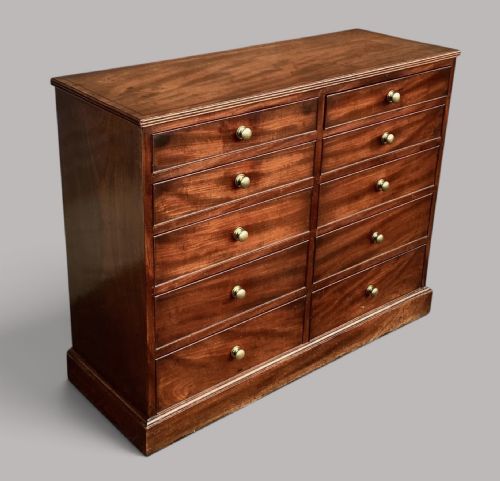
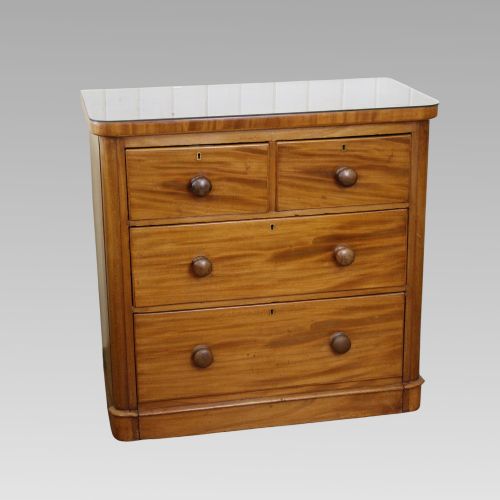
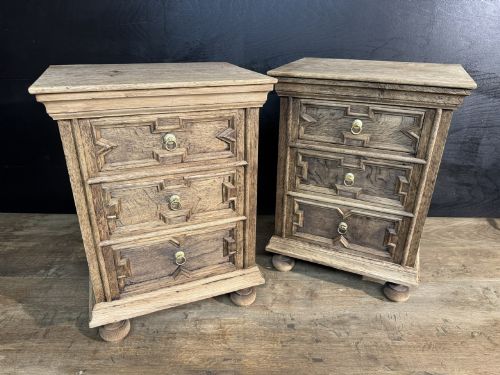
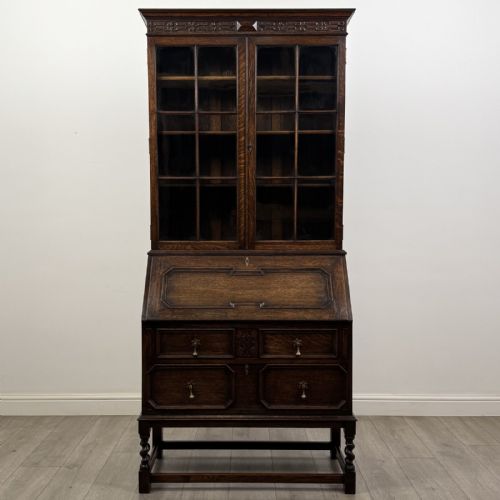
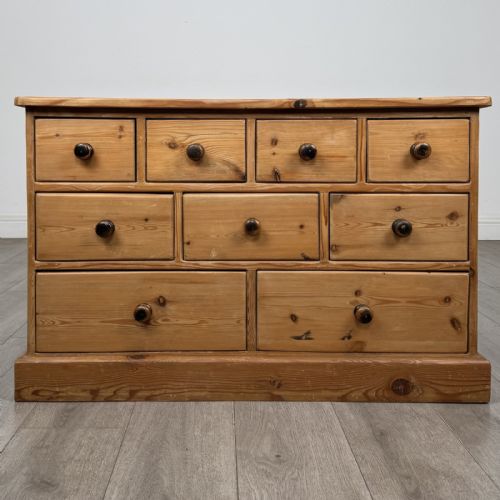
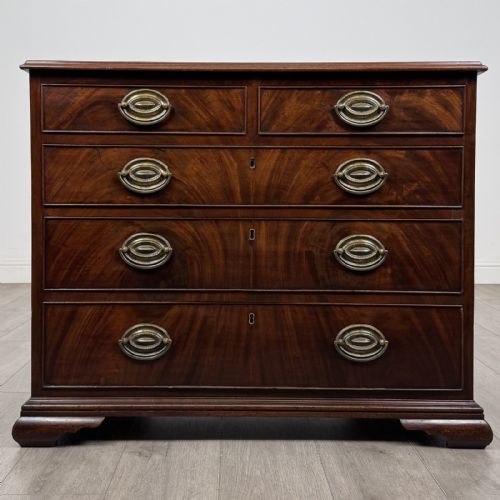
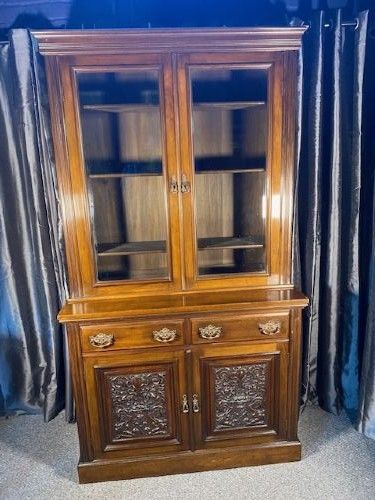
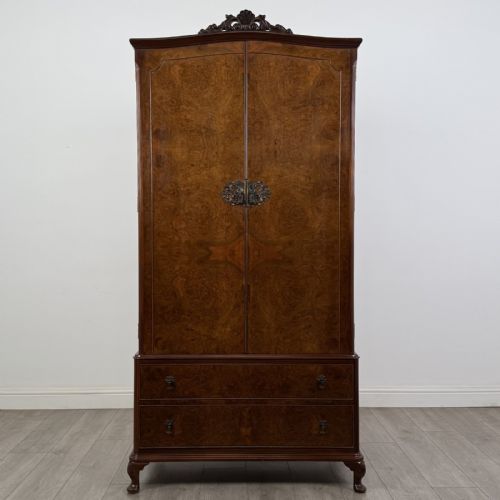
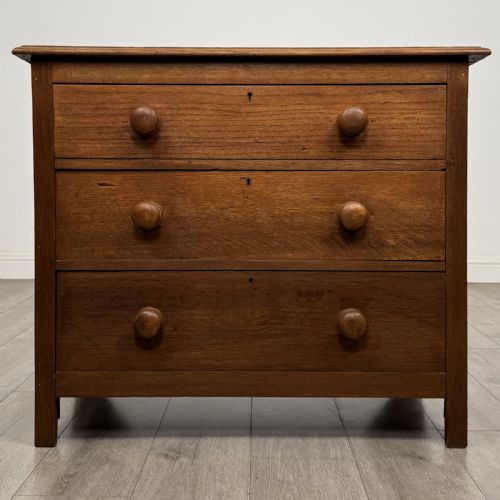
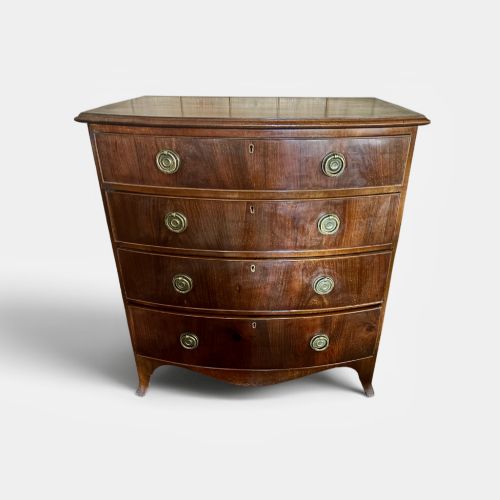
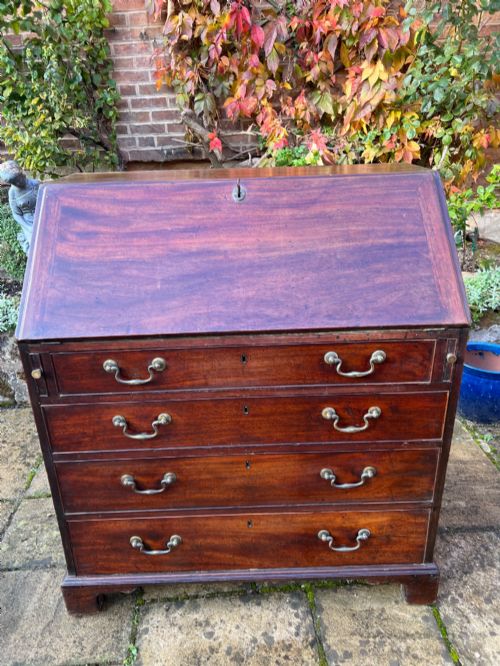
A traditional drawer cabinet encompasses various storage forms found on this page, including chests of drawers, bureaux, bedside chests, and linen presses. These pieces originate from periods spanning the eighteenth century through the Edwardian era and the early twentieth century.
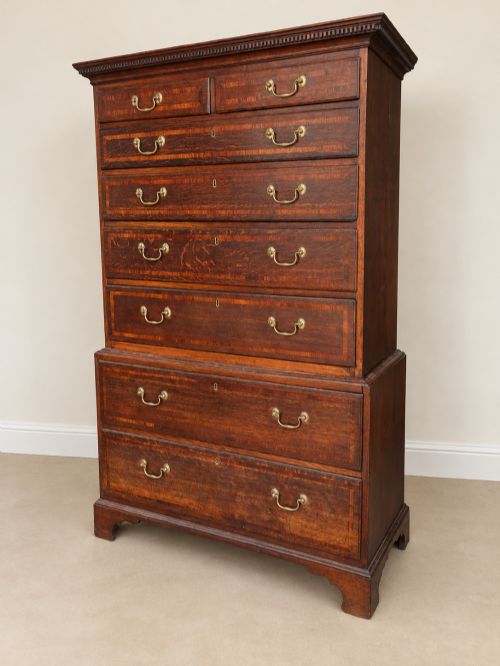
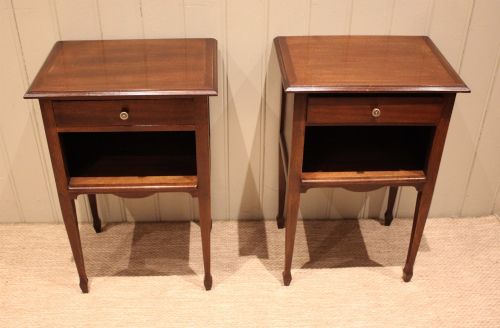
Buyers seeking a traditional drawer cabinet most frequently encounter mahogany and oak pieces from the Georgian, Victorian, and Edwardian periods. These range from compact bedside tables to large chests on chest and sideboards featuring fitted interiors and brass handles.
How they were made
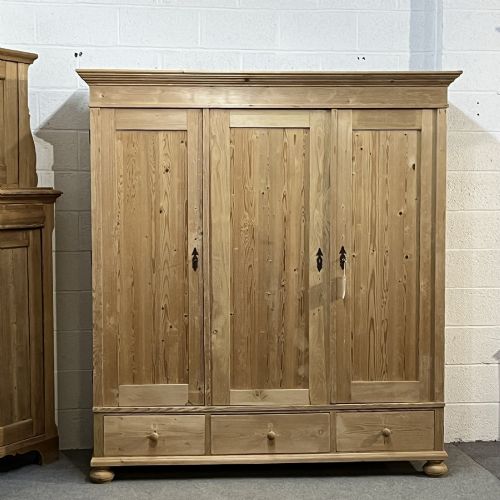
Cabinet makers utilised dense hardwoods such as mahogany, oak, walnut, and burr walnut, alongside softer timbers like pine and elm. Surfaces often display distinctive figuring in the grain, enhanced by wax finishes or painted treatments.
Construction techniques relied on solid timber framing, dovetailed drawer joints, and sturdy backs. Metal hardware, including brass handles and iron fittings, secured functional elements while bracket feet or turned legs supported the weight.
Traditional Drawer Cabinet Retail Price Guide 2026
Typical asking prices for traditional drawer cabinet among the pieces listed under this phrase on Sellingantiques today, from the lower quarter to the upper quarter. They describe what is for sale here now, not the wider market.
Listings feature pieces spanning the 18th century, Georgian, Victorian, Edwardian, and 1920 periods, constructed in oak, mahogany, walnut, pine, and elm.
What varies in quality
Quality depends upon the selection of timber and the crispness of execution in secondary details like bracket feet, raised galleries, and fitted interiors. Superior examples exhibit finely figured mahogany or burr walnut with matching grain across the drawer fronts.
Construction integrity distinguishes finer pieces, seen in tight joints, smooth drawer movement, and original brass hardware. Alterations or adaptations, such as units modified for modern utility, differentiate standard workshop production from master cabinet work.
The Traditional Drawer Cabinet Glossary
- Chest on chest
- A tall storage unit formed by stacking a smaller chest of drawers directly upon a wider base chest. This form maximises vertical storage capacity.
- Linen press
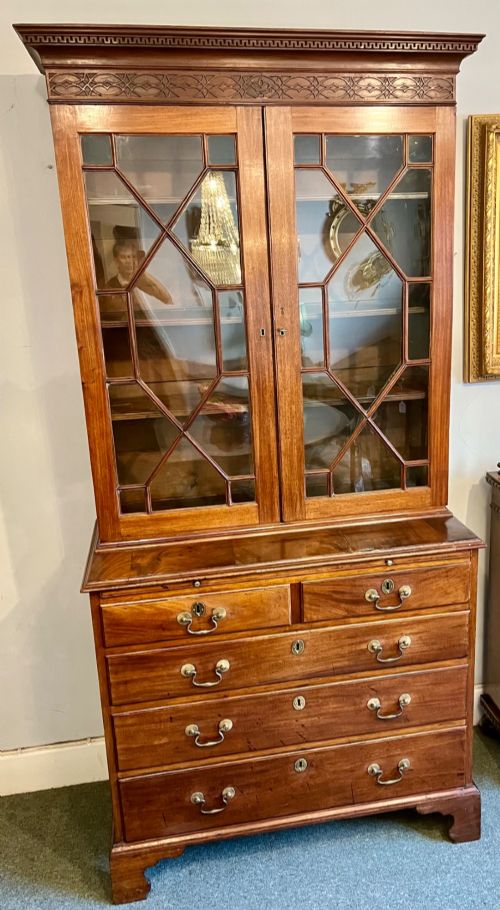
- A tall cabinet featuring upper doors enclosing sliding trays or hanging space above a base fitted with lower drawers. It originated for storing household linens.
- Bracket foot
- A simple structural foot shape resembling a bracket, supporting the corners of chests and cabinets. It frequently appears on Georgian and Victorian furniture.
- Burr walnut
- A decorative wood veneer harvested from the burl growths of walnut trees. It displays intricate, swirling grain patterns highly prized by cabinet makers.
Traditional Drawer Cabinet: Frequently Asked Questions
Where should I place a bedside chest?
These compact cabinets suit bedrooms beside standard bed heights, offering reachable surface space and enclosed drawer storage for nighttime essentials. Their varied timber tones complement diverse interior colour schemes.
Ensure you measure the available bedside clearance and consider the height of your mattress before selecting a pair or single chest from the available periods.
How do I care for mahogany furniture?
Maintain polished mahogany surfaces by dusting regularly with a soft, dry cloth and applying natural beeswax periodically to nourish the timber. Avoid placing pieces near direct heat sources or strong sunlight.
Proper humidity control prevents the wood from drying out or splitting, ensuring the drawer joints and polished finish remain stable over decades of daily use.
What is a bureau used for?
A bureau provides a dedicated writing space through its folding or sloping fall-front desk surface, concealing small interior compartments for stationery and letters. The lower drawers store household paperwork and belongings.
Closing the front flap conceals work materials entirely, making this form practical for living rooms or studies where neatness matters.
How do I identify Georgian furniture?
Georgian pieces typically employ solid mahogany, oak, or walnut with restrained proportions, proportioned brass handles, and bracket or ogee feet. Construction focuses on functional elegance and sturdy joinery.
Examining the drawer linings and internal timber reveals hand-cut dovetails and age-related patination characteristic of the eighteenth and early nineteenth centuries.