




Traditional Dowry Box
A traditional dowry box is a marriage or celebration chest made to hold a bride's household goods, valued for its rich regional woodwork and painted folk art.
Traditional Dowry Box
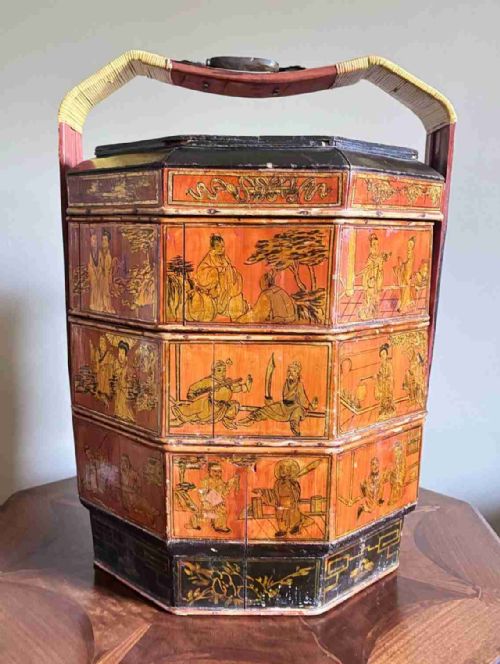
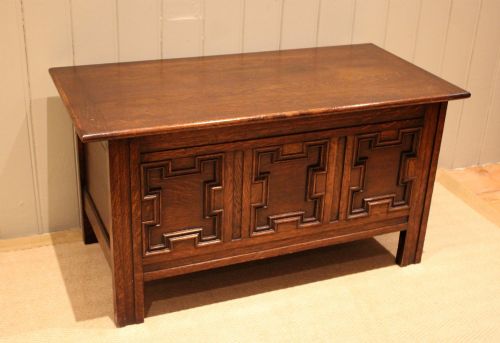
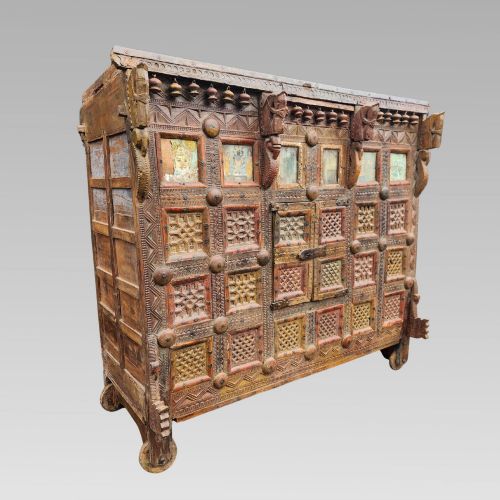
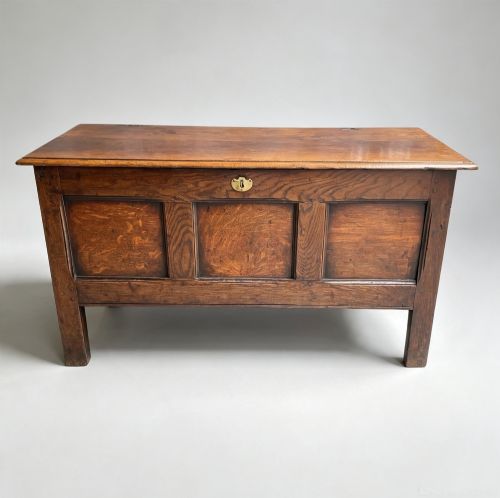
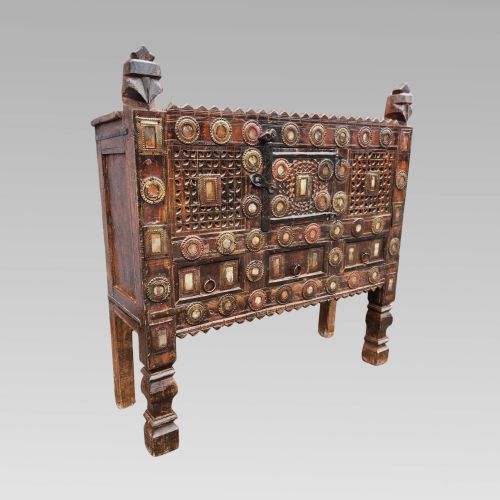
When you examine a traditional dowry box, you are looking at substantial storage furniture built for domestic life and family inheritance across different regions and centuries. The forms vary from carved oak coffers originating in Britain and Europe to elaborate teak cabinets and painted pine chests from India, Hungary, and the Alpine region.
You are most likely to meet pieces dating from the nineteenth century, alongside earlier examples from the eighteenth and seventeenth centuries. These containers served practical functions in households while carrying symbolic weight for marriages and family celebrations.
How they were made
Cabinet makers utilised solid timbers such as oak, teak, pine, and teak, shaping them with hand tools to build sturdy chests, coffers, and storage cabinets. Joinery relied on traditional methods appropriate to the period, creating robust frameworks capable of holding heavy linens and household goods.
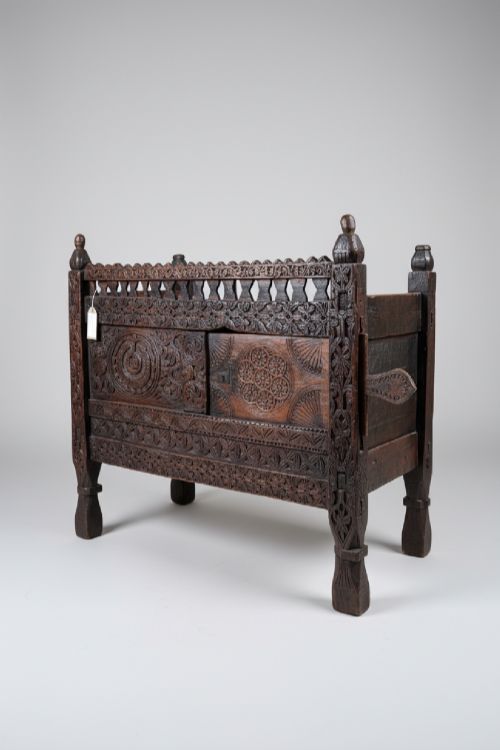
Decoration involved hand carving into timber or applying paint and pigment directly onto the surface. Iron and brass fittings such as hinges, straps, and decorative plates were frequently added to secure the lids and reinforce the structure.
Traditional Dowry Box Retail Price Guide 2026
Typical asking prices for traditional dowry box among the pieces listed under this phrase on Sellingantiques today, from the lower quarter to the upper quarter. They describe what is for sale here now, not the wider market.
Listings feature pieces spanning the seventeenth through to the early twentieth century, constructed from oak, teak, pine, iron, and brass.
What varies in quality
The standard of a traditional dowry box depends upon the integrity of its timber and the skill evident in its construction and decoration. Finely carved panels and well-preserved original painted surfaces distinguish exceptional examples from plainer utility pieces.
The preservation of original hardware such as brass work and iron hinges also contributes to the standing of a piece. Authenticity of surface finish remains central to how these chests are judged by collectors.
The Traditional Dowry Box Glossary
- Damchiya
- An Indian storage cabinet or chest often associated with dowry furnishings. These pieces frequently incorporate carved woodwork and integrated compartments.
- Cassone
- A large Italian chest or marriage box commissioned for weddings during past centuries. They were often decorated with elaborate painting or carving.
- Mule chest
- A traditional chest fitted with one or more drawers beneath the main storage compartment. This form developed during the eighteenth century.
- Dowry
- Property or wealth brought by a bride to her husband upon marriage. Containers were specifically made to transport and store these goods.
Traditional Dowry Box: Frequently Asked Questions
What is a traditional dowry box?
A traditional dowry box is a chest or cabinet commissioned to hold the linen, garments, and household goods brought by a bride to her new home.
These pieces were constructed in various regions around the world, utilising local timbers and decorative traditions ranging from British oak carving to Indian teak cabinetry.
How were these chests used?
They served primarily as secure storage for valuable textiles, clothing, and domestic goods in the family home. Their robust construction often allowed them to double as seating or tables within the household.
Over generations, they functioned as family heirlooms, preserving items associated with marriage and significant household transitions.
How do I live with a traditional dowry box?
These chests work well as coffee tables, end-of-bed storage, or statement pieces in living areas and hallways. Their internal space provides practical storage for blankets and household items while anchoring a room's decor.
Keeping them away from direct heat sources helps protect the historic timber and any original painted surfaces.
How can I tell the periods apart?
Earlier pieces from the seventeenth and eighteenth centuries often display heavier oak construction and deep geometric or figural hand carving. Nineteenth-century examples introduce a wider variety of regional styles, including painted pine from Europe and carved teak from India.
Examining the construction methods, joint types, and surface wear helps identify the manufacturing era.