



Traditional Double Chair
A traditional double chair brings historic form and double seating capacity into a room, offering enduring craftsmanship across varied periods.
Traditional Double Chair
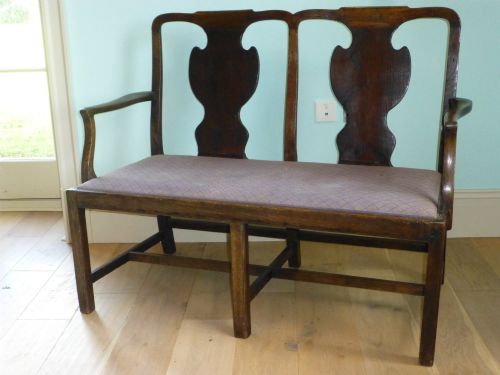
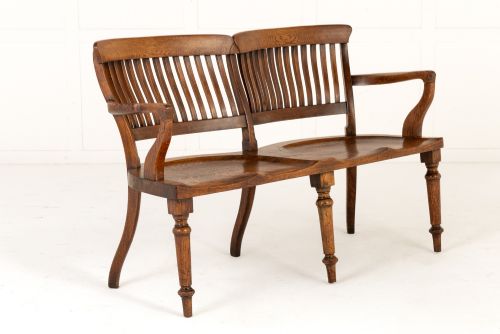
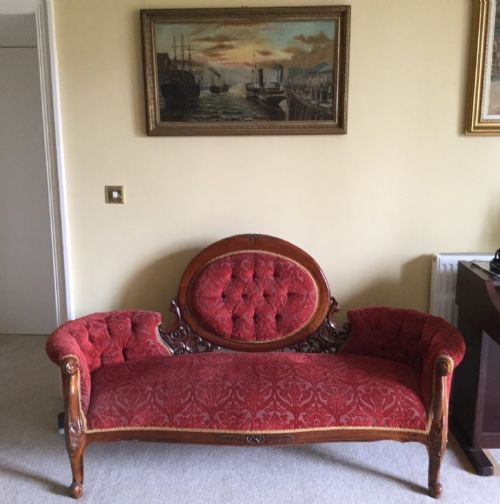
A traditional double chair typically manifests as a double chair-back settee or a two-seater sofa, drawing on Victorian, Georgian, and Edwardian design idioms. These pieces combine multiple chair backs into a single extended seat or merge seating forms to create distinctive domestic furniture.
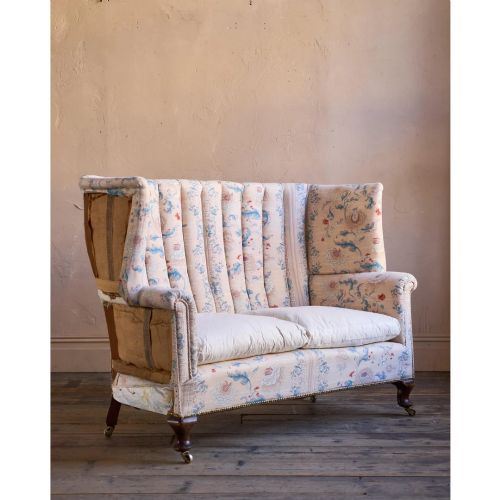
The selection ranges from oak and mahogany chair-back settees featuring ladderback or fiddle back details to upholstered double wingback sofas and low benches. Pieces span the nineteenth century through the early twentieth century, reflecting English country, Arts and Crafts, and revival styles.
Materials and construction
The structural framework relies on hardwoods such as mahogany, oak, elm, and blonde wood, joined to support extended seat bases and multiple chair backs. Carved details and fluted elements appear across mahogany and oak frames.
Upholstered variants incorporate traditional materials including hessian, fabric, and brocade, often finished with sprung settee bases or brass accents. Re-upholstery in deep pile brocade or ticking fabric frequently updates the original padded surfaces.
Traditional Double Chair Retail Price Guide 2026
Typical asking prices for traditional double chair among the pieces listed under this phrase on Sellingantiques today, from the lower quarter to the upper quarter. They describe what is for sale here now, not the wider market.
Periods represented span the nineteenth century through the Edwardian era, encompassing Victorian country and Arts and Crafts styles.
Distinctions in quality
Quality rests in the fidelity of historical revival styles, such as George II and Hepplewhite influences, paired with the structural integrity of hardwood frames. Finer examples display precise joinery in chair-back splats and well-proportioned double stretchers.
The execution of upholstery work and the selection of covering materials, from traditional ticking to deep pile brocade, contribute to the overall standard of preservation and presentation.
Howard And Sons
The Traditional Double Chair Glossary
- Chair-back settee
- A form of seating where two or more distinct chair backs are joined to form the backrest of a single bench or sofa. This design echoes traditional dining chair motifs adapted for extended seating.
- Double stretcher
- Parallel wooden crossbars positioned between the legs of a chair or bench to provide structural stability. These are frequently seen in pairs on nineteenth-century kitchen chairs and benches.
- Brocade
- A heavy, rich fabric woven with a raised pattern, often utilised in traditional upholstery. It adds texture and visual depth to period sofas and settees.
- Hessian
- A coarse woven fabric, typically made from jute fibres, used historically as a foundational backing material in upholstery. It supports the internal padding and sprung bases of antique seating.
Traditional Double Chair: Frequently Asked Questions
What is a traditional double chair?
A traditional double chair generally refers to a chair-back settee or a two-seater sofa that combines multiple chair backs or provides double seating capacity. These pieces draw on historical styles from the eighteenth to the early twentieth centuries.
They serve as practical seating while displaying the characteristic woodworking and upholstery methods of their respective periods.
How were these double chairs used?
These pieces functioned primarily as domestic seating in parlours, dining rooms, and hallways, accommodating two or more people on an extended bench or sofa base. Variations like box seat sofas also provided hidden storage.
Their dual-purpose designs combined the aesthetic of individual dining or reception chairs with the comfort of a settee.
How do I identify the period?
Period identification relies on observing timber choices, such as oak in nineteenth-century country pieces or mahogany in Georgian revival items. Structural details like fiddle backs, ladderbacks, and double stretchers also point to specific decades.
Design influences referenced in the titles, such as George II or Hepplewhite revival, further help contextualise the age of the piece.
How do I live with upholstered double chairs?
Living with these pieces involves appreciating their historical textiles, which may include modern re-upholstery in brocade, ticking fabric, or standard upholstery materials. Regular care keeps the fabric and sprung bases in sound condition.
They fit well into sitting rooms and studies as focal seating options that anchor a room with period character.