

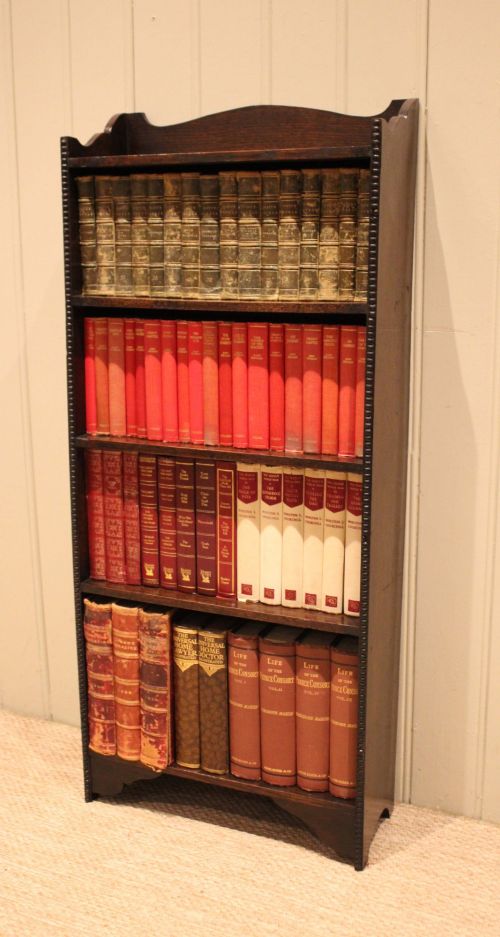
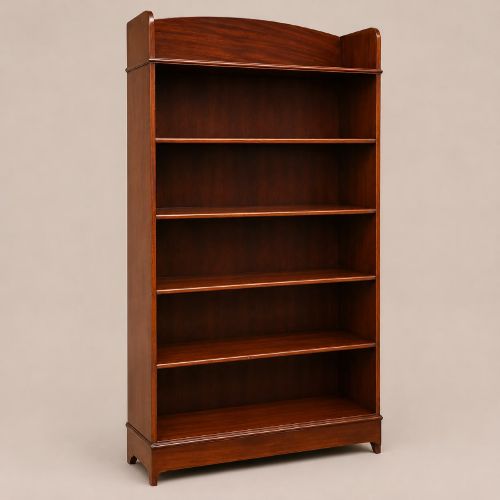
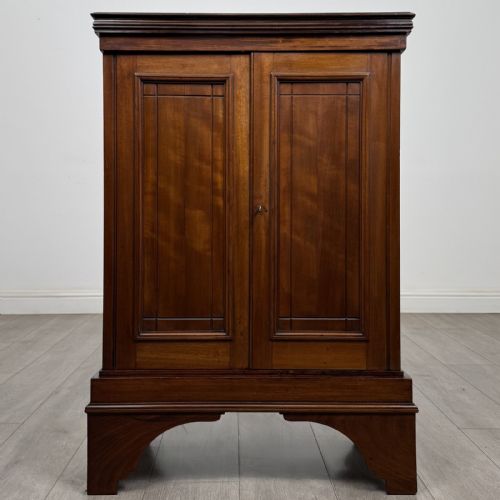
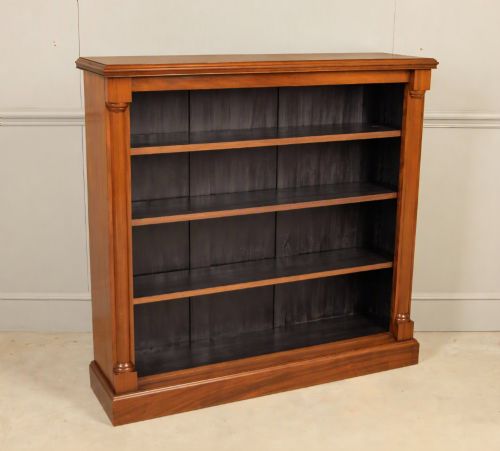
Traditional Display Unit
A traditional display unit organises books and treasures, bringing timber grain and glass panels to living spaces through open shelves and cabinets.
Traditional Display Unit
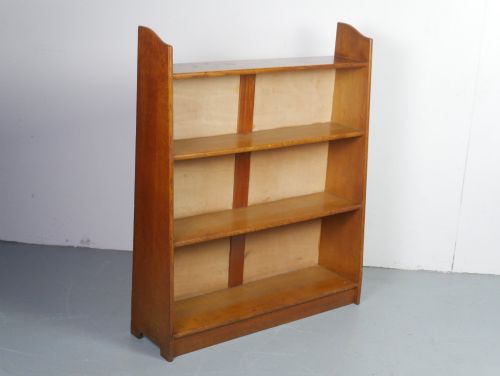
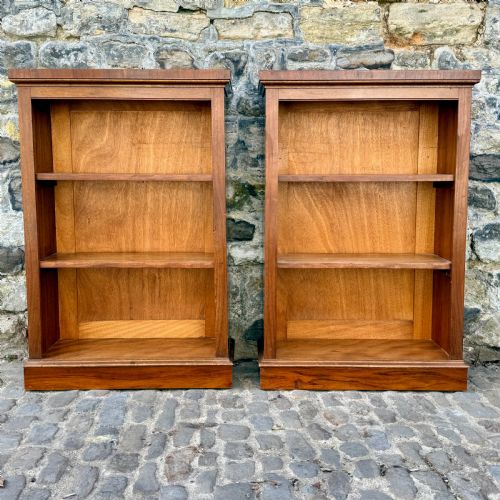
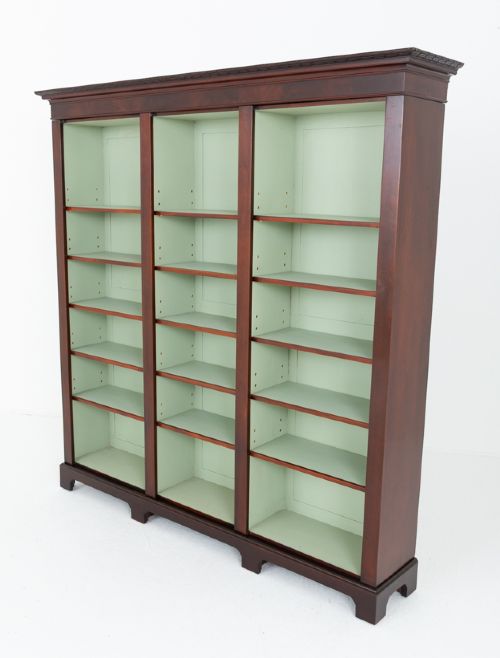
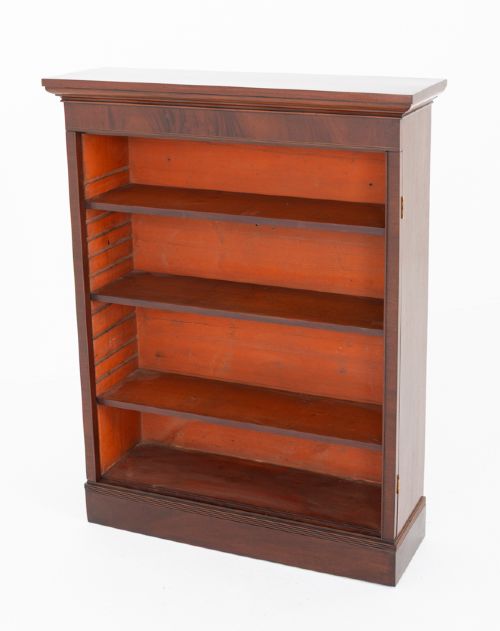
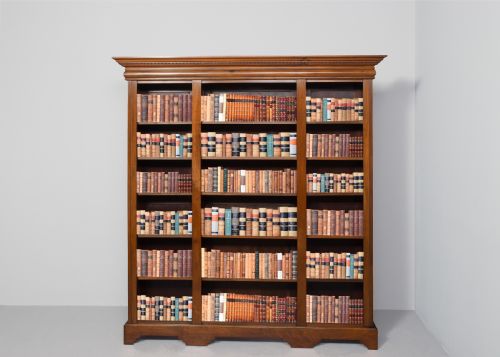
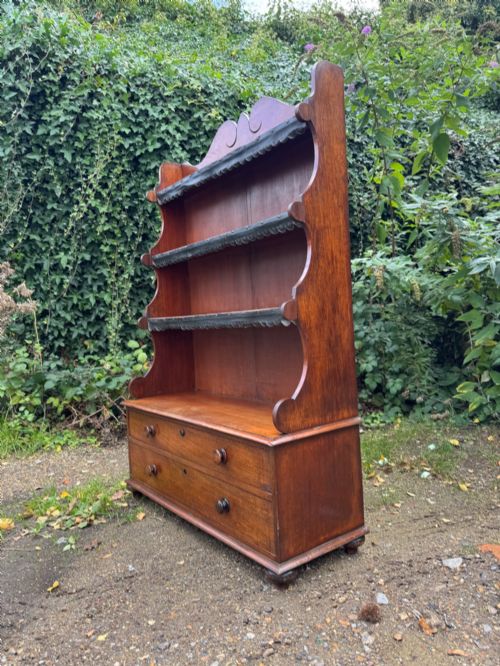
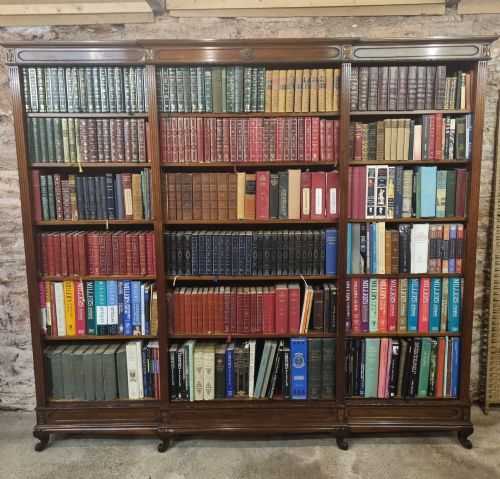
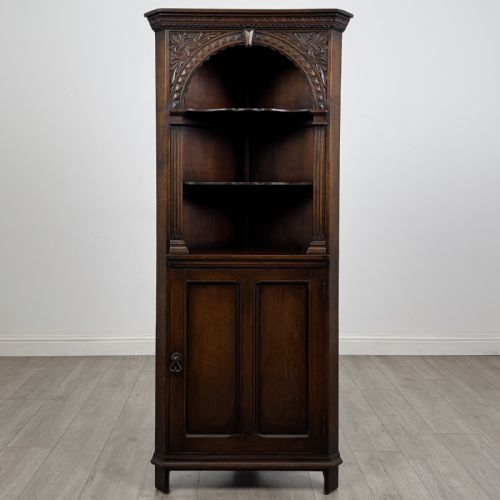
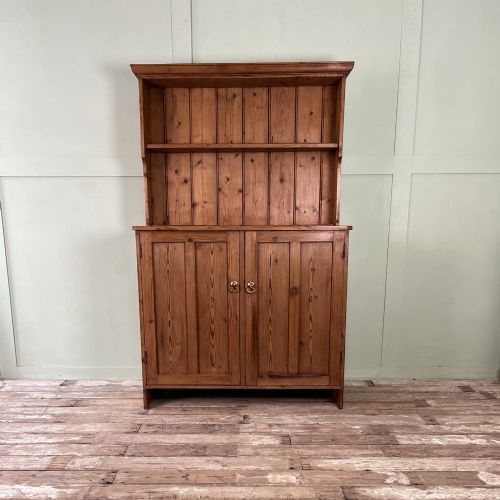
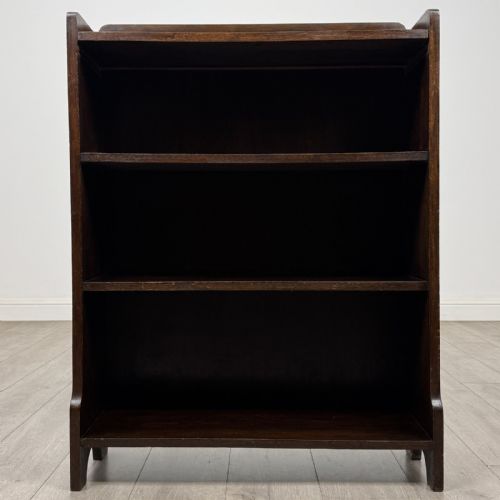
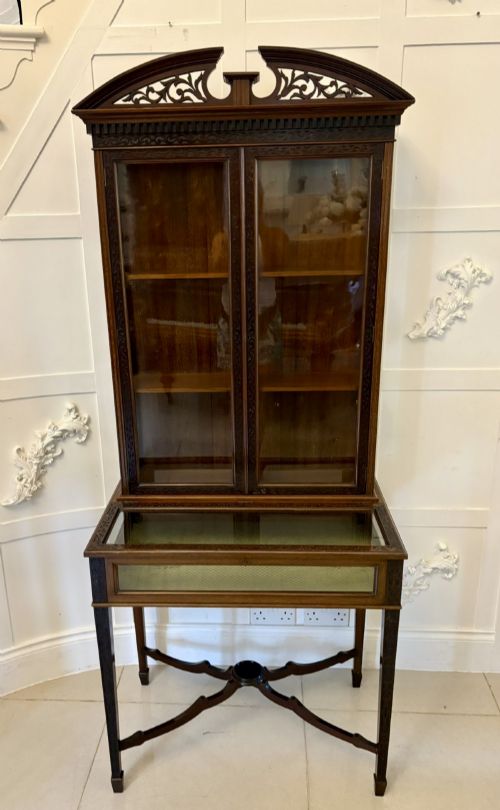
When you search for a traditional display unit, you encounter pieces designed to exhibit books, ceramics, and personal items while keeping them accessible or protected behind glass. The selection ranges from open mahogany and oak bookcases to glazed display cabinets, corner cupboards, and kitchen dressers originating from the eighteenth, nineteenth, and early twentieth centuries. Edwardian and Victorian examples dominate, often featuring adjustable shelves, raised galleries, or carved details executed in walnut, pine, and mahogany.
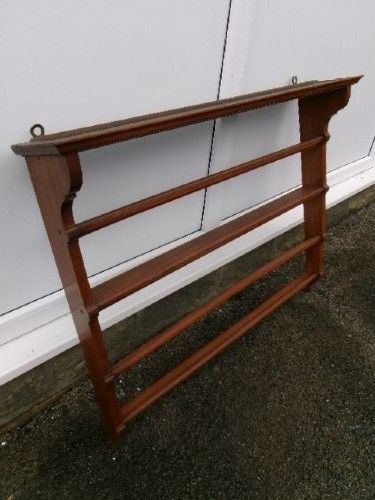
The most common forms are open bookcases and standing cabinets, alongside wall-hanging shelves and corner units designed to utilise domestic space efficiently. These items reflect the domestic requirements of their periods, providing sturdy storage solutions built from solid hardwoods and softwoods. Whether selecting a breakfront bookcase or a compact corner cupboard, you acquire a functional piece of period furniture shaped by historical cabinet-making traditions.
How they were made
Makers utilised primary timbers such as oak, mahogany, walnut, and pine, selected for their structural stability and rich grain patterns. Cabinet construction often incorporated brass hardware, iron fittings, and leaded glass panes to secure cabinet doors and support adjustable shelving systems.
Techniques relied on traditional joinery to frame open shelves, glazed doors, and raised galleries. Surfaces were finished with wax or polish to highlight the natural qualities of the wood, while decorative elements like dentil cornices and carved linenfold panels were applied by hand.
Traditional Display Unit Retail Price Guide 2026
Typical asking prices for traditional display unit among the pieces listed under this phrase on Sellingantiques today, from the lower quarter to the upper quarter. They describe what is for sale here now, not the wider market.
Listings feature items from the eighteenth, nineteenth, and early twentieth centuries, constructed in oak, mahogany, walnut, and pine.
What varies in quality
The standard of timber selection and joinery marks the difference between utilitarian storage and refined cabinet-making. Higher quality pieces display carefully matched wood veneers, such as burr walnut or plum pudding mahogany, alongside precise carving and well-fitted adjustable shelf mechanisms.
Structural integrity and the preservation of original hardware, glass, and surface finishes determine the standing of each piece. Superior examples retain their original backboards, keys, and operational doors without heavy alteration or replacement timbers.
The Traditional Display Unit Glossary
- Breakfront
- A piece of furniture where the central section projects forward from the flanking sections. This configuration adds architectural depth to large bookcases and cabinets.
- Dentil cornice
- A moulding decorated with a series of small, rectangular blocks resembling teeth. This ornamental feature runs along the top edge of classical cabinets and bookcases.
- Linenfold
- A style of wood carving that imitates folded fabric, commonly used on panelled cabinet doors. It appears frequently on pieces from revival styles.
- Raised gallery
- A low railed edge running along the top surface of a piece of furniture. It prevents items placed on top from sliding off.
- Bijouterie
- A small display cabinet with glass panels designed for showing off delicate ornaments and small collectables. These pieces often sit at table height or feature specialised interior platforms.
Traditional Display Unit: Frequently Asked Questions
What periods do these units come from?
The pieces span from the eighteenth century through the Victorian and Edwardian eras up to the nineteen-twenties. You find styles influenced by Georgian, Regency, and Jacobean revivals.
Craftsmen built these items using traditional timbers like oak, mahogany, and walnut, reflecting the prevailing design tastes of each decade.
Are the shelves adjustable?
Many of the bookcases and display cabinets feature adjustable shelving supported by wooden racks or metal pins. This allows you to alter shelf heights to accommodate books of varying sizes.
Fixed shelving also occurs, particularly in older or more utilitarian wall-hanging racks and corner cupboards.
How do I choose between open and glazed cabinets?
Open bookcases provide immediate access to books and allow for rapid arrangement of volumes. They suit everyday living spaces where ease of use is a priority.
Glazed cabinets and corner cupboards protect contents from dust and light exposure while keeping decorative ceramics and glassware visible behind glass doors.
Where should I place a corner unit?
Corner cupboards and shelving units utilise awkward room angles effectively, turning dead space into functional storage. They fit neatly into dining rooms, studies, or hallways.
Measuring your available wall span and corner angles ensures the piece sits flush against both adjacent walls.