





Traditional Display Stand
A traditional display stand anchors a room, holding everything from fine china to botanical specimens with quiet dignity.
Traditional Display Stand
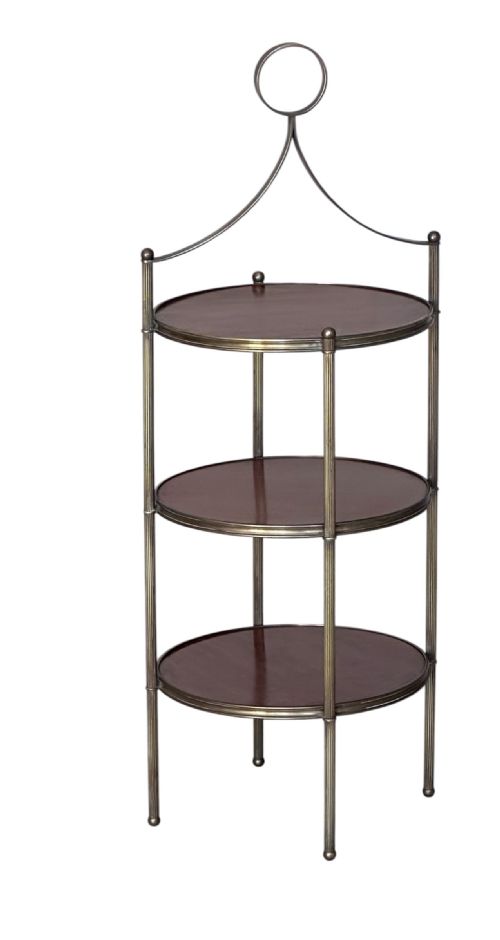
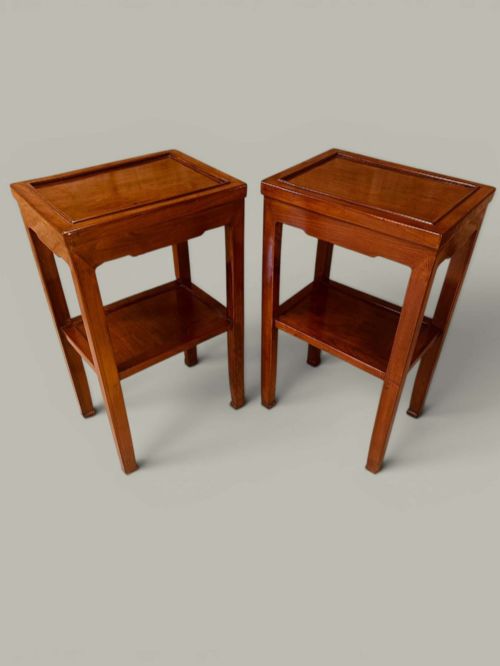
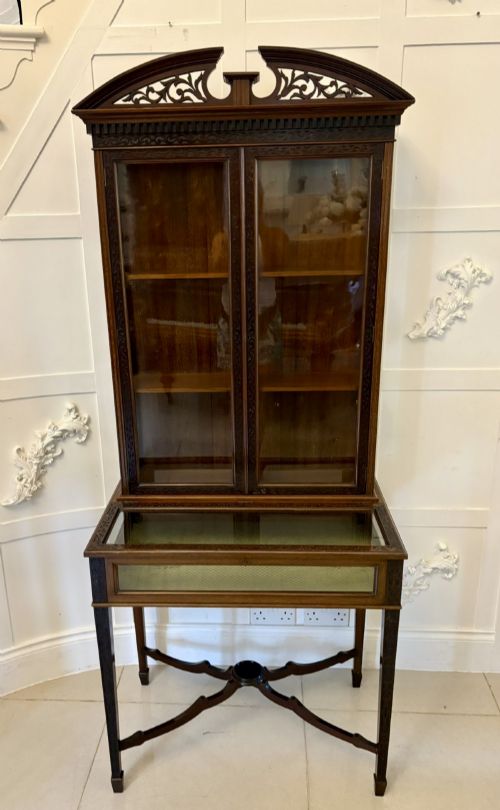
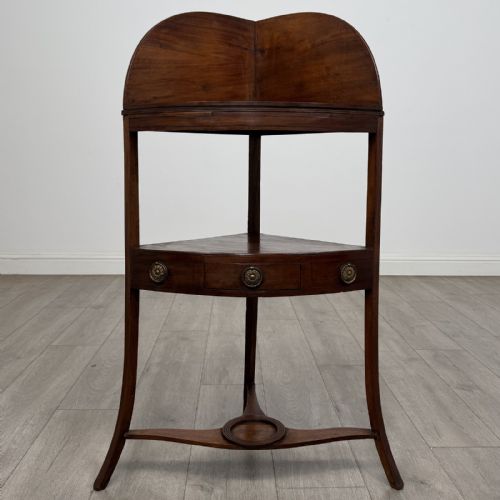
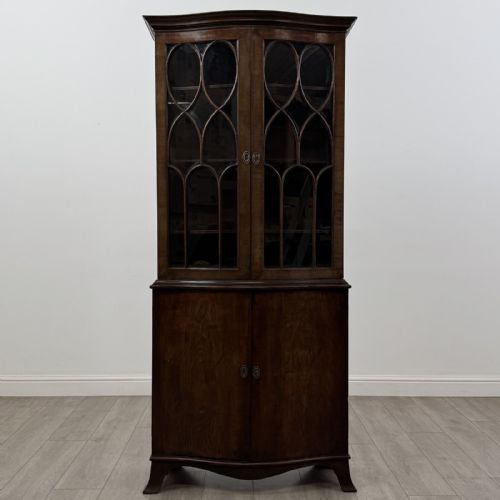
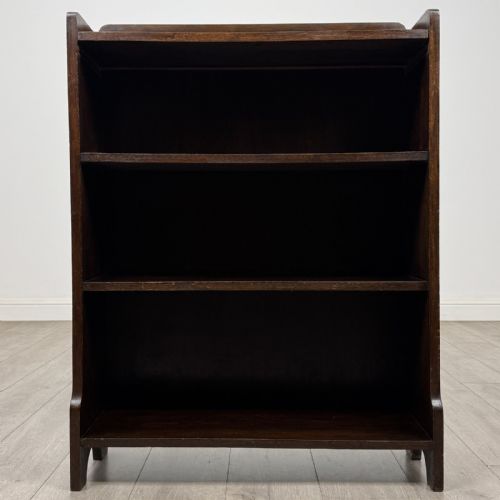
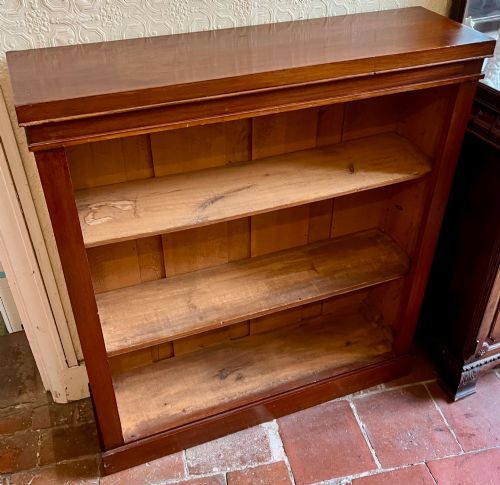
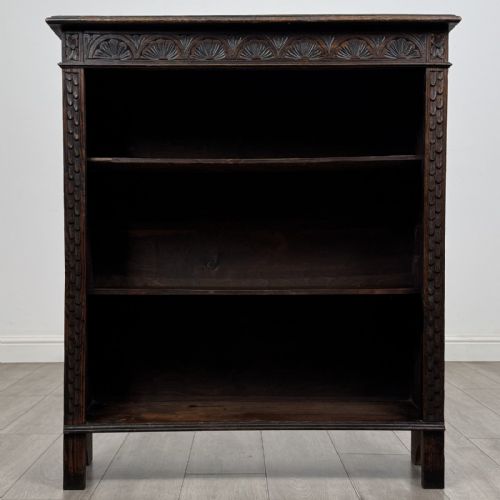
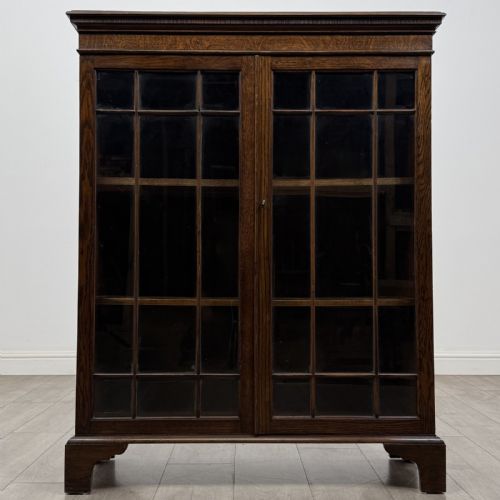
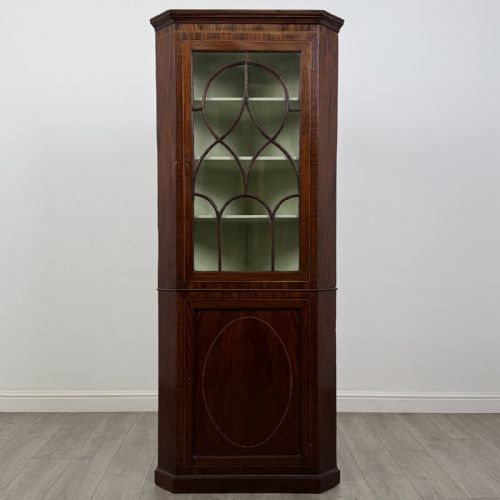
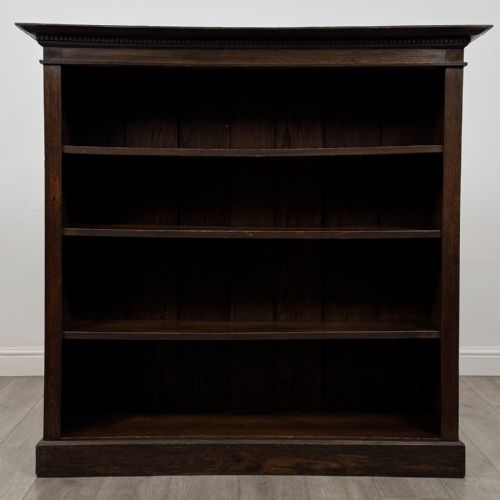
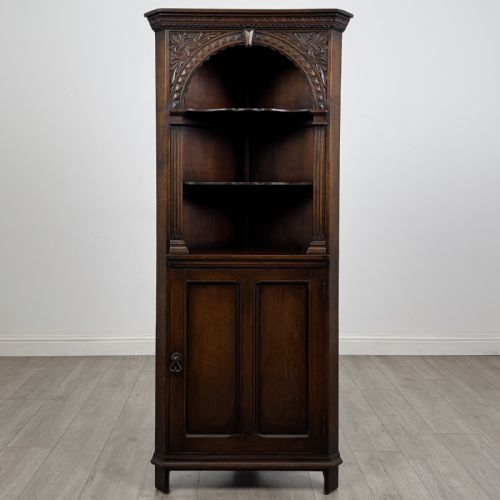
When searching for a traditional display stand, buyers encounter a diverse range of furniture types spanning multiple centuries. The selection encompasses Georgian mahogany glazed bookcases, Victorian carved oak cabinets, and Edwardian open shelving units designed for domestic utility and display. Alongside standard bookcases, the evidence reveals specialised forms including corner cupboards, side tables with cake stands, pedestals, plant stands, and occasional tables.
Edwardian oak pieces and Victorian mahogany designs dominate the listings, frequently featuring adjustable shelves, raised galleries, or glazed doors. Earlier examples from the Georgian period provide formal elegance through serpentine fronts and dentil cornices, while rustic pine pieces and Arts and Crafts items offer simpler domestic charm. Chinese pedestal stand tables and Dutch walnut torcheres further broaden the stylistic scope available to collectors.
Buyers are most likely to meet sturdy oak open bookcases and glass-fronted cabinets from the late nineteenth and early twentieth centuries. These versatile items served practical household functions in period interiors, housing books, ceramics, and ornaments. The surviving inventory reflects a rich tradition of British and continental cabinetmaking utilising robust domestic and imported timbers.
Materials and construction
Cabinetmakers relied heavily on oak and mahogany as the primary structural timbers for these stands and bookcases. Oak appears frequently in sturdy Edwardian and Victorian pieces, often exhibiting rich grain patterns or quarter-sawn figuring, while mahogany provides a dense, dark substrate for formal Georgian and Victorian glazed cabinets. Secondary timbers such as pine are utilised for internal elements or farmhouse furniture.
Traditional Display Stand Retail Price Guide 2026
Typical asking prices for traditional display stand among the pieces listed under this phrase on Sellingantiques today, from the lower quarter to the upper quarter. They describe what is for sale here now, not the wider market.
Listings feature oak and mahogany predominantly, complemented by walnut, pine, and brass across Victorian and Edwardian forms.
Distinctions in craftsmanship
Quality in these traditional pieces rests upon the selection of timber and the precision of the joinery. Superior examples display carefully matched grain, particularly in mahogany and walnut veneers, alongside crisp hand-carving on panels and cornices. Lesser pieces utilise plain, utilitarian construction with minimal decorative embellishment.
The integration of functional hardware, such as adjustable shelf brackets and fitted keys for corner cupboards, separates standard utility furniture from finer commissions. Finishes also dictate standing, where traditional polish highlights the natural depth of the wood rather than masking the surface with modern synthetic lacquers.
Ercol
The Traditional Display Stand Glossary
- Dentil cornice
- A classical architectural moulding characterised by a repeating pattern of small rectangular blocks. This decorative feature frequently crowns the top of formal Georgian and Edwardian bookcases.
- Torchere
- A tall stand designed to support a candelabrum, lamp, or decorative object. These slender wooden pedestals often feature carved shafts and tripod bases.
- Waterfall bookcase
- A tiered shelving unit where each successive shelf is slightly deeper than the one above, creating a cascading profile. This open form gained popularity during the Victorian era.
- Raised gallery
- A low decorative railing or border positioned along the top edge of a piece of furniture. It prevents items from sliding off the surface.
- Serpentine front
- A furniture facade characterised by a gently curving line, typically convex in the centre and concave at the sides. This sophisticated shaping requires advanced woodworking skill.
Traditional Display Stand: Frequently Asked Questions
How do I choose the right display stand?
Consider the available floor space and the specific items you intend to place upon or within the furniture. Open bookcases suit everyday book collections, whereas glazed cabinets protect delicate porcelain and glassware from dust.
Matching the period timber, such as oak or mahogany, to existing interior furnishings ensures aesthetic cohesion. Assess whether adjustable shelving is necessary for accommodating varying object heights.
What is a torchere stand used for?
A torchere serves as an elevated platform for displaying decorative objects, sculptures, or floral arrangements. Historically, these tall stands held lighting fixtures to illuminate dark corners of reception rooms.
Today, collectors utilise them as focal points in hallways or living spaces to showcase single statement pieces at eye level.
How do I care for antique wood furniture?
Maintain a stable indoor environment away from direct sunlight and rapid temperature fluctuations to prevent timber from warping or splitting. Dust regularly with a soft, dry cloth to protect the polished surface.
Apply traditional beeswax periodically to nourish the wood and preserve its natural lustre without building up artificial residues.