
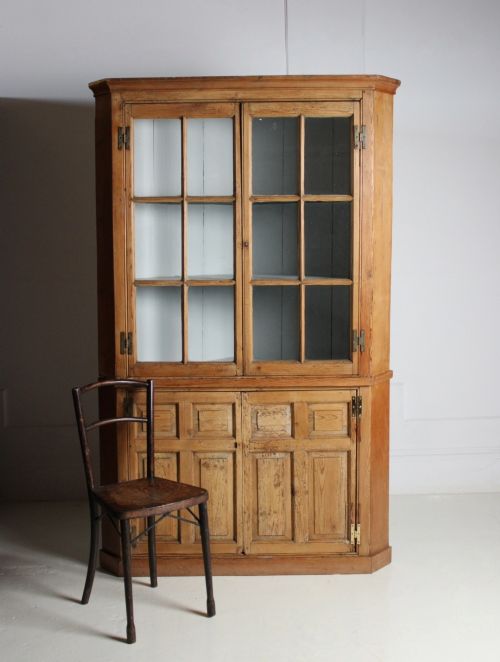
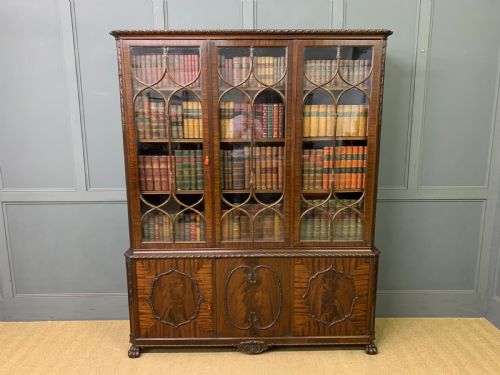
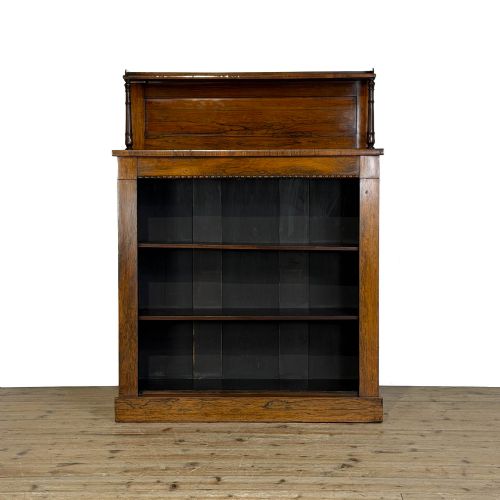
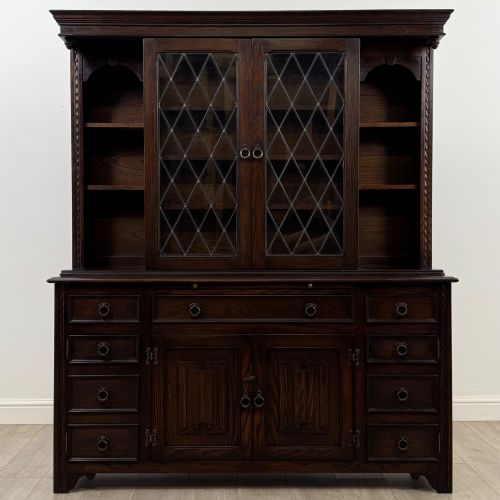
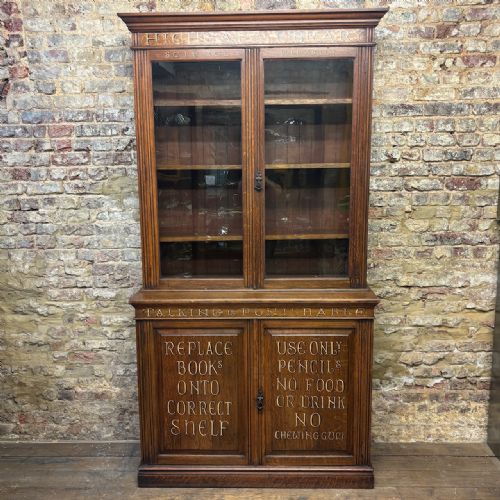

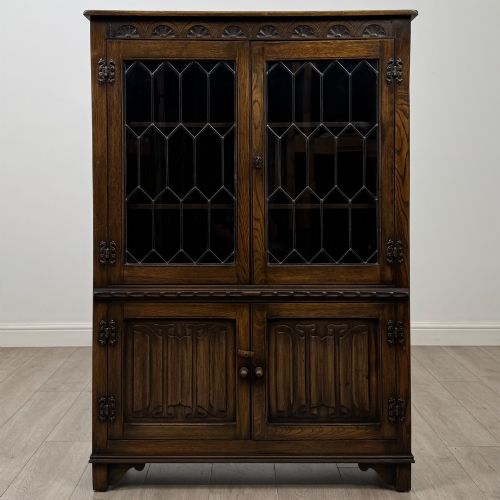
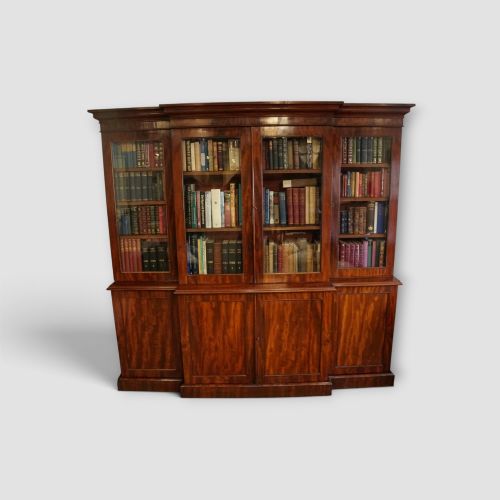
Traditional Display Cabinet
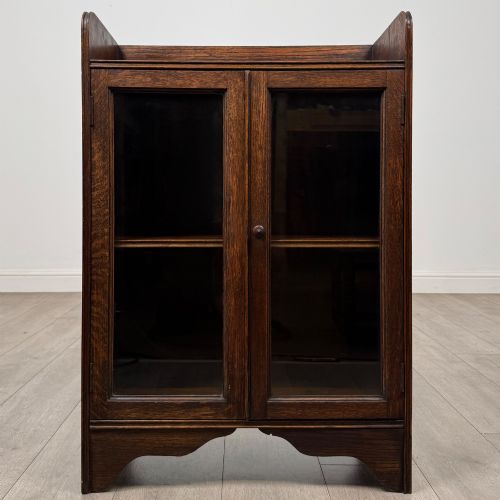
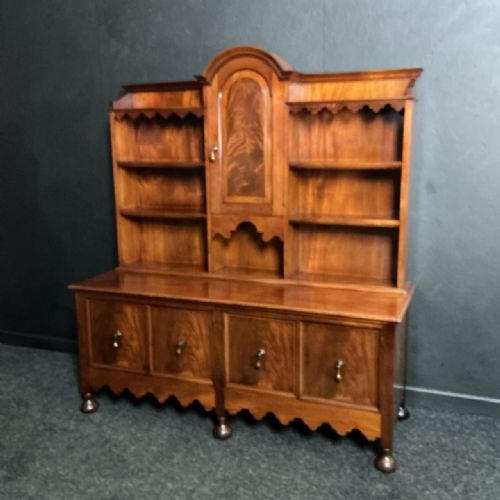
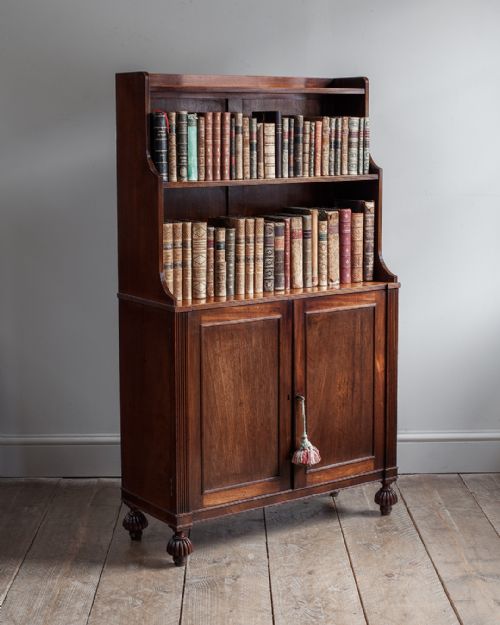
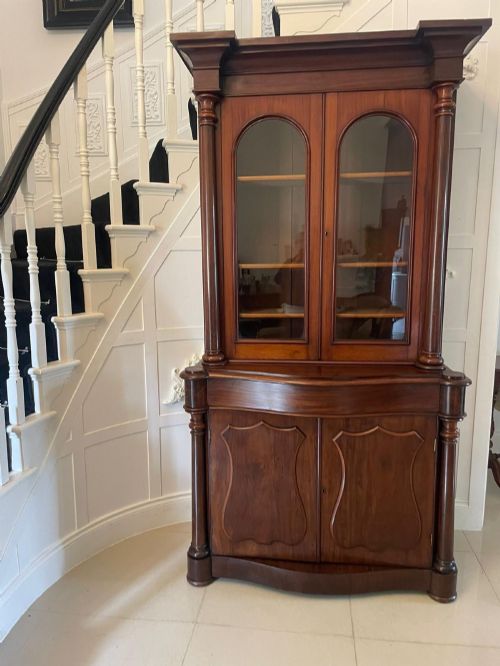
A traditional display cabinet brings architectural order and protected visibility to collections, housing everything from glazed bookcases to carved oak storage.
Traditional Display Cabinet
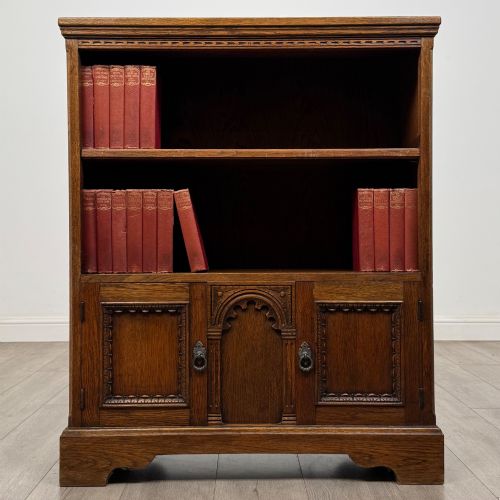
A traditional display cabinet encompasses various forms of timber storage, with oak and mahogany dominating the pieces found here. These items bridge utilitarian kitchen furniture and formal parlour pieces.
The selections span multiple eras, notably Victorian and Edwardian periods, alongside Georgian influences and 1930s reproductions. Buyers frequently encounter oak bookcases and glazed dressers rather than solely singular freestanding vitrines.
Origins stretch across English country workshops, Scottish joinery, and Welsh domestic furniture production. Regional variations bring distinct timber choices such as tiger oak, pine, and walnut.
Materials and construction methods
Cabinetmakers utilised solid hardwoods like oak, mahogany, and walnut alongside domestic pine for carcases and shelving. Brass hardware, lead framing for glass panels, and iron fittings provided structural and decorative support.
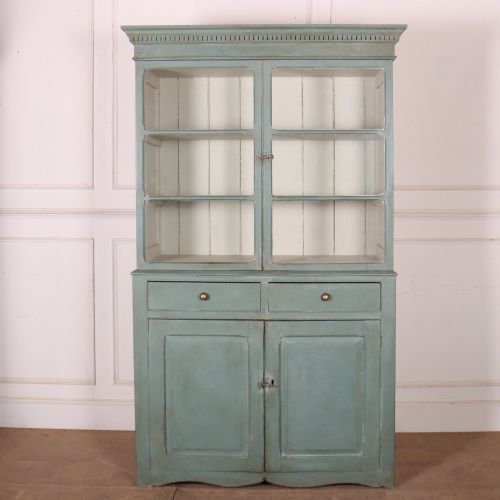
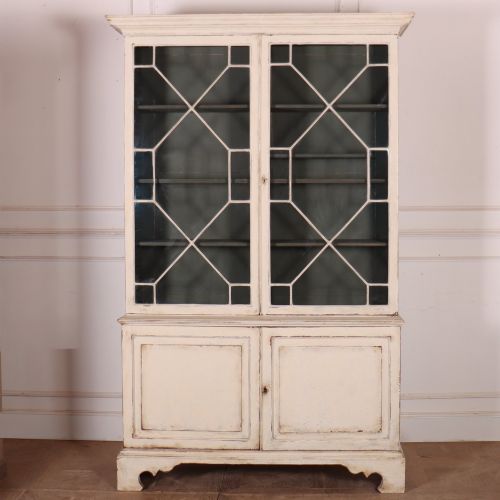
Glazing techniques secured glass panes within timber door frames to protect books and ceramics while maintaining visibility. Carving, linenfold panelling, and painted finishes or waxed patinas added surface decoration to structural frames.
Listings span the 18th, 19th, and 20th centuries, featuring woods such as oak, mahogany, rosewood, walnut, and pine.
Factors influencing execution and refinement
The choice of primary timber sets the initial tier of a piece, with figured burr walnut, rosewood, and quarter-sawn oak sitting above standard pine and utilitarian deal. Timber selection dictates both the visual depth and the structural longevity of the cabinetry.
Joinery execution distinguishes standard workshop production from finer cabinet work, evident in the precision of glazed doors, panel fitting, and carved details. Original patination and untouched surface finishes further elevate the integrity of surviving examples.
The Traditional Display Cabinet Glossary
- Breakfront
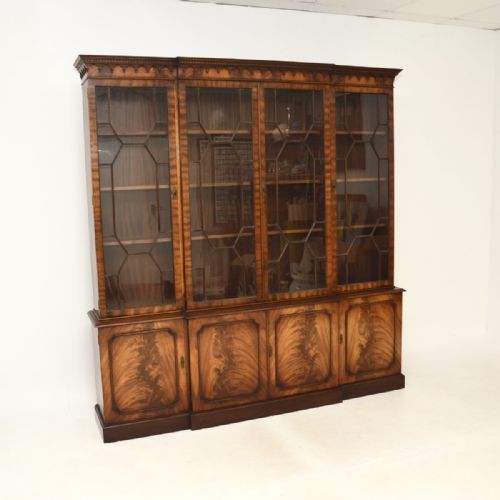
- A piece of furniture where the central section projects forward from the flanking wings. This architectural arrangement creates depth and shadow across large bookcases and cabinets.
- Glazed
- Fitted with glass panels within doors or sides to display contents while protecting them from dust. These panels often use lead or timber glazing bars to hold individual panes.
- Linenfold
- A style of wood carving that imitates folded linen drapery, frequently seen on panelled cupboard doors. This motif gained particular popularity during revival periods inspired by Tudor design.
- Tiger oak
- Oak timber displaying strong medullary rays that resemble tiger stripe markings. This figuring occurs naturally when quartersawn lumber reveals the growth rings.
- Welsh dresser
- A traditional kitchen or dining room combination piece featuring base cupboards or drawers surmounted by open plate shelves. These practical units served for both food preparation and tableware storage.
Traditional Display Cabinet: Frequently Asked Questions
How do I choose between a bookcase and a display cabinet?
Bookcases generally feature open shelving designed for book storage and accessible reference collections.
Display cabinets incorporate glazed doors to protect fragile ceramics, glassware, and decorative objects from dust while keeping them visible.
What is the difference between Victorian and Edwardian oak cabinets?
Victorian oak pieces often display heavier proportions, darker finishes, and deep relief carvings typical of revival styles.
Edwardian cabinets tend to feature lighter Golden Oak tones, cleaner lines, and smaller overall dimensions suited to changing domestic spaces.
How were kitchen dressers used traditionally?
Kitchen dressers functioned as the heart of domestic life for food preparation and storage.
Lower cupboards held heavy pots and provisions while upper plate racks displayed everyday ceramic tableware within easy reach.
Can I place a wooden cabinet in direct sunlight?
Direct sunlight causes natural timber to dry out and historical finishes to fade over time.
Positioning cabinets away from intense windows protects both the wood patina and the displayed contents.