



Traditional Dining Room Suite
A traditional dining room suite anchors a room with enduring wood and formal seating.
Traditional Dining Room Suite
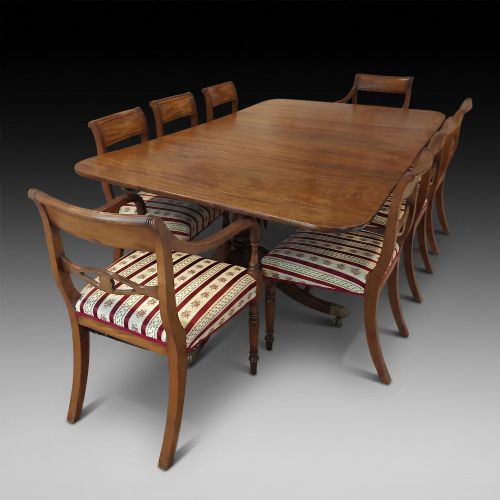
A traditional dining room suite brings together matching tables and seating for formal entertaining and family meals. Buyers exploring a traditional dining room suite encounter comprehensive sets and chair collections designed to furnish complete spaces.
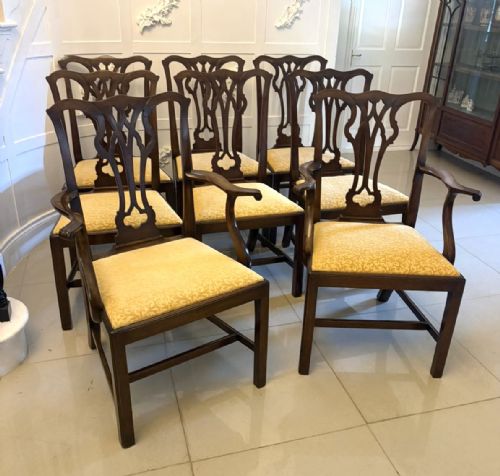
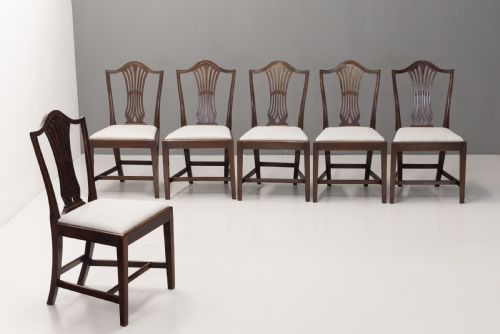
The selections span distinct historical periods from the Georgian and Regency eras through to later Victorian and Edwardian revivals. Sets range from intimate six-piece configurations to larger groupings of eight or nine pieces including carver and single chairs.
Mahogany and oak dominate the forms, frequently paired with fabric, velvet or textile upholstery on the seats. Pieces reflect established historic designs including Chippendale, Jacobean and Queen Anne revivals alongside genuine period examples.
How they were made
Cabinetmakers and joiners constructed these suites using dense hardwoods such as mahogany and oak, selected for structural stability and rich grain patterns. Timber frames were shaped and joined to endure daily use around the dining table.
Seating components incorporate traditional upholstery methods, utilising materials like fabric, velvet, and textile over padded foundations. Brass details appear occasionally on hardware and castors, adding functional and decorative accents to tables and chairs.
Traditional Dining Room Suite Retail Price Guide 2026
Typical asking prices for traditional dining room suite among the pieces listed under this phrase on Sellingantiques today, from the lower quarter to the upper quarter. They describe what is for sale here now, not the wider market.
Carver chairs provided the host with extra elbow room for carving the roast while maintaining proper dining etiquette.
What varies in quality
The refinement of the carving and the selection of timber figure distinguish simpler production from superior craftsmanship. Finer sets display crisp detail in wooden elements like splats and legs, whereas lesser examples show plainer execution.
Completeness and matching integrity influence the standing of a suite, particularly in sets assembled from carver and single chairs. Original upholstery materials and period brass fittings elevate the character compared to later replacements.
The Traditional Dining Room Suite Glossary
- Carver
- An armchair with armrests, traditionally placed at the heads of a dining table. These often accompanied sets of smaller side chairs.
- Single chair
- A dining chair without arms, also known as a side chair. These make up the majority of seats within a standard dining set.
- Jacobean revival
- A heavy, revivalist style popular in the late nineteenth and early twentieth centuries. It mimics seventeenth-century English oak furniture with deep carved motifs and straight lines.
- Extending dining table
- A table equipped with mechanisms or leaves to expand the surface area. This allows the table to accommodate larger gatherings when needed.
Traditional Dining Room Suite: Frequently Asked Questions
What pieces make up a suite?
A suite typically includes a dining table accompanied by a matching set of chairs. These sets often comprise a mix of single chairs and larger carver chairs.
Configurations vary in total piece count depending on the original commission or manufacturer. Some groupings provide seating for six, eight, or nine diners.
How do I date these sets?
Dating relies on identifying the prevailing stylistic revivals and construction techniques used in the woodwork. Georgian and Regency examples display distinct classical proportions, while Edwardian and later revival pieces draw on earlier motifs.
Material choices also offer clues, with mahogany favored in earlier formal periods and oak prominent in revival interpretations. Upholstery fabrics often reflect later re-covering rather than original installation.
Are carver chairs necessary?
Carver chairs serve as the primary head-of-table seating within traditional dining arrangements. They offer armrests for added comfort during formal meals.
Many historic sets pair a small number of carvers with several armless single chairs. This combination balances functional seating capacity with traditional hierarchy around the table.
How should I care for mahogany?
Mahogany requires stable indoor humidity levels to prevent timber movement or splitting. Direct sunlight should be avoided to protect the rich colour of the wood grain.
Routine maintenance involves dusting with a soft cloth and applying appropriate wood care products sparingly. Upholstered sections benefit from gentle vacuuming and professional cleaning when necessary.