




Traditional Dining Room Furniture
Traditional dining room furniture gathers family and guests around solid timber tables and matched sets of chairs built to last generations.
Traditional Dining Room Furniture
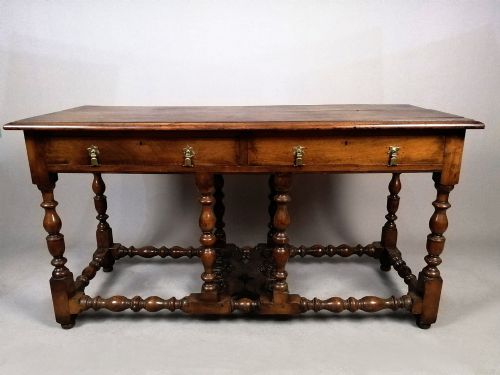
Traditional dining room furniture comprises the tables, chairs, sideboards and dressers that furnish spaces for communal dining. Buyers seeking traditional dining room furniture encounter pieces spanning the eighteenth, nineteenth and twentieth centuries.
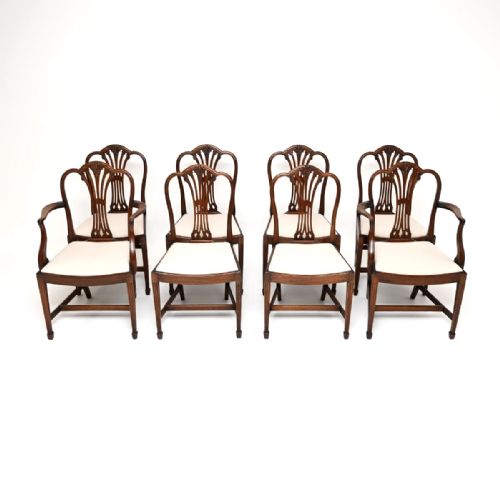
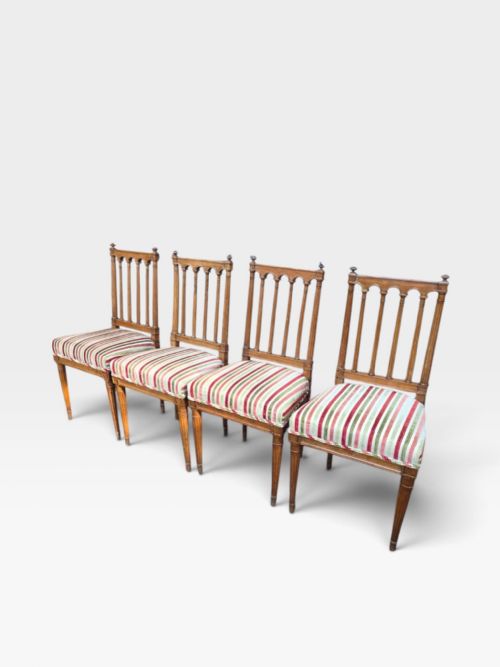
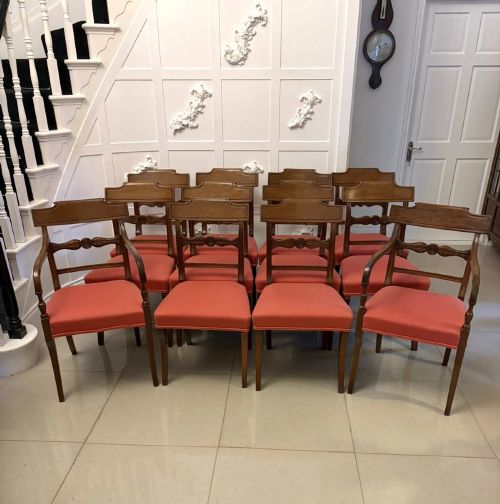
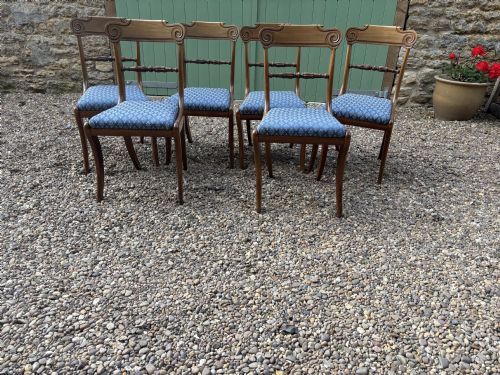
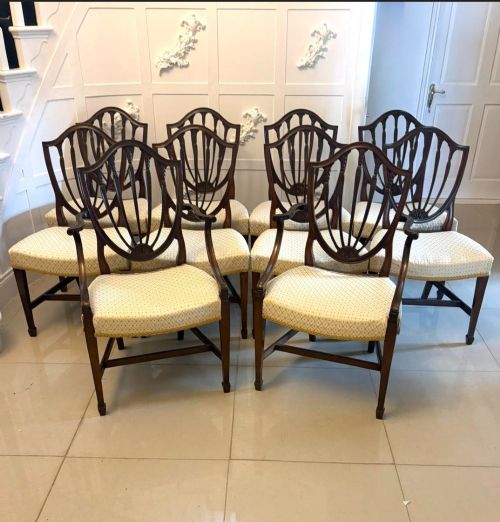
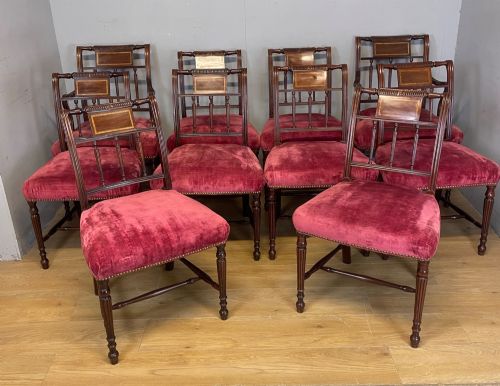
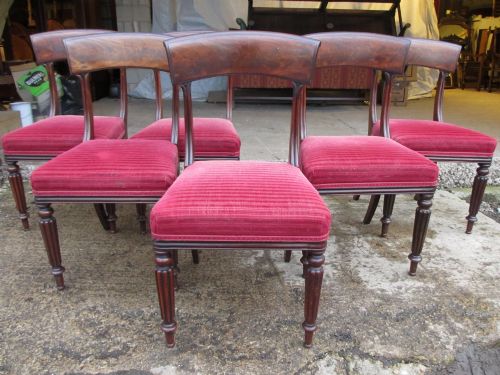
The selections on this page lean heavily towards mahogany and oak dining chairs, often found in large sets alongside extending tables and timber dressers. Styles range from Georgian and Regency through to Victorian, Edwardian and later revivals.
Forms include sets of carver and side chairs, Welsh dressers, sideboards, pedestal bases and dumb waiters. These pieces reflect the formal and domestic dining arrangements of past British households.
Assessing Quality
Quality in these dining pieces lies in the selection of timber and the precision of the cabinet work. Superior items display well-figured mahogany or quarter-sawn oak, tight joinery and intact original carving or inlay.
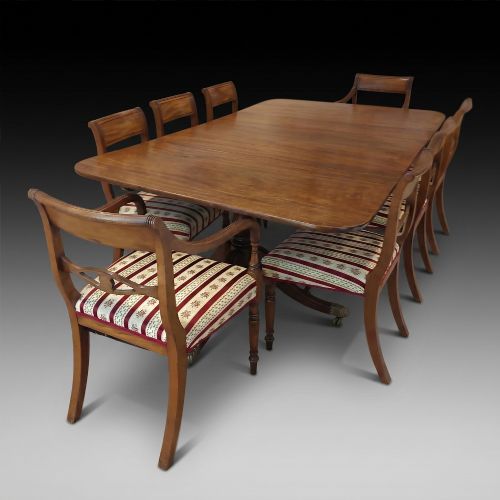
Sets of chairs demonstrate quality through matching timber selection across every frame, firm structural integrity and comfortable proportions. Tables exhibit smooth extension actions and stable pedestal or leg supports.
Traditional Dining Room Furniture Retail Price Guide 2026
Typical asking prices for traditional dining room furniture among the pieces listed under this phrase on Sellingantiques today, from the lower quarter to the upper quarter. They describe what is for sale here now, not the wider market.
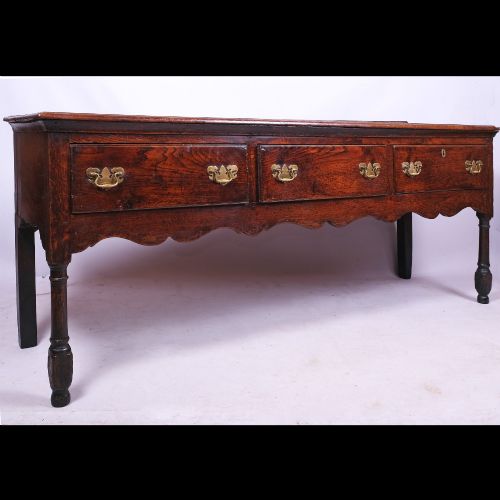
Storage forms on this page include Welsh dressers, mirrorback sideboards and three-tier metamorphic dumb waiters.
Rushworth's·Maple And Co·Holland And Sons
The Traditional Dining Room Furniture Glossary
- Carver
- An armchair designed with armrests, traditionally placed at the head of a dining table for the host. These often match a larger set of smaller side chairs.
- Dumb waiter
- A tiered freestanding sideboard or serving table fitted on a central column, used to hold dishes and cutlery near the dining table.
- Welsh dresser
- A traditional kitchen and dining storage piece combining lower cupboards or drawers with open shelving above for display. They are frequently constructed in oak.
- Extending dining table
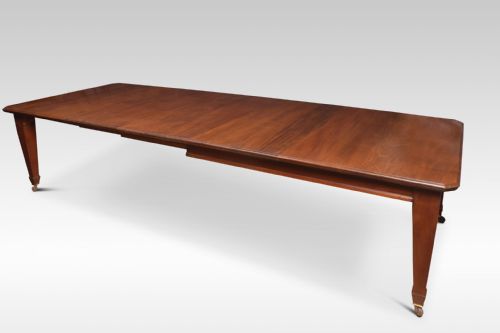
- A table designed with internal leaves and a sliding mechanism to lengthen the top for larger gatherings. The mechanism often relies on timber runners and brass clips.
- Shield back
- A chair backrest shaped like a heraldic shield, popular in late eighteenth-century design and later revivals. This form required skilled woodworking to achieve curved timber frames.
Traditional Dining Room Furniture: Frequently Asked Questions
How many chairs come in a standard dining set?
Sets vary widely, ranging from four chairs up to twelve or fourteen pieces for larger dining rooms. Many larger sets include a combination of standard side chairs and one or two carver armchairs.
Buyers should check listings carefully to confirm the exact count of side chairs and carvers included in a suite.
How do I care for antique mahogany dining tables?
Protect timber surfaces from direct heat and moisture by using mats and coasters during meals. Regular polishing with traditional beeswax maintains the lustre of the wood without building up synthetic residue.
Avoid placing antique tables in direct sunlight to prevent uneven fading of the mahogany grain over time.
How do extending tables operate without modern metal tracks?
Older extending tables utilise timber pull-out runners and wooden glide tracks fitted beneath the top. Additional leaves drop into the centre aperture and are secured with brass clips or wooden pegs.
These mechanical systems require occasional wax lubrication to ensure smooth operation when adjusting the table length.