

Traditional Dining Furniture
Traditional dining furniture gathers people around tables of mahogany, oak, and walnut, offering enduring utility for the home through centuries of design.
Traditional Dining Furniture
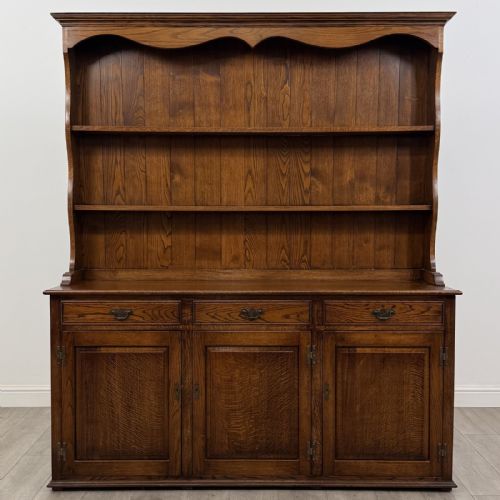
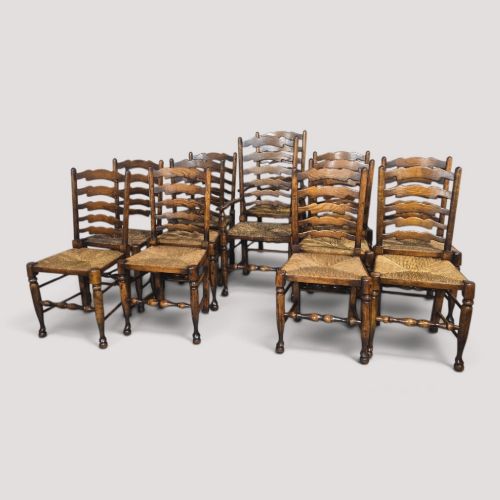
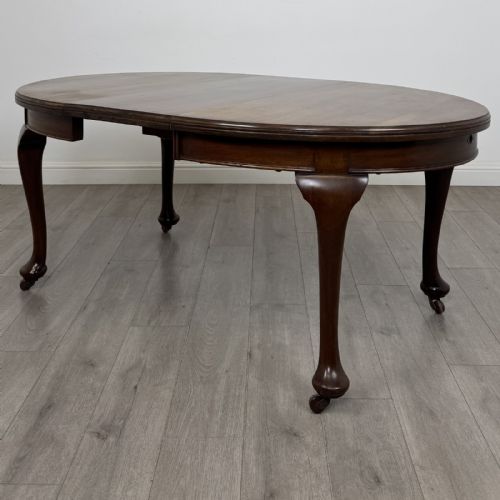
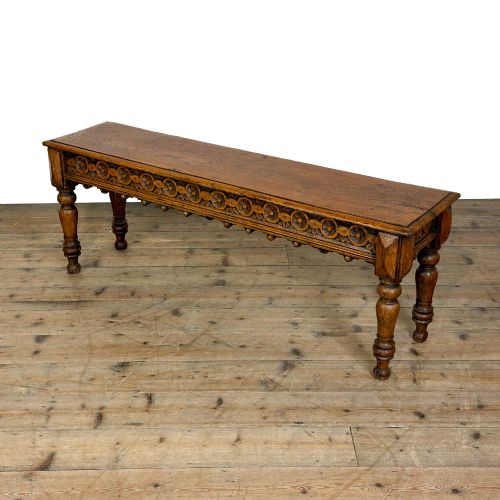
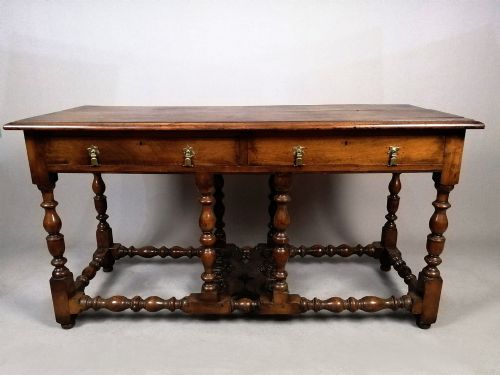
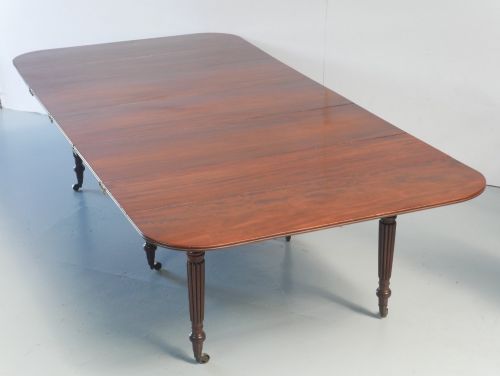
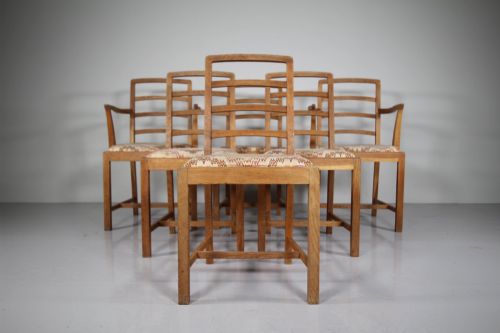
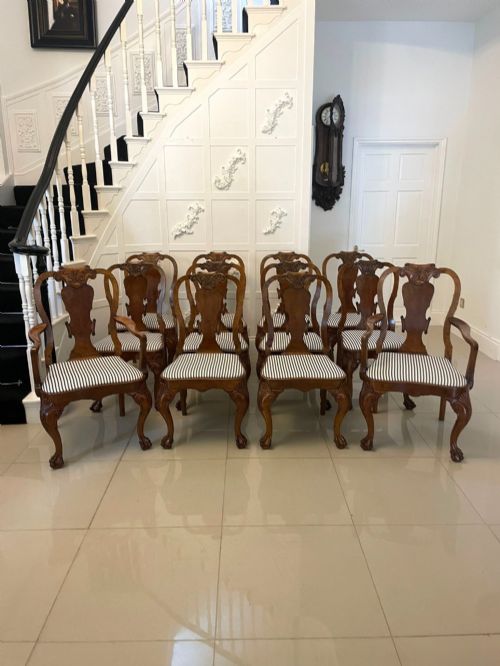
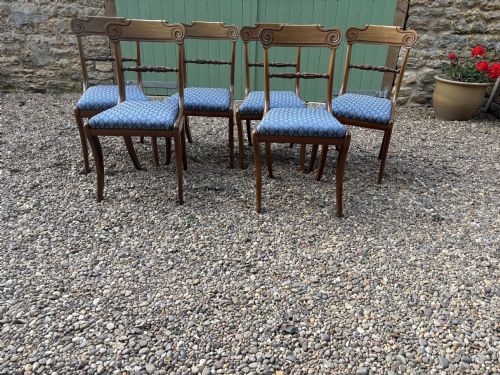
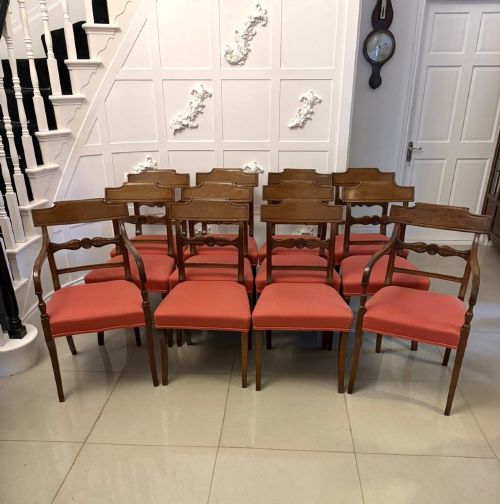
Traditional dining furniture encompasses dining tables, chairs, benches, sideboards, and dressers spanning periods from the seventeenth century through the early twentieth century. When exploring traditional dining furniture, one encounters matching sets of mahogany chairs, refectory oak tables, and substantial sideboards.
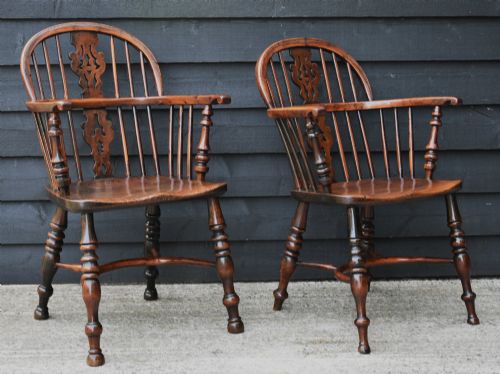
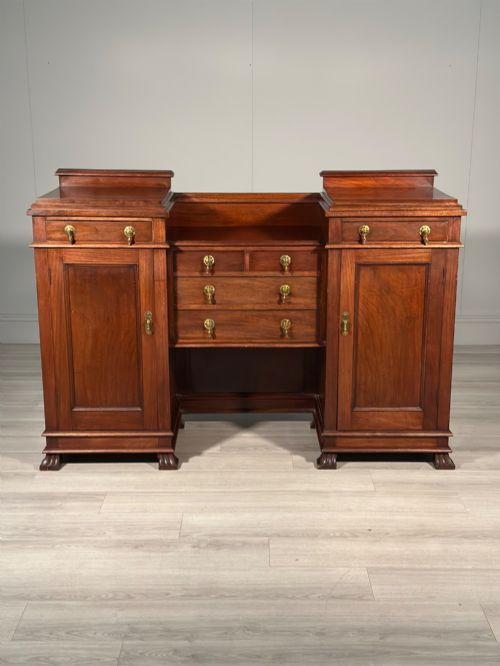
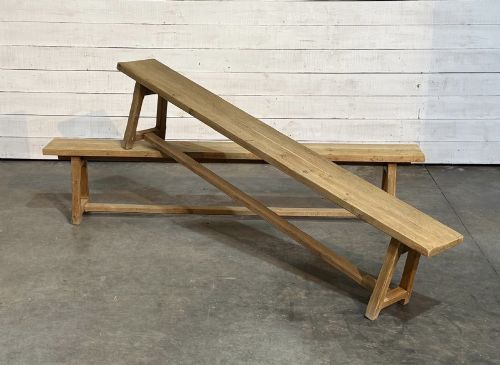
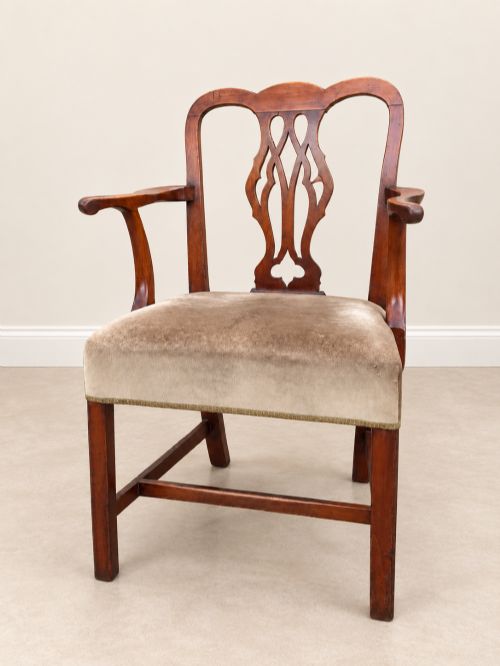
The selection ranges from formal Georgian and Regency mahogany pieces to rustic elm, ash, and pine country seating. Dining tables appear in extending formats alongside single-plank refectory designs, accompanied by armchairs, side chairs, and church pews.
Origins span English, French, and regional workshops, reflecting styles from Arts and Crafts to Victorian and Edwardian aesthetics. These pieces serve daily meals while retaining the character of past centuries.
Materials and construction methods
Cabinet makers utilised dense hardwoods such as mahogany, oak, walnut, and elm, selecting timber for strength and grain pattern. Tables and chairs frequently employ traditional joinery methods, including mortise and tenon joints, to withstand regular use.
Secondary timbers like pine and ash appear in functional components and country seating, while brass hardware provides structural or decorative accents. Surfaces receive polished finishes that highlight the natural figure of figured mahogany and burr walnut.
Traditional Dining Furniture Retail Price Guide 2026
Typical asking prices for traditional dining furniture among the pieces listed under this phrase on Sellingantiques today, from the lower quarter to the upper quarter. They describe what is for sale here now, not the wider market.
Periods represented range from the seventeenth century through the Edwardian era and the mid-twentieth century.
Distinctions in quality and execution
Superior examples distinguish themselves through the selection of timber, such as highly figured mahogany or single-plank elm tops without excessive patching. Carved details on chair backs, legs, and sideboards demonstrate the hand of a skilled artisan rather than routine production.
Proportion and structural integrity separate exceptional sets from standard alternatives, particularly in large dining chair sets where matching uniformity matters. The retention of original patination and surfaces indicates careful stewardship over generations.
Rushworth's·Heals of London·Maple & Co
The Traditional Dining Furniture Glossary
- Refectory table
- A long dining table historically used in monasteries and large halls, typically constructed from oak with substantial legs and stretchers.
- Draw-leaf table
- An extending table featuring hidden leaves beneath the main top that pull out to lengthen the surface.
- Ladder back
- A chair back featuring horizontal slats resembling the rungs of a ladder, common in vernacular country seating.
- Carver
- An armchair designed to match a set of dining side chairs, often placed at the head of the table.
- Patina
- The surface sheen and coloration developed through age, handling, and regular polishing over many decades.
Traditional Dining Furniture: Frequently Asked Questions
How do I choose the right table size?
Consider the number of regular diners and the physical space available in the room, remembering that extending tables offer flexibility for larger gatherings.
Account for chair pull-out space and circulation routes around the furniture to ensure comfortable daily use.
Can I mix different wood tones?
Mixing woods such as oak and mahogany is an established practice in interior decoration, provided the overall proportions complement one another.
Matching periods or keeping similar design scales helps unify disparate pieces within the same dining space.
How do I care for antique wood surfaces?
Maintain timber surfaces by dusting with a dry cloth and applying traditional beeswax periodically to nourish the grain.
Protect wood from direct heat sources and excessive moisture to preserve the finish and prevent timber movement.
What defines a set of dining chairs?
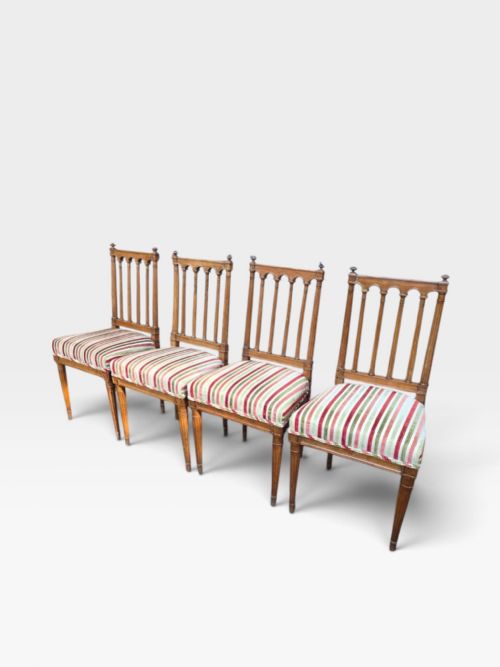
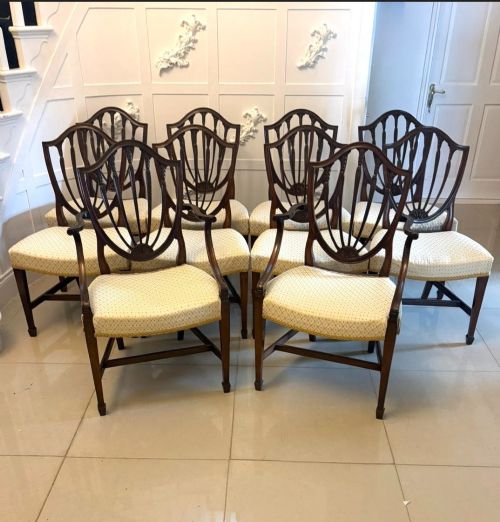
A matched set typically shares identical wood species, turning styles, upholstery details, and overall dimensions across all pieces.
Larger sets often include a pair of matching armchairs alongside a greater number of side chairs.