
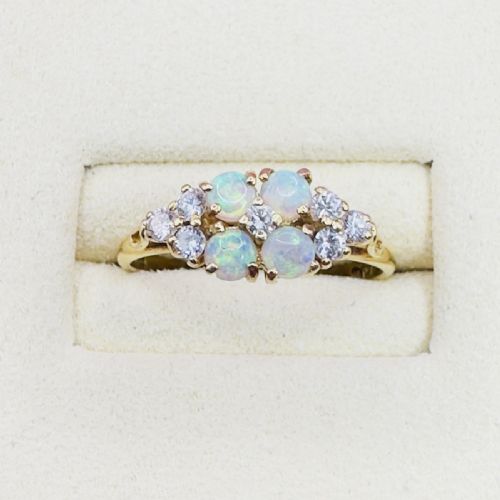


Traditional Diamond Engagement Ring
A traditional diamond engagement ring carries enduring sentiment, pairing precious stones with classic gold or platinum settings.
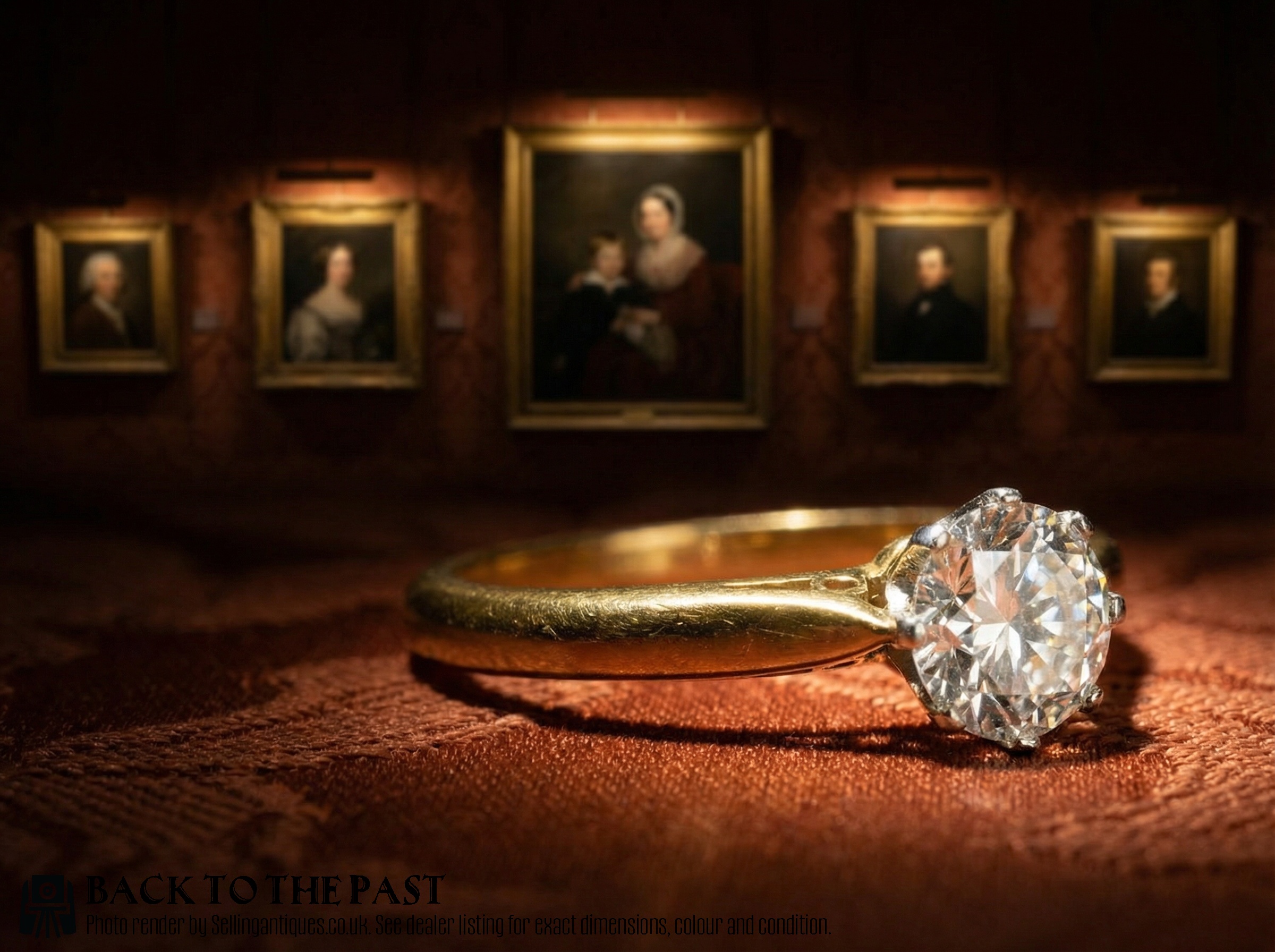
Traditional Diamond Engagement Ring
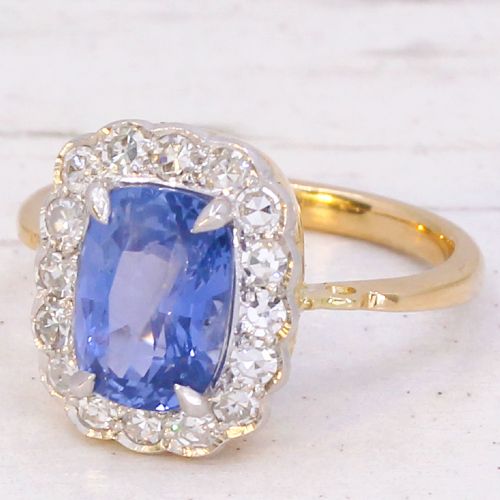
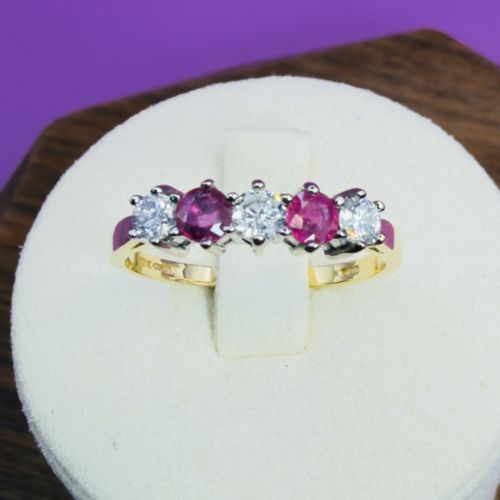
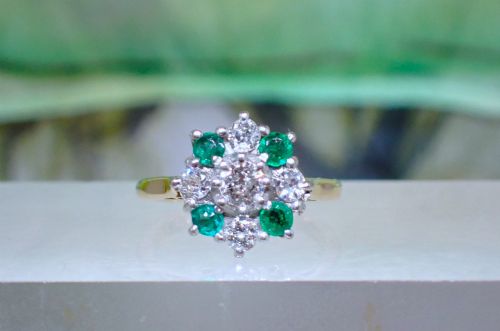
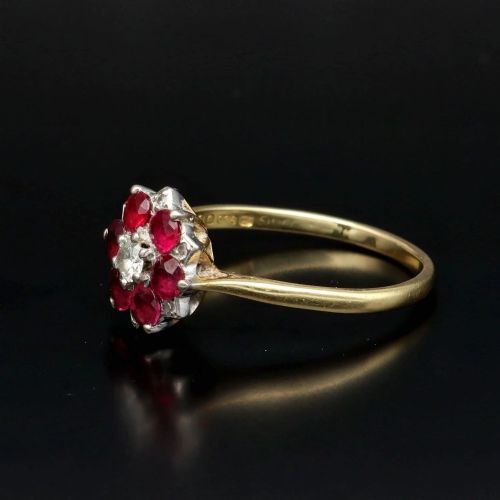
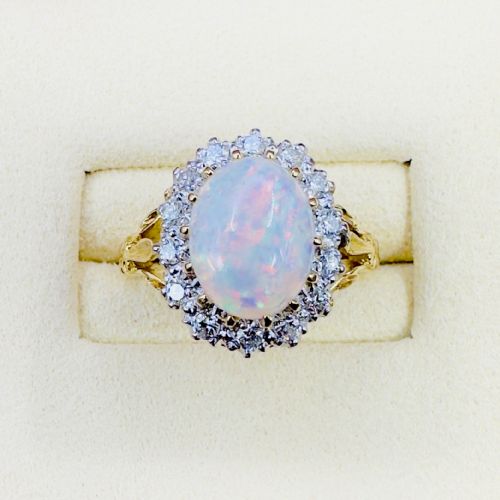
When you search for a traditional diamond engagement ring, you encounter pieces spanning from the Victorian and Edwardian eras through the mid-twentieth century. The selection ranges from solitaire and five stone configurations to complex cluster designs incorporating sapphires, rubies, emeralds, and opals.
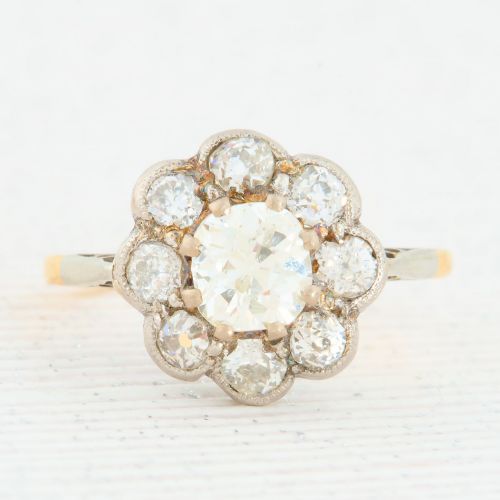
The most common versions met on this page are cluster rings and solitaire rings fashioned from 18ct gold or platinum. These items reflect enduring styles including Art Deco and traditional classic periods, showing how historical designs continue to serve as symbols of commitment.
How they were made
Craftsmen utilised precious metals such as platinum and various carats of gold, including 9ct, 18ct yellow gold, 18ct white gold, and 22ct gold, to mount the principal gemstones. Metals were shaped into bands, illusion settings, and intricate cluster arrangements to secure the stones.
Gemstones including diamonds, sapphires, rubies, emeralds, and opals were cut into old cuts, mine cuts, cushion cuts, round cuts, and oval cabochons. These stones were then hand-set into the precious metal structures, often accompanied by smaller supporting diamonds or coloured stones.
Listings include rings from the Victorian, Edwardian, Art Deco, and mid-century periods, utilising platinum and various carats of gold.
What varies in quality
Quality depends upon the stone weight, clarity, and colour grades of the central diamonds, alongside the presence of gem reports or certifications. Older stones featuring old cuts or mine cuts display distinctive hand-polished facets that differ from modern standardised diamond cuts.
The choice of metal and the intricacy of the mount also separate pieces, with heavy platinum settings and robust 18ct gold bands demonstrating higher durability than lighter 9ct alternatives. The overall harmony of stone combinations, such as balanced ruby and diamond clusters, distinguishes superior examples.
The Traditional Diamond Engagement Ring Glossary
- Solitaire
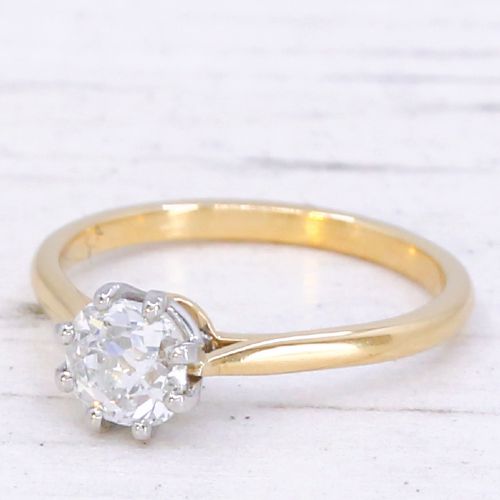
- A ring featuring a single central gemstone, most commonly a diamond mounted on a plain or shoulder-set band.
- Cluster ring
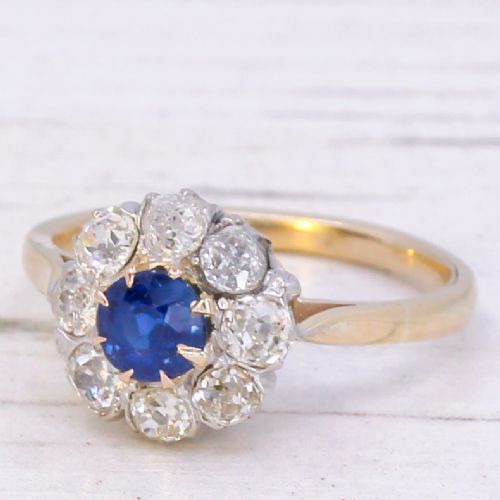
- A ring design where a central stone is surrounded by a closely set border of smaller gemstones, such as diamonds encircling a sapphire.
- Old cut
- A vintage diamond cutting style characterised by a small table, high crown, and large culet, hand-faceted before modern machinery.
- Trilogy
- A ring set with three stones in a row, often symbolising the past, present, and future of a relationship.
- Cabochon
- A gemstone shaped and polished with a smooth, rounded surface rather than with flat facets.
Traditional Diamond Engagement Ring: Frequently Asked Questions
What periods do these rings come from?
The pieces span multiple historical eras, including the Victorian, Edwardian, and Art Deco periods, as well as mid-century decades up to nineteen sixty.
Each period brings distinct mounting styles and gemstone cuts that help identify the age of the ring.
Are coloured stones common in traditional rings?
Many traditional designs incorporate sapphires, rubies, emeralds, or opals alongside the central or surrounding diamonds.
These coloured gems often appear in cluster formations or three stone trilogy layouts.
What is an old cut diamond?
Old cut diamonds are historical stones shaped by hand before the standardisation of modern brilliant cuts.
They typically exhibit distinctive facet patterns that catch candlelight and ambient light warmly.
How do I care for an antique ring?
These historical pieces require gentle handling and regular checks of the metal settings to ensure the stones remain secure.
Professional cleaning helps preserve the detailed gold or platinum work without damaging softer stones like opals.