

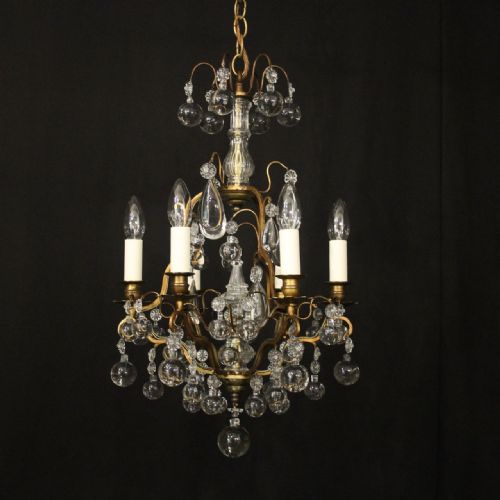

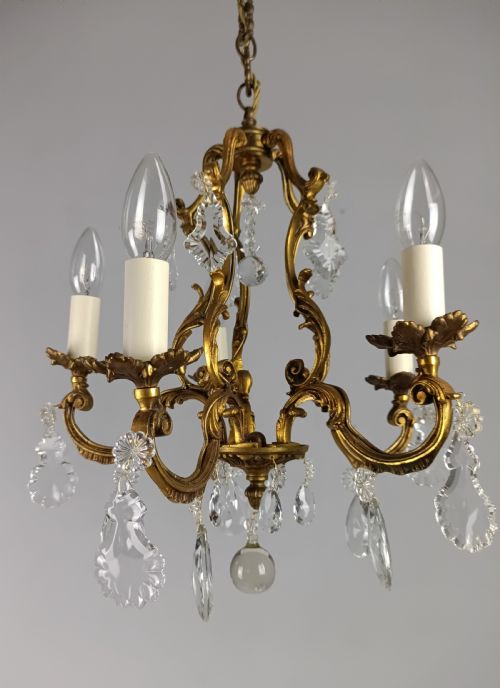
Traditional Crystal Light Fitting
A traditional crystal light fitting brings unmistakable architectural presence overhead, cast in glass and metal across periods from the nineteenth century onward.
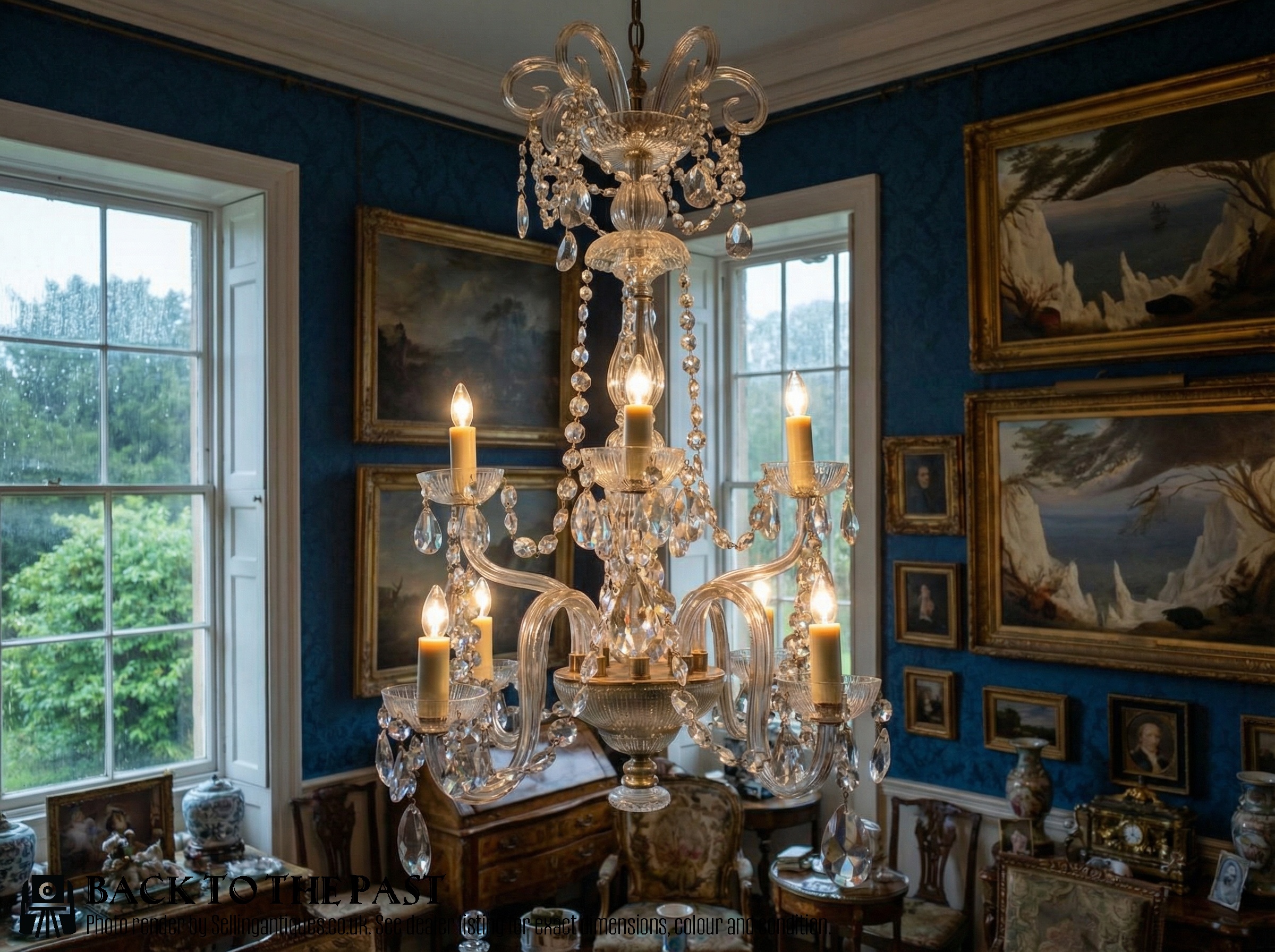
Traditional Crystal Light Fitting
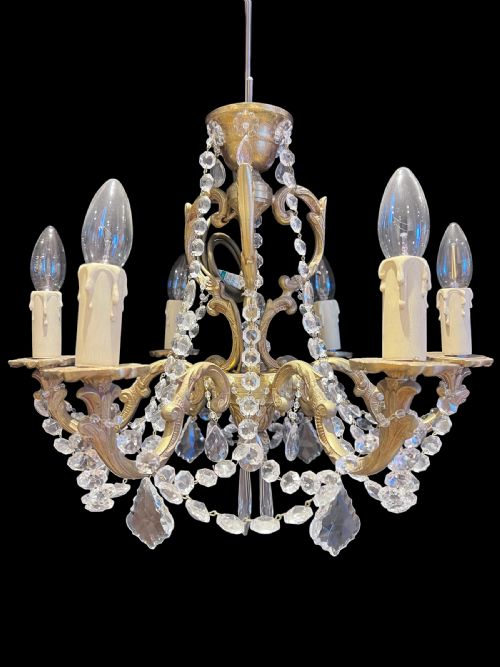
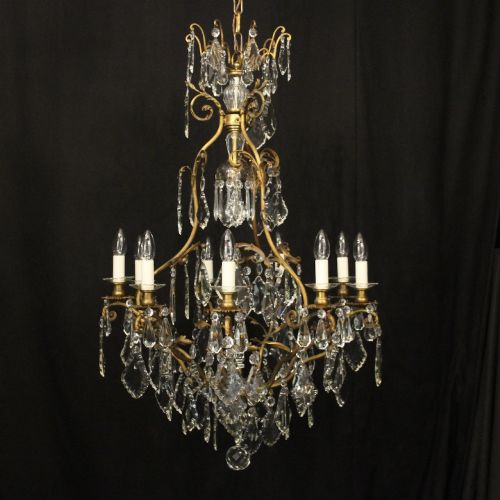
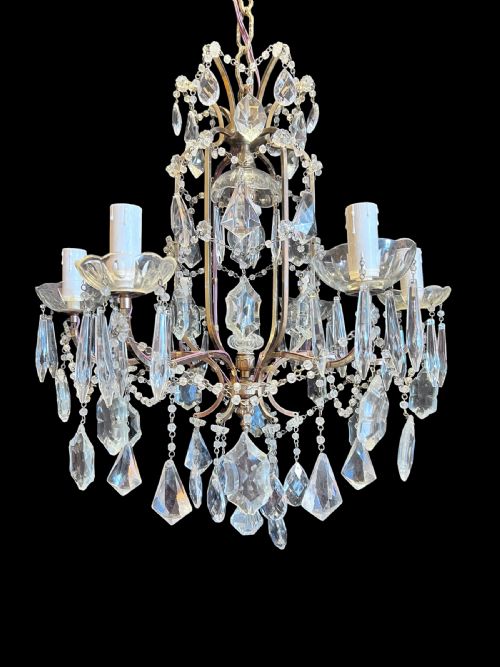
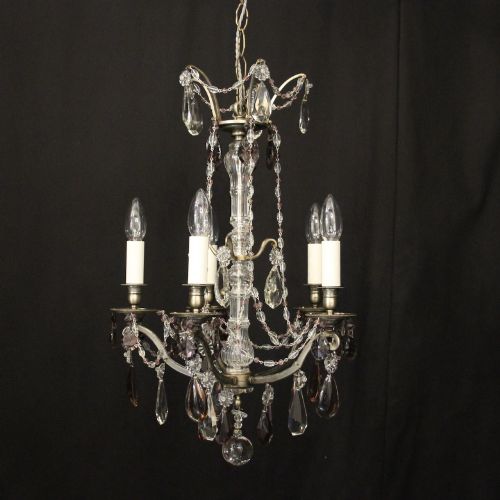
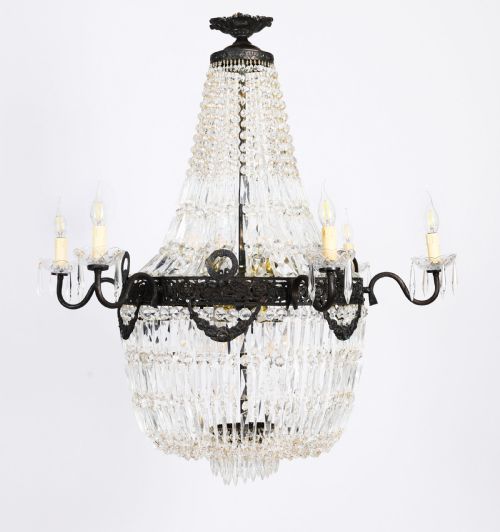
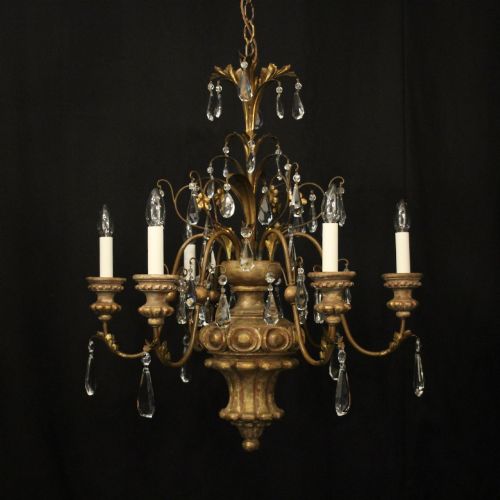
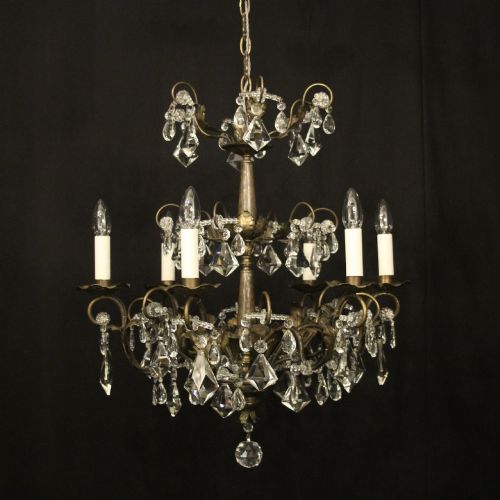
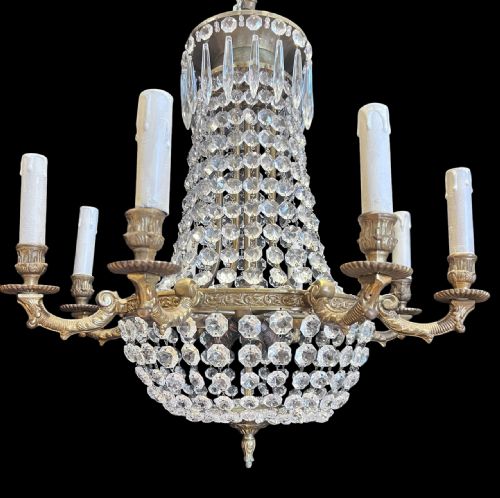
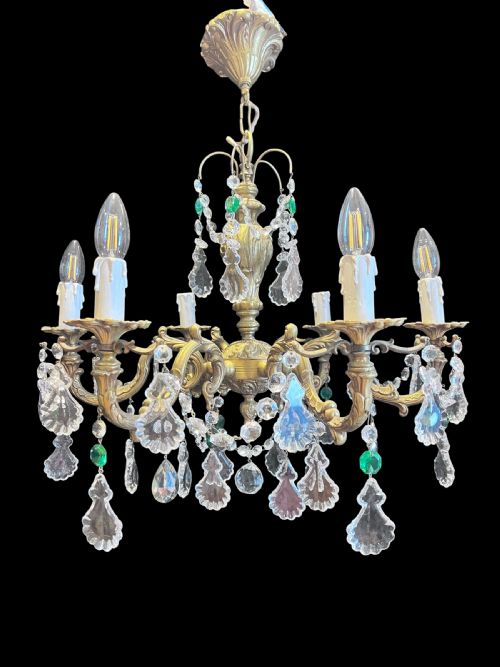
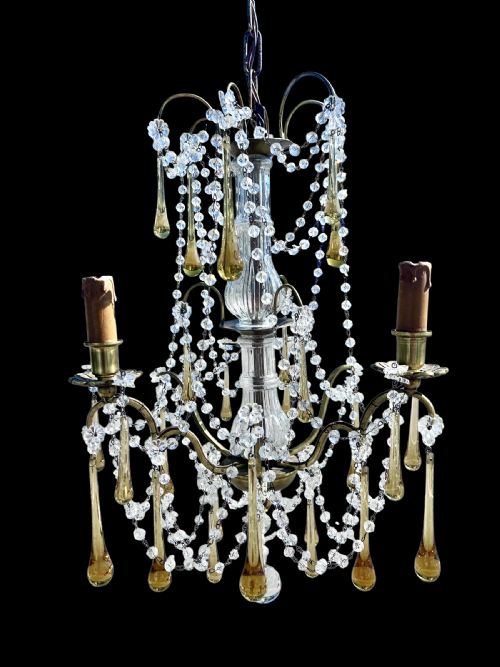
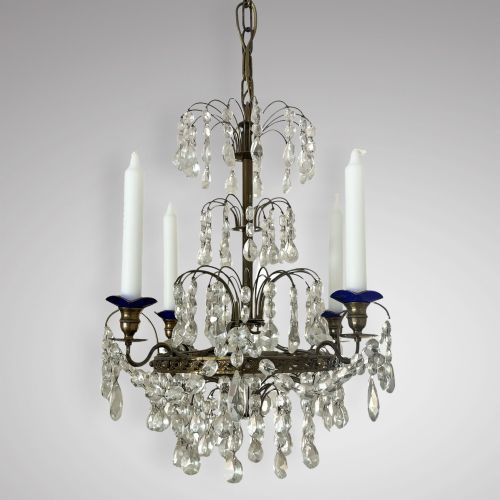
A traditional crystal light fitting encompasses ceiling lights, pendant lights, and multi-armed chandeliers designed to illuminate rooms with suspended prismatic drops. When exploring a traditional crystal light fitting, expect to encounter grand multi-tiered constructions alongside modest three-branch designs originating primarily from early twentieth-century workshops.
The prevailing examples originate from French and Italian makers, often adhering to Empire, Rococo, or Florentine styles. These pieces rely on metal frames outfitted with glass or crystal elements to catch and refract light across a space.
How they were made
Constructors utilised solid metal foundations such as brass, gilt bronze, gilded bronze, and wrought iron to support the substantial weight of glass components. These metal armatures were cast or forged into scrolled arms, tiered rings, and tent frameworks.
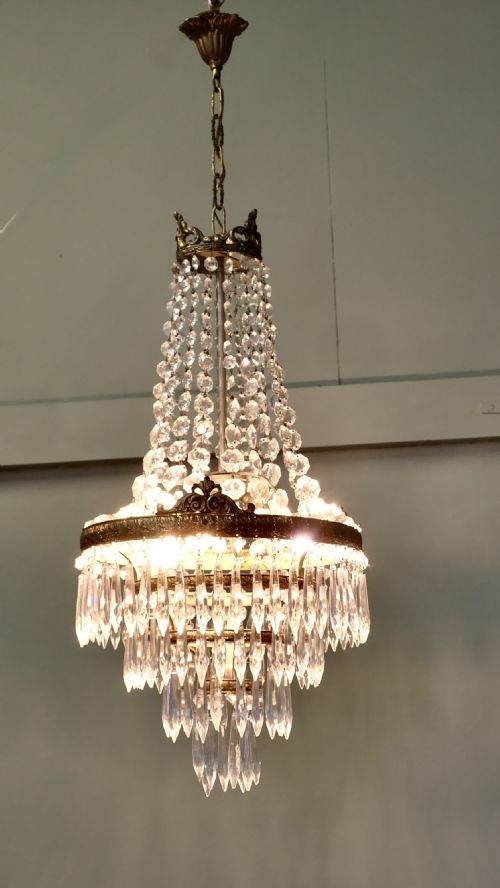
Cut glass and cut crystal pendants, beads, and waterfalls were suspended from the frames using wire links. Many pieces incorporate specialised forms such as bag chandeliers or birdcage designs, uniting metalwork with hand-cut prismatic elements.
Listings span periods from the 1880s through the 1930s, featuring materials such as gilded bronze, cut crystal, and wrought iron.
What varies in quality
Quality rests in the precision of the metal casting and the clarity of the crystal components. Superior pieces demonstrate heavier bronze or brass frameworks with crisp detailing, paired with high-grade cut crystal that exhibits sharp facets rather than soft moulded edges.
The scale of the fitting and the complexity of the design also divide standard examples from exceptional ones. Elaborate multi-light configurations with beaded arms and extensive crystal drapery indicate greater ambition in the original workshop.
The Traditional Crystal Light Fitting Glossary
- Bag chandelier
- A lighting fixture featuring a flattened lower bowl shape composed of dense crystal drops suspended beneath the frame.
- Waterfall chandelier
- A design characterised by cascading tiers of crystal drops that flow downward in overlapping layers.
- Gilt bronze
- Metal alloy treated with a gold surface layer, providing a durable and decorative metallic finish for chandelier frames.
- Maria Theresa
- A classical chandelier style featuring flat metal arms covered in glass plates and secured with glass rosettes.
- Tent chandelier
- A fixture format where crystal strands gather upward into a conical canopy above the main body of lights.
Traditional Crystal Light Fitting: Frequently Asked Questions
How do I hang a heavy crystal chandelier safely?
Heavy fittings require direct attachment to ceiling joists using a rated steel hook and junction box capable of supporting the combined weight of metal and glass.
Professional electrical installation is recommended to manage the structural load and secure the wiring safely within the ceiling canopy.
What periods do these chandeliers come from?
The pieces span the late nineteenth century through the early twentieth century, encompassing Victorian, Edwardian, and 1920s eras.
Stylistic influences reach back further into historical periods, yielding French Empire, Rococo, and Florentine revivals during the manufacturing period.
How should I clean crystal light fittings?
Maintenance involves wiping individual glass drops with a mild cleaning solution while the fixture remains suspended from the ceiling.
Taking down every crystal component is rarely necessary unless a deep restoration of the metal frame and wiring is underway.
Can I adjust the drop height of a pendant light?
Suspension height depends on the original chain or rod configuration supplied with the individual metal fixture.
Altering the drop requires professional adjustment of the chain links and interior electrical flex by a qualified electrician.