

Traditional Crystal Ceiling Light
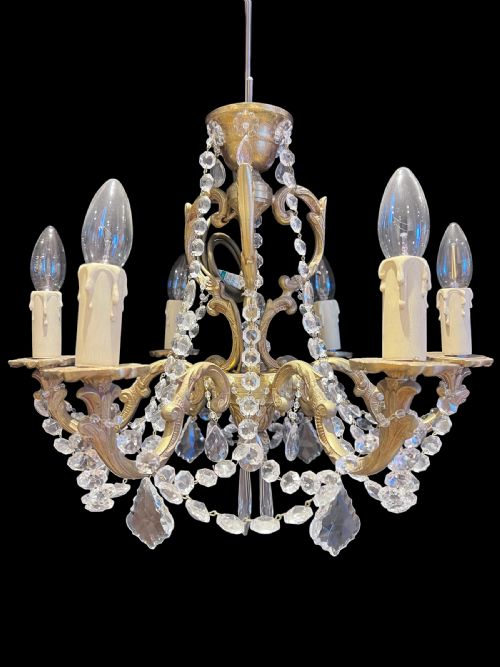
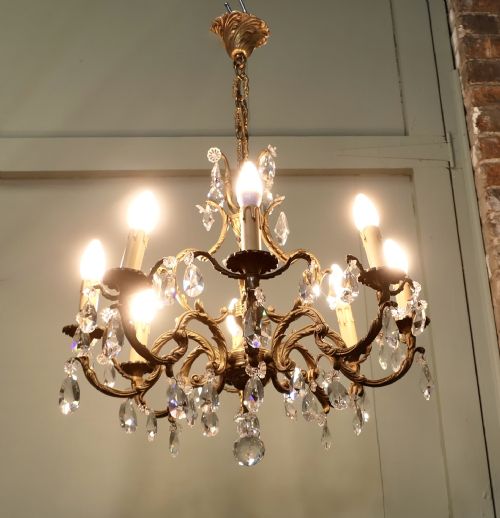
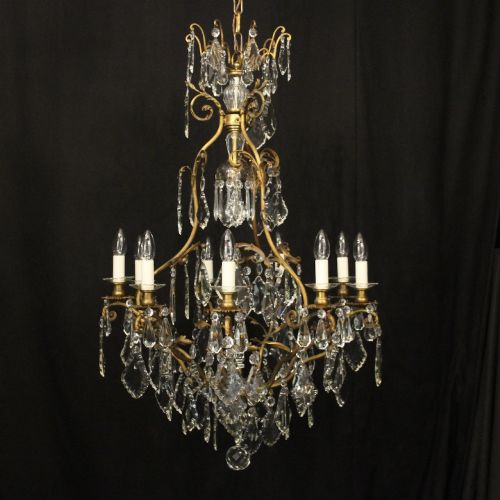
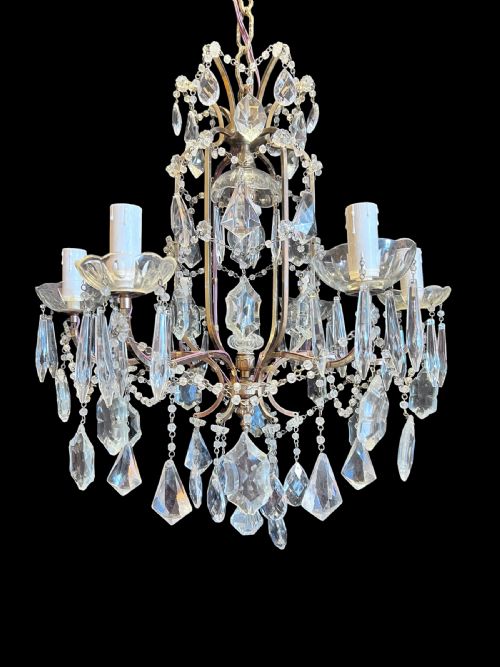
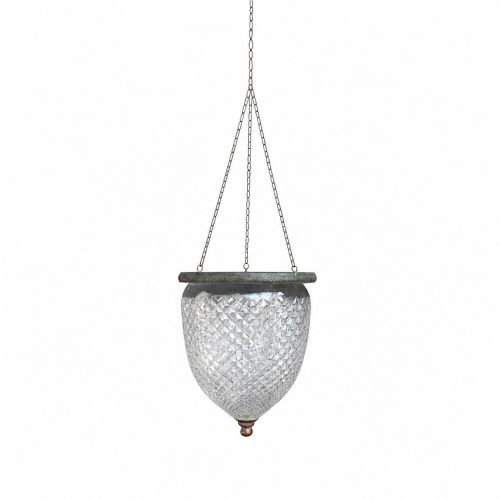
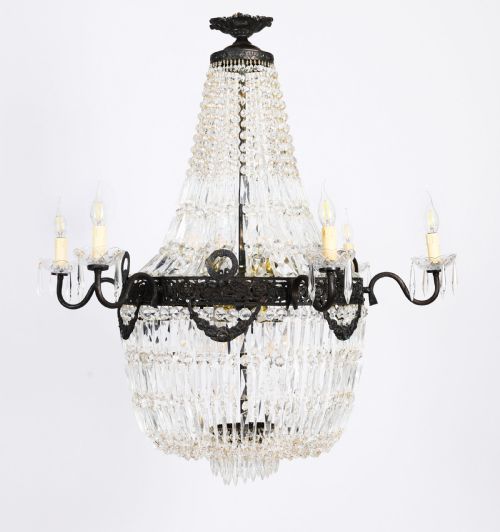
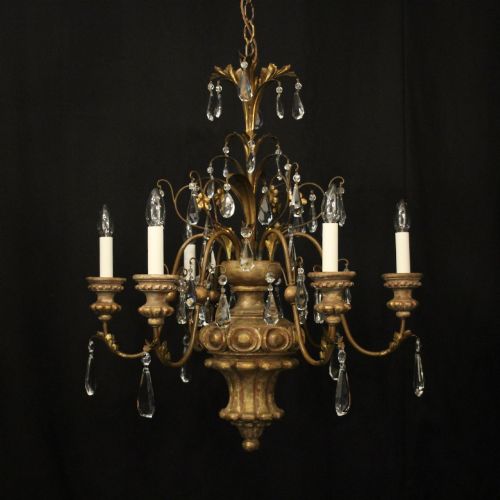
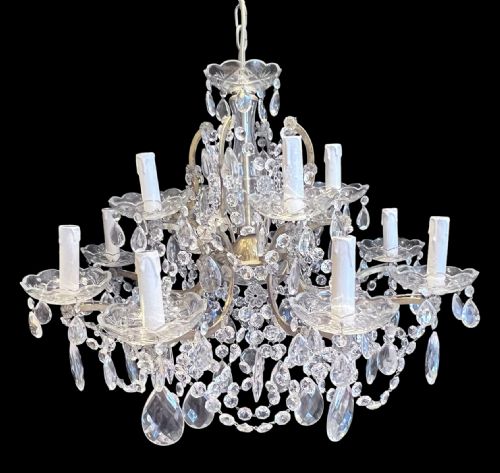
These traditional crystal ceiling light pieces bring formal illumination and refractive brilliance to a room, offering period character through faceted drops and metal frames.
Traditional Crystal Ceiling Light
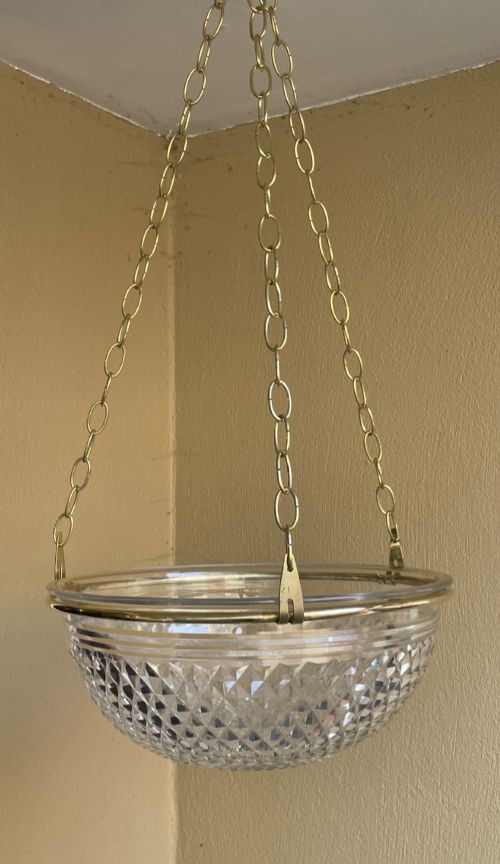
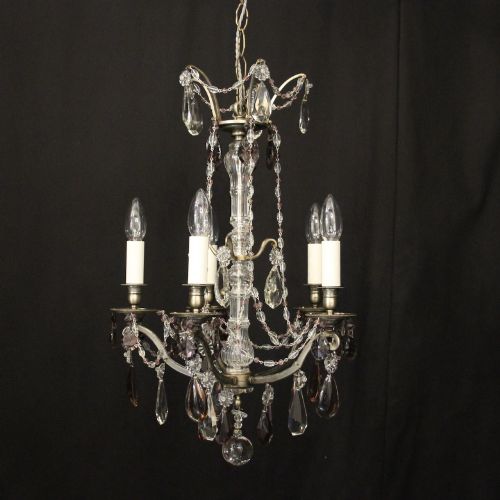
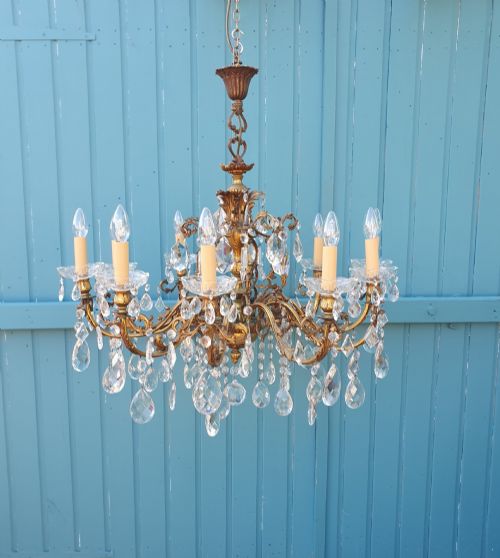
A traditional crystal ceiling light takes the form of multi-arm chandeliers, flush plafonniers, and hanging pendant fittings designed to cast refracted light across a space. Buyers examining this page will frequently encounter French and Italian examples from the late nineteenth and early twentieth centuries, spanning the Edwardian era through the nineteen-thirties.
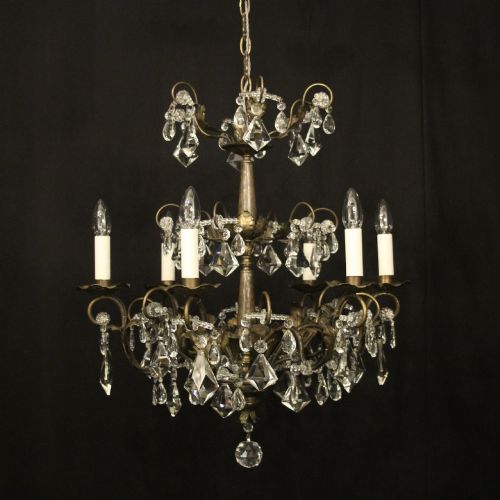
The inventory on this page showcases distinct regional variations, notably French chateau and empire styles alongside Italian Florentine and Marie Therese designs. Common configurations range from simple three-light fixtures to large ballroom chandeliers holding fourteen or more lights.
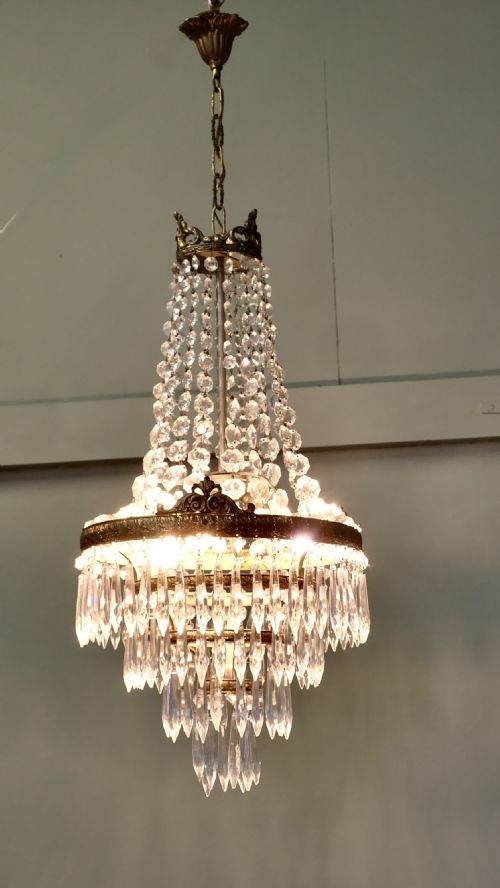
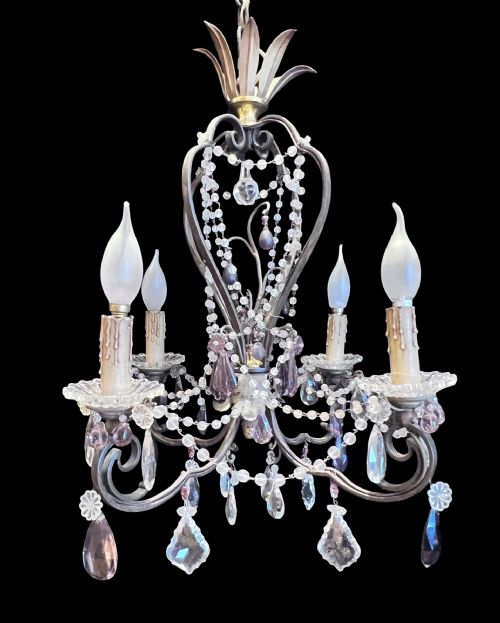
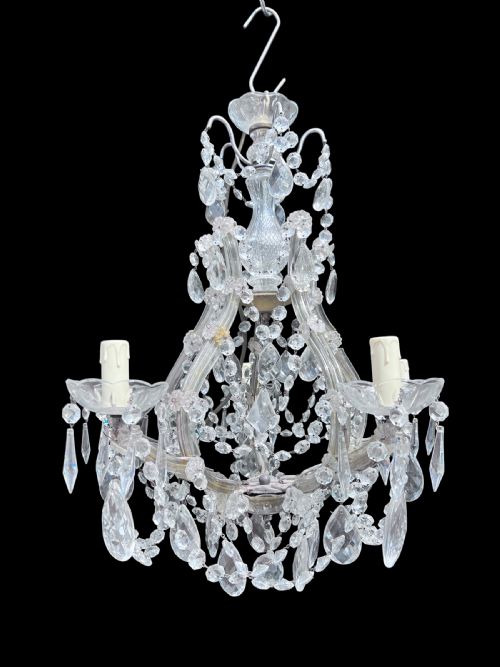
Many of these ceiling lights utilise specialised formats such as cage, bag, tent and waterfall structures, where hundreds of glass elements direct the illumination. Others incorporate coloured crystals or amethyst elements to introduce subtle hues within the refractive display.
Materials and construction
Makers constructed the structural frames of these lights from cast brass, gilt bronze, toleware, and gilded metals, forming rigid skeletons to support heavy glass ornamentation. These metallic elements often feature silver or gold gilt finishes that complement the warm glow of the internal illumination.
The decorative hanging elements rely on cut crystal, moulded glass, and lead glass drops shaped into teardrops, beads, lustres, and acorns. Artisans wired these individual pieces together using pins and loops, suspending them densely around central metal bands and arms.
Traditional Crystal Ceiling Light Retail Price Guide 2026
Typical asking prices for traditional crystal ceiling light among the pieces listed under this phrase on Sellingantiques today, from the lower quarter to the upper quarter. They describe what is for sale here now, not the wider market.
The listings show pieces originating from the Edwardian period, nineteen-ten, nineteen-twenty, and nineteen-thirty, utilising brass, crystal, and gilt metal.
Assessing quality in these fixtures
Quality rests upon the depth of hand-cutting on the crystal drops and the precision of the metal casting on the brass and gilt bronze frames. Heavier crystal with sharp facet edges disperses light with greater clarity than thin, pressed glass.
The integrity of the structural assembly distinguishes superior pieces, visible in the substantial weight of the metal arms and the completeness of the original hanging lustres. Better examples maintain harmonious proportions between the metal armature and the dense cascade of glass.
The Traditional Crystal Ceiling Light Glossary
- Plafonnier
- A ceiling-mounted light fitting that sits flush or close to the ceiling surface rather than hanging on a long chain. This form is common in Edwardian hallway and bedroom lighting.
- Lustre
- A cut glass or crystal pendant hung from the arms or crown of a chandelier to refract light. Lustres vary from simple teardrops to elaborate spear shapes.
- Bag chandelier
- A lighting fixture featuring a flattened or rounded lower bowl composed of strung glass beads, resembling a small pouch. This style became popular for smaller spaces requiring intense sparkle.
- Marie Therese
- A flat-framed chandelier style where the metal armature is completely concealed by glass strapwork and festoons of crystals. Named in honour of the Austrian Empress.
- Tent and waterfall
- A chandelier construction featuring an upper triangular tent of beads cascading down into a wider, flowing waterfall of crystal drops. This arrangement creates a dense curtain of refractive glass.
Traditional Crystal Ceiling Light: Frequently Asked Questions
How do I hang a heavy antique chandelier safely?
These fixtures require direct attachment to ceiling joists using a steel mounting hook capable of supporting the combined weight of the metal frame and glass drops.
Professional electrical installation ensures the internal wiring safely handles the number of lamp holders housed within the metal arms.
How do I clean an antique crystal ceiling light?
Regular maintenance involves wiping individual glass drops with a soft cloth dampened in a mild solution of warm water and methylated spirits.
Removing the drops is rarely necessary for routine dusting, though delicate handling protects the original wire loops holding the crystals to the frame.
How do I date a crystal ceiling light?
Dating relies on stylistic clues, such as the heavy gilt bronze casting typical of nineteen-twenties French manufacturing or the simpler glass profiles of Edwardian plafonniers.
Examining the metal alloy of the frame and the cut of the glass helps align the piece with periods spanning from the late nineteenth century to the nineteen-thirties.