

Traditional Country Kitchen Seating
Traditional country kitchen seating brings honest timber and utility together, offering sturdy dining chairs, benches, and stools shaped by generations of domestic use.
Traditional Country Kitchen Seating
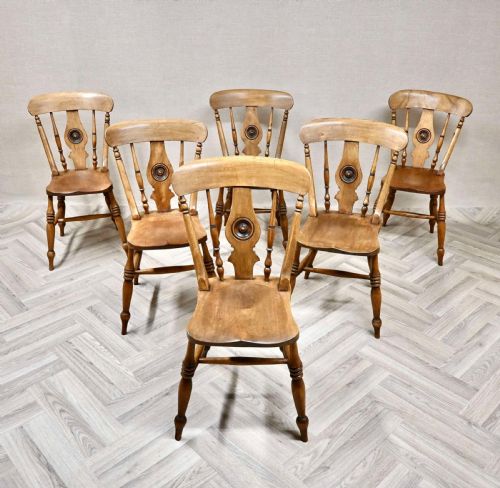
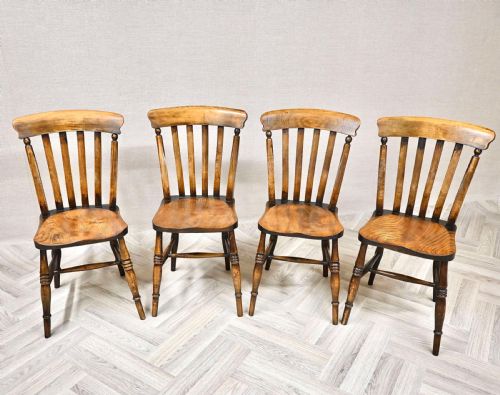
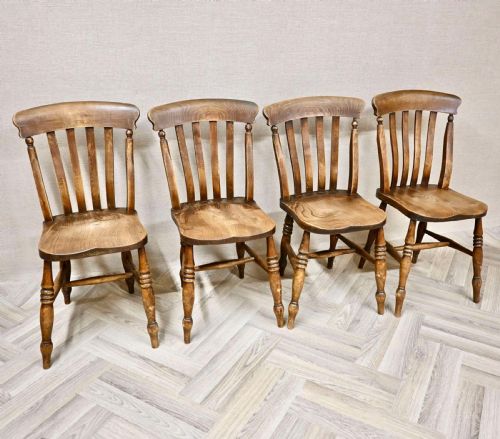
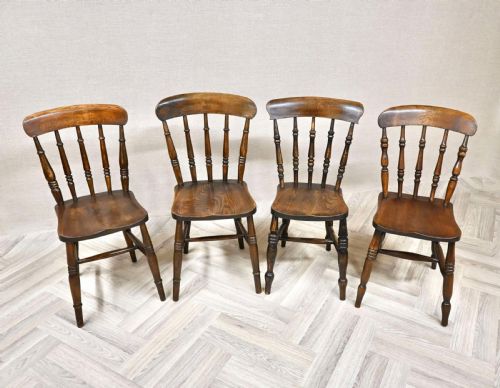
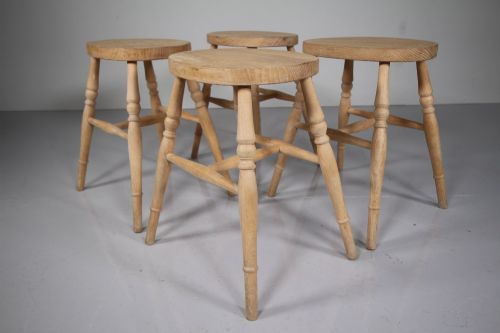
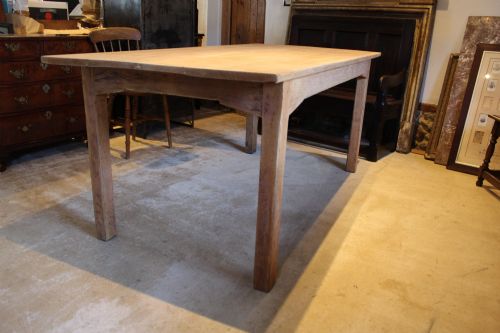
Traditional country kitchen seating encompasses dining chairs, armchairs, stools, benches, and refectory tables intended for everyday domestic life. These pieces primarily date from the nineteenth century through to the early twentieth century, spanning Victorian, Edwardian, and rustic farmhouse styles.
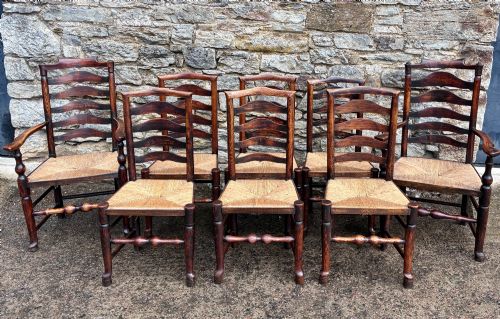
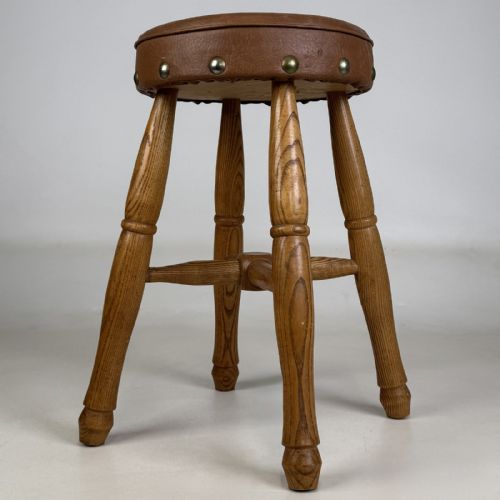
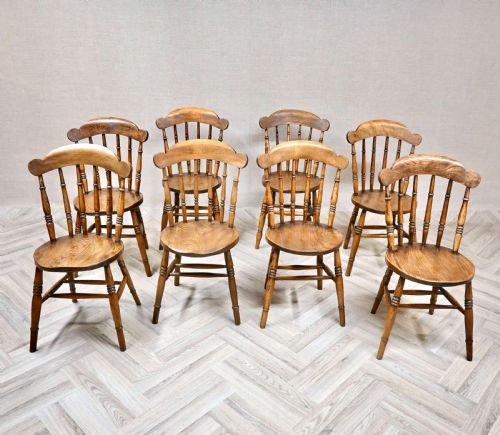
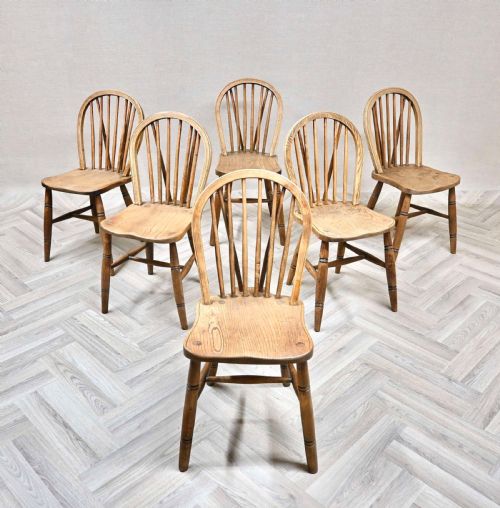
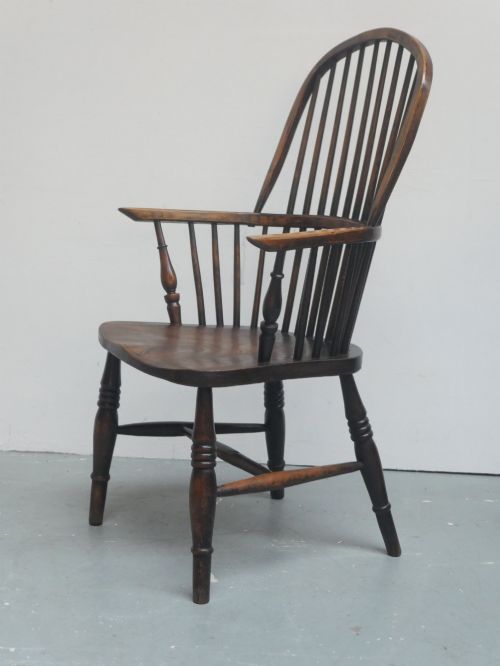
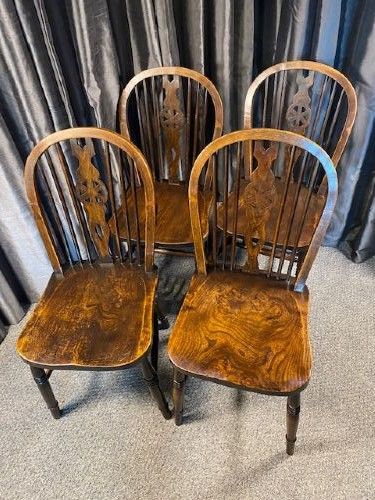
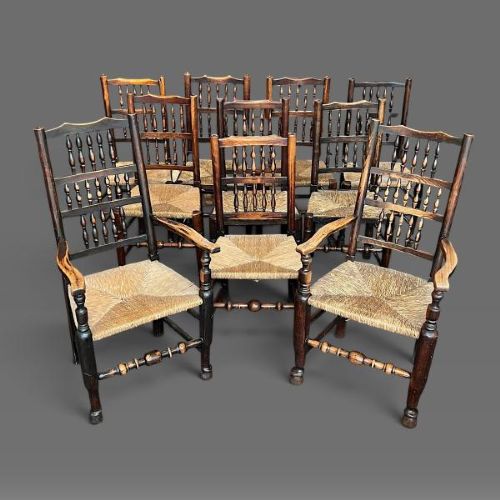
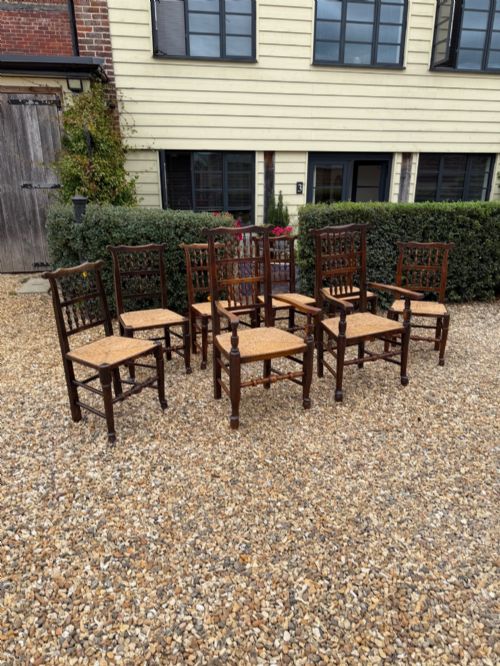
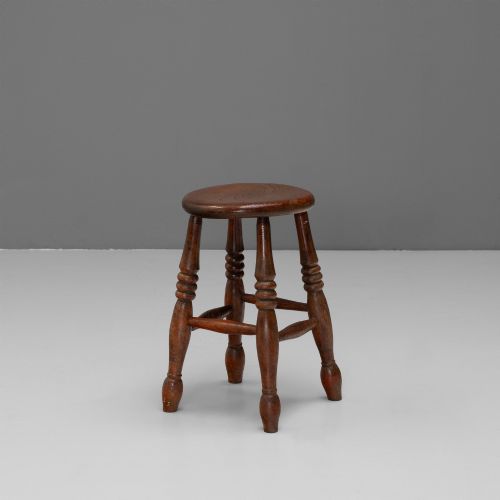
The most common forms encountered in this selection are Windsor chairs, ladderbacks, and spindle backs, often found in matching sets or assembled as harlequin groups. Stools and refectory tables in solid pine, oak, and ash also appear frequently, reflecting the utilitarian needs of historical rural spaces.
Origins are rooted in English country vernacular traditions, utilising robust regional designs built for heavy daily use around the hearth and kitchen table.
Materials and construction
Construction relies heavily on native hardwoods combined for specific structural strengths, pairing elm seats with ash or beech spindles, frames, and legs. Oak and pine also provide the primary timber for larger items such as refectory tables and solid dining benches.
Traditional joinery techniques include steam-bent hoops, turned wooden components, and wedged mortise and tenon joints designed to withstand constant movement and weight. Rush seating appears on specific chair and stool types, woven by hand to create durable pads within wooden frames.
Many nineteenth-century kitchen chairs bear the subtle indentations of generations of elbows resting on the arms.
Assessing quality
Quality in traditional country kitchen seating rests upon timber selection and the integrity of the original construction rather than elaborate decoration. Pieces retaining matching turned elements, uniform wood grain, and tight joints demonstrate superior initial manufacture.
Patina and surface wear acquired through decades of functional use separate honest, untouched examples from overly restored items. The depth of colour in the timber and the tightness of the wood grain around spindle joints indicate the grade of materials used by the maker.
The Traditional Country Kitchen Seating Glossary
- Windsor chair
- A wooden chair built with a solid sculpted seat into which the legs and back spindles are inserted directly. This design provides robust structural support through a combination of turned components and steam-bent back bows.
- Ladderback
- A chair style featuring horizontal slats or rails between the vertical rear posts of the backrest. These slats are typically shaped to fit the contour of the sitter's spine.
- Harlequin set
- A collection of dining chairs that share similar periods, materials, or overall forms without being part of an original matching manufactured set. Such groups were often assembled over time from individual pieces.
- Refectory table
- A large, long dining table originally designed for communal dining halls and later adopted in domestic farmhouse kitchens. They utilise sturdy timber legs connected by low stretchers for stability.
- Spindle back
- A chair construction method utilising numerous thin, turned wooden rods to form the backrest. This technique distributes weight evenly while maintaining a lightweight frame.
Traditional Country Kitchen Seating: Frequently Asked Questions
How do I care for antique wooden kitchen seating?
Maintain timber surfaces by applying natural beeswax periodically to nourish the grain and prevent the wood from drying out. Keep pieces away from direct heat sources and drastic humidity shifts to avoid splitting.
Clean surfaces simply with a dry or barely damp cloth, avoiding modern chemical polishes that can degrade historical finishes and patinas over time.
Can I mix different chair styles around a kitchen table?
Mixing different chair styles, often referred to as a harlequin set, is a historically authentic approach to country dining furniture. Country kitchens accumulated seating organically over decades, resulting in varied chair types gathered around a single table.
When combining disparate chairs, aim for a common thread such as shared wood species, similar heights, or consistent periods to maintain visual balance in the room.
Are these chairs suitable for daily family dining?
Traditional country seating was engineered specifically for heavy, everyday domestic use by rural households. The robust construction methods, including wedged joints and durable native hardwoods like elm and ash, make them well-suited to modern dining environments.
Ensure that joints remain secure and inspect rush or wooden seats periodically to confirm they can handle regular household weight.