





Traditional Country House Furniture
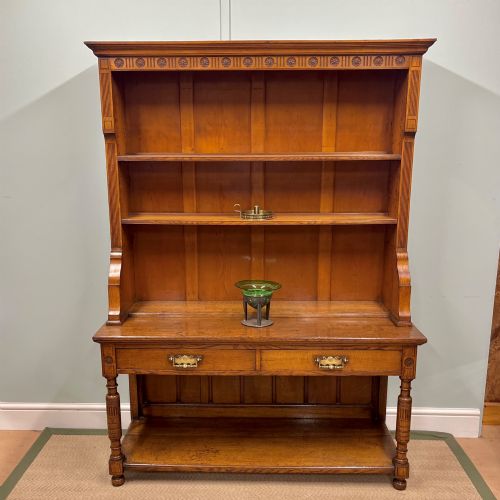
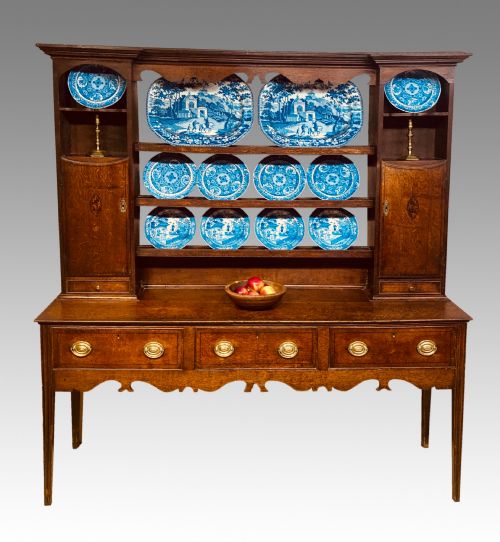
Traditional country house furniture spans robust oak settles, practical dressers and painted cupboards built for utility across centuries of rural life.
Traditional Country House Furniture
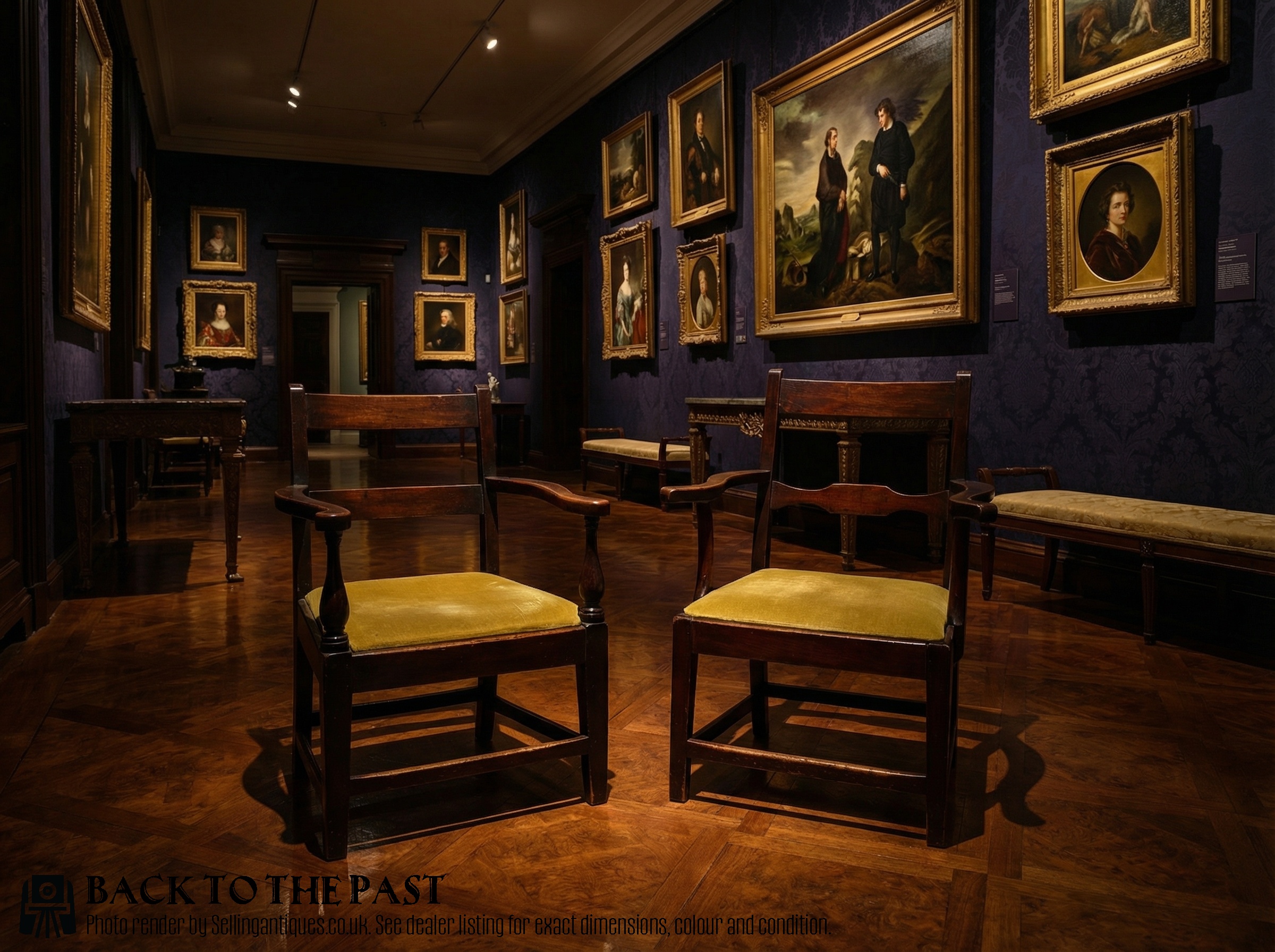
Traditional country house furniture encompasses domestic wooden items made for rural use from the seventeenth century through to the early twentieth century. Buyers seeking traditional country house furniture encounter sturdy seating, storage and dining pieces designed for practical function in English, Welsh, French and Hungarian homes.
How they were made
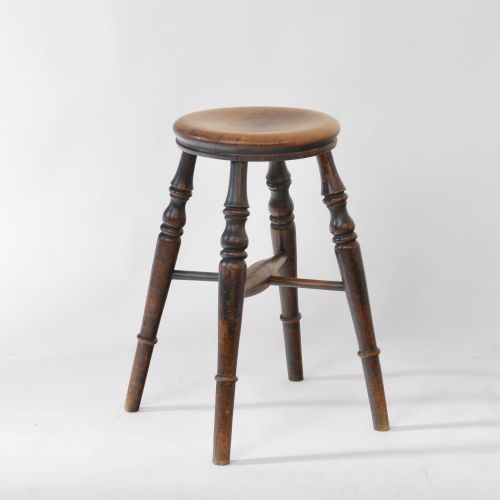
Cabinetmakers and rural joiners constructed these pieces using solid domestic hardwoods and softwoods such as oak, elm, fruitwood, pine and sycamore. Joinery relied on traditional pegged mortise and tenon joints, dovetails and handcrafted blacksmith iron hinges and locks.
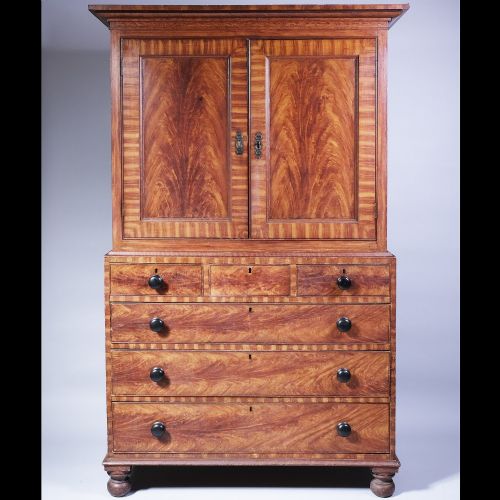
Surfaces often received protective layers of wax or traditional scumble paint to simulate finer grain or add colour. Natural patination developed through decades of heavy domestic use, handling and polishing.
Listings feature oak, pine, mahogany, elm, fruitwood, brass, iron and paint across 18th-century, Georgian and Victorian periods.
What varies in quality
Quality rests in the choice of timber, the integrity of the original construction and the survival of untouched surfaces. Pieces built from dense pollard oak, figured walnut or seasoned fruitwood sit above utilitarian softwood equivalents.
The presence of original blacksmith hardware, unblemished scumble paint and untouched regional detailing separate standard utility items from exceptional vernacular examples.
Morison and Co·Howard and Sons
The Traditional Country House Furniture Glossary
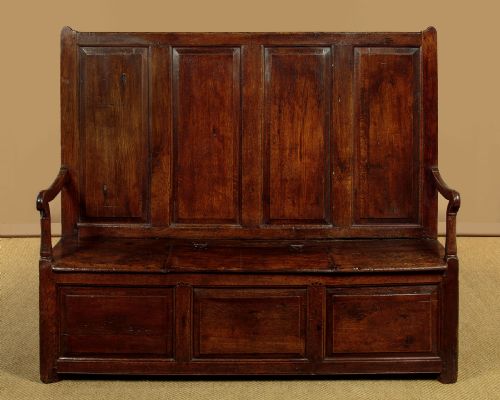
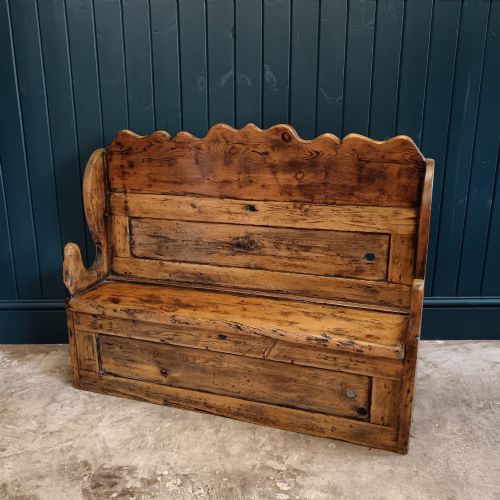
- Settle
- A wooden wooden bench with a high back, solid arms and a box seat underneath for storage. This form kept drafts away from inhabitants in large country rooms.
- Scumble paint
- A translucent decorative paint glaze applied over a base coat and manipulated with combs or rags to imitate the grain of more expensive timber. It protected softwood surfaces while adding colour.
- Lowboy
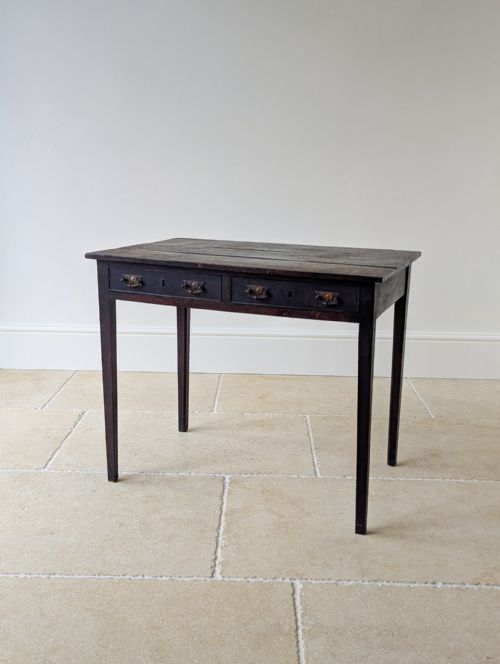
- A small side table with drawers, typically raised on four tall legs, used as a dressing table or occasional surface in the eighteenth century.
- Vernacular
- Architecture and furniture built by local craftsmen using traditional local methods and materials without academic architectural input. These objects respond directly to regional utility needs.
- Tallboy
- A tall chest of drawers consisting of one chest stacked directly upon another, offering extensive vertical storage. Georgian examples often combine oak or mahogany construction with classical proportions.
Traditional Country House Furniture: Frequently Asked Questions
What defines traditional country house furniture?
Traditional country house furniture comprises practical wooden pieces made for rural domestic life, spanning centuries of regional craftsmanship. These items prioritise utility, featuring robust construction in oak, pine, elm and fruitwood.
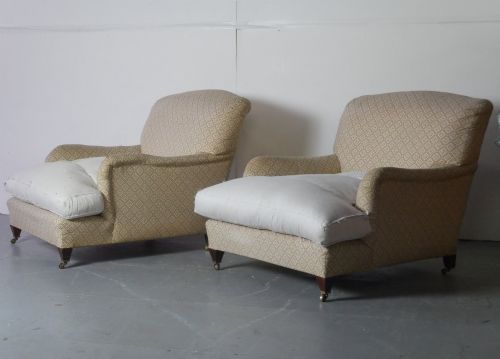
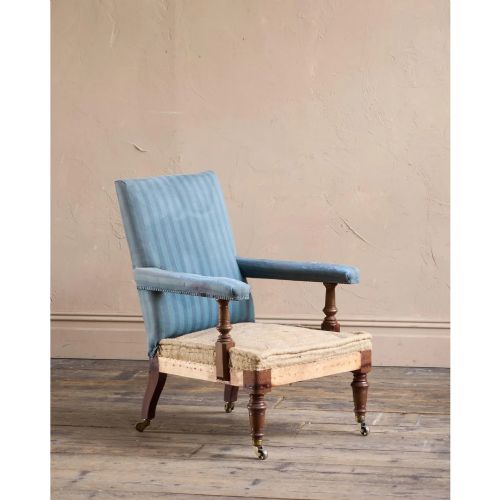
Such furnishings range from kitchen dressers and settles to workbenches and armchairs. They reflect the character of the homes they inhabited through honest materials and aged patination.
How do I care for antique pine and oak?
Maintain these wooden surfaces by applying traditional beeswax periodically to nourish the grain and protect against dryness. Avoid placing pieces near direct heat sources or in damp environments.
Clean surfaces gently with a dry or barely damp cloth without harsh chemical sprays. Preserving the natural wax finish allows the historic patina to mature further.
Where were these pieces originally used?
Country house furniture served utilitarian roles throughout rural properties, including kitchens, halls, sculleries and servants quarters. Dressers held tableware, while settles blocked draughts near hearths.
Larger items like housekeepers cupboards and workbenches organised stores and food preparation. Their sturdy construction suited active, hardworking domestic environments.
How can I tell Georgian pieces apart from Victorian ones?
Georgian pieces generally display restrained classical proportions, understated bracket feet and timber choices like oak, mahogany or walnut. Construction methods focus on understated elegance and functional joinery.
Victorian items often introduce heavier proportions, turned elements and applied decorative finishes such as scumble paint. Regional vernacular styles persisted across both eras, though Victorian workshops frequently embraced softer woods and functional revival designs.