
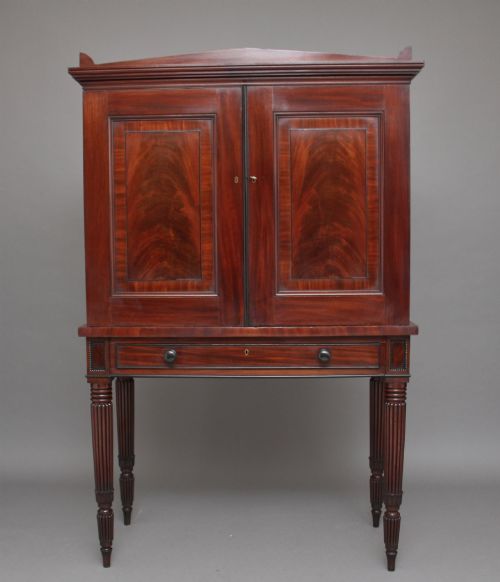
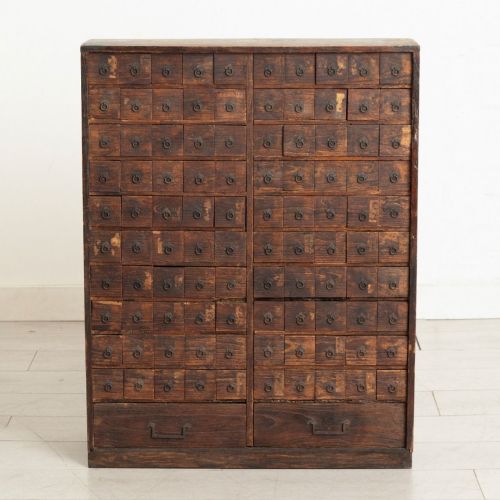
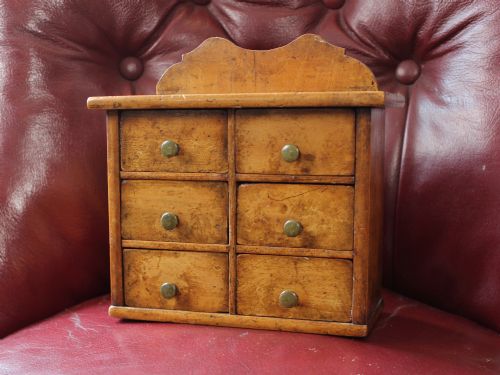


Traditional Collectors Cabinet
These traditional collectors cabinet pieces are specialist storage units designed to organise specimens and small objects, offering exceptional craftsmanship and timber variety.
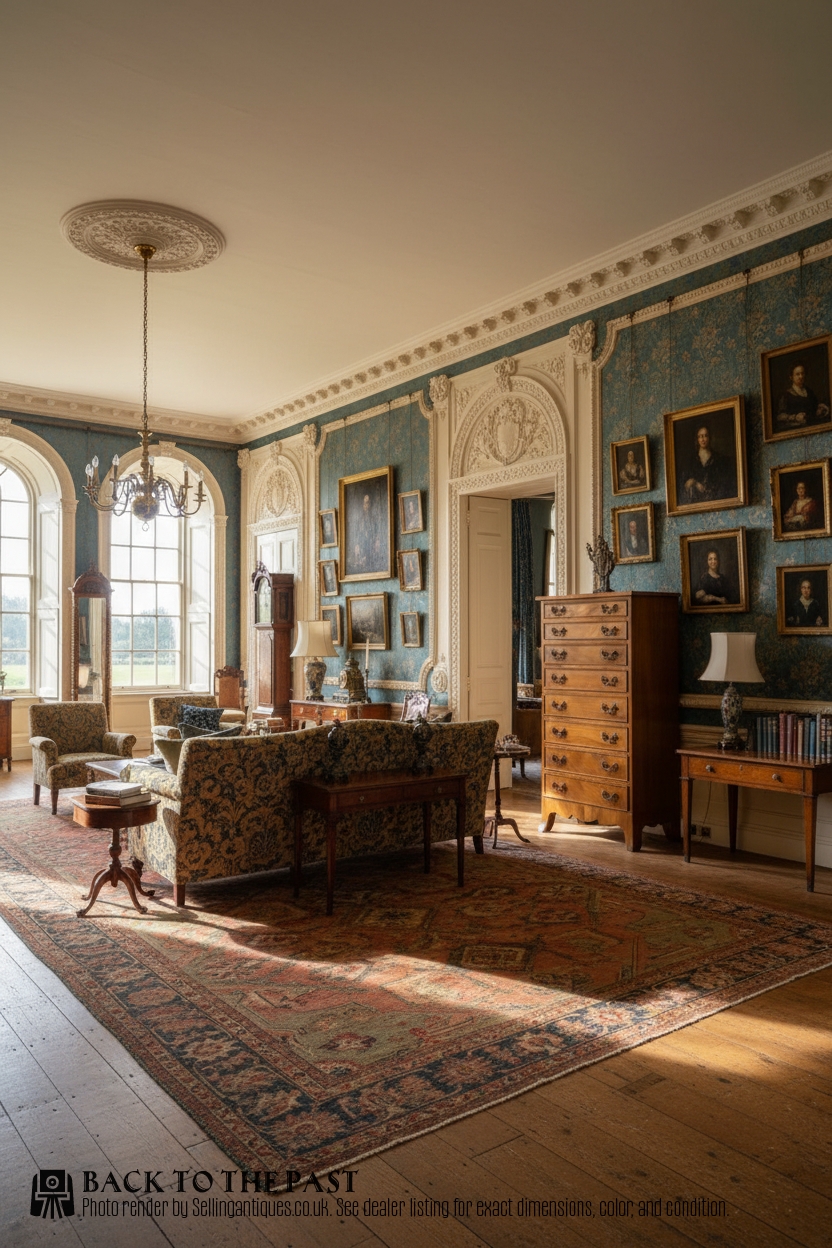
Traditional Collectors Cabinet
A traditional collectors cabinet encompasses multi-drawer chests, apothecary banks, and specialist storage forms designed to house small items securely. Buyers examining this page encounter diverse variations ranging from compact spice drawers to substantial mahogany chests and cabinets on stands.
The selections span multiple periods, featuring 17th Century olive wood alongside Victorian mahogany, Edwardian pieces, and 1910 designs. Formats include apothecary banks, spice drawers, filing cabinets, and Wellington chests reflecting varied domestic and institutional origins.
Geographic influences and stylistic traditions shape these pieces, demonstrated by Meiji Period Japanese apothecary banks sitting alongside Georgian style mahogany filing cabinets and Victorian country furniture. Each configuration serves specific storage requirements through dedicated drawer arrangements.
Construction and materials
Cabinetmakers utilised dense hardwoods such as mahogany, oak, teak, fruitwood, and olive wood, frequently incorporating oyster veneers to create decorative patterned surfaces. Brass hardware, including drop handles and escutcheons, provides functional secure closures while iron and glass appear in specific functional contexts.
Joinery methods rely on traditional drawer construction designed to withstand frequent daily opening and closing within apothecary, filing, and collectors formats. Timber selection prioritises stability and grain figure, visible in pieces ranging from 17th Century stands to 1920 oak chests.
Listings feature woods including mahogany, oak, teak, fruitwood, and olive wood across the 17th, 19th, and early 20th centuries.
Assessing quality in multi-drawer furniture
Quality differentiates through the precision of drawer fitting, timber selection, and the sophistication of decorative treatments like oyster veneering. Superior examples display consistent grain alignment across multiple drawers and robust internal carcase construction.
The refinement of brass mounts and the integrity of stands or supporting feet establish the distinction between utilitarian storage and master cabinet work. Proportion and timber choice dictate the overall presence of each piece.
The Traditional Collectors Cabinet Glossary
- Wellington chest
- A tall, slender chest of drawers secured by a locking hinged locking stile on one vertical edge. This design originated in the 19th Century to protect valuable papers and collections.
- Oyster veneer
- Slices of branch wood cut transversely to produce circular or oval patterns resembling oyster shells. This technique is prominent on 17th Century cabinetwork.
- Bank of drawers
- A multi-drawer unit originally utilised in apothecaries, pharmacies, or offices for systematic sorting. These pieces feature numerous small compartments.
- Cabinet on stand
- A storage cabinet elevated on a distinct supporting framework or base. This form lifts the main body for easier access and display.
- Fruitwood
- Dense timber harvested from fruit-bearing trees, utilised for cabinetmaking and small drawer units. It accepts fine detail and carving.
Traditional Collectors Cabinet: Frequently Asked Questions
What were traditional collectors cabinets used for?
These cabinets served naturalists, physicians, and collectors who required organised storage for specimens, medicines, documents, or small valuables. Multiple shallow drawers kept delicate items separated and protected.
Over time, forms like apothecary banks and filing cabinets transitioned from commercial workspaces into domestic settings for general organisation.
How do I date a multi-drawer cabinet?
Dating relies on examining timber species, construction methods, handles, and lock mechanisms. Early pieces often feature hand-cut dovetails and solid timber carcases.
Later 19th Century and 1910 examples introduce standardised hardware and machine assistance while retaining traditional joinery foundations.
Are these cabinets suitable for modern homes?
Their compact footprints and numerous drawers make them practical for storing modern accessories, jewellery, or stationery in living spaces and studies. The varied widths accommodate different spatial layouts.
Placing them away from direct heat sources protects historical timbers and veneered surfaces from drying out.
How should I care for historic timber finishes?
Maintenance requires occasional application of appropriate natural waxes to nourish the wood and maintain the polish. Avoid synthetic cleaning sprays that can degrade historic finishes.
Keeping humidity levels stable prevents timber movement and veneer lifting.