

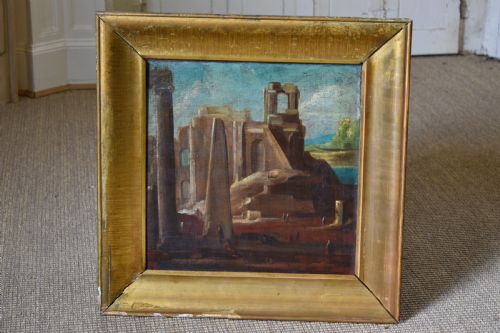
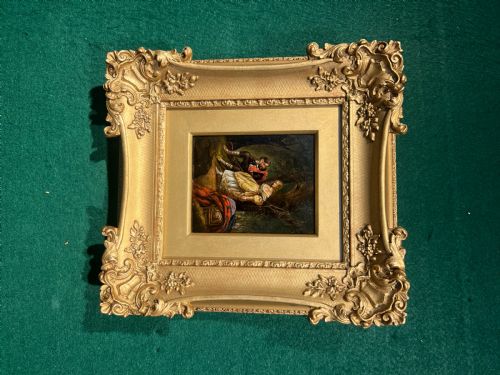
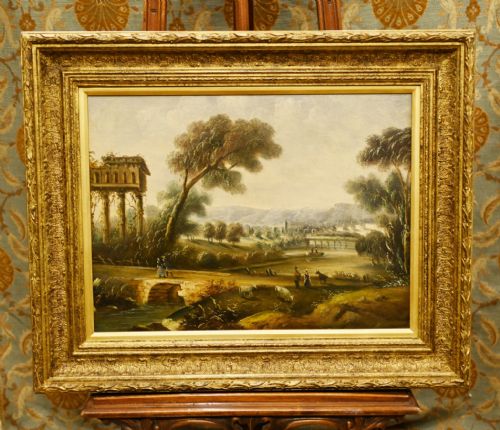


Traditional Classical Oil Landscape
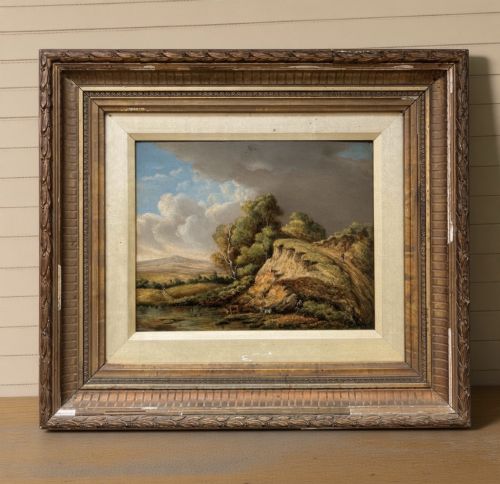
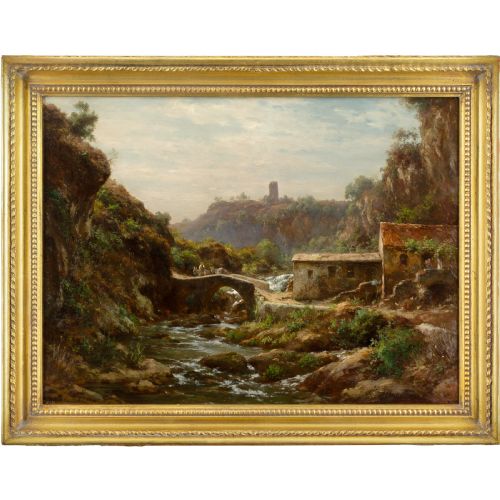
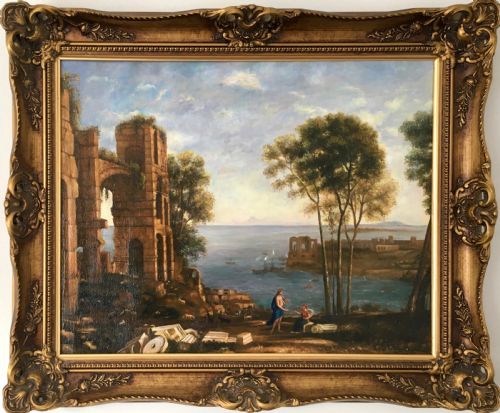
These traditional classical oil landscape pieces capture pastoral scenes, grand canals, and Italianate views through centuries of oil painting tradition.
Traditional Classical Oil Landscape
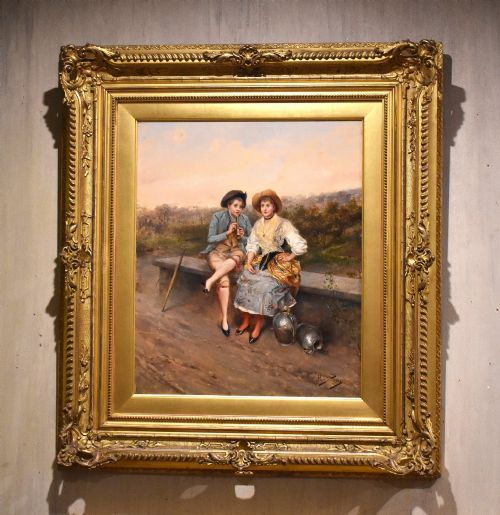
A traditional classical oil landscape depicts natural scenery, riverscapes, and architectural views rooted in historical painting traditions. Buyers searching this phrase examine works spanning from the seventeenth century through to the mid-twentieth century.
The selection includes Italianate compositions, Venetian canal views, and pastoral woodland scenes executed by various European schools. Pieces frequently reflect stylistic influences such as Romanticism, Realism, and the Grand Tour Neoclassical tradition.
Works range from intimate rural studies to large-scale wall art canvases. Framing typically involves period materials like giltwood and gesso that complement the traditional subjects.
Quality factors in traditional paintings
Quality rests upon the skill of the brushwork and the compositional balance achieved across the canvas. Works attributed to documented schools or named artists display superior handling of light, atmospheric perspective, and detail.
The preservation of the original oil paint surface and the authenticity of the period frame influence the standing of a piece. Finer examples maintain structural integrity in both the canvas support and the gilded woodwork.
Traditional Classical Oil Landscape Retail Price Guide 2026
Typical asking prices for traditional classical oil landscape among the pieces listed under this phrase on Sellingantiques today, from the lower quarter to the upper quarter. They describe what is for sale here now, not the wider market.
Framing materials recorded in the listings include giltwood, gold leaf, and gesso.
Thomas Thomas·Carl Johan Fahlcrantz·John Hamilton Mortimer·Andre de Moller·Eugene Verboeckhoven·Pierre Emmanuel Dielmans·Jan Evert Morel·Richard Wilson·Claude Lorrain·Karel Frans Philippeau·Frederick Bartman·Canaletto·Peter de Wint
The Traditional Classical Oil Landscape Glossary
- Capriccio
- An architectural fantasy placing together buildings, ruins and other architectural elements in a fictional combination. Artists utilised this genre to compose picturesque idealised scenes.
- Italianate
- A style of painting inspired by the landscape, light and architectural ruins of Italy. It frequently incorporates pastoral figures, classical buildings and warm colour palettes.
- Grand Tour
- A traditional trip of Europe undertaken by upper-class European young men of means during the 18th and 19th centuries. Paintings purchased on these travels often recorded Italian views and classical scenery.
- Gesso
- A paint mixture consisting of a binder mixed with chalk, gypsum, or pigment. It served as a prepared surface for wood panels or frames before gilding.
- Giltwood
- Wood that has been covered with a thin layer of gold leaf or gold paint. It appears widely on traditional picture frames housing these landscapes.
Traditional Classical Oil Landscape: Frequently Asked Questions
What is a classical landscape painting?
A classical landscape painting depicts idealized natural scenery, often incorporating ruins, classical architecture, and pastoral figures.
These compositions frequently draw inspiration from Italian scenery and historical painting traditions established across European schools.
How do I care for an oil painting?
Keep the artwork away from direct sunlight, high humidity, and extreme temperature fluctuations to protect the canvas and paint.
Dust the surface gently with a soft, dry brush and avoid using water or chemical cleaners on the paint or frame.
What does Italianate mean in art?
Italianate describes art inspired by the landscape, light, and architectural ruins of Italy. Artists utilised these elements to evoke a classical Mediterranean atmosphere.
Such works often feature warm lighting, rolling hills, and ancient structures alongside rivers or pastoral figures.
How do I identify the period of a painting?
Examine the materials of the canvas support, the construction of the frame, and the stylistic conventions of the school or artist.
Written signatures, labels, and historical subject matter often provide further clues to dating the artwork accurately.