



Traditional Chinese Portrait
These traditional chinese portrait pieces on paper, silk, and glass bring centuries of ritual and heritage into your rooms.
Traditional Chinese Portrait
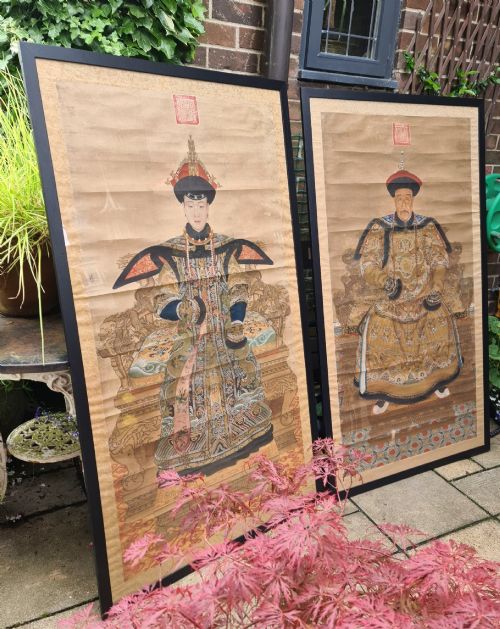
A traditional chinese portrait captures revered ancestors, deities, and dignitaries through meticulous brushwork on fragile grounds. These works record lineage, status, and spiritual devotion across generations of makers.
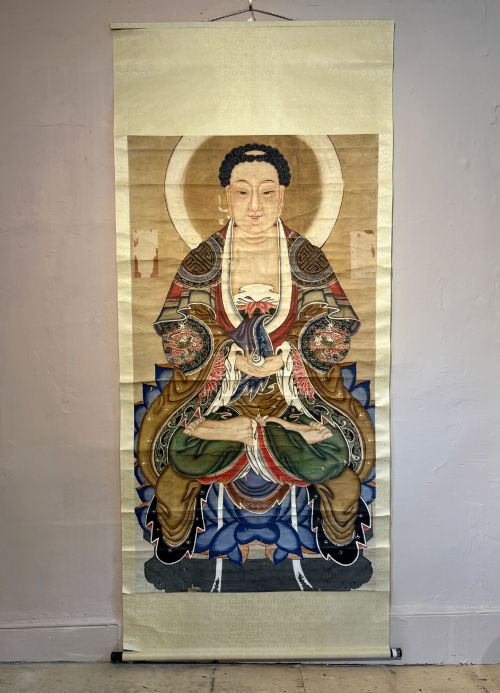
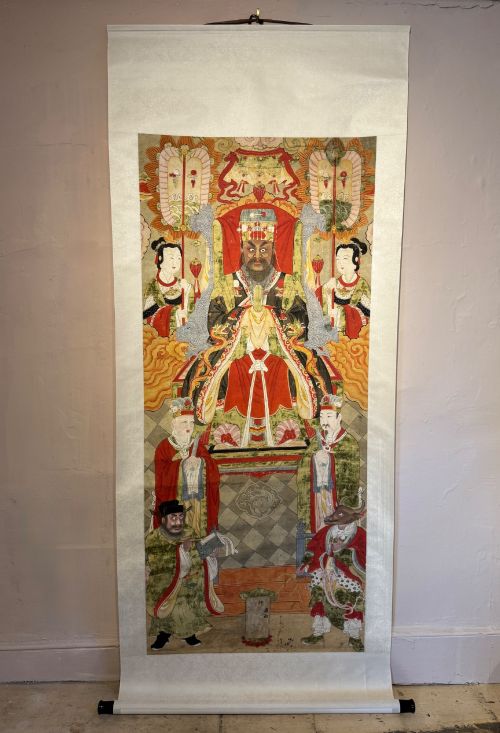
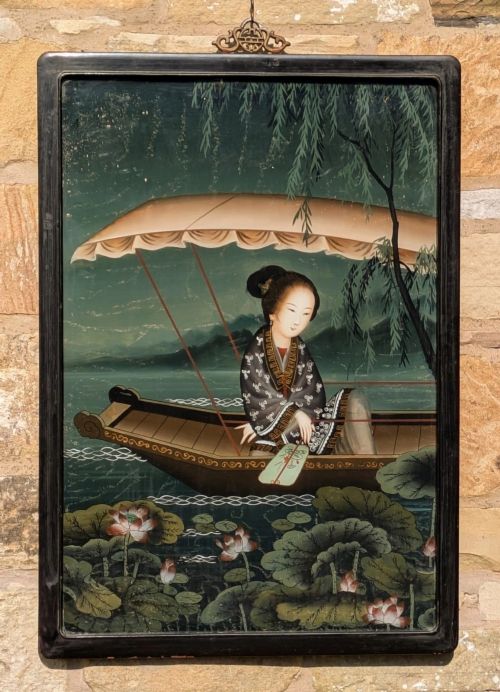
You will most frequently meet nineteenth-century hanging scrolls and reverse glass paintings on this page. These forms range from ancestral group portraits to depictions of Buddhist and Daoist figures.
How they were made
Makers applied ink and mineral pigment directly onto paper or silk backgrounds using fine brushes. Many pieces utilise hanging scroll mountings to preserve the delicate painted surfaces.
Reverse glass paintings required artists to apply pigment to the rear of a glass panel so the image appeared correctly from the front. Wooden frames and brass fittings frequently secure these glass and paper works.
Traditional Chinese Portrait Retail Price Guide 2026
Typical asking prices for traditional chinese portrait among the pieces listed under this phrase on Sellingantiques today, from the lower quarter to the upper quarter. They describe what is for sale here now, not the wider market.
Pieces on this page span from the mid-eighteenth century through the mid-twentieth century.
What varies in quality
The precision of the brushwork and the depth of the mineral pigments dictate the visual power of each piece. Superior examples display careful detailing in facial expressions and traditional garments.
The preservation of the paper or silk ground separates enduring works from those compromised by heavy wear. Original mountings and intact glass panels elevate the integrity of the surviving object.
YA MING
The Traditional Chinese Portrait Glossary
- Hanging Scroll
- A vertical artwork mounted on fabric designed to be suspended on a wall. This traditional format allows the piece to be rolled up for storage.
- Reverse Glass Painting
- An artwork painted on the back of a glass sheet and viewed from the front. The technique creates a luminous surface finish.
- Mineral Pigment
- Ground natural minerals used to create dense, long-lasting colour in traditional paintings. These pigments maintain their vibrancy over centuries.
- Qing Dynasty
- The final imperial dynasty of China, spanning from sixteen forty-four to nineteen twelve. Many surviving scrolls and portraits originate from this period.
Traditional Chinese Portrait: Frequently Asked Questions
What is a traditional chinese portrait?
These works are painted depictions of ancestors, deities, or dignitaries created on materials such as silk, paper, or glass. They reflect the spiritual and social values of their period.
Most examples found here date from the nineteenth and early twentieth centuries, capturing historical figures and religious subjects with ink and mineral pigments.
How were hanging scrolls displayed?
Hanging scrolls were suspended vertically on interior walls for specific viewing periods or seasonal observances. Their fabric mountings protected the central painted area.
When not displayed, these scrolls were rolled carefully around wooden supports to safeguard the paper or silk from light and moisture.
How do I care for silk paintings?
Silk and paper works require stable environmental conditions away from direct sunlight and high humidity. Gentle handling prevents damage to the aged fibres.
Framed pieces behind glass offer better protection against dust and atmospheric changes than unframed hanging scrolls.
What subjects appear in these portraits?
Common subjects include ancestral family groups, dignitaries, and spiritual figures such as Daoist immortals and judges of hell. Each figure conveys specific symbolic meanings.
Portrait subjects often signify lineage continuity, official status, or reverence for celestial authorities within traditional households.