



Traditional Child Rocker
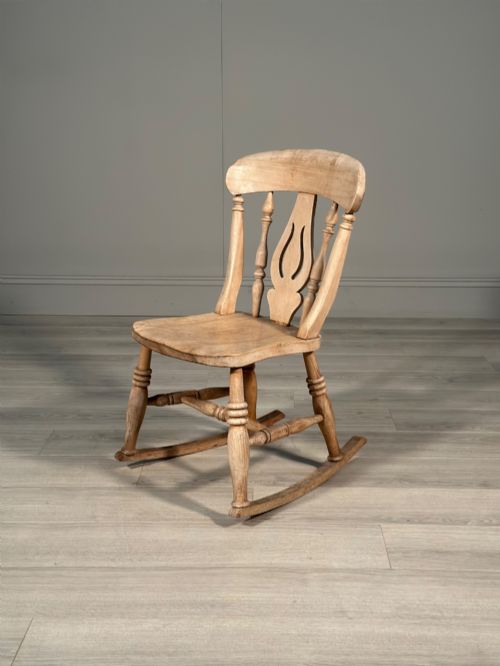
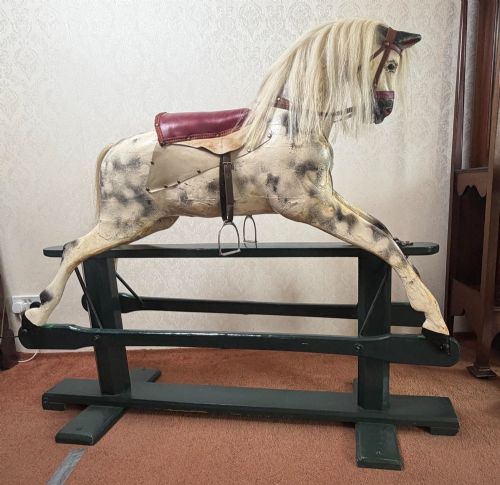
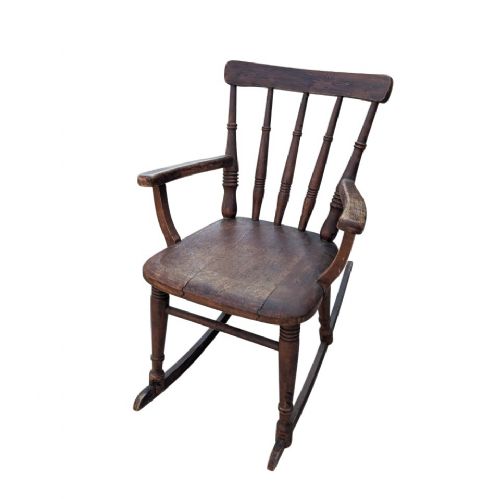
These traditional child rocker pieces are historic miniature chairs and carved wooden toys built for young children.
Traditional Child Rocker
A traditional child rocker encompasses small seating forms and carved wooden rocking horses designed for nurseries and parlours. These items emerge from various periods, stretching from the mid-eighteenth century through the Victorian era and into the early twentieth century.
Examples range from early elm windsor chairs to painted folk art models and nineteenth-century mahogany or fruitwood constructions. Each piece reflects the domestic habits and craftsmanship of its specific era.
How they were made
Makers constructed traditional child rocker forms using solid timbers such as pine, oak, beech, elm, fruitwood, and mahogany. Carpenters shaped these woods with traditional hand tools, employing pegged joinery and turned spindles to secure the frames.
Surface treatments included applied paint finishes to pine and hardwood bodies, alongside natural waxed or polished grains that exposed the underlying material. Rocking horses featured carved wooden bodies mounted upon curved wooden rockers, occasionally incorporating leather and horsehair elements.
Traditional Child Rocker Retail Price Guide 2026
Typical asking prices for traditional child rocker among the pieces listed under this phrase on Sellingantiques today, from the lower quarter to the upper quarter. They describe what is for sale here now, not the wider market.
Listings span the eighteenth, nineteenth, and twentieth centuries, featuring materials such as pine, oak, elm, fruitwood, paint, and horsehair.
What varies in quality
Quality in a traditional child rocker depends upon the selection of timber and the integrity of the original construction. Hardwoods like fruitwood, mahogany, and elm demonstrate superior durability compared to simpler pine alternatives.
The sophistication of the carving and turning separates standard utility pieces from finer vernacular and folk art examples. Retaining original surfaces, paintwork, and native rocker assemblies significantly elevates the character of the piece.
The Traditional Child Rocker Glossary
- Windsor chair
- A chair built with a solid wooden seat into which the legs and back spindles are bored directly. This form relies on turned components and steam-bent parts.
- Vernacular
- Everyday objects made by regional craftsmen following local traditions rather than high-style metropolitan fashions. These pieces prioritise utility and local material availability.
- Fruitwood
- Timber sourced from fruit-bearing trees such as pear or apple, known for a dense grain and warm tone. Cabinetmakers selected it for smaller vernacular items.
- Rush
- Dried marsh grass twisted into cords and woven to form resilient chair seats. It provides a flexible and traditional seating surface in country furniture.
- Horsehair
- Traditional stuffing material gathered from the manes and tails of horses, utilised in upholstery. It offers a firm and springy foundation for padded components.
Traditional Child Rocker: Frequently Asked Questions
How were child rocking chairs used?
These small chairs provided functional seating for young children in domestic rooms and nurseries. They allowed children to sit safely near hearths and tables.
Rocking horses functioned as traditional nursery toys intended for active play. Both forms occupied a central place in the historical child's living environment.
How do I live with a traditional child rocker?
Display these pieces in dry interior spaces away from direct heat sources and strong sunlight. This protects historical timber, paintwork, and organic materials from drying out or fading.
Treat them as decorative historical objects or gentle display pieces rather than heavy-use furniture. Regular dusting with a dry cloth maintains the surface finish.
How can I tell the periods apart?
Examine the timber species, tool marks, and construction methods to determine the age of a piece. Earlier examples often utilise native elm, fruitwood, or rush seating.
Victorian and later pieces introduce mahogany, pine, and painted folk art finishes. Stylistic details reflect the prevailing vernacular or revival designs of their respective decades.