

Traditional Ceiling Fixture
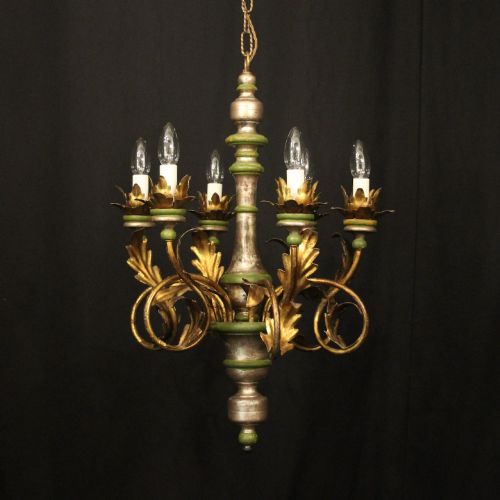
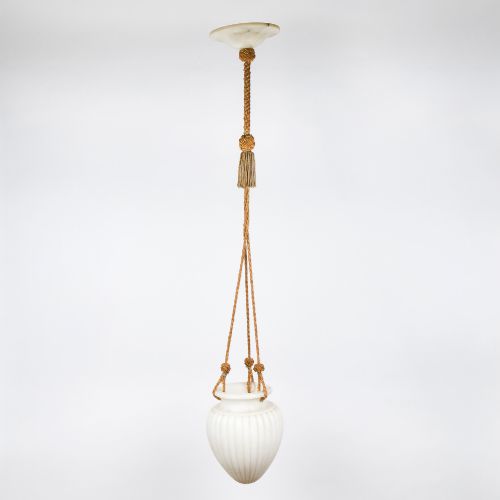
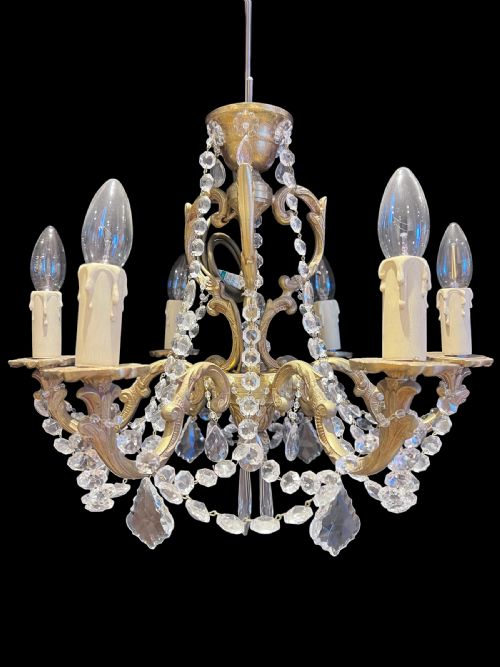
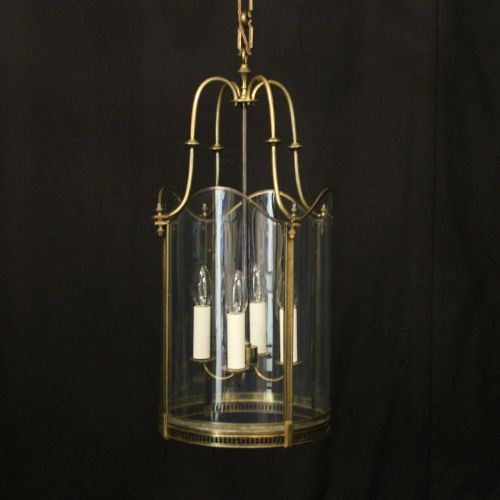
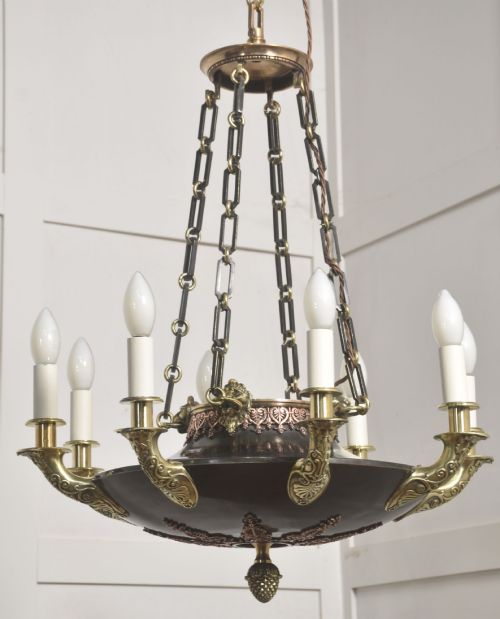
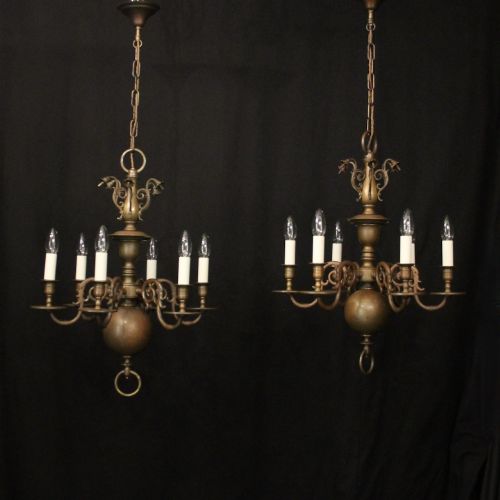
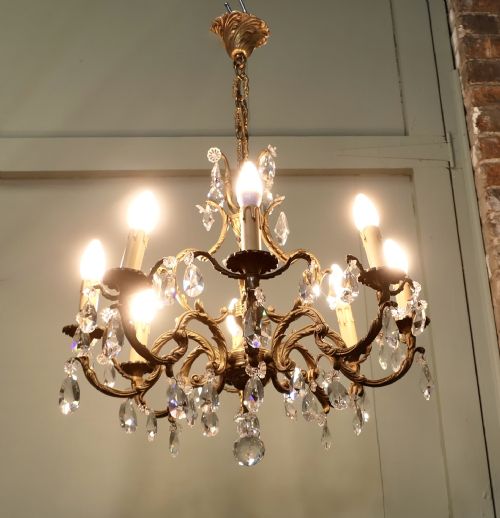
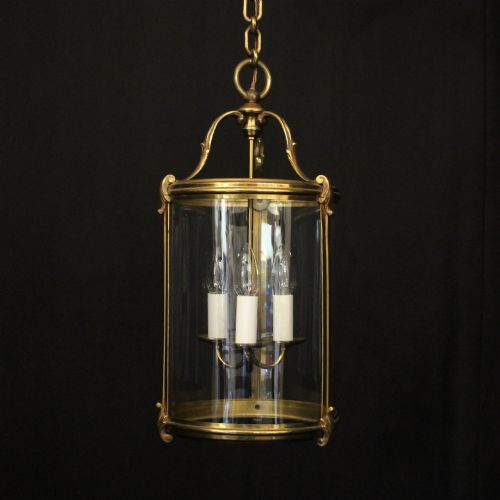
These traditional ceiling fixture designs span brass, bronze and crystal chandeliers, hall lanterns and glass plafonniers built to illuminate period rooms.
Traditional Ceiling Fixture
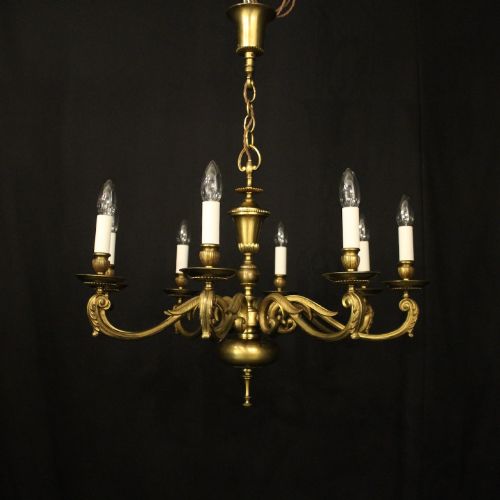
A traditional ceiling fixture brings together multi-arm chandeliers, hanging hall lanterns and ceiling lights made to illuminate larger rooms and entrance halls from the nineteenth century into the nineteen-thirties.
The selection centres on French, English and Italian pieces, drawing on styles from the Victorian and Edwardian eras through to the Empire Revival and French Rococo.
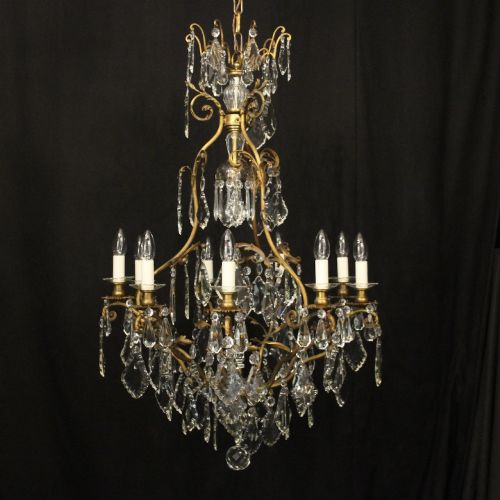
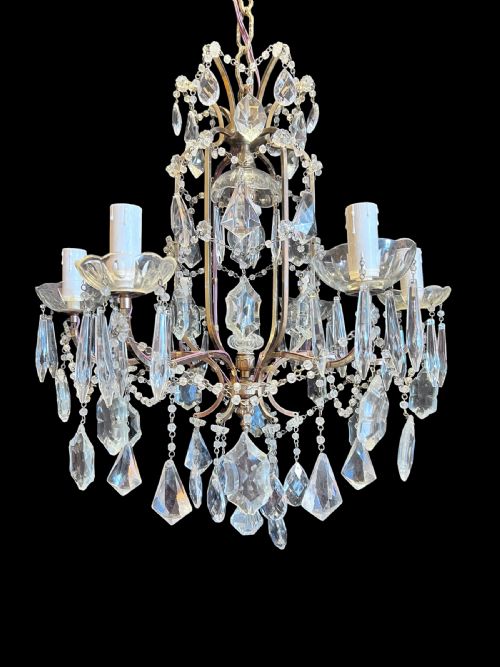
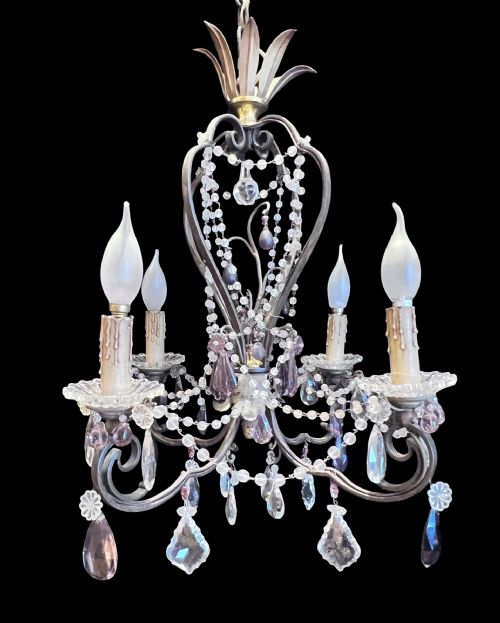
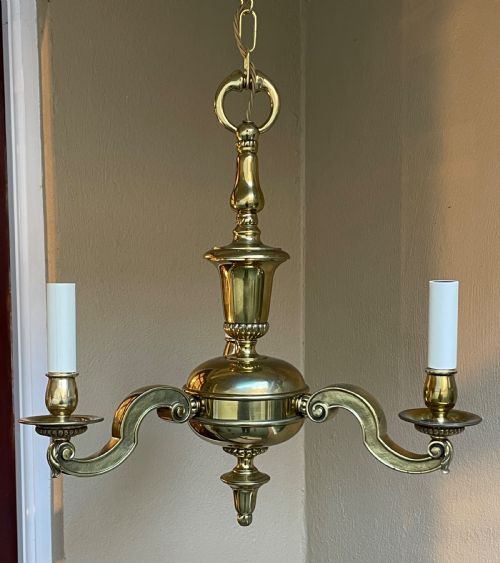
Buyers meet everything from compact three-branch cast brass fittings to large twelve-light crystal chandeliers hung with glass lustres.
How they were made
Metalwork relies on cast brass, bronze, copper and gilt brass frames, shaped into arms, branches and lantern cages.
Lighting elements incorporate cut glass, crystal drops, moonstone and white alabaster shades secured to the metal structures.
What varies in quality
Quality rests in the weight and crispness of the cast metalwork, where finely chased bronze and gilt brass outshine simpler pressed components.
The finish of the glass components sets the standard, with hand-cut crystal lustres and heavy moulded plafonniers holding greater visual depth than plain pressed glass.
The Traditional Ceiling Fixture Glossary
- Chandelier
- A branched ceiling-mounted lighting fixture designed to hold multiple lamps or candles. These pieces often feature glass crystal drops and elaborate metal arms.
- Plafonnier
- A shallow or dome-shaped ceiling light mounted close to the ceiling surface. They frequently utilise cut glass or moonstone bowls.
- Hall lantern
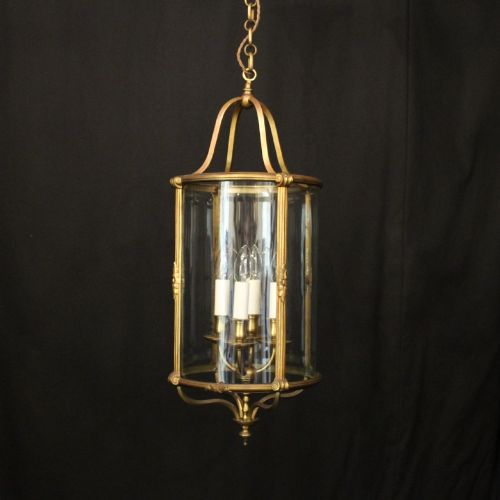
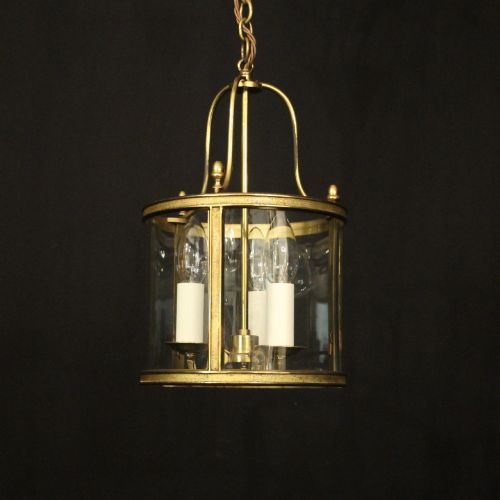
- An enclosed hanging light designed for corridors and entrance halls. They appear in brass and bronze frames with glass panels.
- Lustre
- A cut glass pendant hung from a chandelier to refract the light. They range from simple spear shapes to coloured crystals.
- Empire Revival
- A nineteenth-century design style drawing on classical Roman, Greek and Egyptian motifs. This look is seen in structured multi-light chandeliers.
Traditional Ceiling Fixture: Frequently Asked Questions
How do I choose the right size fixture?
Scale the piece to the dimensions of the room and the ceiling height. Larger multi-arm chandeliers require ample clearance beneath them.
Smaller halls and corridors suit compact lanterns or flush-mounted plafonniers that keep walkways clear.
Can these antique lights use modern bulbs?
Most wired fixtures accommodate standard modern candle lamps or bulbs. Check the lampholders and wiring during installation.
Rewiring may be necessary for older fittings to ensure safety and compliance with current electrical standards.
How do I clean crystal and glass fixtures?
Remove delicate glass drops and crystal lustres for gentle washing in warm soapy water. Dry them thoroughly before rehanging.
Wipe down brass and bronze frames with a soft dry cloth, avoiding abrasive metal polishes that remove aged patination.
How do I identify an Edwardian ceiling light?
Edwardian pieces often feature lighter brass frameworks and delicate cut glass shades. They reflect a shift towards brighter, simpler interiors.
Look for refined cast brass details and plafonniers dating from the early decades of the twentieth century.