
Traditional Carved Desk
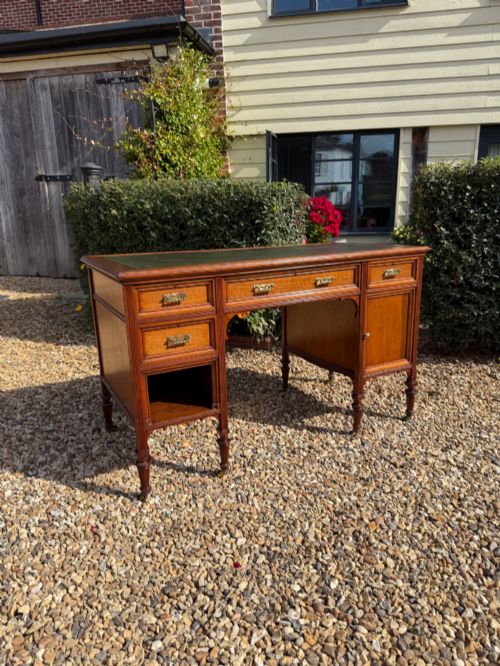
A traditional carved desk offers a sturdy timber workspace with detailed enrichment, bringing historic craft directly into a home office.
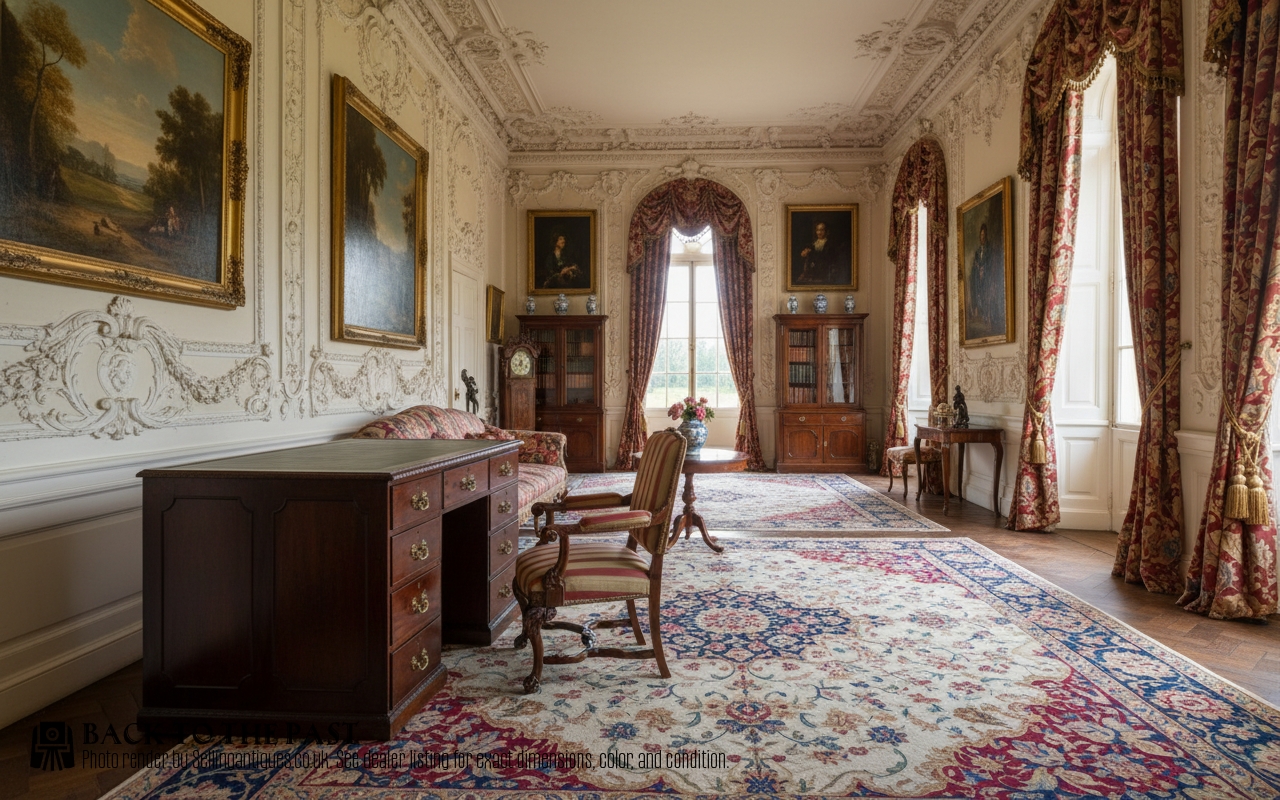
Traditional Carved Desk
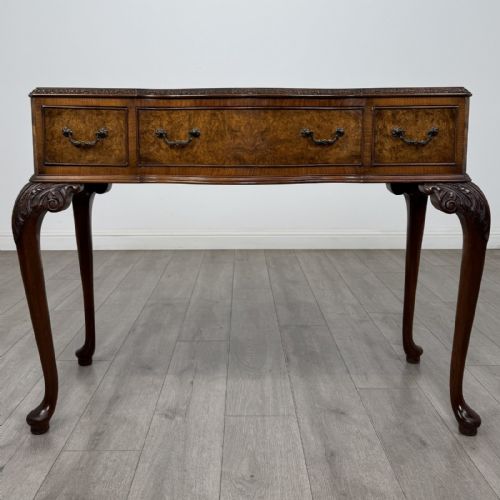
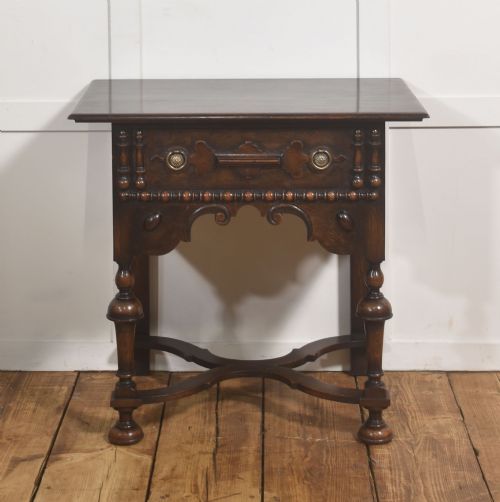
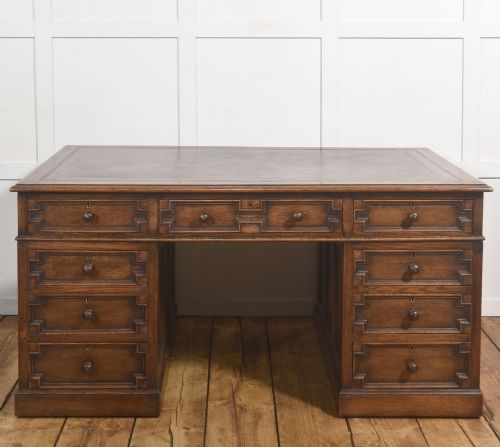
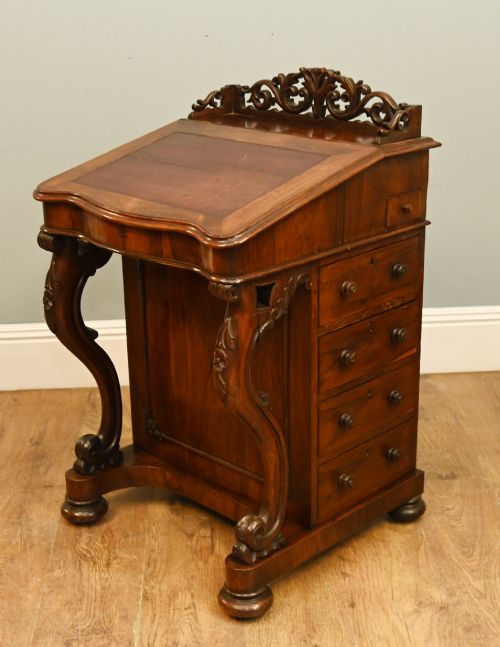
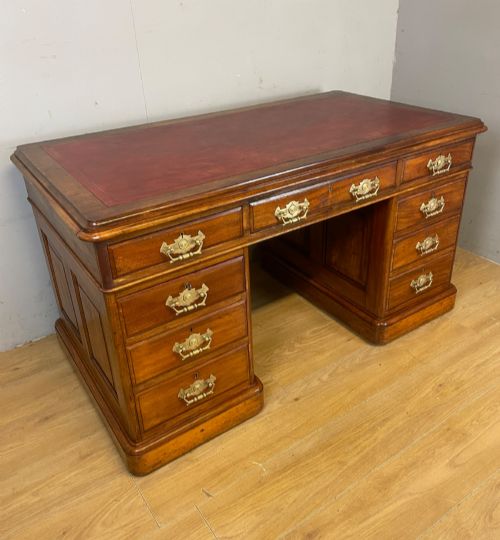
A traditional carved desk is a functional writing station built from solid hardwoods and finished with period ornamentation. When you search for a traditional carved desk, you encounter various formats including pedestals, partners pieces, and slope-front writing cabinets.
Most examples originate from the Victorian and Edwardian eras, spanning the nineteenth and early twentieth centuries. These period iterations rely on robust timbers such as mahogany and oak to support daily administrative tasks.
Desks from this grouping often incorporate writing surfaces lined in leather or feature distinctive carved details like linenfold panels. Each surviving piece reflects the domestic workspace requirements of past generations.
Materials and construction methods
Makers utilised dense timbers including mahogany, oak, and walnut to construct the primary carcase and drawers of each desk. These woods were selected for their structural stability and ability to hold crisp hand-carved details.
Surfaces frequently integrate panels of supple leather to provide a suitable writing medium. Brass fittings such as handles and drawer pulls complete the hardware assembly.
Cabinetmakers employed traditional joinery techniques to ensure longevity, pairing solid timber framing with dovetailed drawer construction.
Historical desks occasionally retain old ink stains inside the top drawers, proving previous owners put their writing tools straight away.
Evaluating desk craftsmanship
The standard of a traditional carved desk depends largely on the depth and precision of its ornamentation. Crisp, hand-chiselled foliage or linenfold motifs separate superior work from simpler machine-routed pieces.
Timber selection dictates overall resilience, with figured burr walnut or dense Cuban mahogany commanding greater attention than plain secondary woods. The integration of original brass hardware further distinguishes higher grade examples.
Structural integrity, including smooth drawer operation and stable pedestals, determines the practicality of the desk for daily use.
Charles Tozer·Alfred Allen of Birmingham·C.Bechstein
The Traditional Carved Desk Glossary
- Pedestal desk
- A heavy writing table supported by two banks of drawers flanking a central kneehole. This form provides substantial storage capacity within a compact floor footprint.
- Partner's desk
- A large double-sided writing table designed for two people to work face to face. These configurations duplicate drawer and cupboard access on both sides.
- Linenfold
- A carved wood panel motif resembling folded cloth or parchment. This decorative technique appears frequently on Edwardian oak cabinetry.
- Bureau
- A sloping desk lid that folds down to reveal a fitted interior of pigeonholes and small drawers. Bureaux often incorporate lower drawer banks for paperwork storage.
Traditional Carved Desk: Frequently Asked Questions
What periods do these desks cover?
The listings span the Victorian, Edwardian, and Georgian eras alongside nineteenth and early twentieth century periods.
Craftsmen built these items using traditional timbers like mahogany, oak, and walnut according to period design trends.
How do I maintain a leather top?
Leather writing surfaces require gentle cleaning with a slightly damp cloth to remove dust and debris without saturating the material.
Applying specialised leather balms periodically helps prevent the surface from drying out and cracking over time.
Are pedestal desks easy to move?
Pedestal desks typically separate into distinct sections, including two drawer columns and a heavy top board, for easier transport.
Lifting the components individually reduces the overall weight and protects the structural joinery during relocation.
What is a partner's desk?
A partner's desk is a large workspace designed with matching drawers and cupboards on both sides so two individuals can work opposite each other.
These pieces were traditionally manufactured for offices and libraries where administrative tasks required shared access.