


Traditional Canopy Bed
A traditional canopy bed anchors a room with soaring vertical posts and an overhead tester, bringing historic weight and architectural presence to modern sleeping quarters.
Traditional Canopy Bed
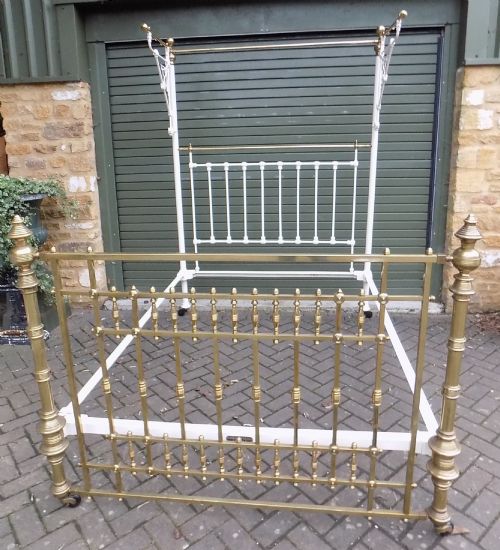
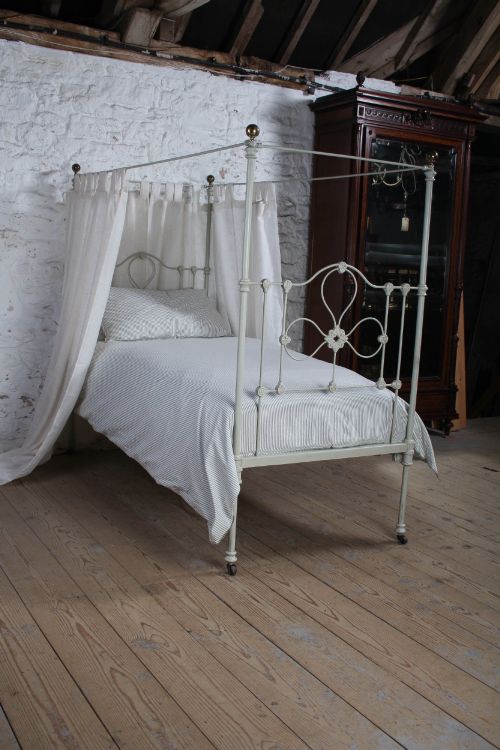
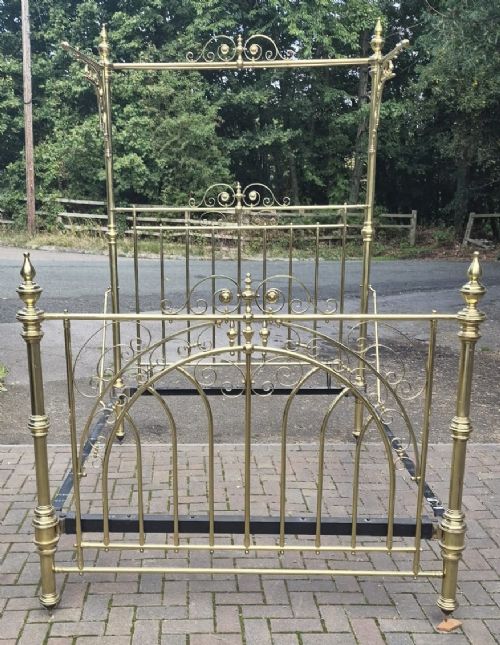
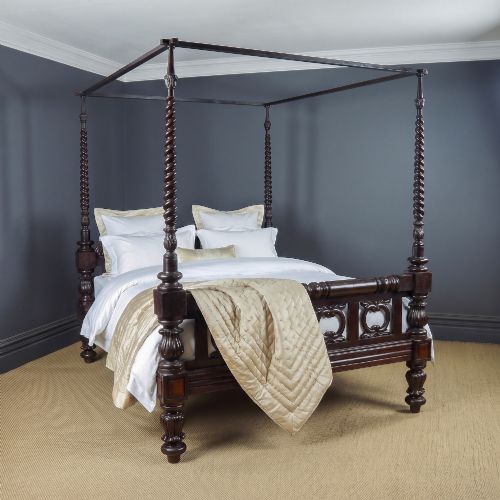
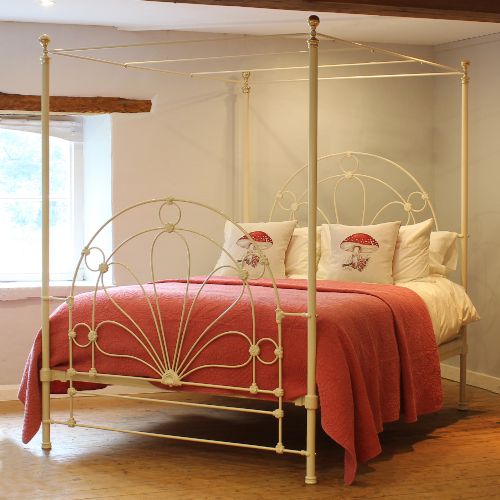
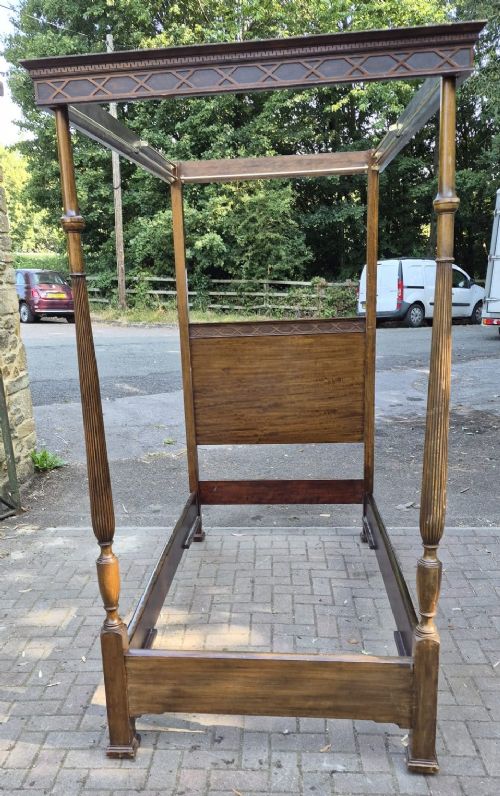
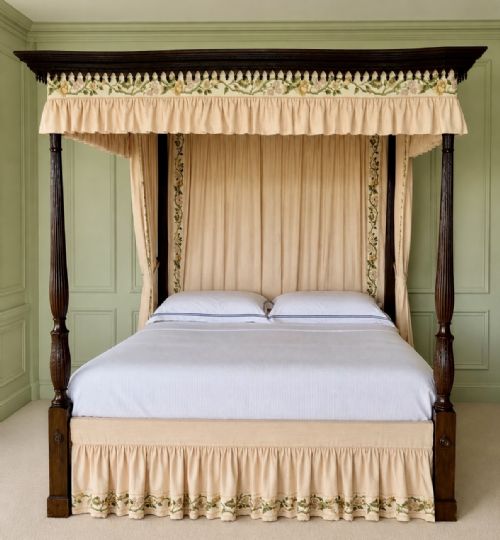
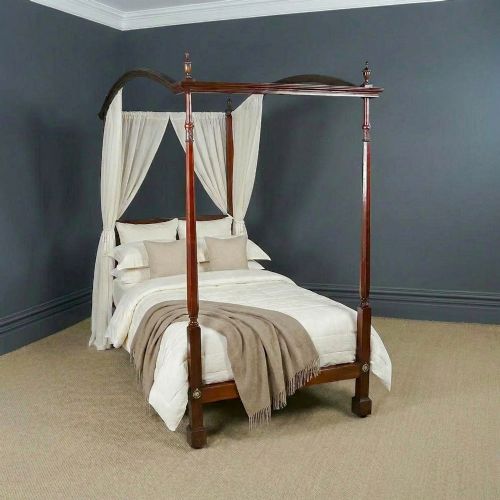
A traditional canopy bed stands as a monumental piece of furniture defined by four vertical posts supporting an upper frame or tester. Buyers seeking this form encounter substantial timber frameworks alongside lighter metal half tester constructions.
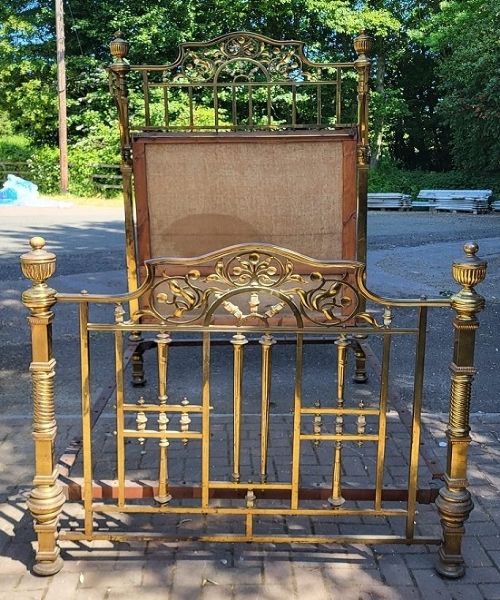
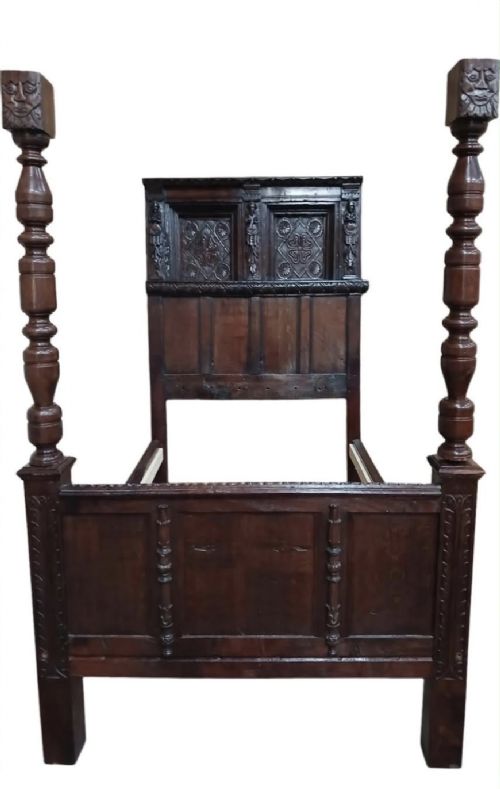
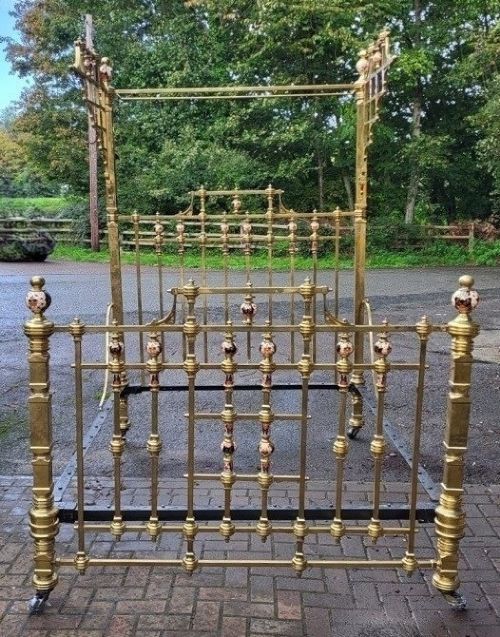
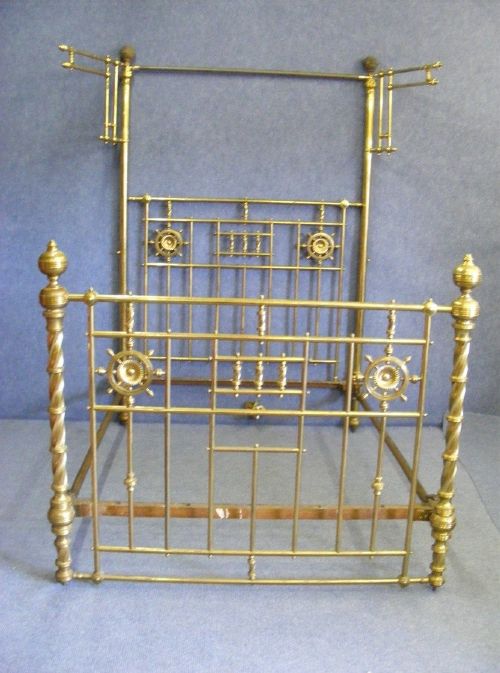
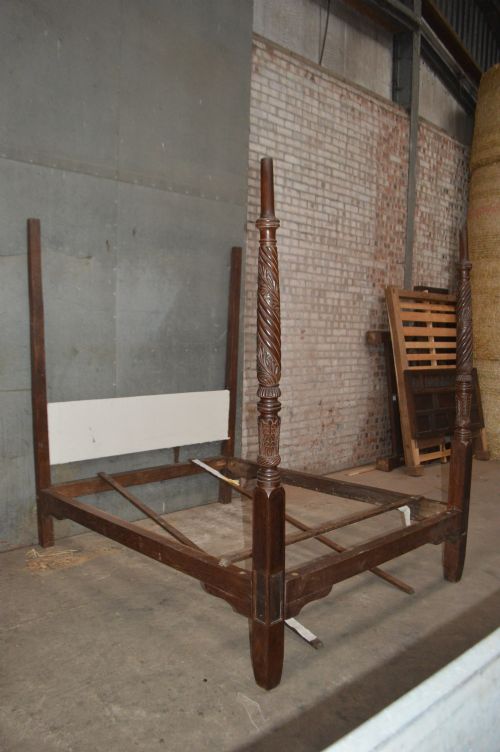
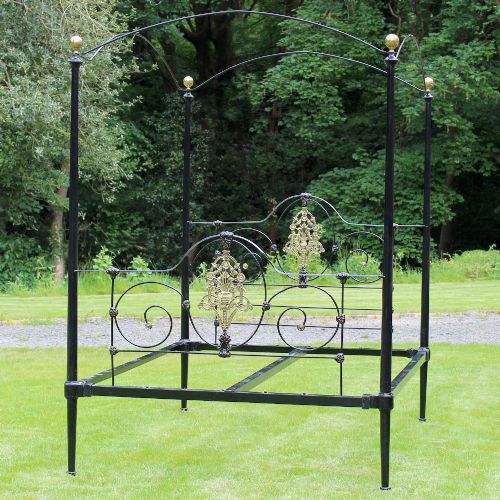
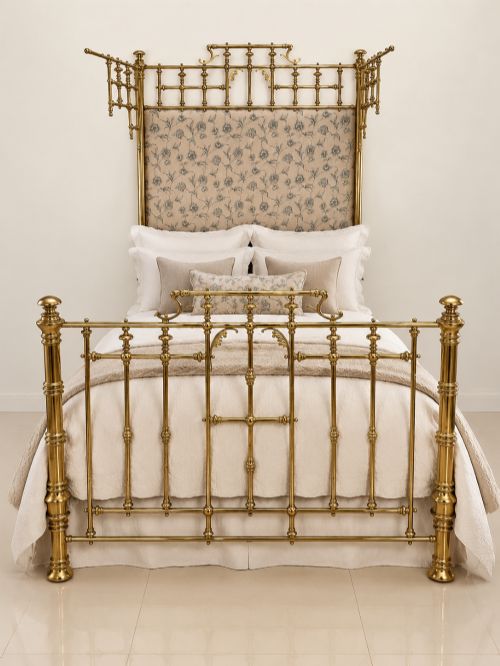
The selection ranges from seventeenth-century joined oak frames with carved details to Victorian brass and iron bedsteads, as well as nineteenth-century Chinese lacquered wedding beds. Mahogany and cast iron examples frequently appear across the periods represented.
Most pieces on this page lean towards Victorian brass half testers and nineteenth-century mahogany four poster beds. Regional variations include Anglo-Indian and colonial mahogany formats alongside domestic oak designs.
Materials and Construction Methods
Makers utilised dense hardwoods such as oak, mahogany, and fruitwood inlay, joining structural elements with traditional pegged mortise and tenon joints on older formats. Later nineteenth-century examples incorporated durable cast iron and polished brass tubing for rigid half tester frames.
Surface finishes varied from natural wax polish on figured timber grains to applied black, cream, and red lacquer or paintwork. Textile elements, including fabric canopies and drapery, softened the hard architectural lines of the wooden or metal frames.
Traditional Canopy Bed Retail Price Guide 2026
Typical asking prices for traditional canopy bed among the pieces listed under this phrase on Sellingantiques today, from the lower quarter to the upper quarter. They describe what is for sale here now, not the wider market.
Listings span seventeenth-century joined oak to twentieth-century Edwardian mahogany, with Victorian brass half testers forming a distinct group.
Assessing Craftsmanship and Proportion
Quality rests in the architectural proportion of the posts and the depth of hand-carved ornamentation on cornices and headboards. Superior pieces maintain crisp jointing and original surface patination without excessive rebuilding.
Metal bedsteads demonstrate quality through the weight of the brass castings, the integrity of the iron framework, and the crispness of applied decorative mounts. Exhibition pieces display finer detailing and heavier gauge materials than standard domestic versions.
Heals of London·Howard and Sons·RW Winfield
The Traditional Canopy Bed Glossary
- Half tester
- A wall-mounted or post-supported canopy that projects over only the head portion of the bed rather than covering its full length. This form frequently pairs with Victorian brass frames.
- Bedstead
- The structural framework of a bed, including the posts, rails, and headboard, excluding the mattress and bedding. This term appears frequently in nineteenth-century metal designs.
- Marriage bed
- A ceremonial or domestic sleeping structure, often heavily carved or lacquered in red, associated with traditional Chinese households. These pieces incorporate enclosed platforms and elaborate wooden framing.
- Mortise and tenon
- A fundamental woodworking joint where a projecting tongue fits snugly into a corresponding cavity to lock timbers at a right angle.
Traditional Canopy Bed: Frequently Asked Questions
How do I fit a modern mattress into an antique canopy bed?
Many older frames predating standard sizing require custom-made mattresses to fit the interior wooden or iron rails properly. Professional upholsterers or specialist bed makers can supply a bespoke mattress base that drops securely into the antique frame.
Buyers should measure the interior width and length precisely between the corner posts before ordering modern bedding or support slats. Adjustments to side rails are sometimes necessary to accommodate standard modern lengths safely.
How do I care for polished brass and iron bedsteads?
Brass and iron frameworks require regular dusting with a dry, soft cloth to prevent surface grime accumulation over time. Avoid harsh chemical cleaners that strip the protective lacquer applied to nineteenth-century metalwork.
Inspect structural joints and bolt connections periodically to ensure the metal frame remains rigid and stable. Wrought iron elements benefit from occasional light lubrication on threaded fasteners.
How do I date an antique oak canopy bed?
Seventeenth-century oak beds typically display pegged joinery, hand-planed surfaces, and carved panel headboards reflecting Elizabethan or Jacobean styles. Tool marks left by pit saws and adzes provide physical evidence of early hand construction.
Later Victorian revivals imitate these early forms but utilise machine-sawn timber and modern steel fixings. Examining the interior construction and timber shrinkage patterns reveals the true age of the framework.