
Traditional Button Back Chairs
Traditional button back chairs bring enduring comfort to a room, offering deep upholstery and structured support shaped by nineteenth-century workshops.
Traditional Button Back Chairs
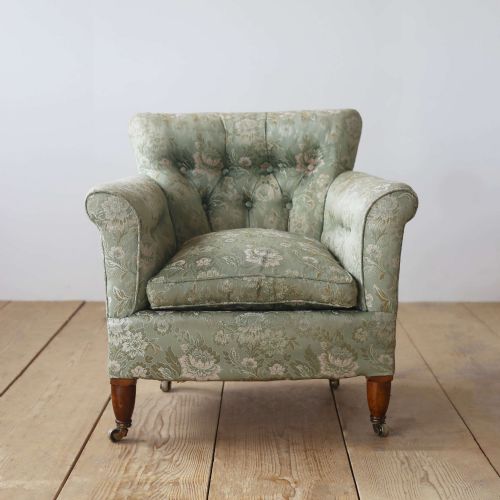
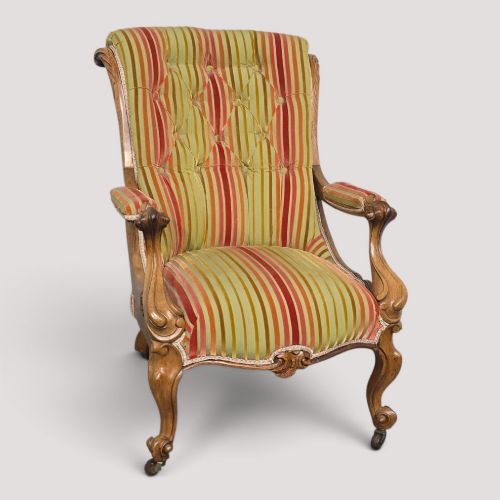
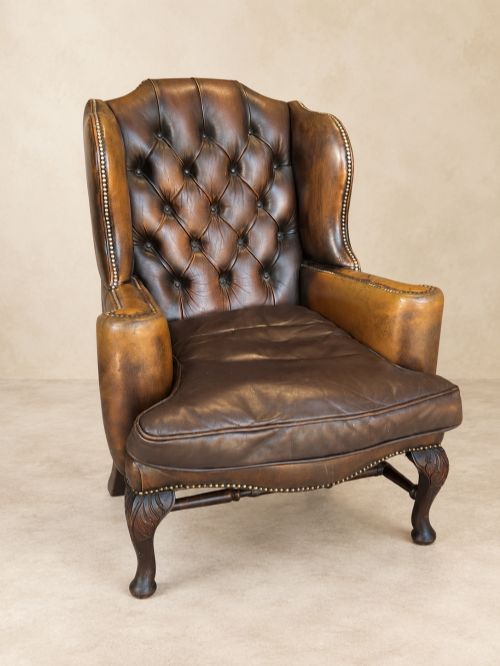
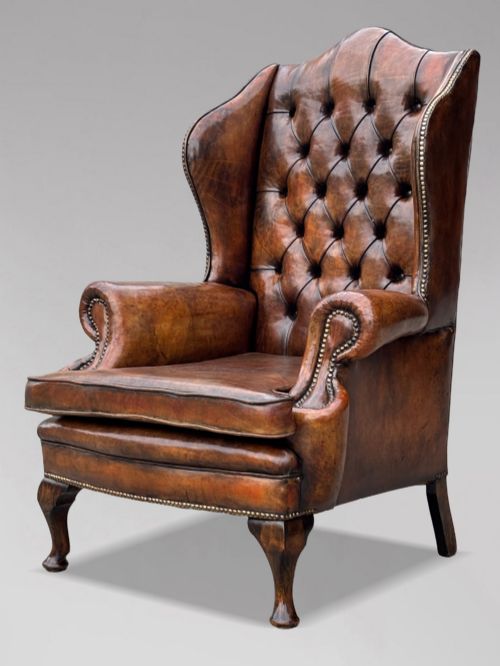
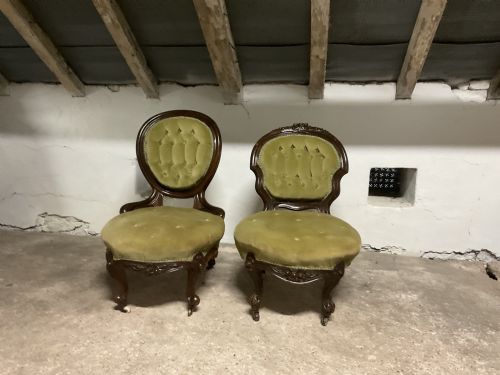
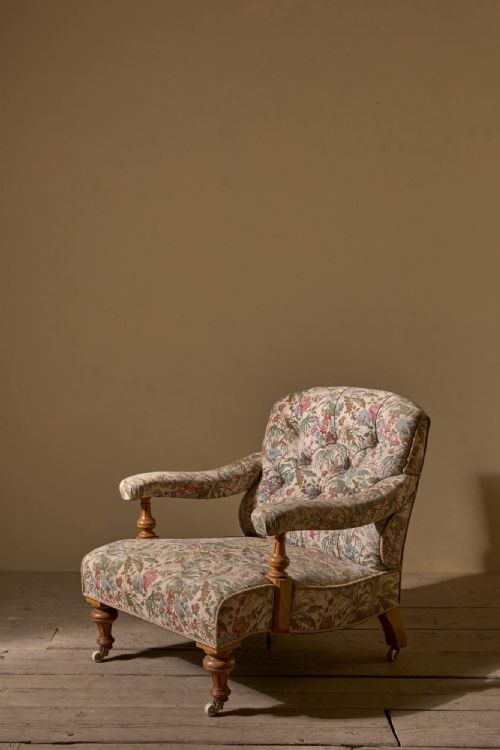
Traditional button back chairs span forms such as library armchairs, nursing chairs, slipper chairs, and wing chairs. These seating pieces emerge predominantly from nineteenth-century periods, including Victorian, Regency, and William IV eras.
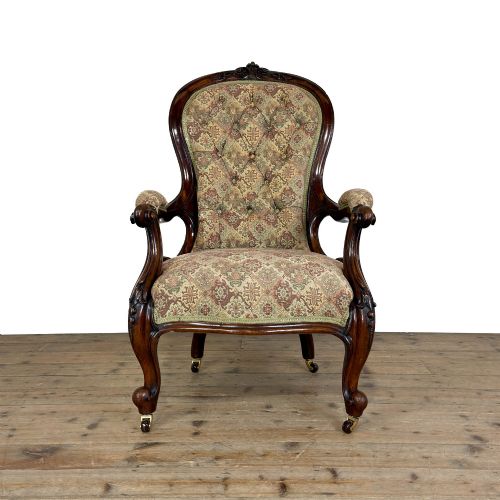
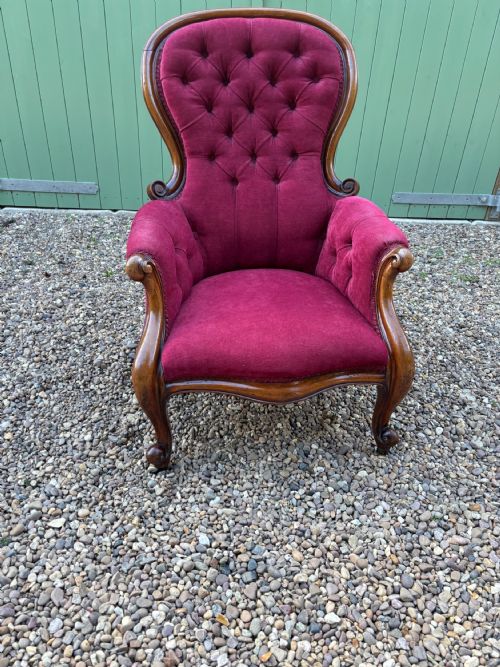
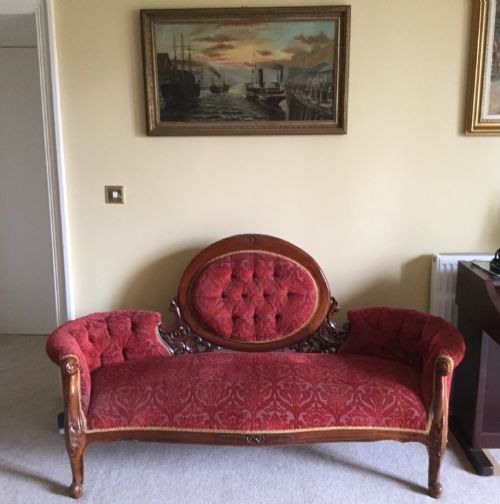
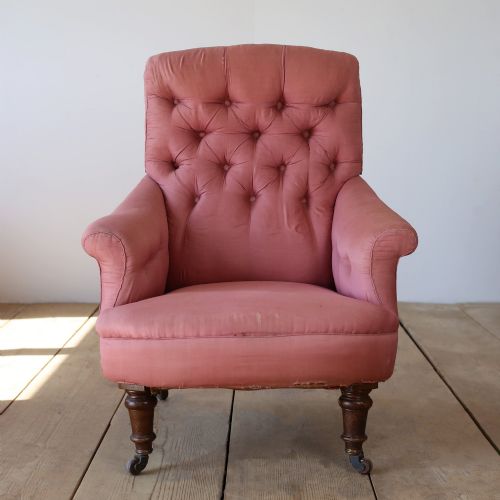
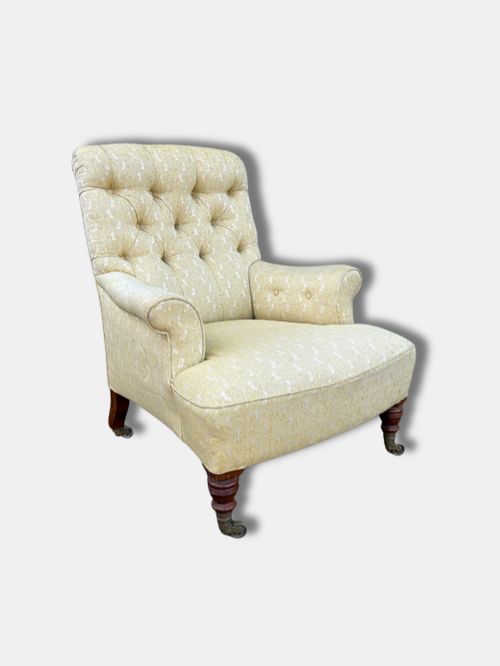
Makers and workshops construct these chairs using woods like mahogany and rosewood, paired with leather, velvet, or fabric upholstery. The defining feature remains the deep buttoning that secures the padding and creates a textured grid across the backrest.
How they were made
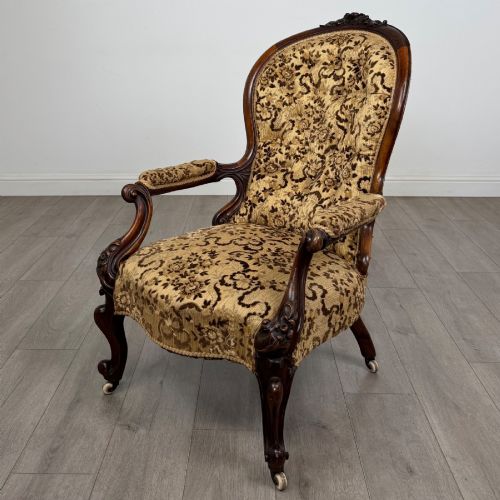
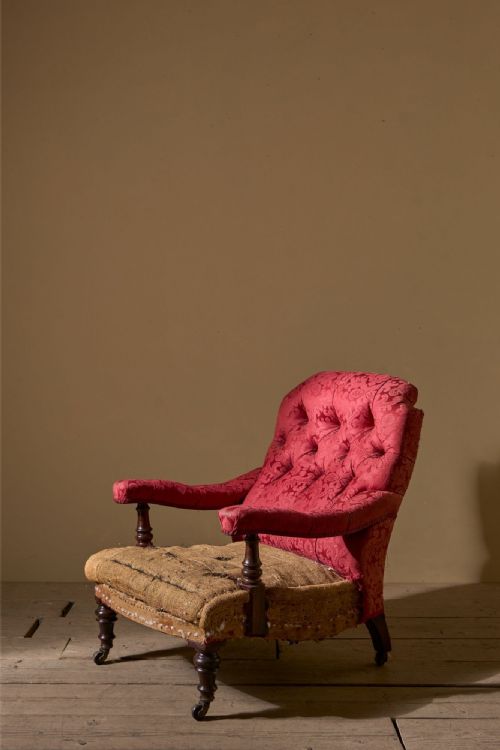
Craftsmen shape frames from hardwoods such as mahogany, oak, and rosewood, often incorporating carved details or brass castors on the legs. Upholstery involves internal materials like hessian and calico to support layers of padding beneath outer coverings of leather, velvet, or brocade.
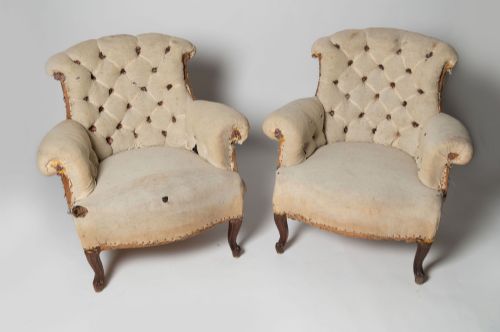
Deep buttoning requires pulling upholstery threads firmly through the padding and securing them to the wooden frame behind, creating distinctive indentations. This technique keeps internal stuffing evenly distributed while forming the characteristic pleated surface.
Periods represented span nineteenth-century eras, including Victorian, Regency, Edwardian, and William IV.
What varies in quality
The integrity of the internal wooden frame and the precision of the joinery set the foundation for durability. Solid mahogany, oak, or rosewood frames provide greater structural stability than softer alternatives.
Upholstery execution distinguishes standard work from exceptional pieces, particularly in the symmetry of the buttoning and the choice of outer covering. High-grade leather, silk velvet, or heavy brocade paired with traditional stuffing materials elevate the finish.
Howard and Sons·Gillows
The Traditional Button Back Chairs Glossary
- Button back
- An upholstery method where tufting buttons are pulled deep into the padding to create a diamond pattern. This technique secures internal stuffing while adding decorative texture.
- Wing armchair
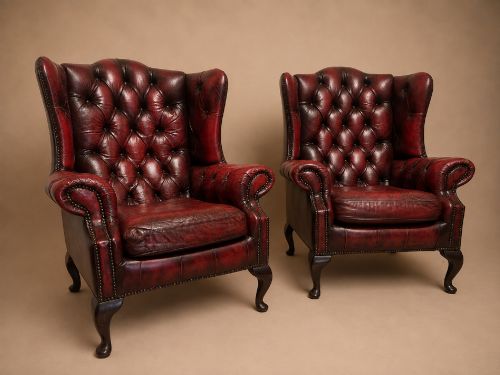
- A high-backed seat featuring protective side panels designed to deflect drafts from the fireplace. These chairs frequently incorporate leather upholstery and deep buttoning.
- Nursing chair
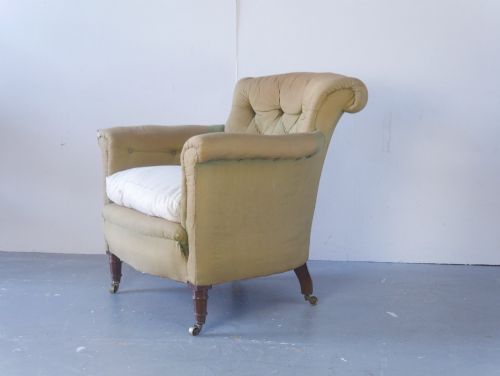
- A low-seated armchair historically designed for feeding infants or sewing comfortably near the hearth. They often feature upholstered frames and turned wooden legs.
- Library armchair
- A sturdy, substantial seating piece built for reading rooms and studies, typically constructed from mahogany or rosewood. They often feature padded armrests and deep seats.
- Bergère
- An enclosed armchair with wooden framing and woven cane panels on the back and sides. Some variations incorporate upholstered cushions instead of cane.
Traditional Button Back Chairs: Frequently Asked Questions
What defines a traditional button back chair?
These seats feature deep upholstery secured by buttons arranged in a grid pattern across the backrest.
They appear across various nineteenth-century forms, including library armchairs, nursing chairs, and wing chairs.
How do I identify a Victorian button back chair?
Victorian examples typically rely on mahogany or oak frames combined with leather, velvet, or fabric coverings.
Details like turned wooden legs, brass castors, and robust internal webbing help indicate the period.
Where were these chairs used historically?
Library armchairs and club chairs found placement in studies and drawing rooms for reading and relaxation.
Smaller forms like nursing chairs and slipper chairs served bedrooms and private sitting spaces.
What materials are used in button back upholstery?
Outer coverings commonly consist of brown leather, velvet, or brocade secured over internal layers of calico and hessian.
Frames beneath the padding utilise hardwoods such as mahogany, rosewood, and oak.