
Traditional Brown Sideboard
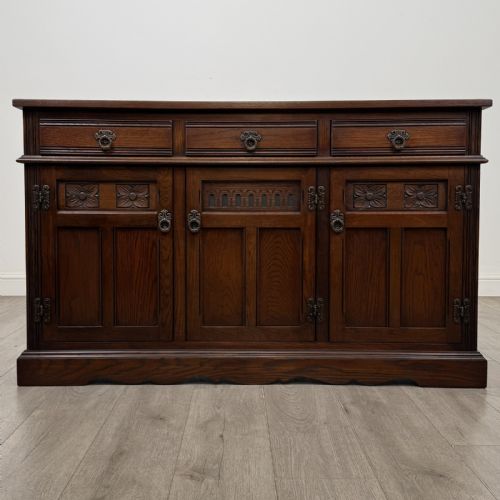
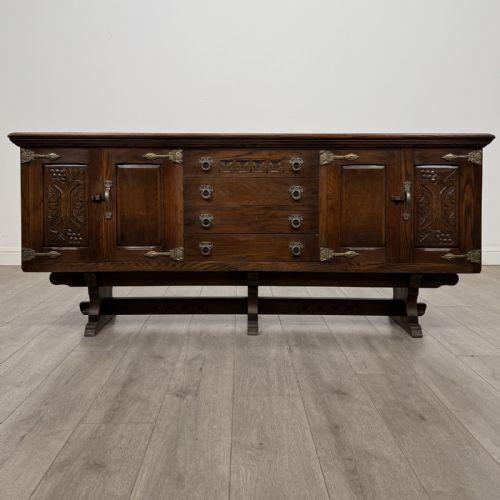
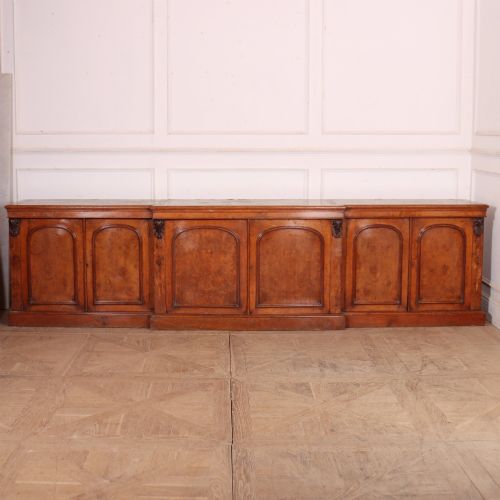
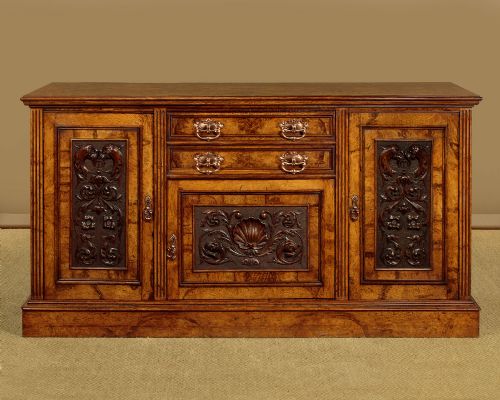
A traditional brown sideboard brings substantial timber storage into a room, offering deep drawers and surface space rooted in centuries of cabinet-making.
Traditional Brown Sideboard
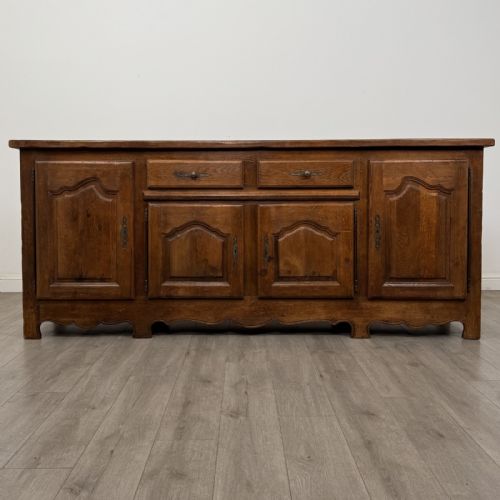
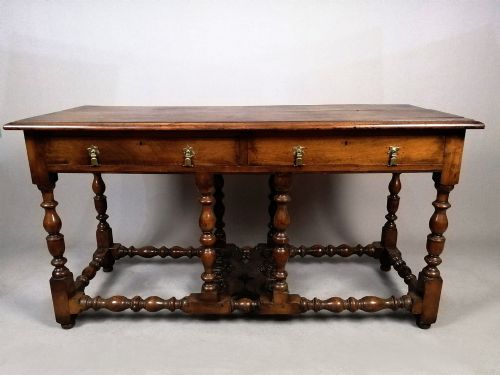
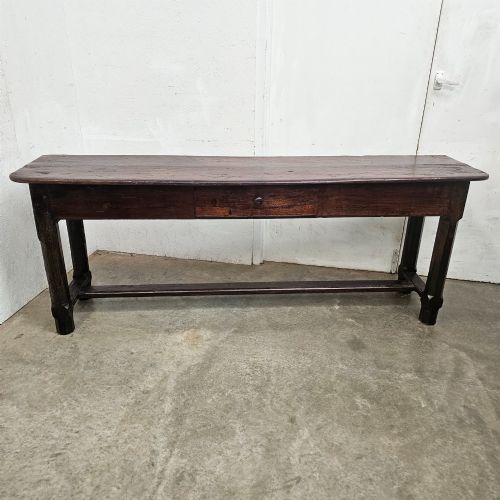
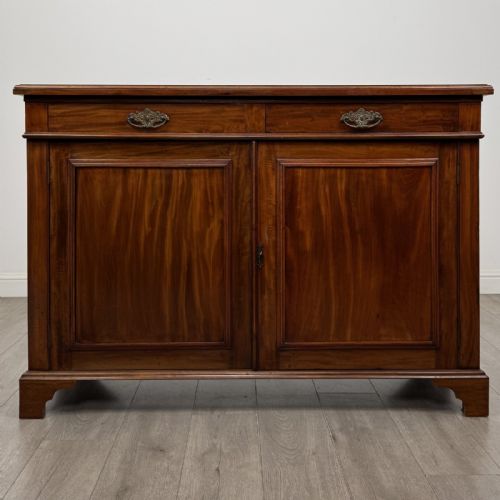
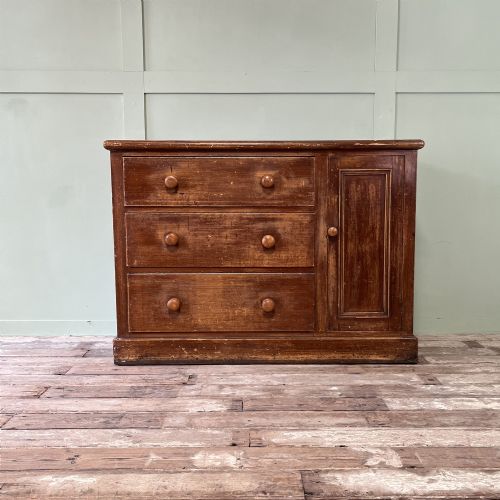
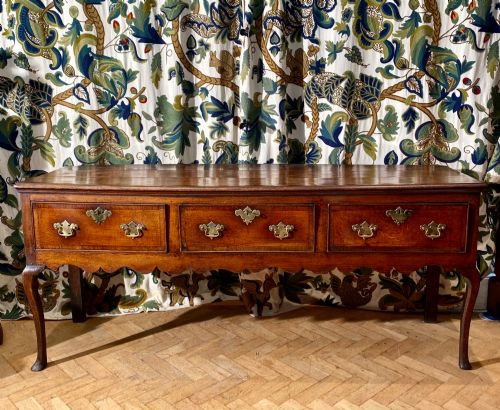
When searching for a traditional brown sideboard, a buyer encounters a diverse group of storage furniture spanning several historic periods and regional workshops. These pieces range from substantial 18th-century oak dresser bases to Victorian mahogany cupboards and Edwardian serving tables.
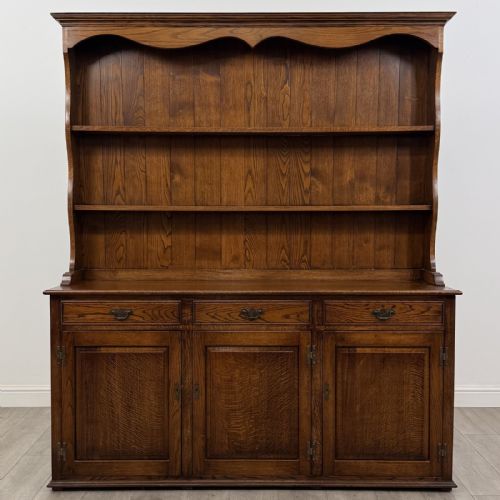
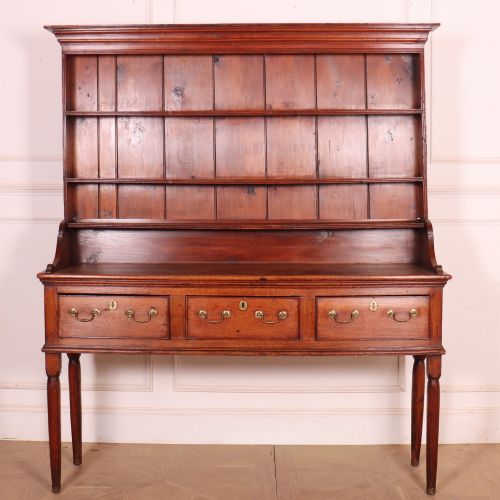
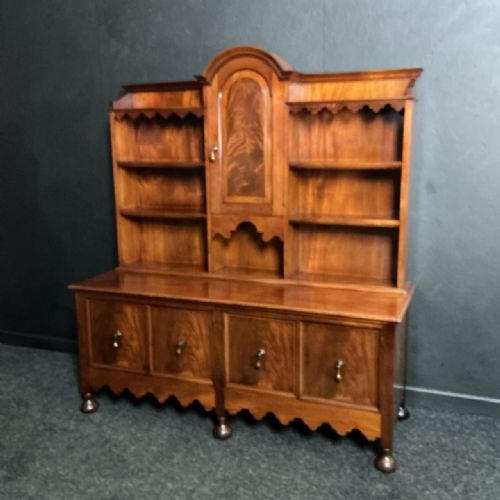
The most common examples on this page are constructed from oak, mahogany, and pine, reflecting the dominant native and imported timbers utilised by British and European makers. Forms extend beyond standard sideboards to include Welsh dressers with plate racks, low linen press cupboards, and serpentine chests of drawers.
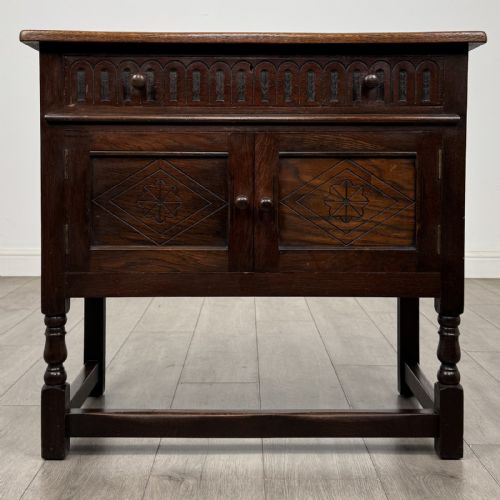
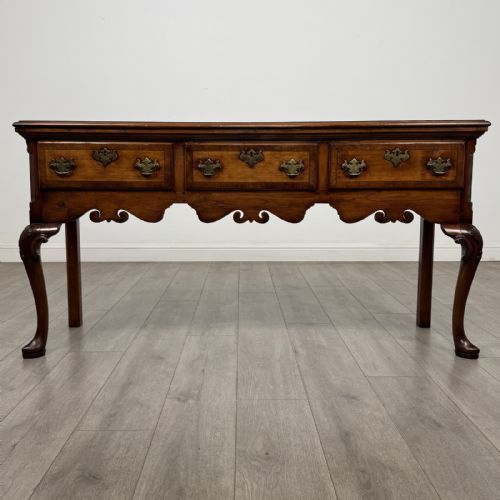
Originating largely from domestic kitchens, dining rooms, and country houses, these brown furniture forms provide practical utility alongside period character. Whether built with stretcher bases, bracket feet, or cabriole legs, each piece serves the foundational purpose of holding dining ware and household goods.
Materials and Construction
Cabinet-makers relied heavily on solid hardwoods like oak, mahogany, and walnut, frequently pairing them with secondary timbers such as pine and elm for interior drawer linings and backboards. These materials were selected for structural integrity and finished with hand-carved detailing, inlaid elements, or simple glazed panels.
Joinery techniques dictated the longevity of each cupboard or dresser base, employing traditional mortise and tenon frames alongside dovetailed drawer construction. Surfaces often display natural grain patterns enhanced by historic wax finishes, though occasional pieces retain original paint or polychrome decoration.
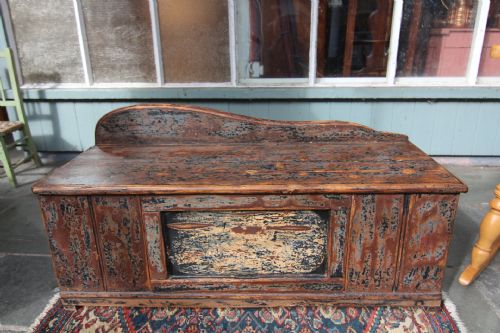
One unexpected item on this page is a polychrome barge box seat, bringing brightly painted canal folk art into the brown furniture lineup.
Factors That Separate Examples
The degree of hand-carved detailing, the complexity of the timber grain such as burr walnut or pollard oak, and the integrity of original hardware distinguish finer pieces from simpler utility items. Superior examples retain their original feet, handles, and backboards without extensive timber replacement.
Proportion and scale also define the hierarchy, where balanced breakfront designs or well-executed serpentine fronts require a higher level of joiner skill than straightforward rectangular carcass forms.
The Traditional Brown Sideboard Glossary
- Dresser base
- A low cabinet with drawers and cupboards, originally used in kitchens for food preparation and storage.
- Serpentine
- A furniture front curved in a concave-convex-concave shape, requiring advanced woodworking skill to execute properly.
- Stretcher base
- A system of horizontal timber rails connecting the legs of a table or sideboard near the floor to provide additional stability.
- Breakfront
- A cabinet or sideboard whose central section projects forward from the flanking sections.
- Bracket foot
- A simple, corner-bracket foot supporting a case piece, typical of 18th and 19th-century cabinet work.
Traditional Brown Sideboard: Frequently Asked Questions
What is a Welsh dresser?
A Welsh dresser combines a lower base of drawers and cupboards with an upper open plate rack for displaying ceramics and pewter.
These pieces served as the central storage hub in traditional country kitchens before built-in cabinetry became common.
How do I care for antique oak?
Maintain antique oak by applying a traditional beeswax polish sparingly and buffing it with a soft cloth to nourish the timber grain.
Keep wooden furniture away from direct heat sources and sudden humidity changes to prevent timber splitting.
What is a brushing slide?
A brushing slide is a pull-out wooden shelf integrated into the upper section of a chest of drawers or sideboard.
It was historically used for folding garments or brushing clothes before the introduction of modern wardrobes.