

Traditional British Countryside Artwork
Traditional british countryside artwork captures rural life through oil and watercolour, offering a quiet window into past pastoral scenes.
Traditional British Countryside Artwork
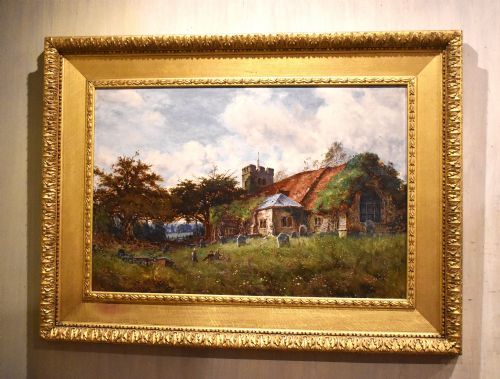
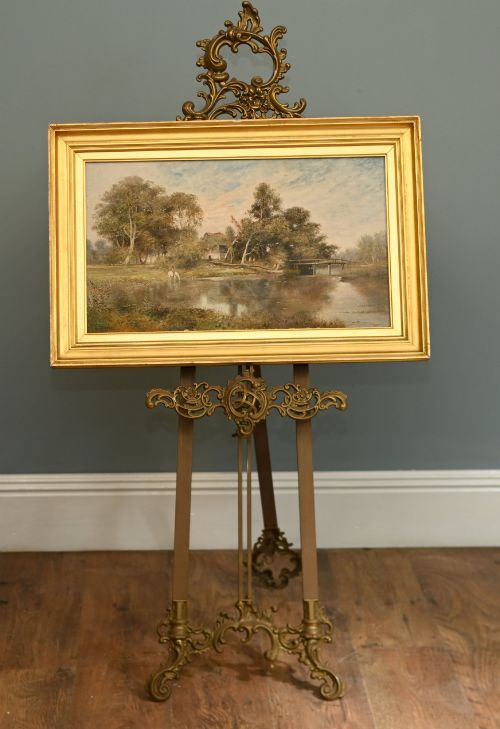
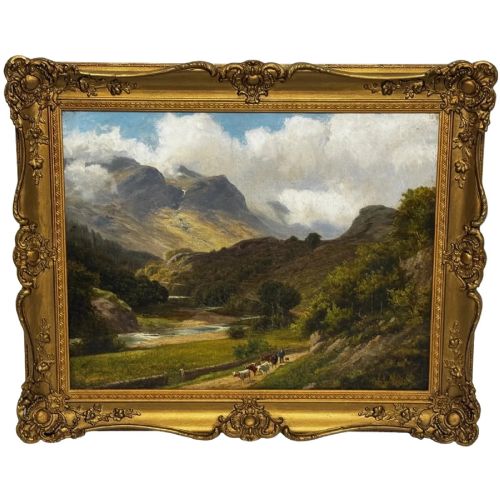
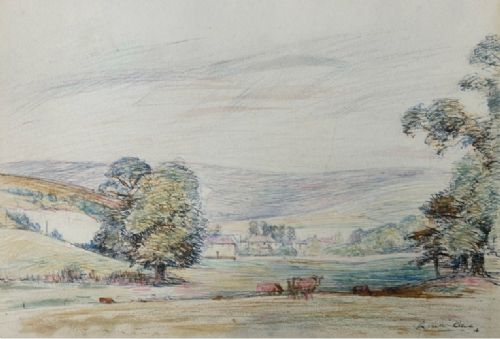
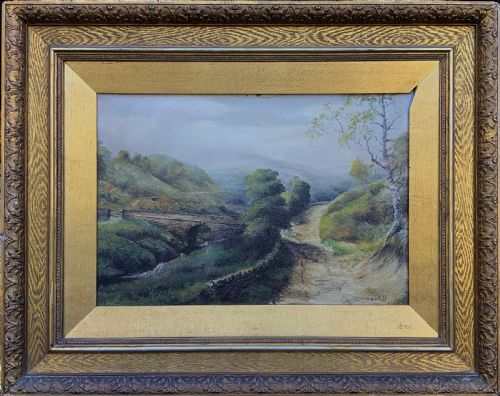
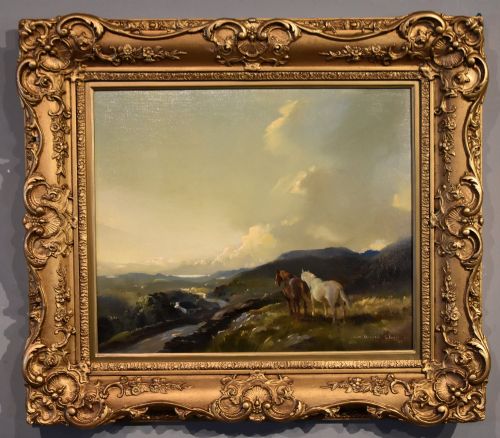
Traditional british countryside artwork encompasses painted scenes of rural life, rivers, farmland, and woodlands across Britain. These works record the changing character of fields, villages, and coastal areas through distinct regional lenses.
Most pieces encountered here originate from the nineteenth century into the mid-twentieth century, spanning Victorian, Edwardian, and later periods. The selection ranges from expansive oil canvases to delicate watercolours on paper.
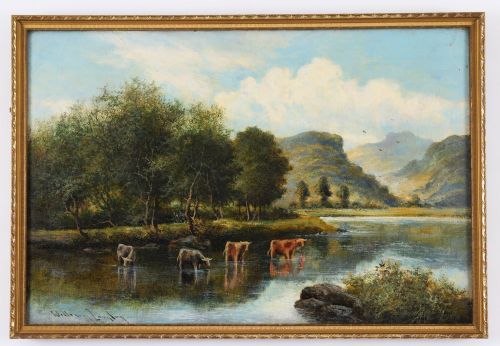
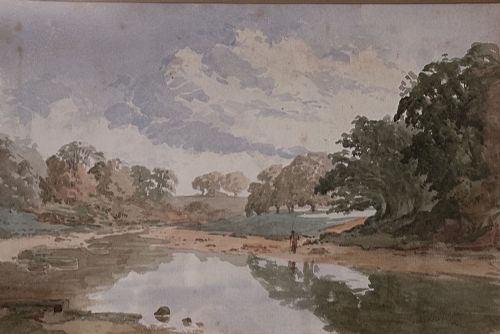
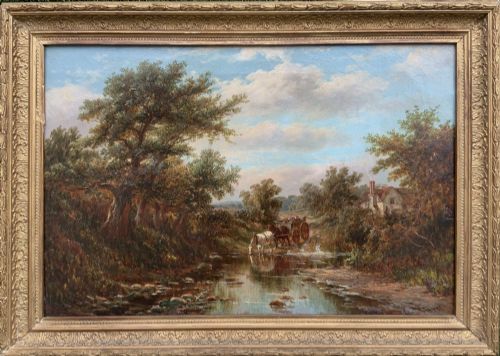
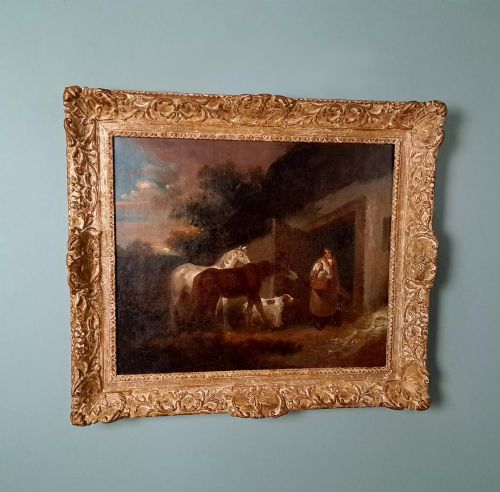
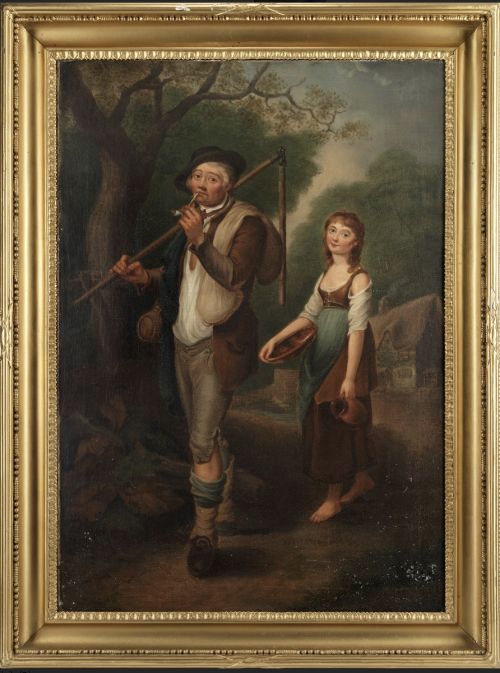
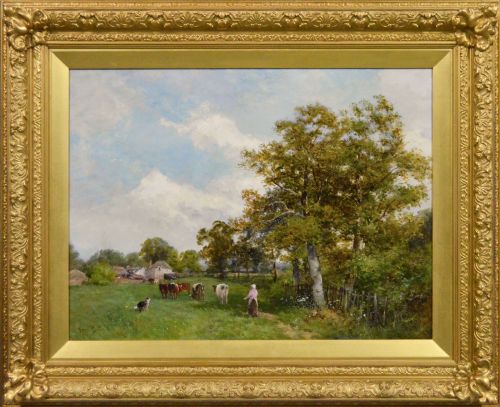
Subjects frequently include figures tending livestock, cottages nestled by rivers, and pastoral views from Wales, England, and Scotland. Painters of the English School and British Impressionism dominate the visual record.
Materials and Techniques
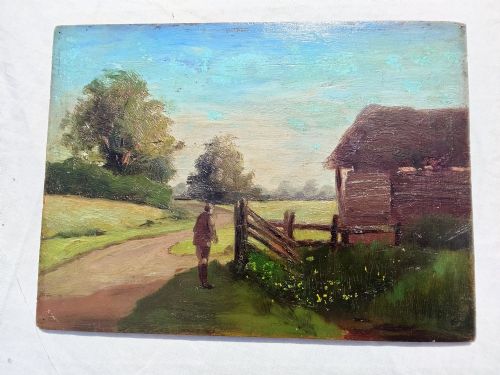
Artists relied primarily on oil paint applied to stretched canvas or wooden boards, alongside watercolours worked on paper. Giltwood and plain wooden frames complete the physical structure of these framed paintings.
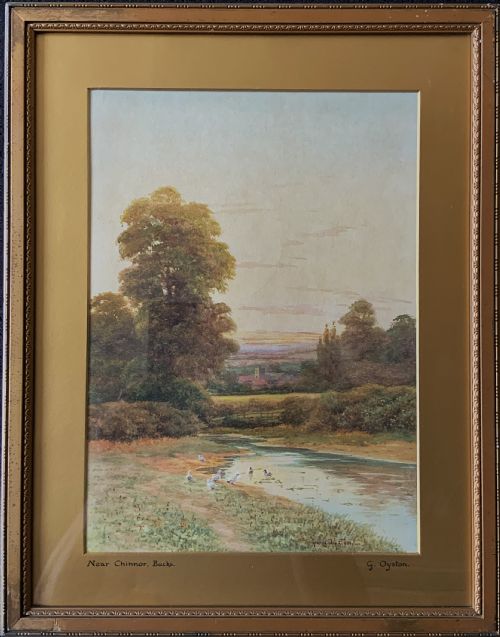
Brushes built up layers of pigment to capture light on water, texture in foliage, and atmospheric conditions such as passing showers or autumn sunlight. Watercolour artists used washes and fine linework to render riverbanks and open skies.
The listings span the nineteenth century through the 1960s, utilising oil paint, watercolour, canvas, wood panels, and giltwood frames.
Assessing Quality and Execution
Quality rests upon the artist's command of light, shadow, and proportion within the landscape. Finer works demonstrate confident brushwork that creates depth in woodlands and texture in livestock without stiffness.
The preservation of the pigment and the integrity of the original support, whether canvas, panel, or paper, influence the enduring clarity of the composition. Period framing also contributes to the historical completeness of a piece.
Richard Sebastian Bond·William H Myers·Thomas Barker of Bath·George Oyston·Hubert Wellington·Charles Walter Simpson·Henry Charles Fox·William Mellor
The Traditional British Countryside Artwork Glossary
- Oil on Canvas
- Pigment bound in drying oil applied to a woven fabric stretched across a wooden frame. This method allows for rich colour blending and textured impasto work.
- Watercolour Painting
- Pigments suspended in a water-soluble vehicle applied to paper. It yields transparent washes that capture delicate atmospheric effects.
- English School
- A classification grouping artists trained or working within British traditions from the eighteenth century onwards. It denotes shared stylistic influences rather than a single institution.
- Giltwood
- Wood carved and coated with a thin layer of gold leaf. Frames finished in this manner were standard for major nineteenth-century oil paintings.
- Pastoral Landscape
- A genre of artwork focusing on rural subjects, shepherds, farms, and idealized country life. These scenes emphasise harmony between humanity and nature.
Traditional British Countryside Artwork: Frequently Asked Questions
How do I date a landscape painting?
Dating relies on stylistic clues, costume details of figures within the scene, and framing materials. Signatures and stretcher inscriptions often provide direct confirmation of the execution period.
Comparative study of an artist's recorded working dates helps narrow down the decade of creation.
Where should I hang these artworks?
These pieces suit domestic living spaces, studies, or hallways where natural light illuminates the painted surface. Direct sunlight should be avoided to protect both watercolours and oil pigments over time.
Pairing the wooden or gilt frame with traditional interior decor enhances the visual impact of the rural scene.
What subjects are most common?
River valleys, livestock grazing in meadows, and thatched cottages feature frequently across the selection. Welsh and English rural topography forms the bulk of the regional focus.
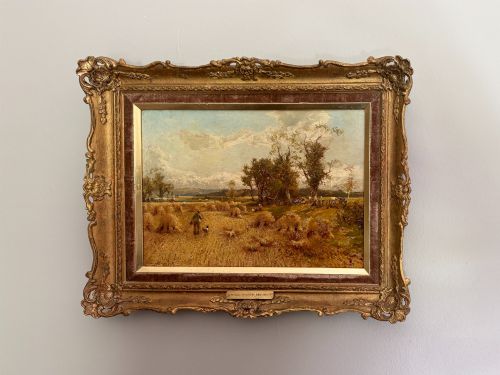
Seasonal views, particularly autumn harvests and summer riverbanks, appear repeatedly in the painted records.
How do watercolours differ from oils?
Watercolours use transparent washes on paper under glass, offering a lighter and more luminous finish. Oil paintings use heavier pigment layers on canvas or wood panel, creating deeper textures and richer tones.
Both mediums served artists recording the British countryside during the nineteenth and twentieth centuries.