

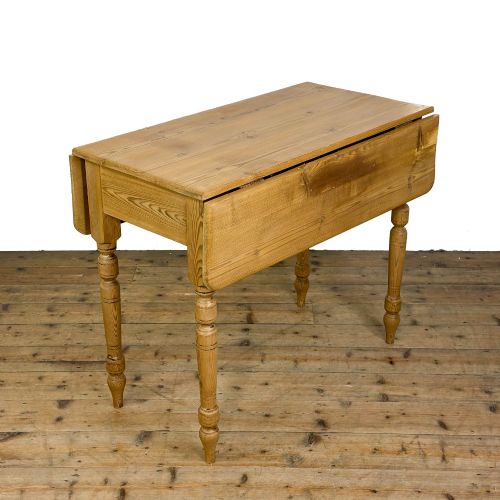
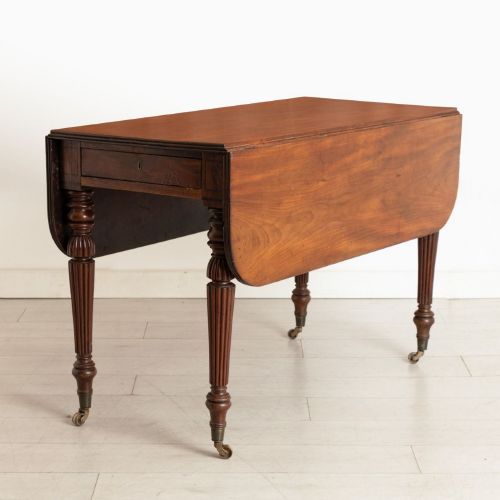


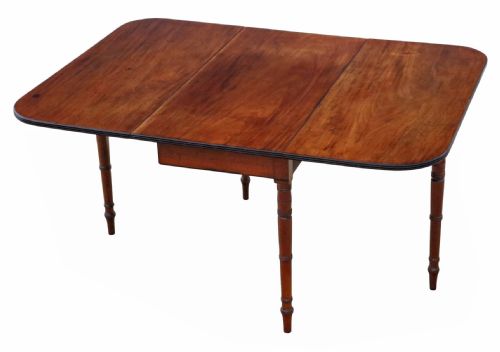


Traditional Breakfast Table
These traditional breakfast table pieces are practical timber dining surfaces designed for everyday meals, offering sturdy drop leaf and pedestal forms for domestic spaces.
Traditional Breakfast Table
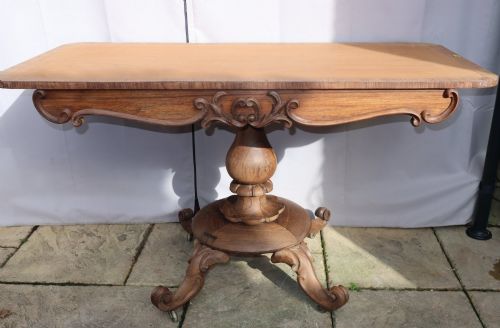
When you search for a traditional breakfast table, you find a variety of timber dining surfaces that serve everyday meals in domestic spaces. The pieces gathered here draw from periods such as the Georgian, Regency, and Victorian eras, along with Edwardian and later 1920 examples.
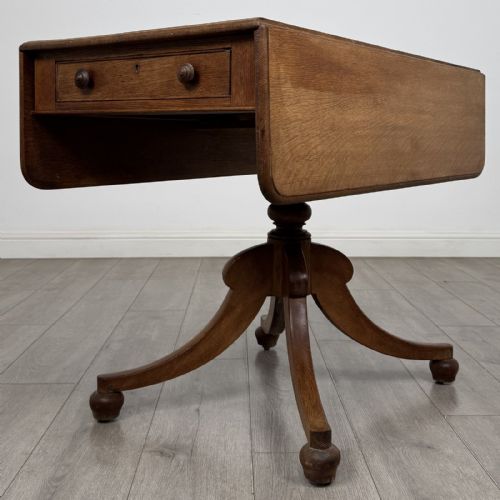
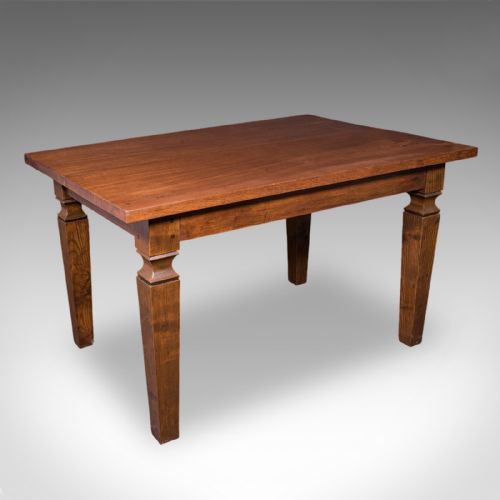
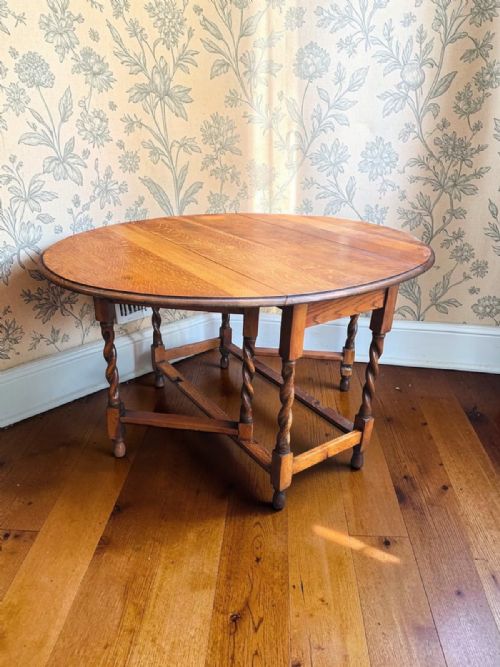
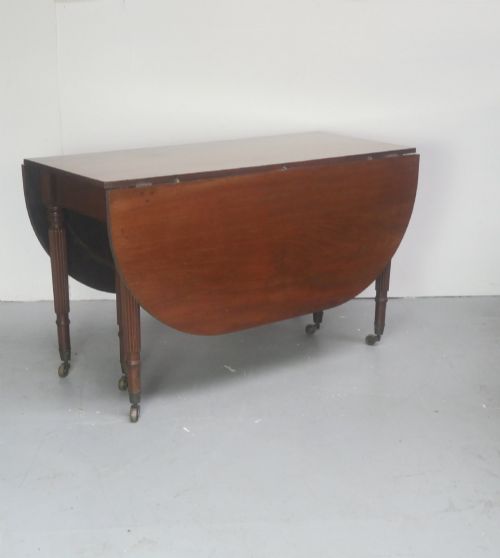
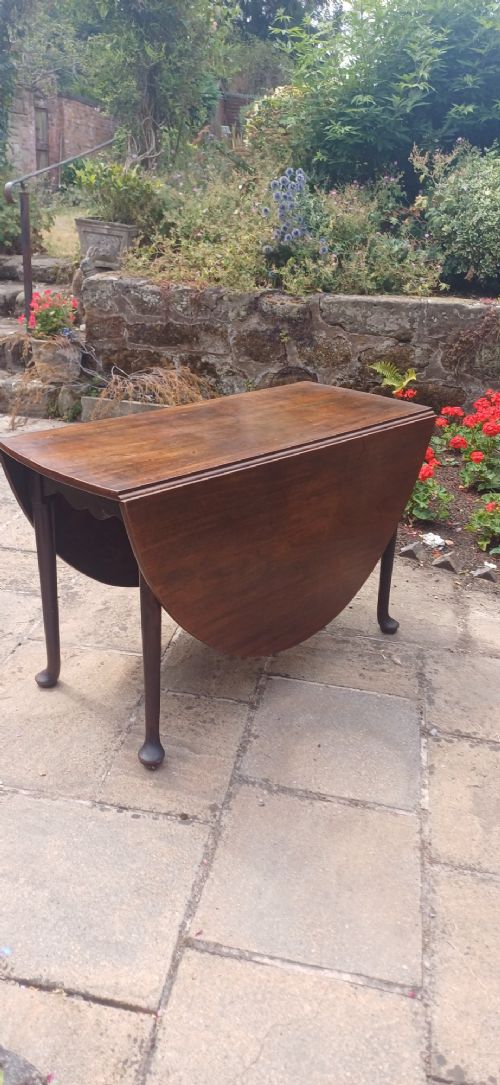
Drop leaf and gateleg forms appear frequently among these listings, alongside pedestal dining tables, Pembroke tables, and circular kitchen tables. These versatile tables suit various interior layouts, accommodating smaller kitchen dining areas as well as larger seating arrangements for up to six people.
Origins lean towards English craftsmanship, utilising timber forms suited to domestic use over centuries. Buyers encounter both rustic country pieces and refined urban designs reflecting changing household needs across the nineteenth and early twentieth centuries.
How they were made
Makers constructed these pieces predominantly from hardwoods and softwoods such as mahogany, oak, walnut, pine, rosewood, and yew wood. Workshops selected timber for its natural grain, utilising finely figured cuts on table surfaces to showcase the material.
Joinery methods included drop leaf mechanisms, gateleg supports, and pedestal bases designed to hold weight while allowing leaves to fold down. Brass fittings and hardware frequently reinforced moving parts and structural joints on tables from the Georgian and Victorian periods.
Traditional Breakfast Table Retail Price Guide 2026
Typical asking prices for traditional breakfast table among the pieces listed under this phrase on Sellingantiques today, from the lower quarter to the upper quarter. They describe what is for sale here now, not the wider market.
Listings span the Georgian, Regency, Victorian, and Edwardian periods, featuring timbers such as mahogany, oak, walnut, pine, and rosewood.
What varies in quality
The choice of timber creates a clear distinction across the range, with finely figured mahogany, rosewood, and quarter-sawn oak representing more deliberate material selections. Simple pine and utilitarian timbers serve a more rustic or functional domestic purpose.
Construction details also separate examples, visible in the smoothness of drop leaf mechanisms, the stability of pedestal bases, and the precision of turning on barley twist legs. Superior pieces combine robust structural joinery with well-preserved timber surfaces.
The Traditional Breakfast Table Glossary
- Drop leaf table
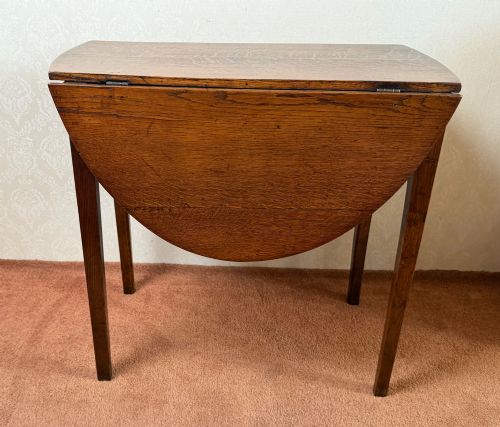
- A table with a fixed centre section and hinged flaps that fold down to save floor space. Raising the leaves and swinging out supporting legs creates a full dining surface.
- Pembroke table
- A small, rectangular table featuring two hinged leaves on opposite sides and usually a drawer beneath the top. It gained popularity during the eighteenth century for breakfasting or writing.
- Gateleg table
- A table with legs hinged to swing outward like a gate, providing support for drop leaves when raised. This construction allows the table to fold into a compact footprint.
- Pedestal table
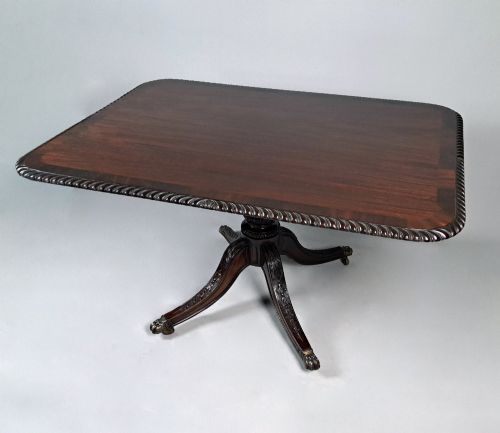
- A table supported by a central pillar or column resting on a footed base rather than four corner legs. This design maximises legroom around the perimeter of the top.
- Figured timber
- Wood grain showing natural patterns such as flames, curls, or mottling. Craftsmen prized these sections for prominent display surfaces.
Traditional Breakfast Table: Frequently Asked Questions
What is a traditional breakfast table used for?
These tables provide practical surfaces for morning meals, tea, and everyday dining in kitchens and breakfast rooms. Their adaptable sizes suit smaller rooms as well as formal dining spaces.
Drop leaf and gateleg versions allow households to adjust the surface area depending on how many people sit down to eat.
How do I identify a Georgian breakfast table?
Georgian examples often feature solid mahogany or oak timbers with rich patination and classic proportions. Look for traditional joinery methods and period-appropriate hardware.
Cabinetmakers of this era focused on functional elegance, producing Pembroke and drop leaf formats designed for flexible domestic use.
Can I use a drop leaf table every day?
These timber tables are built for regular domestic use and handle daily meals comfortably. The hinged drop leaves provide sturdy support when locked into position.
Regular maintenance involves using coasters and placemats to protect the polished wood surfaces from heat and moisture.
What woods were used for these tables?
Cabinetmakers utilised a range of timbers including mahogany, oak, walnut, rosewood, and pine. Hardwoods provided durability for heavily used dining surfaces, while pine often served utility kitchen pieces.
Finer pieces showcase figured wood grains on the top surfaces to enhance the visual appeal.