


Traditional Brass Poster Bed
These traditional brass poster bed designs offer robust metal framing and grand vertical presence, giving any sleeping chamber an authoritative architectural anchor.
Traditional Brass Poster Bed
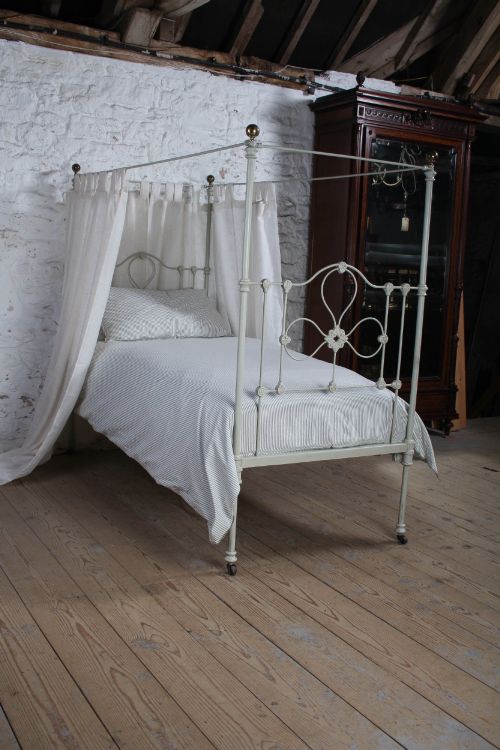
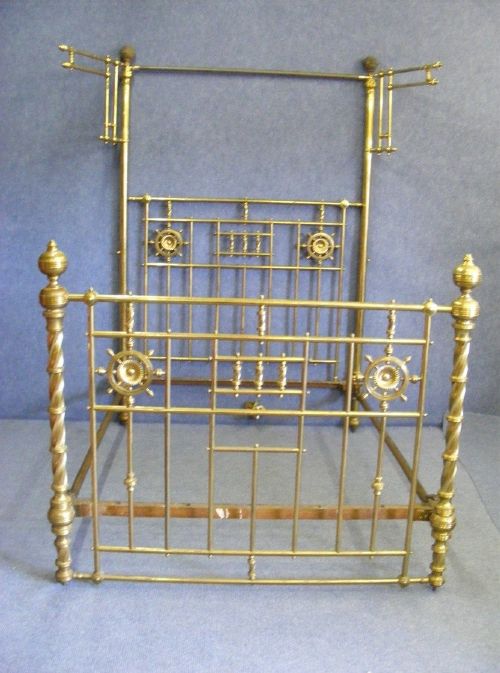
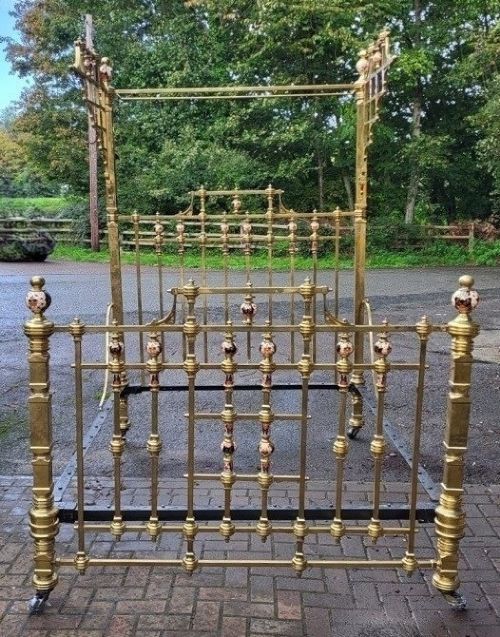
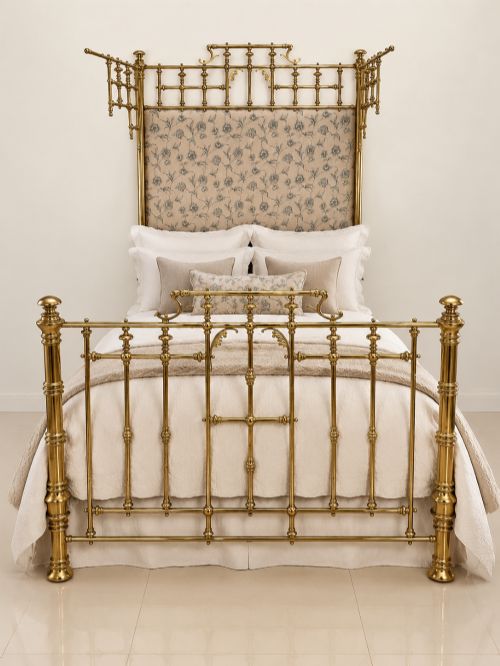
When you search for a traditional brass poster bed, you encounter substantial metal bedsteads originating primarily from the Victorian era alongside nineteenth-century iterations. These pieces range from towering four poster structures to dramatic half tester configurations designed to hold overhead drapery.
Makers and designers from the period produced these heavy metal frames for domestic luxury and international exhibition display. The forms utilise structural posts at each corner, creating a defined canopy space above the mattress.
How they were made
Makers constructed these bedsteads using a combination of solid brass, cast iron, and wrought iron components to ensure structural integrity and decorative appeal. Brass tubing and cast fittings were assembled over heavy iron internal frames, whilst ceramic elements occasionally appeared in the detailing.
Surface finishes involved polished brass work alongside painted black iron frames, sometimes paired with fabric elements for tester canopies. Workshops utilised specialised casting and joining techniques to secure the tall vertical posts and overhead cornices.
One extraordinary bedstead listed here was built by R W Winfield specifically for the Prince of the Ottoman Empire.
What varies in quality
Quality in these bedsteads separates ordinary domestic sleeping furniture from exhibition grade pieces intended to showcase manufacturing prowess. Superior examples display refined casting details, heavier gauge solid brass components, and sophisticated joinery across the canopy and posts.
Attribution to documented makers and specific historical commissions elevates the standing of individual bedsteads above standard production models. The presence of exhibition provenance and complex half tester or four poster architecture dictates the upper tier of the range.
RW Winfield
The Traditional Brass Poster Bed Glossary
- Half tester
- A bedstead featuring a canopy that extends only partway over the head of the bed rather than covering the entire length. This configuration supported drapery to shield the sleeper from draughts.
- Four poster
- A bed with four vertical columns supporting an upper frame or tester. This traditional form creates an enclosed sleeping space.
- Cast iron
- Iron poured into a mould to create rigid structural or decorative parts. It provides the heavy foundational strength hidden within these metal bedsteads.
- Solid brass
- Copper and zinc alloy used in substantial thicknesses for visible components and structural tubing. It offers a bright metallic finish distinct from plated alternatives.
- Bedstead
- The complete structural framework of a bed, including headboard, footboard, and rails. This term distinguishes the physical frame from the mattress and bedding.
Traditional Brass Poster Bed: Frequently Asked Questions
How do I date a brass bed?
Dating relies on stylistic markers, construction methods, and documented maker details recorded in the frame. Victorian examples often display registration marks or specific casting techniques typical of the nineteenth century.
Comparing the complexity of the brass tubing and iron core construction helps place the piece within periods such as 1860 or 1880. Earlier stylistic references like William IV or Victorian Gothic also guide the timeline.
Are these beds standard modern sizes?
Antique metal beds frequently predate modern mattress standardisation and often require careful measurement. King size and single designations in nineteenth-century pieces may differ slightly from contemporary dimensions.
Adapting antique side rails or custom-building base supports often helps accommodate modern mattresses securely. Professional consultation ensures the historical frame remains undamaged during setup.
How do I care for antique brass?
Maintenance involves gentle dusting and occasional cleaning with appropriate non-abrasive metal cleaners to preserve the original finish. Avoid harsh chemical polishes that strip away age-appropriate patination accumulated over generations.
Keeping the brass and iron components in a stable, dry environment prevents tarnishing and structural degradation. Regular checks of the joints and bolts maintain stability.