

Traditional Brass Pendant
A traditional brass pendant brings structured illumination and historic character to a room through enduring metalwork and glass.
Traditional Brass Pendant
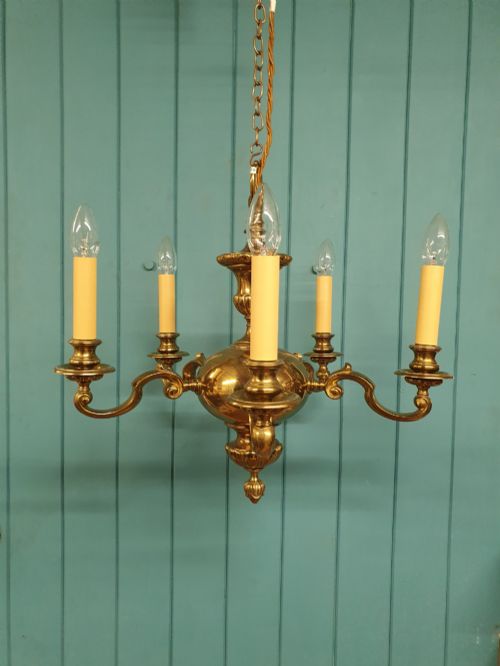
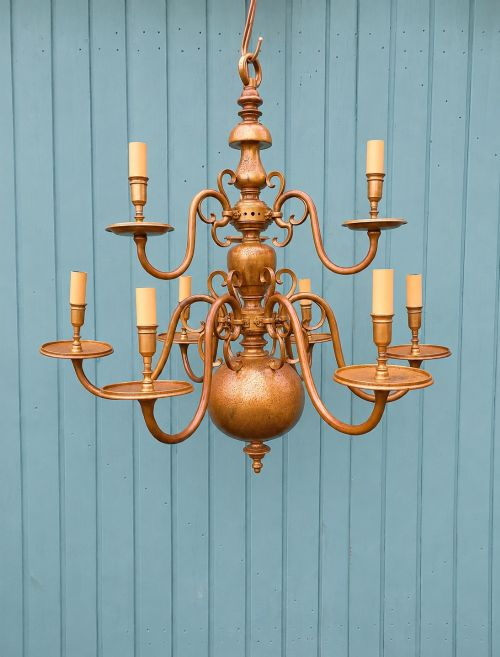
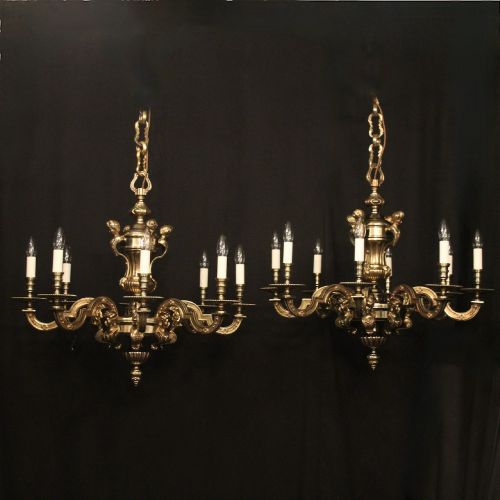
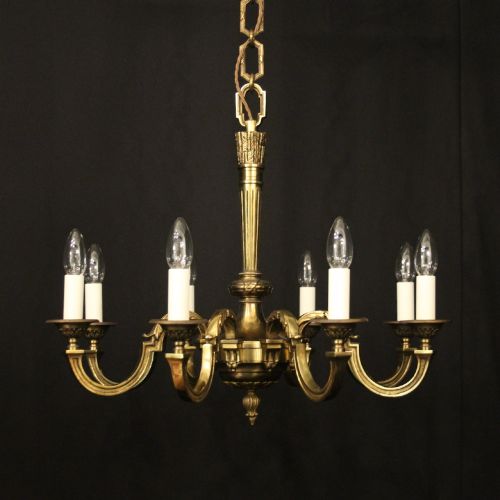
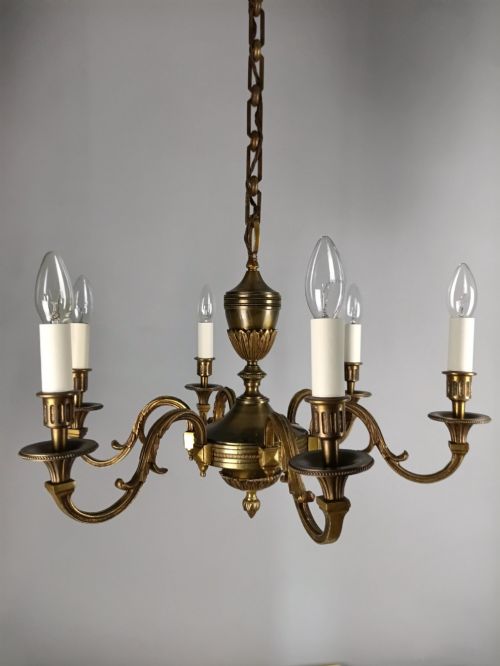
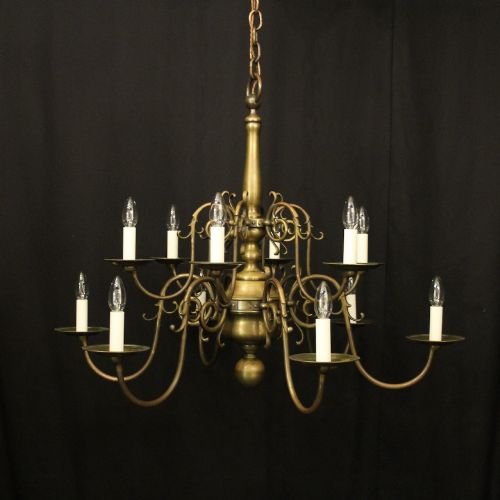
A traditional brass pendant encompasses lighting fixtures designed to hang from ceilings, including hall lanterns, ceiling lanterns, and pendant lights originating from the nineteenth and early twentieth centuries. These pieces reflect diverse regional aesthetics such as French chateau, Dutch baroque, and English domestic styles.
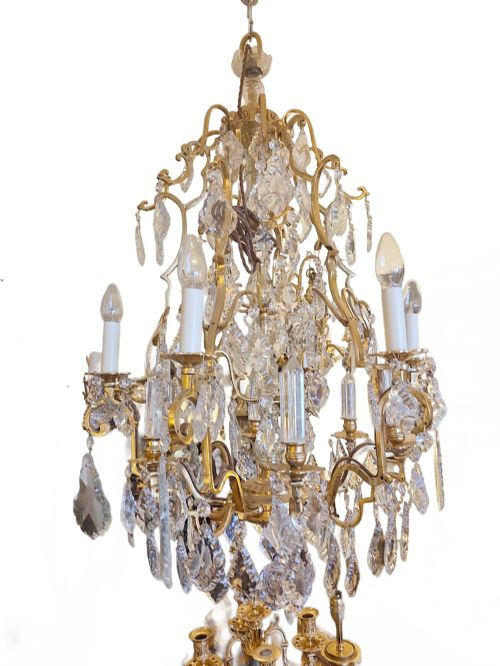
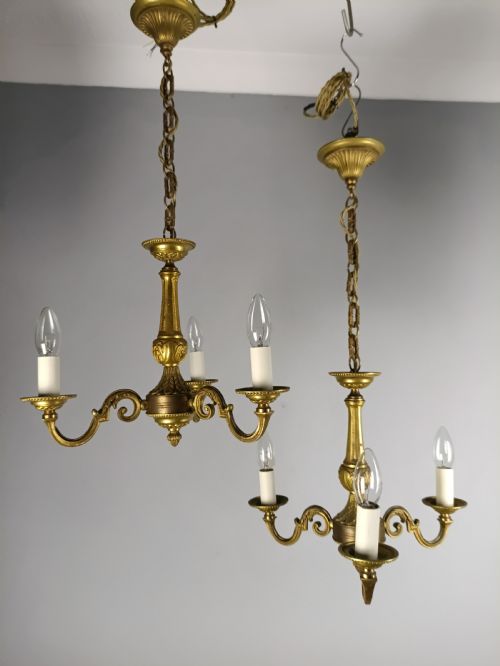
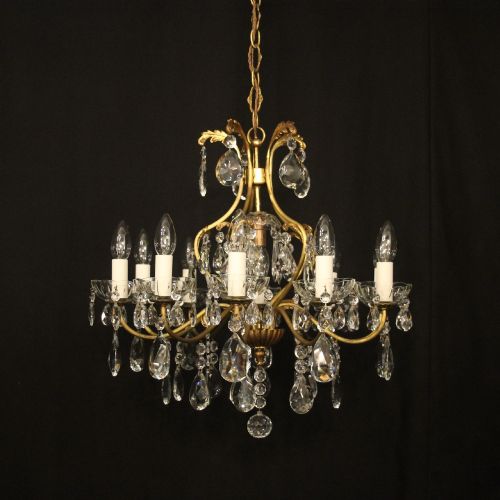
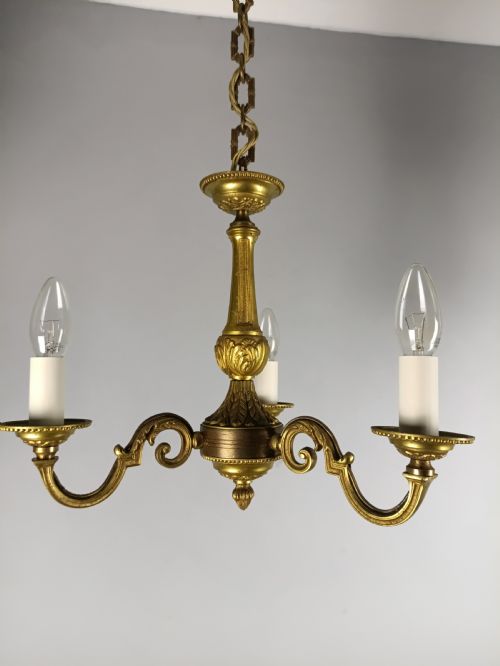
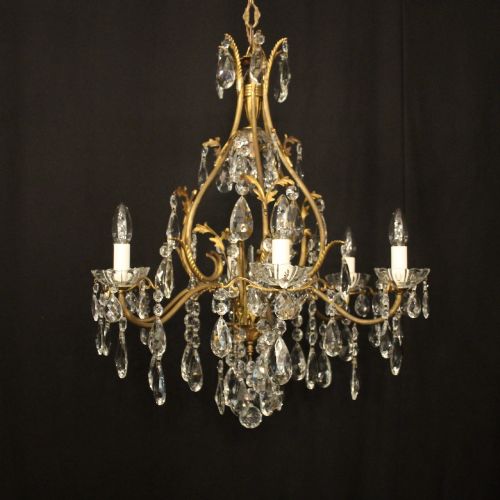
The selection on this page relies heavily on early twentieth-century production alongside nineteenth-century examples. French gilded bronze chandeliers and English hall lanterns dominate the available forms, often incorporating multiple light branches.
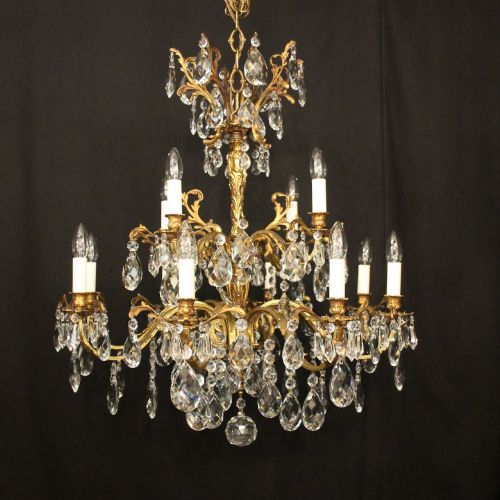
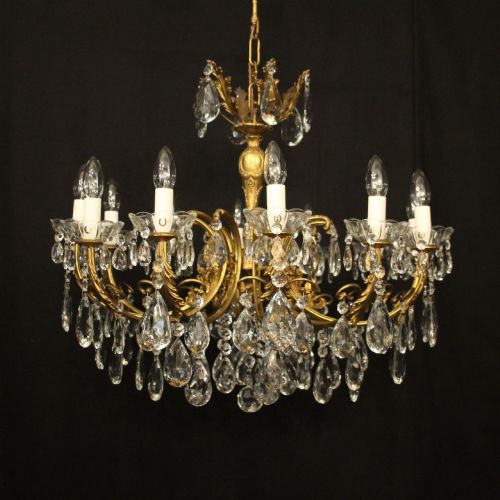
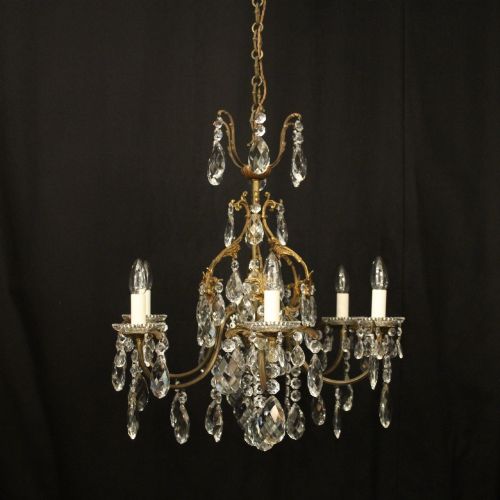
Buyers encounter variations ranging from simple hexagonal brass lanterns to grand multi-tiered crystal fixtures. The designs bridge utilitarian hallway lighting and decorative reception room centerpieces.
Materials and construction methods
Construction primarily employs cast and spun brass, bronze, and gilt metal paired with cut glass and crystal prisms. Metal components are frequently gilded or silvered to enhance reflective qualities.
Assembly methods combine robust structural metal frames with delicate glass panels, crystal drops, and opaline shades. Wiring and internal components reflect the technological transitions of the Edwardian era and the interwar period.
Traditional Brass Pendant Retail Price Guide 2026
Typical asking prices for traditional brass pendant among the pieces listed under this phrase on Sellingantiques today, from the lower quarter to the upper quarter. They describe what is for sale here now, not the wider market.
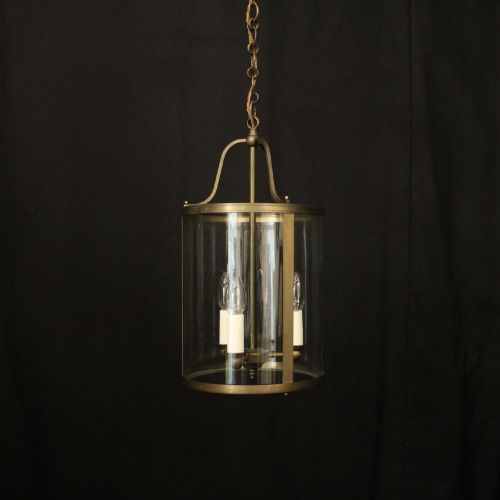
Some lanterns feature convex glass panels designed specifically to cast wider pools of welcoming light down narrow Victorian hallways.
Distinctions in craftsmanship
Quality differentiates itself through the crispness of metal casting, the depth of gilding, and the clarity of the integrated crystal elements. Superior examples feature hand-chased bronze or brass details rather than simplified pressed metal.
The integration of glass panels and crystal drops also dictates overall execution, where hand-cut crystals and heavy gauge brass frames indicate higher manufacturing standards.
Faraday and Son
The Traditional Brass Pendant Glossary
- Gilt bronze
- Bronze coated with a thin layer of gold, often providing a durable and luminous finish on decorative metalwork. This technique was widely utilised in French decorative arts.
- Hall lantern
- An enclosed ceiling-hung light fixture traditionally placed in entrance halls and corridors. These fixtures often feature glazed panels to protect the flame or bulbs from drafts.
- Opaline glass
- A milky, semi-translucent glass popular in the nineteenth and early twentieth centuries. It diffuses light softly without heavy glare.
- Tent and waterfall
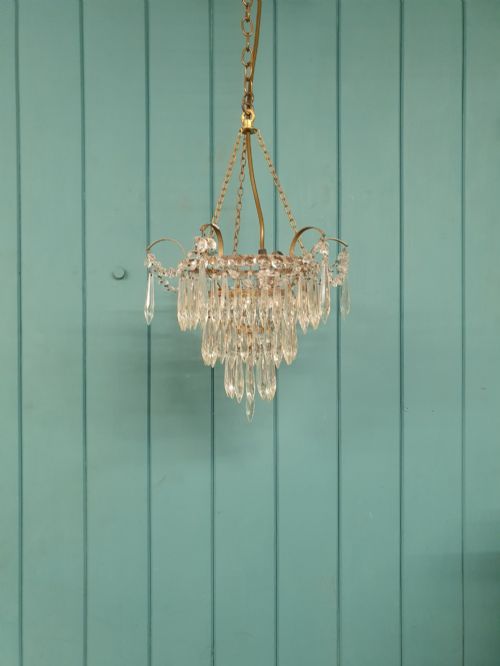
- A chandelier configuration where strings of crystal beads form an upper tent shape above a cascading lower tier of drops. This style maximises light refraction.
Traditional Brass Pendant: Frequently Asked Questions
Where should a traditional brass pendant be hung?
These fixtures suit entrance halls, stairwells, and principal rooms with adequate ceiling height. Their enclosed lantern or multi-light chandelier formats provide focused illumination and decorative presence.
Positioning depends on clearance requirements and the spatial proportions of the room. Hall lanterns function well in corridors, while larger multi-arm configurations anchor dining tables and living spaces.
How do I date a traditional brass pendant?
Dating relies on stylistic markers, construction techniques, and materials characteristic of specific eras such as the Victorian period, Edwardian era, or the 1920s and 1930s. Heavy cast bronze and elaborate foliate details often point to nineteenth-century manufacture.
Later pieces from the early twentieth century frequently exhibit cleaner geometric lines or simpler glazed housing. Examining the suspension hardware and electrical conversion methods provides further chronological context.
Are these pendants suitable for low ceilings?
Most hanging lanterns and flush-fitting ceiling lights accommodate moderate ceiling heights by utilising shorter suspension chains or direct ceiling mounts. Fixtures with compact dimensions prevent spatial obstruction in smaller rooms.
It remains essential to measure the drop length against the specific room dimensions before installation. Adjustable chains on many models allow for slight height modifications.
How do I clean and maintain antique brass?
Maintenance involves gentle dusting with a dry microfiber cloth to prevent particulate buildup on metal and glass surfaces. Harsh chemical polishes should be avoided to preserve the natural historic patina.
Crystal components can be carefully wiped with a diluted mild solution and dried immediately. Regular inspection of ceiling hooks and suspension points ensures secure hanging.