

Traditional Brass Fireside
Traditional brass fireside pieces bring warmth and utility to a hearth, uniting metalwork and seating through centuries of British domestic life.
Traditional Brass Fireside
Traditional brass fireside items encompass a practical mix of seating and hearth accessories designed to furnish the main source of heat in a room. When searching for traditional brass fireside, collectors encounter everything from heavy coal scuttles and companion sets to club fenders framed in mature leather.
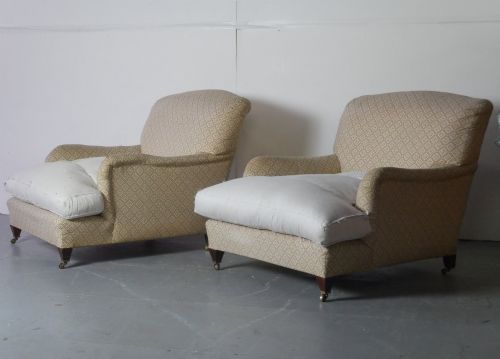
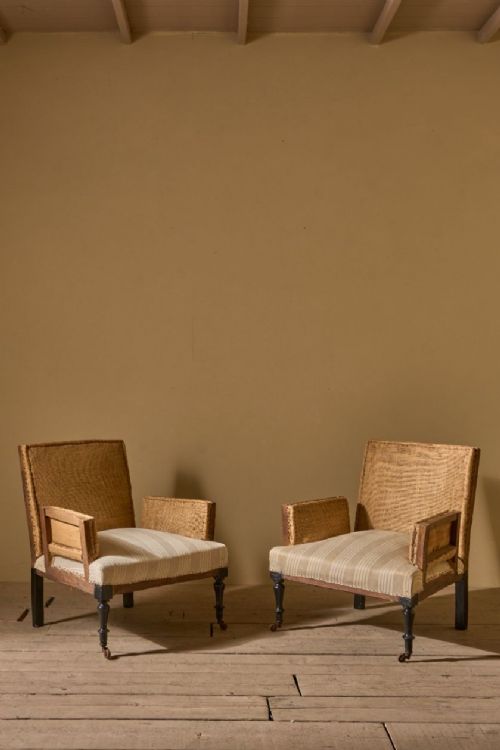
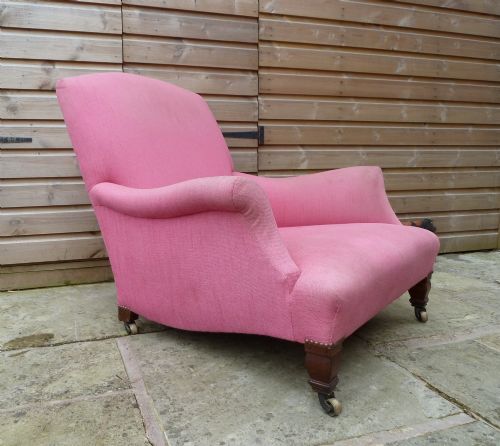
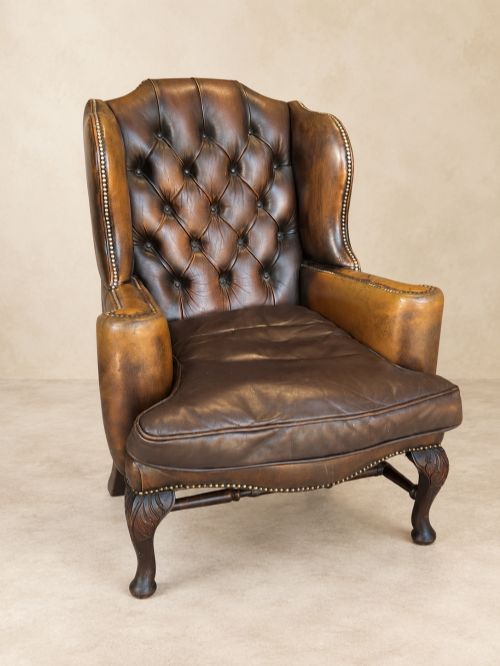
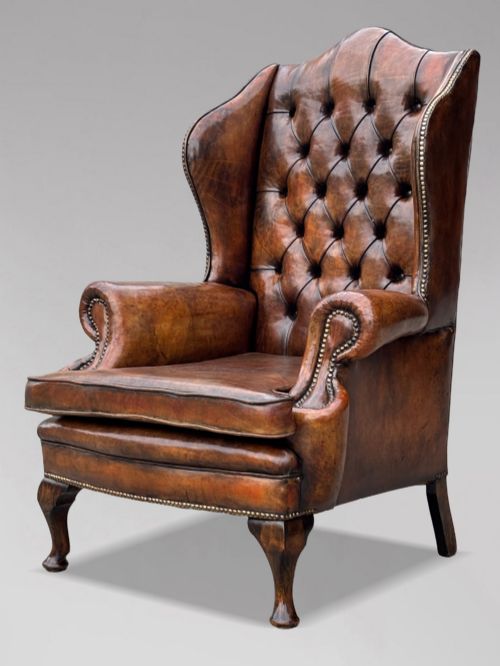
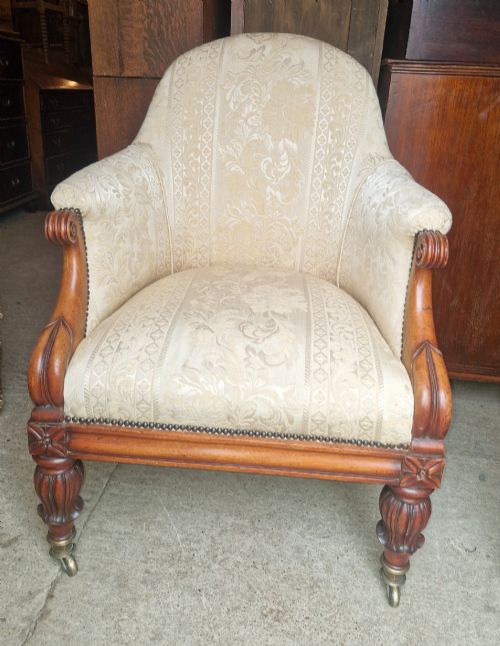
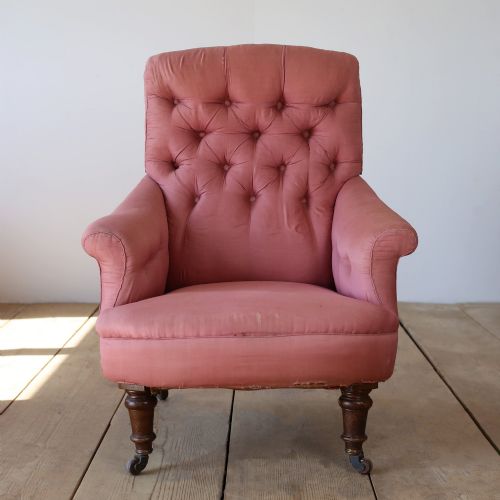
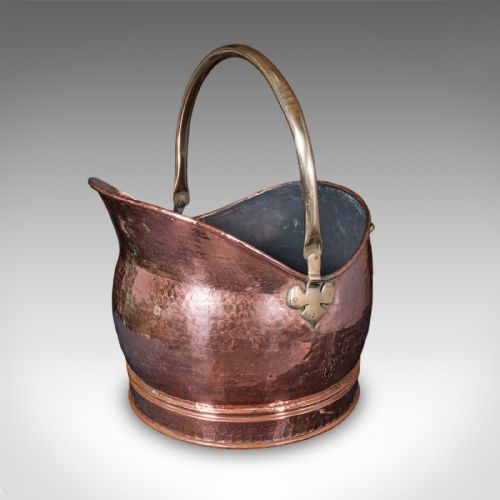
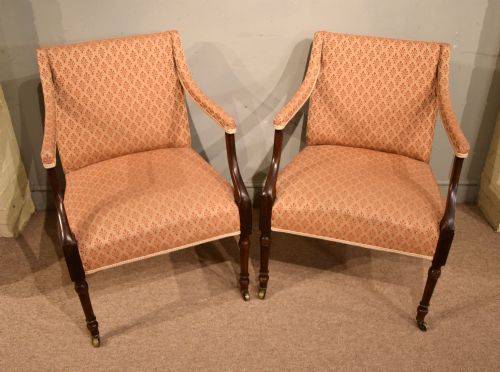
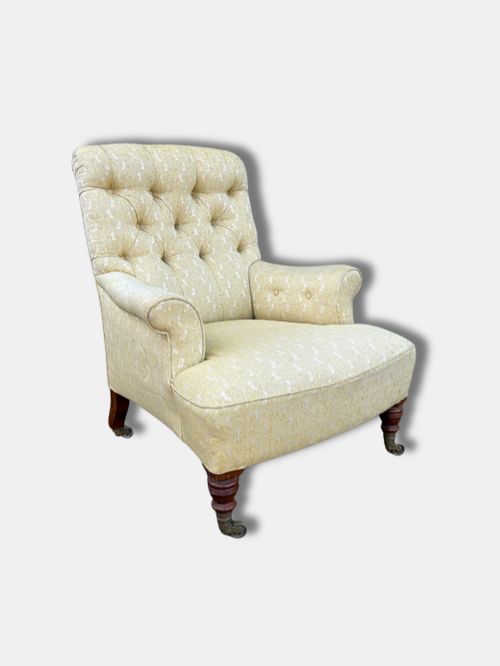
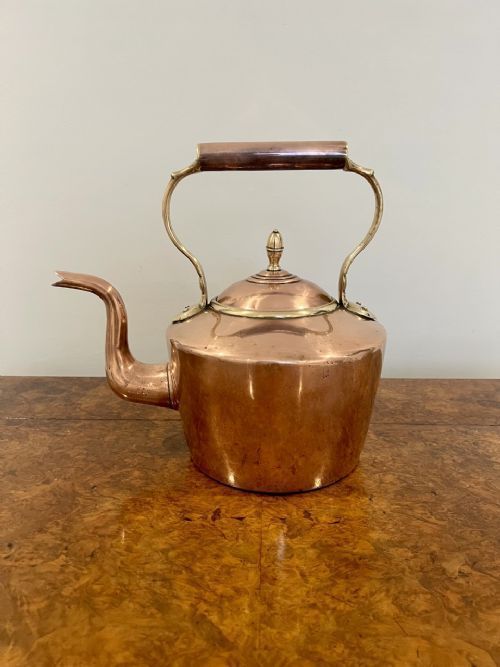
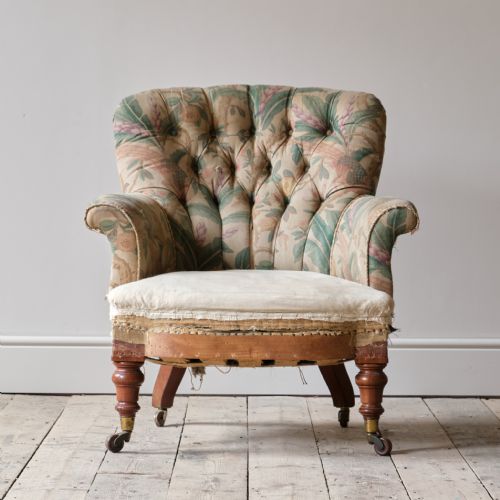
The most common forms on this page include nineteenth-century armchairs paired with copper kettles, coal buckets, and fireside tools. Originating primarily from Victorian, Edwardian, and Georgian periods, these objects reflect the central role of the fireplace in period interiors.
Materials and construction
Makers utilised solid brass alongside copper, mahogany, and steel to withstand daily proximity to open flames. Upholstered seating incorporates durable coverings such as leather, calico, hessian, and fabric over robust wooden frames.
Metal items show hand-finished surfaces, riveted joints, and cast components typical of period metalworking. Wood and leather pieces rely on traditional joinery, button tufting, and sturdy framing to ensure longevity.
Listings span the eighteenth, nineteenth, and early twentieth centuries, featuring materials from solid brass and copper to mahogany, leather, and calico.
Judging quality in fireside furnishings
Quality rests upon the weight of the metal, the integrity of the joinery, and the authenticity of the materials. Substantial brass work and thick, mature leather distinguish superior pieces from lighter, later alternatives.
Proportion and execution define the better examples, whether in the tailored lines of a library armchair or the heavy gauge of a coal bucket. Finer items retain their original fittings and display honest patination acquired through age.
HOWARD AND SONS·SF CULLEN·GILLOWS·HAMPTON AND SONS
The Traditional Brass Fireside Glossary
- Club fender
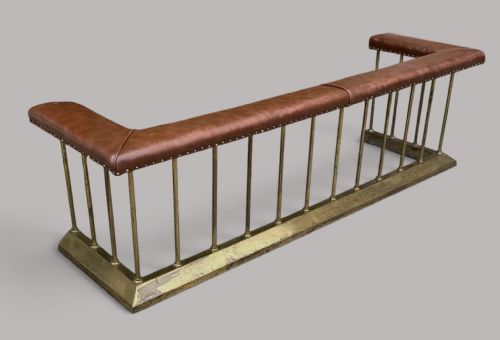
- A low, padded seat surrounding the hearth, typically constructed with a brass frame and leather squab cushions. This design allowed occupants to sit close to the fire.
- Coal scuttle
- A container designed to hold solid fuel for a fireplace, often fashioned from copper or brass with a hinged lid and carrying handle. These vessels combined practical storage with decorative metalwork.
- Companion set
- A collection of fireside tools, including pokers, tongs, and shovels, usually suspended from a matching stand. They were essential for managing the hearth.
- Wing armchair
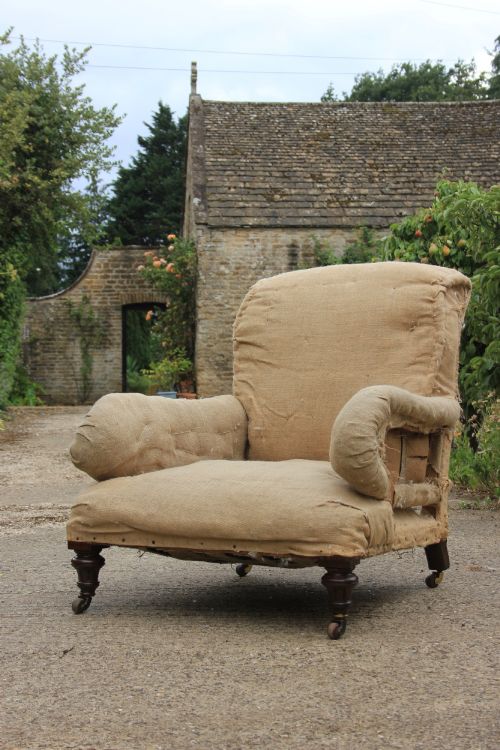
- A high-backed seat featuring upholstered side panels designed to shield the occupant from drafts. They appear frequently in leather and fabric across the Georgian and Victorian eras.
- Library armchair
- A sturdy, comfortable seat historically placed in reading rooms or studies, constructed from mahogany or upholstered in buttoned leather.
Traditional Brass Fireside: Frequently Asked Questions
What defines a traditional brass fireside collection?
A traditional brass fireside collection brings together metal hearth accessories and comfortable seating options used historically around the main fireplace. These pieces combine heavy brass and copper vessels with leather or fabric armchairs.
They reflect domestic routines from the eighteenth to the early twentieth century, offering both functional utility and period character for modern rooms.
How do I use a club fender?
A club fender is positioned directly around the hearth to provide extra seating very close to the warmth of the fire. The padded top offers a comfortable bench while the brass structure frames the fireplace.
Historically, they served as a social centrepiece in large country houses during winter months.
What metals are typical for fireside tools?
Fireside tools and companion sets are predominantly forged from brass, copper, and steel. Brass and copper provided a bright, decorative finish that reflected the glow of the flames.
Steel was utilised for parts requiring greater strength, such as pokers and shovel blades, ensuring durability during regular use.
How can I date a coal bucket?
Dating a coal bucket involves examining the construction methods, handle attachments, and the type of metal used. Earlier Georgian examples often feature hand-beaten surfaces and specific brass banding.
Victorian and later versions tend to show more standardised manufacturing techniques alongside heavier gauge brass and cast components.
Are these armchairs suitable for daily use?
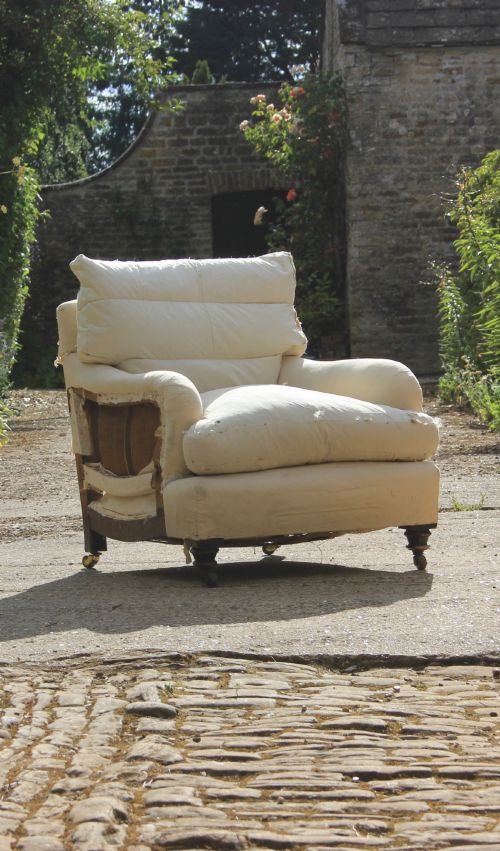
Period armchairs found in fireside collections are built on robust wooden frames using traditional upholstery materials like leather and hessian. Their sturdy construction makes them well-suited for everyday seating.
Many feature deep buttoning and supportive cushioning designed for long periods of reading or resting by the hearth.