



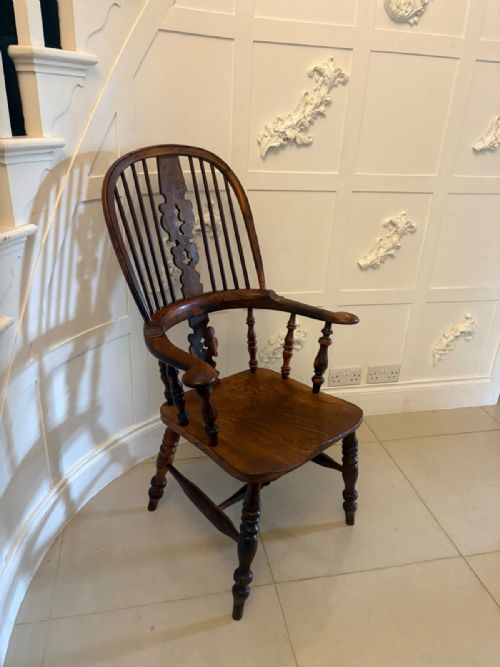
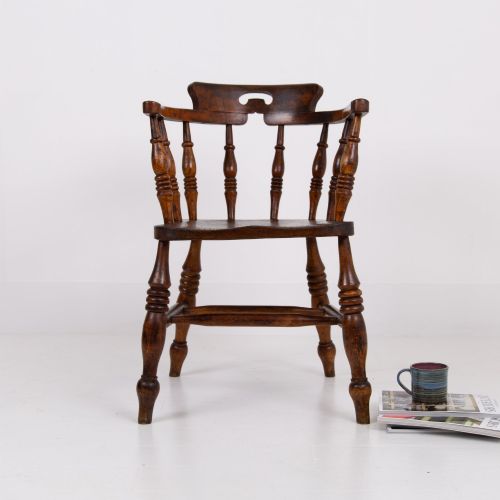
Traditional Bow Back Armchair
A traditional bow back armchair offers solid vernacular seating, formed from native timbers like elm, ash and yew for everyday domestic use.
Traditional Bow Back Armchair
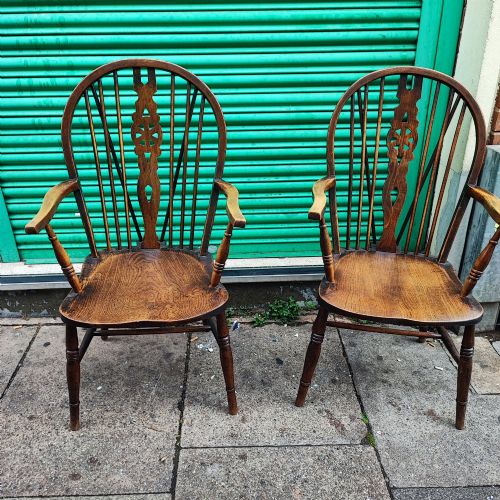
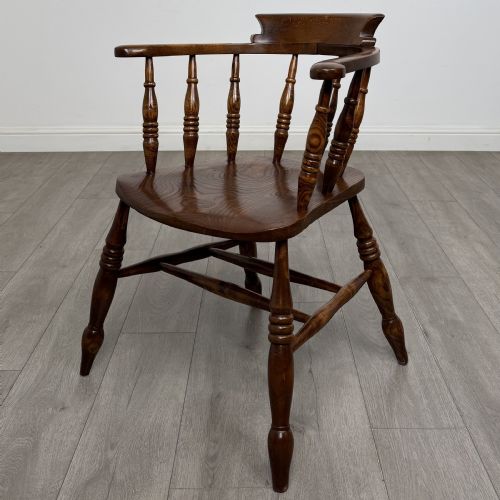
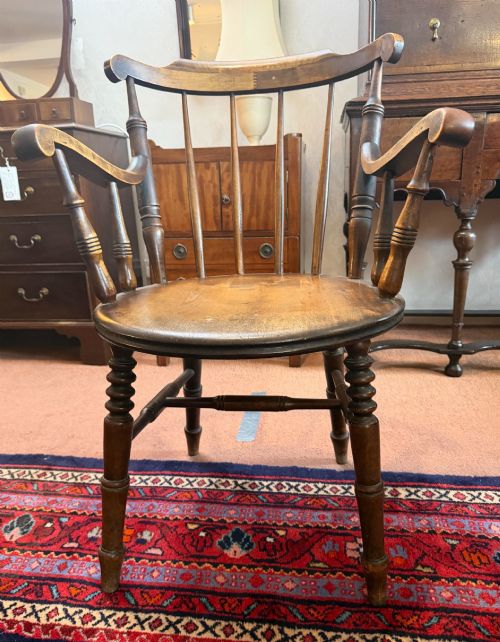
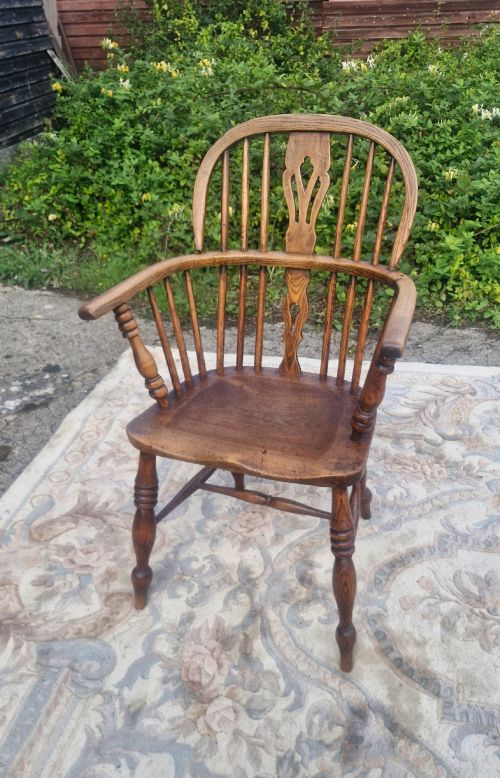
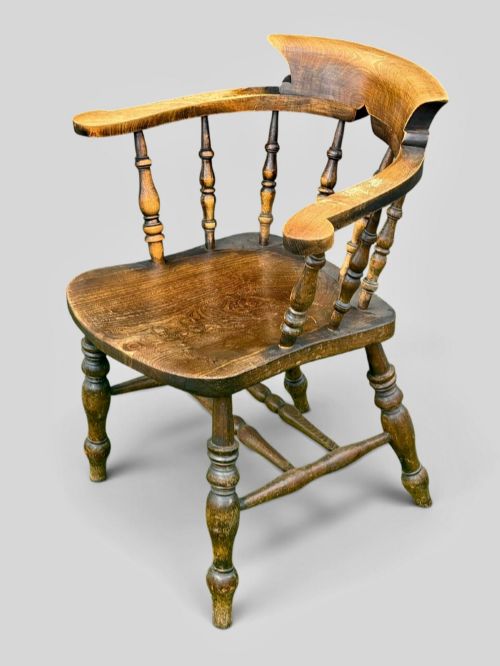
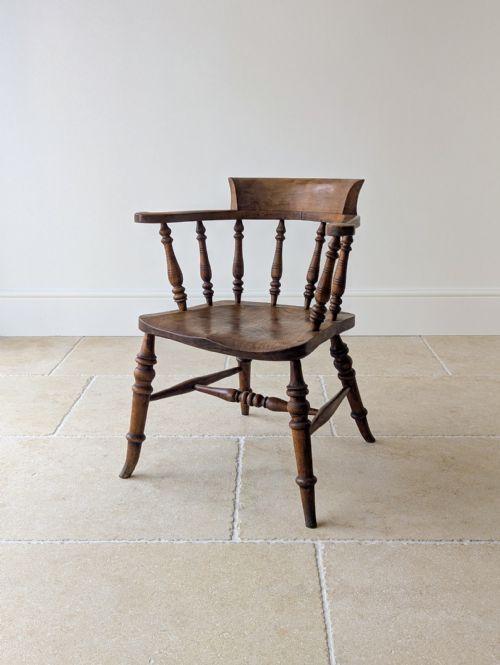
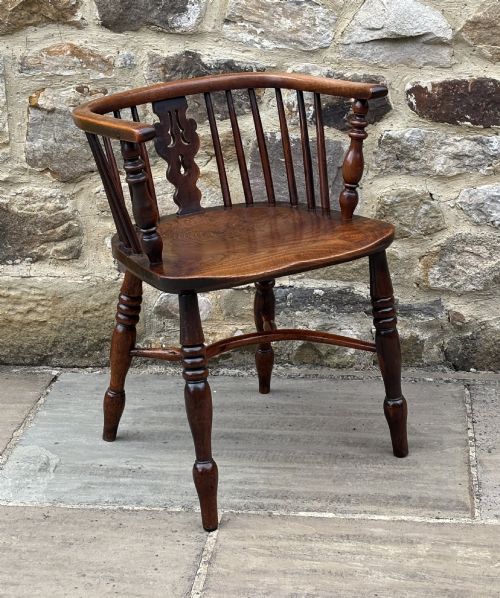
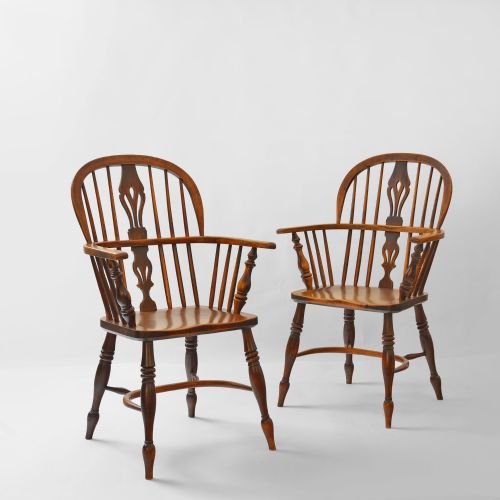
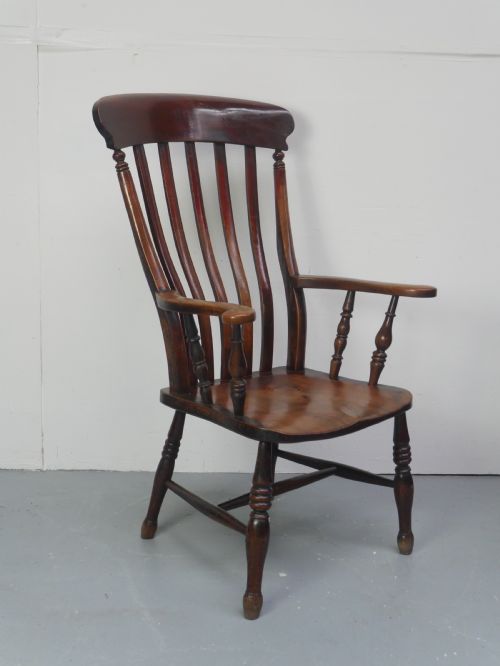
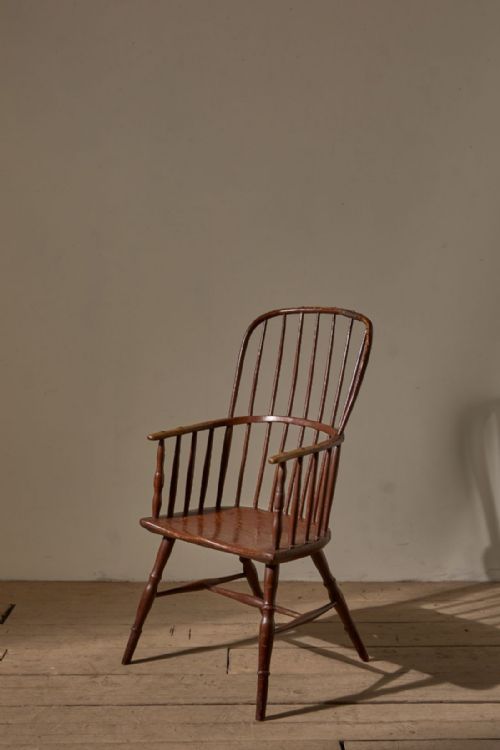
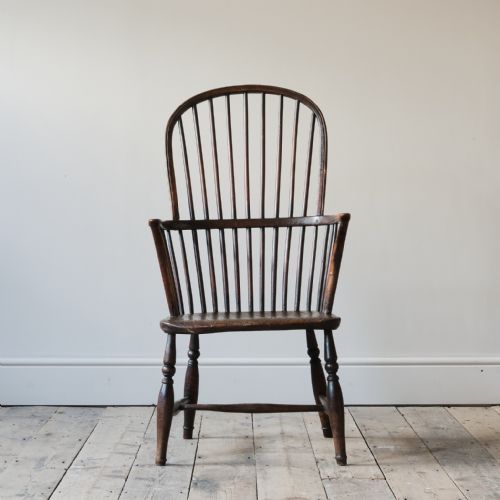
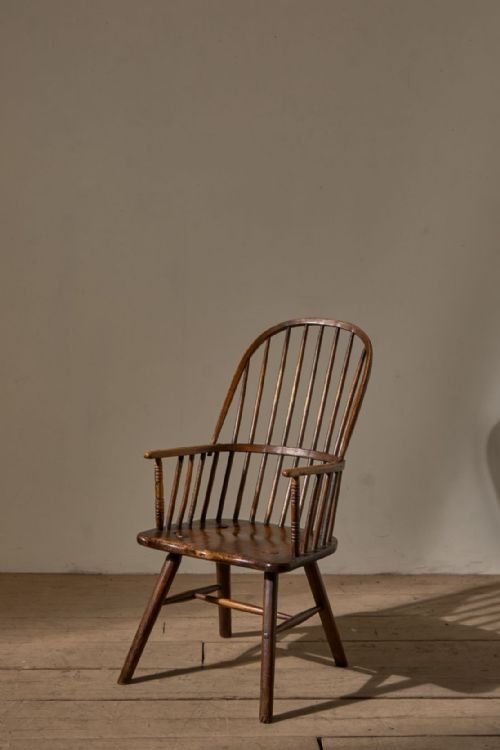
A traditional bow back armchair encompasses classic Windsor, hoop back, low back and smokers bow forms originating from English provincial workshops. These seats combine turned spindles and solid plank saddles designed for practical comfort in farmhouses, kitchens and country houses.
The selections span the eighteenth, nineteenth and early twentieth centuries, including Victorian, Edwardian and Georgian periods. Most examples meet the eye as ash and elm combinations or rich yew wood variants featuring stick back or comb back configurations.
Buyers encounter diverse seating formats, from desk chairs and dining chairs to rocking chairs and club elbow chairs. The predominant style remains English country vernacular, shaped by regional turners and provincial cabinet makers.
How they were made
Makers utilised native hardwoods, pairing elm for solid saddle seats with ash or beech for bentwood bows, turned legs and spindles. Yew appeared in higher status pieces, prized for its natural figuring and strength in slender members.
Construction relied on traditional green woodworking and Windsor joinery techniques, where legs and back spindles locked directly into bored holes in the thick wooden seat slab. Steam bending shaped continuous wooden rails into the characteristic bow back structure without metal fixings.
Traditional Bow Back Armchair Retail Price Guide 2026
Typical asking prices for traditional bow back armchair among the pieces listed under this phrase on Sellingantiques today, from the lower quarter to the upper quarter. They describe what is for sale here now, not the wider market.
Listings feature eighteenth, nineteenth and early twentieth-century examples constructed from elm, ash, beech, oak and yew wood.
What varies in quality
Quality rests primarily in the choice of timber and the complexity of the spindle turning. Figured yew wood and well-sculpted elm saddles indicate superior workshop output compared to plain beech and ash utility frames.
Structural integrity depends on the precision of the wedged tenon joints connecting the undercarriage to the seat. Refined proportions in the bow sweep and deep saddle shaping distinguish master provincial work from standard regional production.
John Brand of Sleaford
The Traditional Bow Back Armchair Glossary
- Bow back
- A chair back formed from a single continuous piece of steam-bent wood pinned into the seat. This design provides structural strength and ergonomic support.
- Windsor chair
- A wooden chair featuring a heavy plank seat into which the legs and back spindles are separately inserted. They emerged from English country traditions.
- Smokers bow
- A low-backed Windsor armchair with a rounded rail sweeping around the upper arms. These frequently served in studies, smoking rooms and farmhouses.
- Comb back
- A Windsor chair variation where the central vertical spindles extend upward to support a small headrest rail resembling a hair comb. This layout adds height and distinct regional character.
- Vernacular furniture
- Items made by local craftsmen for everyday use using regional materials and traditional designs. They reflect the domestic needs of their specific geographic origin.
Traditional Bow Back Armchair: Frequently Asked Questions
What is a traditional bow back armchair?
A traditional bow back armchair is a wooden seat built with a continuous steam-bent rail forming the upper back and armrests, secured to a carved plank saddle.
These pieces developed through English country and provincial traditions, utilising native timbers like elm, ash, beech and yew.
How do I date a Windsor armchair?
Dating relies on observing wood species, turning styles on the legs and the construction methods used for the seat and undercarriage. Eighteenth-century versions often feature deep saddle seats and substantial yew or ash components.
Later Victorian and Edwardian examples incorporate machine-turned spindles and standardised undercarriages while maintaining the classic vernacular silhouette.
What woods were used for these chairs?
Craftsmen selected native hardwoods based on their specific physical properties suited to chairmaking. Elm provided a stable, splitting-resistant timber for the solid plank seat.
Ash, beech and alder offered strong, flexible qualities for turned legs and spindles, while yew was chosen for decorative grain and exceptional resilience.
Where were these chairs used historically?
These seating options served functional roles across English country houses, farmhouses, kitchens and provincial offices. Their robust construction suited daily domestic tasks and heavy wear.
Low back and smokers bow variants were common around writing desks, in dining spaces and within communal rooms.