

Traditional Book Shelving
Traditional book shelving brings order to a study, relying on period timbers and open construction to display a library properly.
Traditional Book Shelving
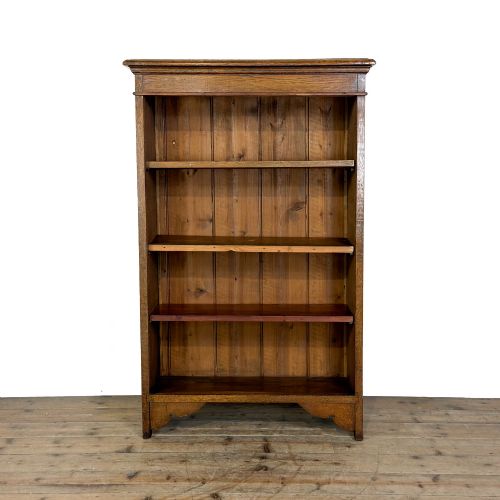
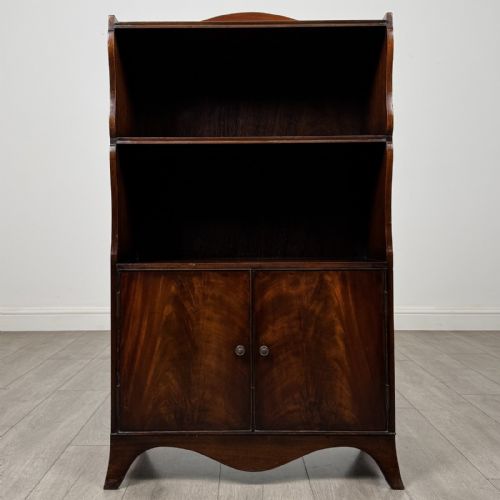
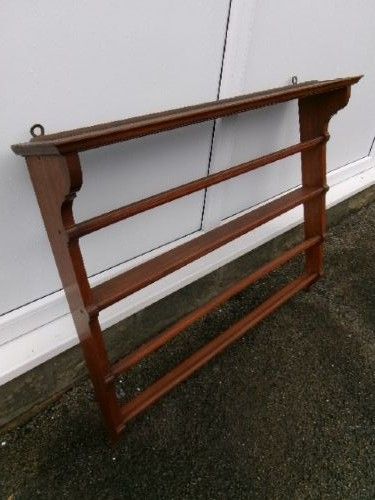
Traditional book shelving encompasses open bookcases, wall hanging shelf racks, and stacking units designed to hold volumes within domestic rooms. When searching for traditional book shelving, buyers encounter formats spanning the Victorian and Edwardian eras alongside pieces from the early twentieth century.
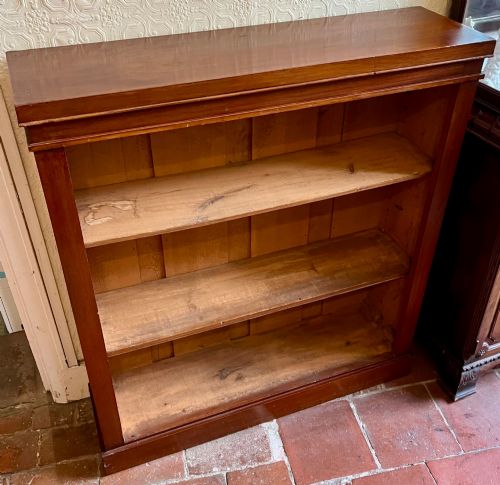
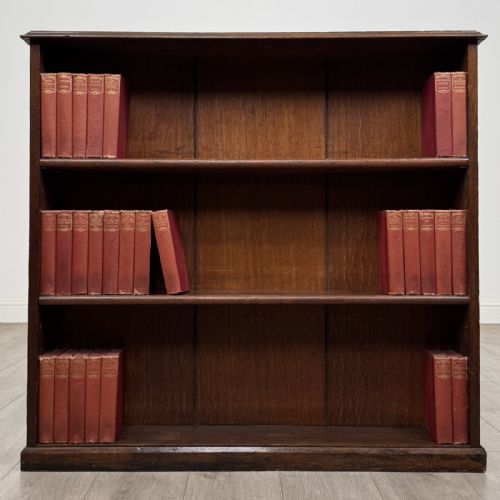
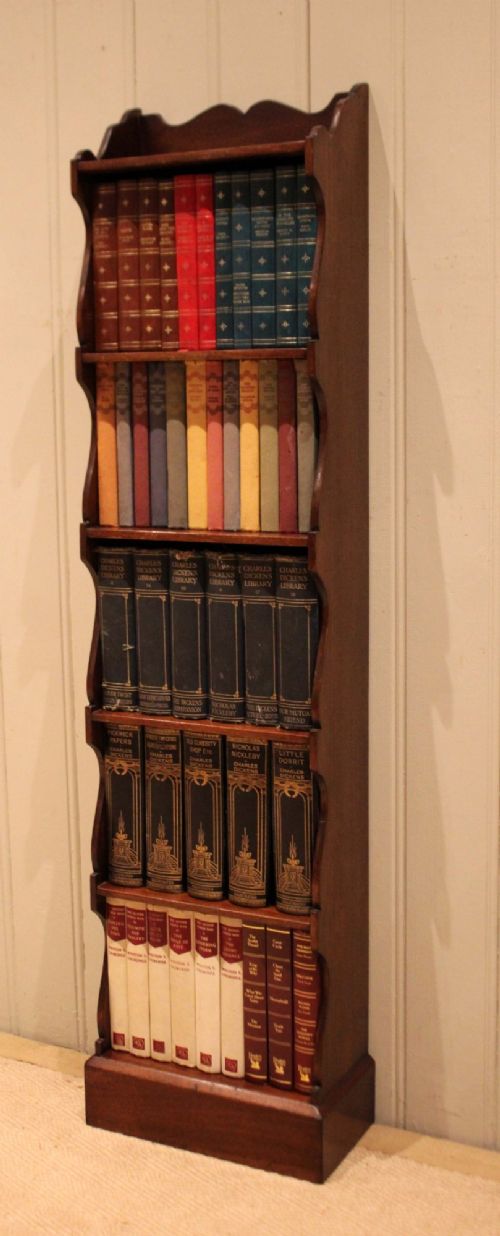
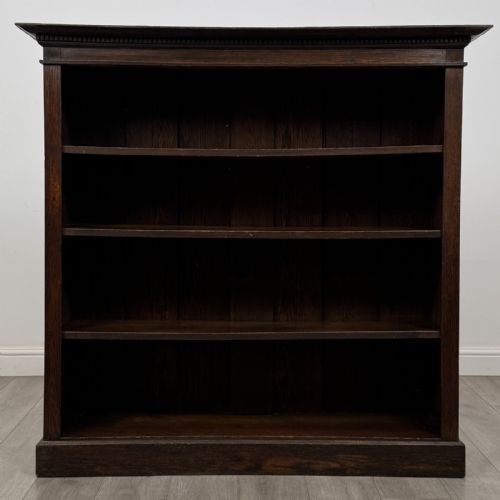
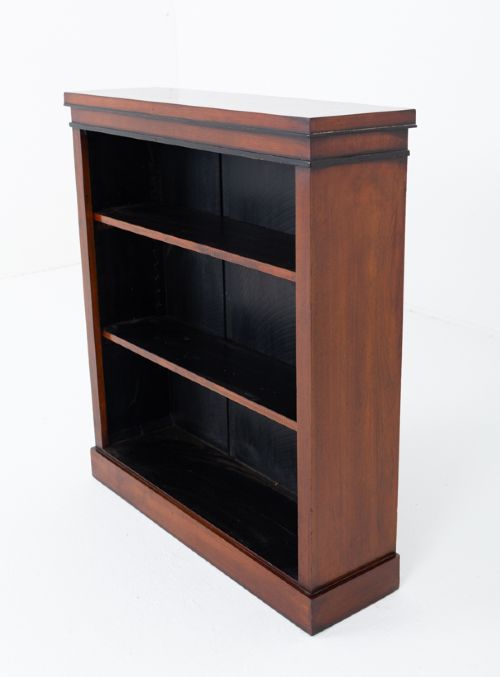
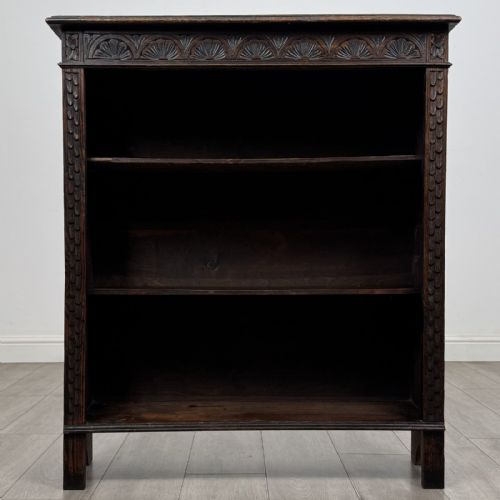
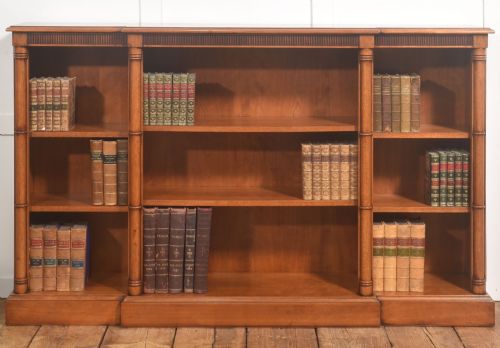
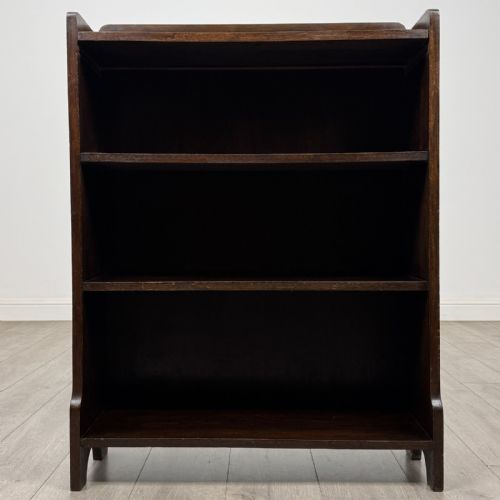
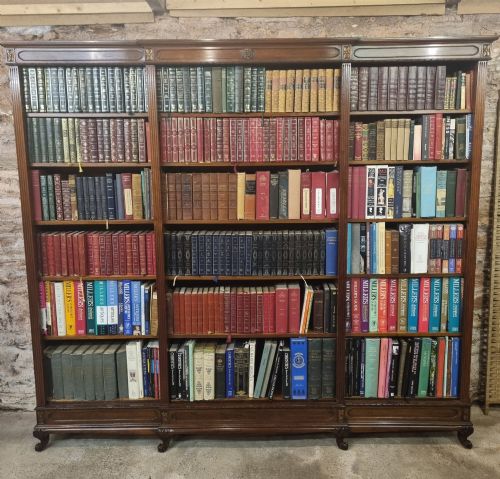
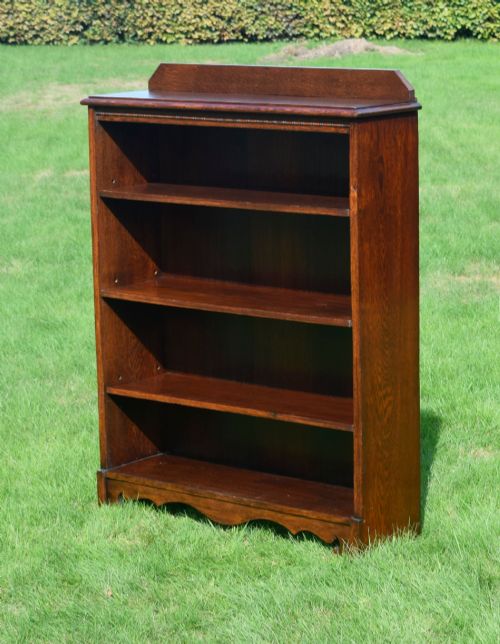
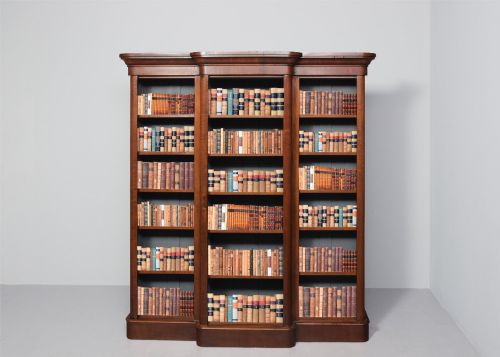
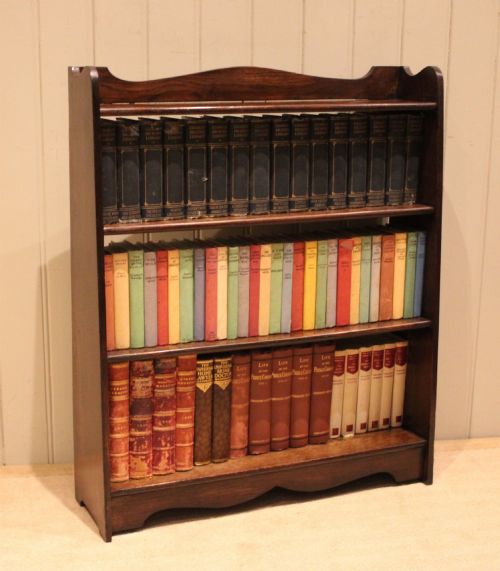
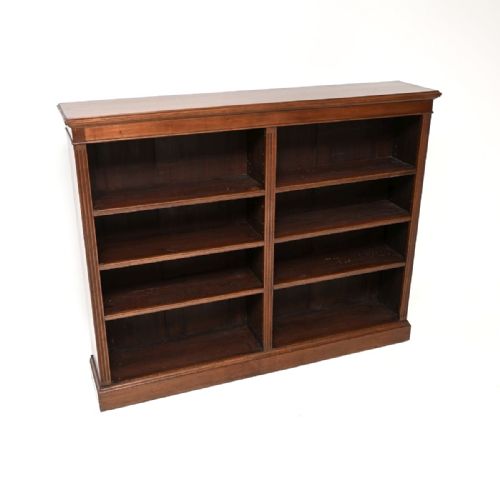
The pieces on this page appear most frequently in oak, mahogany, and walnut, taking forms such as breakfront bookcases, narrow wall shelves, and low open shelving units. Many examples incorporate adjustable shelves, raised galleries, or carved edges suited to period interiors.
How they were made
Construction relies heavily on solid timbers including oak, mahogany, walnut, and pine, occasionally complemented by brass hardware and glass elements. Cabinet makers utilised traditional joinery techniques to build durable carcass frames capable of supporting heavy rows of books.
Surfaces frequently exhibit carved detailing, beaded edges, or raised galleries, while larger breakfront designs often feature segmented sections and adjustable wooden shelving supports.
Traditional Book Shelving Retail Price Guide 2026
Typical asking prices for traditional book shelving among the pieces listed under this phrase on Sellingantiques today, from the lower quarter to the upper quarter. They describe what is for sale here now, not the wider market.
Commonly recorded timbers across the inventory include oak, mahogany, walnut, and pine.
What varies in quality
The calibre of traditional book shelving rests on the selection of timber, such as figured mahogany or burr walnut, and the precision of the cabinet work. Superior examples demonstrate thoughtful proportions, balanced grain patterns, and refined mouldings that elevate utilitarian furniture into considered interior fixtures.
Functional adaptations also separate standard pieces from finer ones, notably the inclusion of smooth adjustable shelf mechanisms, integrated lower drawers, and robust structural joinery that maintains rigidity under weight.
Ercol·Waring and Gillows
The Traditional Book Shelving Glossary
- Breakfront
- A bookcase design where the central section projects forward from the flanking outer sections. This configuration creates architectural depth and visual hierarchy in larger rooms.
- Open bookcase
- A shelving unit without doors, providing direct access to books. These pieces focus attention on book bindings and timber frames.
- Adjustable shelves
- Shelving supported by movable pins or racks rather than fixed panels. This system allows the internal height intervals to be altered for different volumes.
- Raised gallery
- A decorative low railing or upstand fitted to the top edge of a piece. It prevents items placed on top from sliding off.
- Barristers stacking bookcase
- A modular shelving unit comprising multiple glazed or open sections placed vertically. Each tier operates independently to enclose or display books.
Traditional Book Shelving: Frequently Asked Questions
What is an open bookcase used for?
An open bookcase provides accessible storage for everyday reading collections, reference volumes, and decorative objects without the visual barrier of doors. It allows the spines of books to become part of the room's decor.
These pieces also serve to display ceramics and framed pictures alongside traditional book shelving.
How do I tell an Edwardian bookcase from a Victorian one?
Victorian bookcases often utilise heavier proportions, denser mahogany timbers, and darker finishes, reflecting mid-nineteenth-century interior tastes. Carving tends to be heavier and more formal on these pieces.
Edwardian examples frequently employ lighter oak or walnut, featuring cleaner lines, subtle galleries, and a brighter golden tone suited to airier rooms.
Can I adjust the shelf heights?
Many period bookcases feature adjustable shelves supported by internal rack systems or adjustable wooden brackets. This allows you to accommodate larger folios and smaller octavo volumes alike.
Check individual listings to confirm whether a specific piece includes this adjustable functionality.