




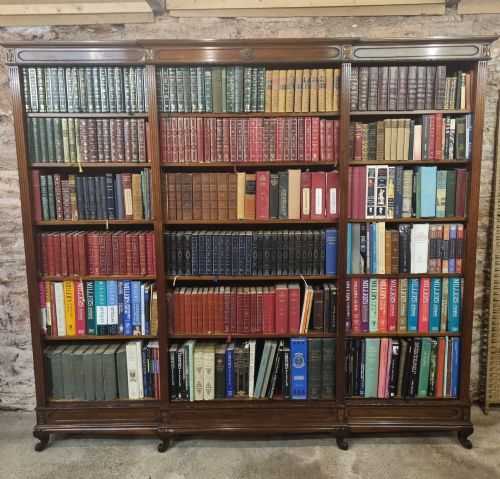
Traditional Book Shelf
A traditional book shelf brings timeless utility and timber warmth to a room, offering sturdy open storage for a growing library.
Traditional Book Shelf
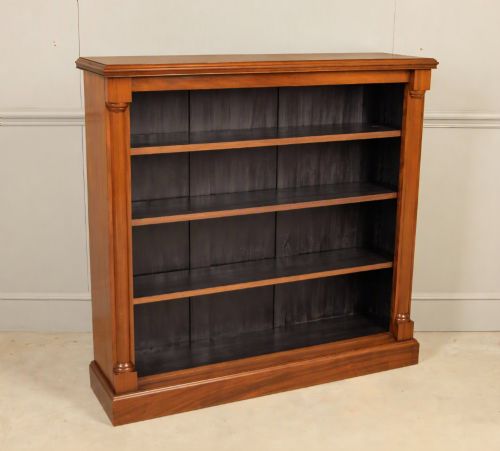
A traditional book shelf takes the form of an open bookcase or wall-hanging shelf rack, designed to keep volumes accessible and displayed in a domestic interior. These pieces emerge predominantly from Victorian, Edwardian, and early twentieth-century periods, spanning the nineteenth century onwards.
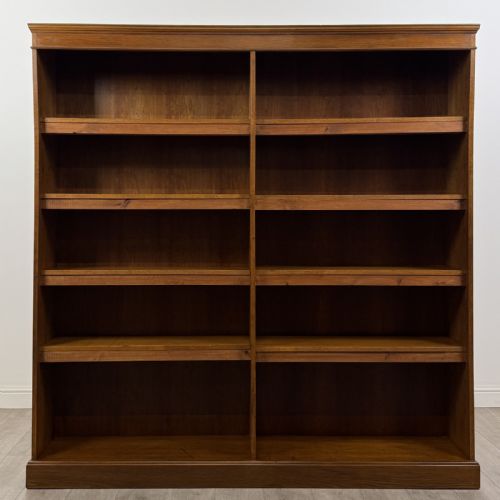
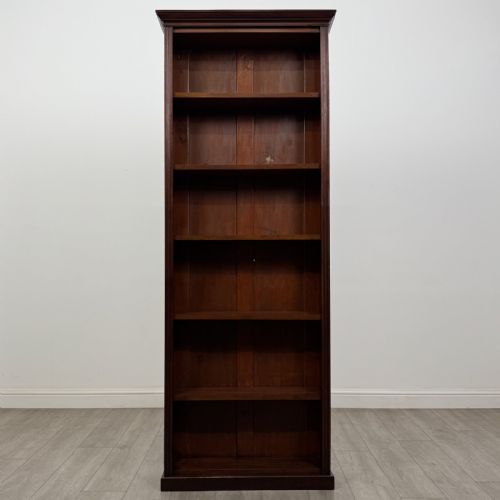
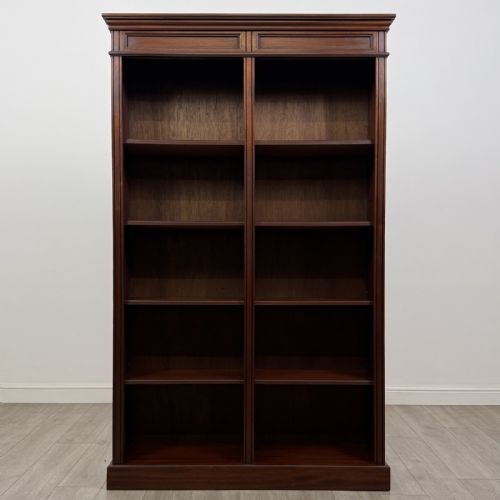
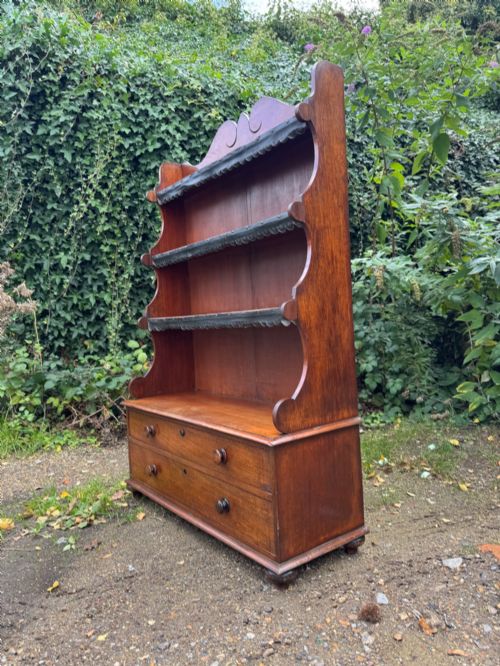
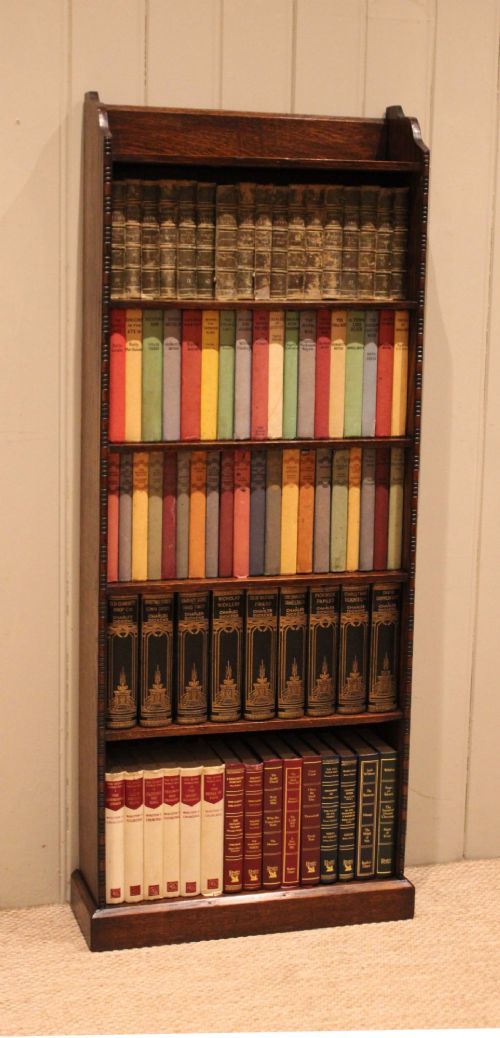
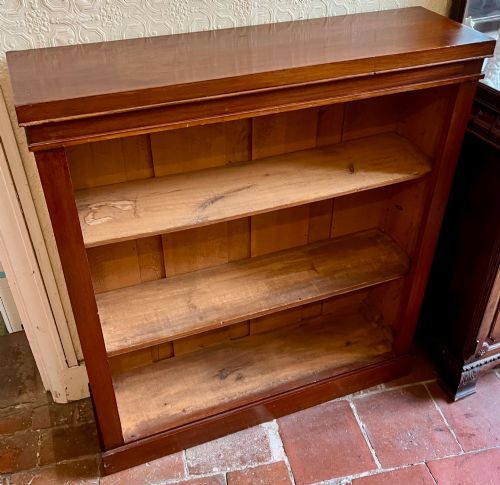
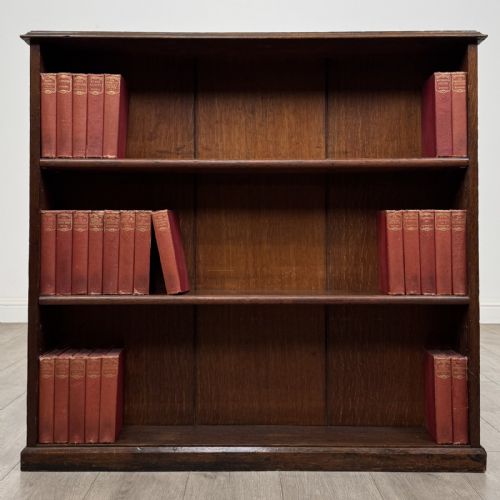
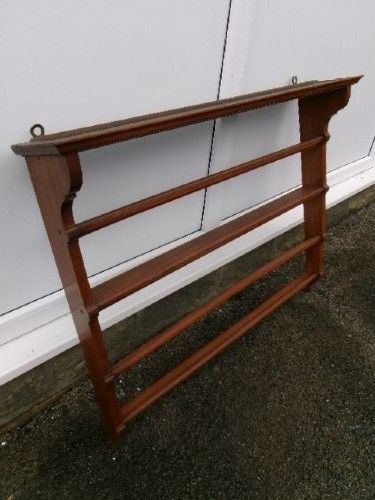
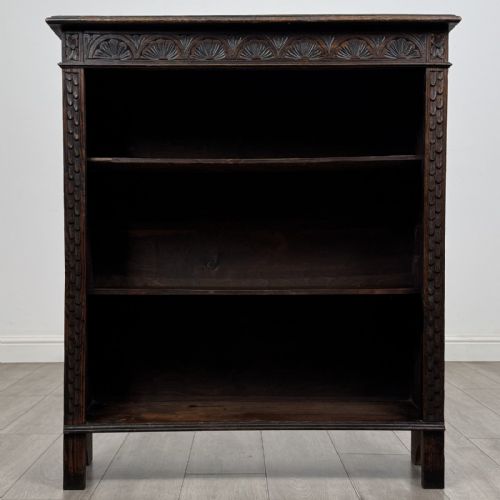
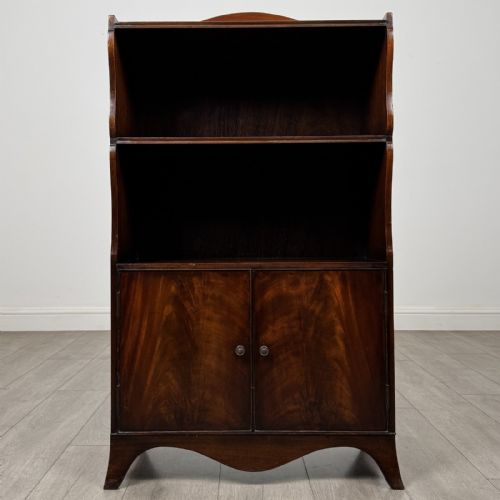
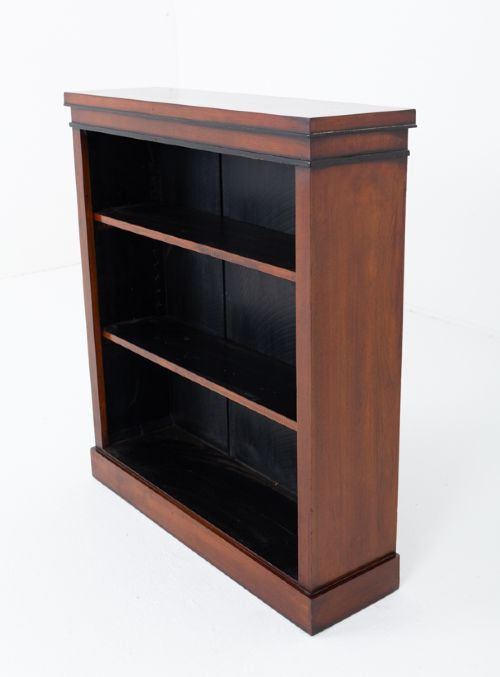
The most common variants met on this page include sturdy oak and mahogany open bookcases, alongside useful smaller wall-hanging shelf racks. Many incorporate adjustable shelves, raised galleries, or lower drawers, while breakfront and multi-section formats provide larger storage capacity for libraries.
Makers and workshops of the era utilised timber solids and veneers to construct furniture suited to both grand libraries and smaller rooms. Regional variations range from rustic pine country pieces to formal walnut and flame mahogany breakfront designs.
How they were made
Construction relies on solid timbers and veneers such as oak, mahogany, walnut, and pine, selected for structural integrity and grain figure. Timber boards are joined using traditional methods to form upright sides, fixed partitions, and heavy-duty shelving.
Surface finishing often highlights the natural grain through polishing or waxing, while specific examples feature ebonised surfaces, carved detailing, raised galleries, or beaded edges. Brass hardware frequently appears on drawers and adjustable shelf mechanisms.
Traditional Book Shelf Retail Price Guide 2026
Typical asking prices for traditional book shelf among the pieces listed under this phrase on Sellingantiques today, from the lower quarter to the upper quarter. They describe what is for sale here now, not the wider market.
Even the smallest shelf rack manages to accumulate twice as many volumes as intended.
What varies in quality
Quality rests upon the selection of timber, from plain pine and utilitarian oak up to figured flame mahogany and burr walnut veneers. The choice of materials dictates the visual presence of the piece within a room.
Joinery execution and clever mechanical details, such as smooth adjustable shelf ratchets or integrated lower drawers, separate standard workshop output from finer production. The crispness of carved oak details and balanced proportions further define the upper tier of these pieces.
Ercol·Waring and Gillows
The Traditional Book Shelf Glossary
- Breakfront
- A piece of furniture where the central section projects forward from the flanking outer sections.
- Raised gallery
- A low decorative railing or upstand positioned along the top edge of a shelf or bookcase top.
- Barristers stacking bookcase
- A modular bookcase comprising multiple glass-fronted or open sections placed vertically upon one another.
- Waterfall open bookcase
- A set of shelves where each successive shelf is shallower than the one below, creating a stepped profile.
- Flame mahogany veneer
- A decorative wood veneer cut from timber fork joints to produce a fiery, undulating flame pattern.
Traditional Book Shelf: Frequently Asked Questions
How do I install wall hanging shelf racks safely?
Wall-hanging shelf racks require secure fixing into solid wall anchors or timber studs to bear the weight of heavy books safely.
Ensure the mounting brackets or screw holes align with structural supports before loading the shelves with volumes.
Can I adjust the shelf heights on these bookcases?
Many traditional bookcases feature adjustable shelves supported by wooden pegs, metal pins, or mechanical ratchets.
This adaptability allows you to accommodate oversized folios alongside standard octavo volumes.
How do I care for antique oak and mahogany timber?
Maintain the timber surfaces by applying natural beeswax periodically and avoiding direct placement near heat sources or strong sunlight.
Regular dusting with a soft dry cloth prevents dirt build-up within the grain and carved details.