

Traditional Book Cabinet
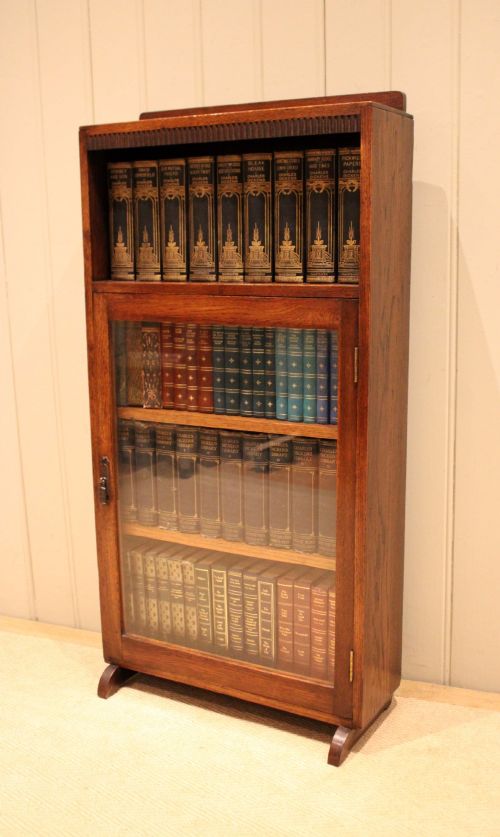
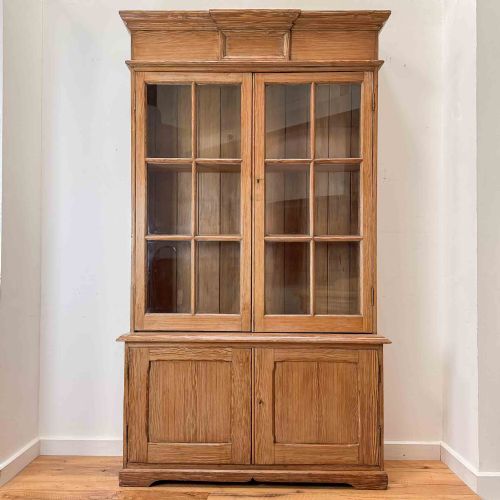
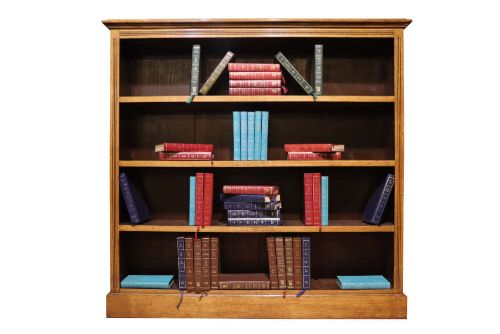
Traditional book cabinet designs span open shelving and glazed display pieces built to house private libraries.
Traditional Book Cabinet
A traditional book cabinet serves as dedicated furniture for housing and displaying collections of books within domestic interiors. When searching for a traditional book cabinet, buyers encounter open front formats alongside glazed and part glazed variations.
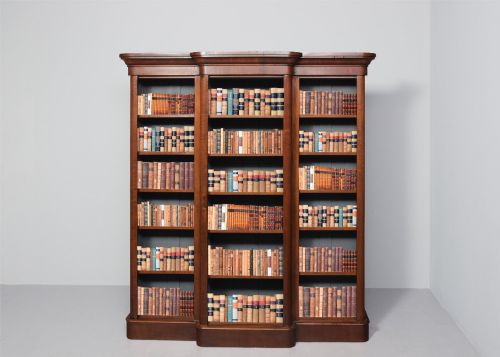
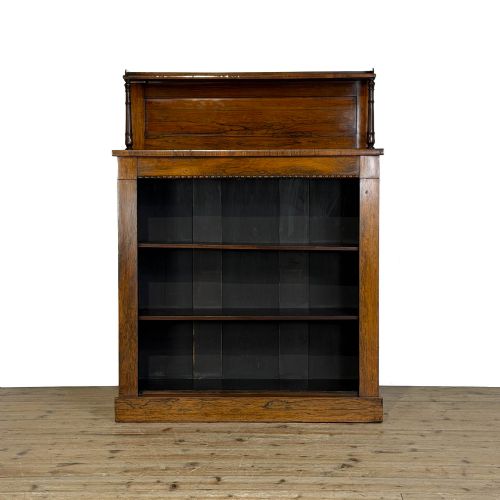
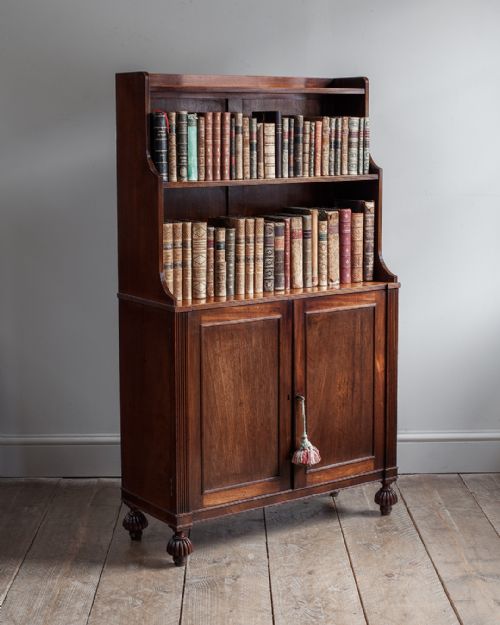
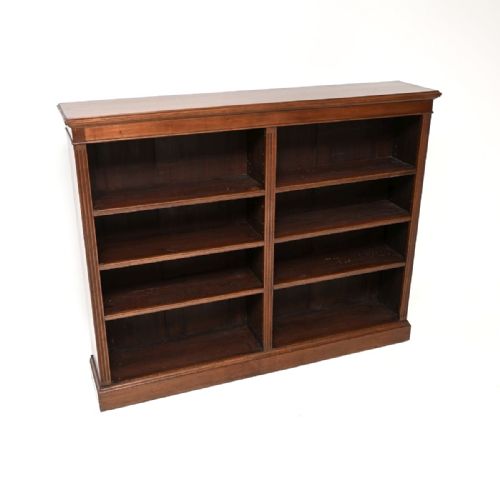
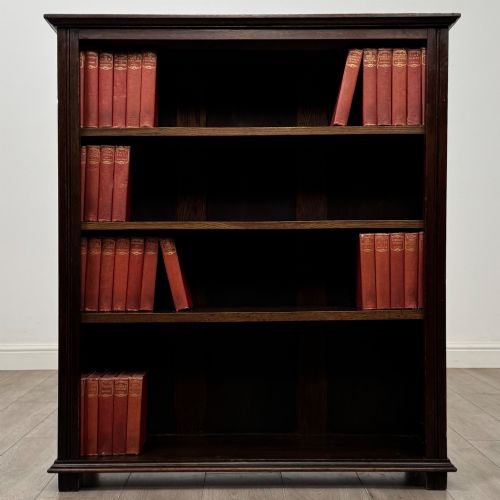
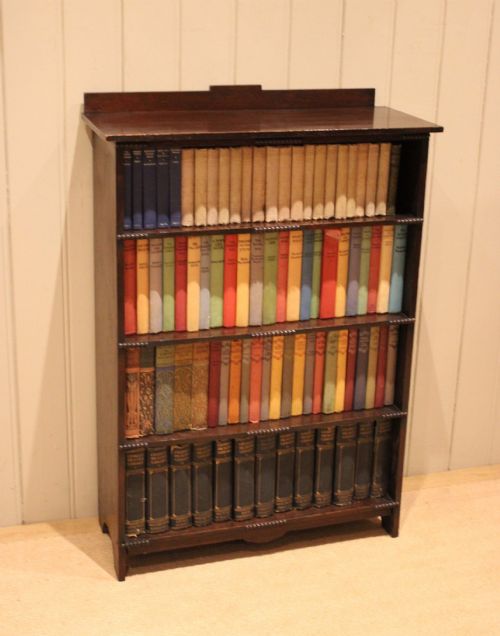
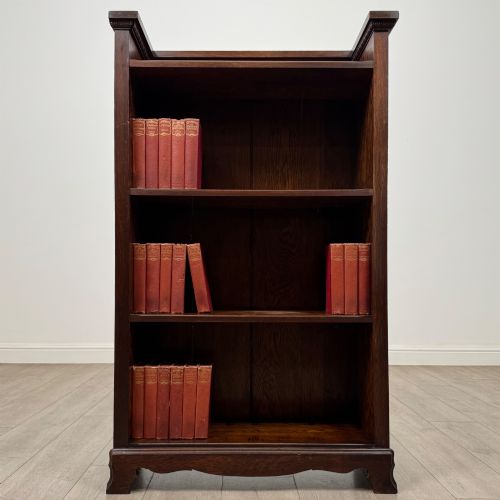
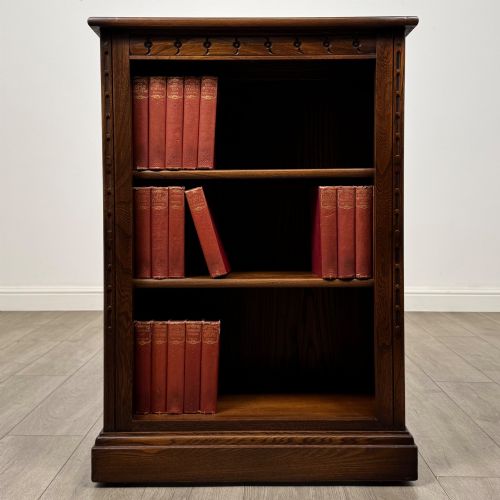
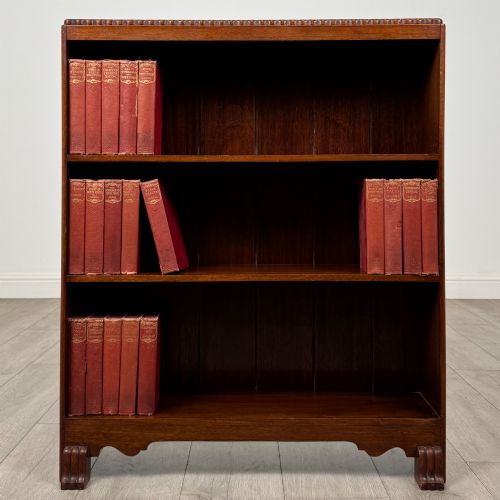
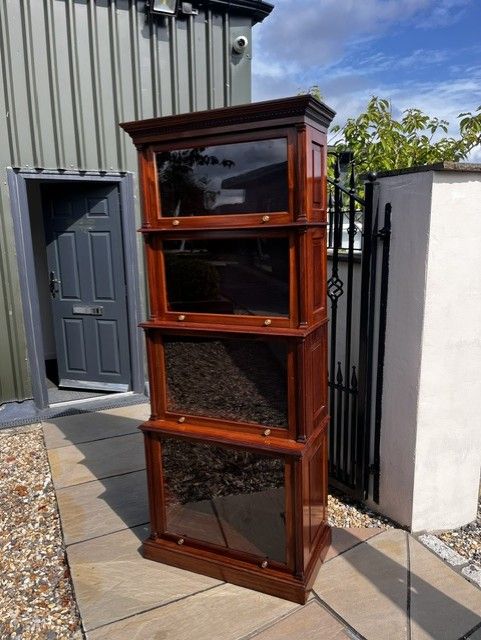
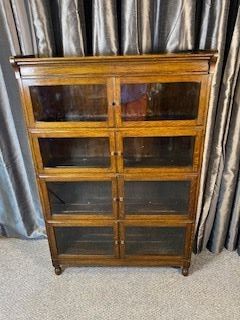
The selections on this page span several distinct historical periods, running from Regency and Victorian eras through Edwardian times and into the twentieth century. Common forms include large breakfront library pieces, narrow open shelves, waterfall designs, and stacking barristers formats.
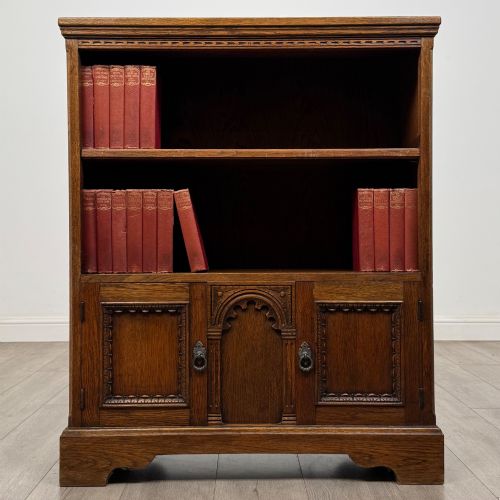
Makers utilised various timber species suited to domestic room settings, ranging from formal hardwoods like mahogany and walnut to robust utility woods such as oak and pine. Buyers frequently select these pieces to add functional storage alongside period character to studies, libraries, and living rooms.
How they were made
Cabinet makers constructed these pieces primarily from solid timbers and veneers, employing mahogany, oak, walnut, rosewood, and pine. Structural elements often incorporated adjustable shelving systems, brass fittings, and glass door panels.
Surface treatments and decorative detailing varied according to the period and style, encompassing carved motifs, inlaid friezes, beaded edges, and figured wood grains. Construction methods balanced load bearing strength with domestic elegance, accommodating heavy volumes on sturdy timber shelves.
A sturdy book press sits quietly among the towering mahogany and oak library cabinets.
What varies in quality
The standard of craftsmanship depends largely upon the selection of timber, such as figured burr walnut or solid mahogany versus simpler deal wood or rustic pine. Superior examples demonstrate refined proportions, precise joinery, and thoughtful decorative additions like inlaid friezes.
The Traditional Book Cabinet Glossary
- Breakfront
- A cabinet design where the central section projects forward from the flanking outer sections.
- Waterfall bookcase
- A shelving unit where each successive shelf steps back from the one below it, creating a cascading profile.
- Barristers stacking bookcase
- A modular bookcase composed of separate stacked sections featuring upward lifting glass doors.
- Book press
- A heavy mechanical device utilised for flattening paper or binding books, occasionally incorporating storage compartments.
- Frieze
- The flat horizontal band situated beneath the cornice of a piece of furniture, often decorated with inlay or carving.
Traditional Book Cabinet: Frequently Asked Questions
What is a traditional book cabinet?
A traditional book cabinet is a piece of furniture designed to store and display books, appearing in open front, glazed, and stacking formats.
These cabinets protect volumes while providing organised shelving within home libraries and studies.
How do I choose the right size?
Consider the available wall space and the volume of books you intend to house within the room.
Options range from small narrow bookcases and bedside tables to large breakfront library cabinets spanning multiple sections.
Are the shelves adjustable?
Many of the listed bookcases and cabinets feature adjustable shelves to accommodate books of varying heights.
This adaptability allows owners to alter the internal layout as their library collections grow and change.
What woods were commonly used?
Makers constructed these cabinets from a variety of timbers including mahogany, oak, walnut, rosewood, pine, and satinwood.
Finer formal pieces often utilised figured hardwoods, whilst utility and rustic country items frequently employed oak or deal wood.