





Traditional Bedroom Vanity Table
These pieces for a traditional bedroom vanity table bring together centuries of timber dressing furniture, washstands, and matching seats designed for daily grooming.
Traditional Bedroom Vanity Table
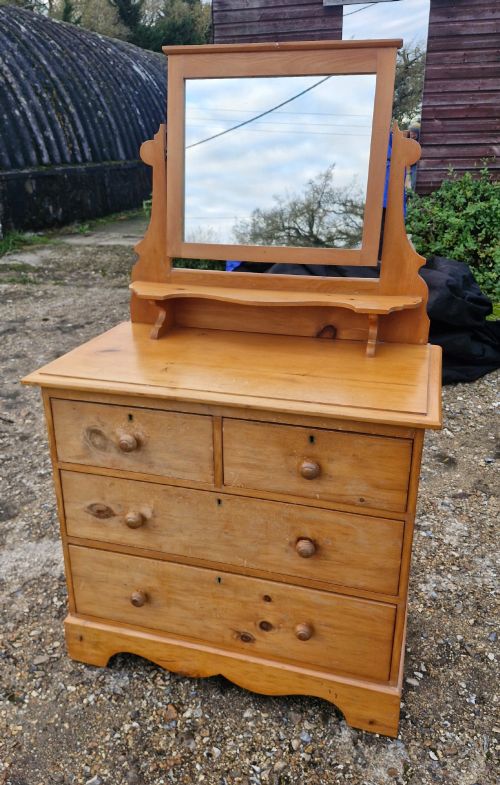
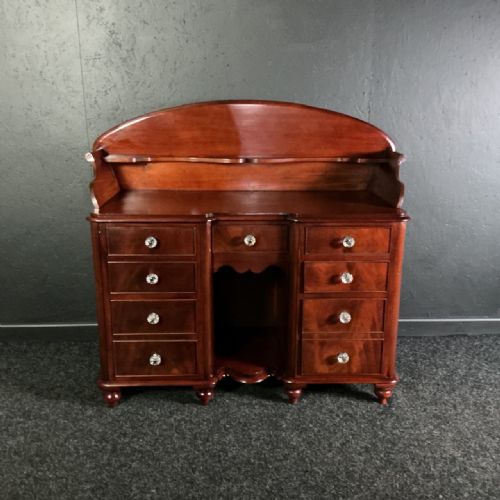
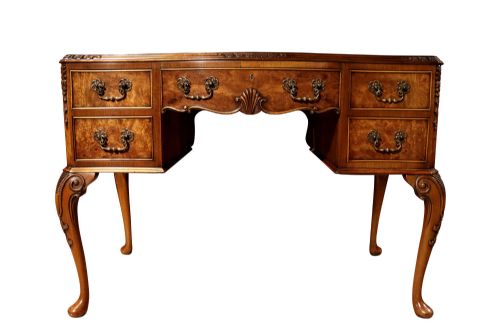
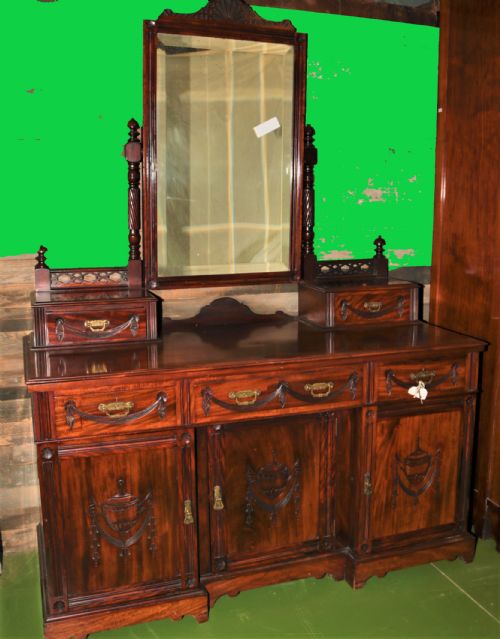
A traditional bedroom vanity table encompasses a varied group of timber furniture created for personal grooming and ablutions across the nineteenth and early twentieth centuries. When searching for this type of furniture, buyers most frequently encounter pedestal dressing tables, washstands, and dressing chests in mahogany, walnut, and pine.
The selection ranges from Regency toilet mirrors and mid nineteenth century washstands to Edwardian satin walnut dressing chests and Queen Anne style walnut stools. Pieces span periods such as the Victorian era, Edwardian years, and the nineteen thirties, reflecting changing domestic habits and bedroom layouts.
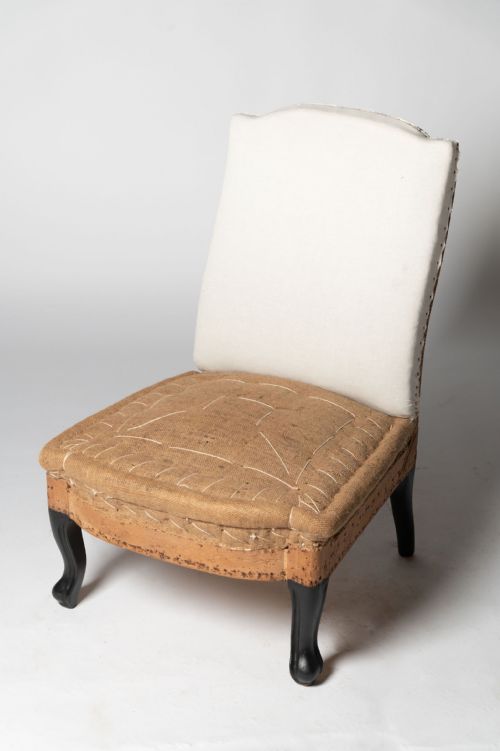
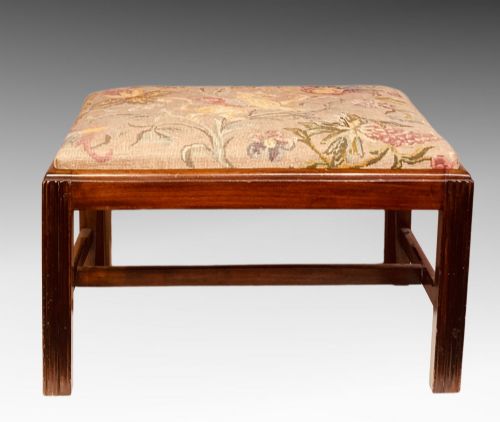
Associated seating includes matching dressing stools and footstools from the mid nineteenth century through to the nineteen twenties, often upholstered to complement the main table. Washstands frequently feature marble tops and glass elements, while desks incorporate leather writing surfaces.
Materials and construction
Cabinet makers utilised a selection of solid timbers and veneers, predominantly mahogany, walnut, burr walnut, pine, and satin walnut. These woods were chosen for their durability and grain patterns, providing the structural foundation for pedestal dressing tables and chests of drawers.
Traditional Bedroom Vanity Table Retail Price Guide 2026
Typical asking prices for traditional bedroom vanity table among the pieces listed under this phrase on Sellingantiques today, from the lower quarter to the upper quarter. They describe what is for sale here now, not the wider market.
Listings feature mahogany, walnut, pine, and marble, spanning the Victorian, Edwardian, Regency, and early twentieth century periods.
Judging quality
Quality in these items rests upon the choice of timber and the handling of veneers, particularly where burr walnut or figured mahogany is employed. Finer examples show careful selection of grain and integration of secondary woods.
The sophistication of the revival style, whether Regency, Queen Anne, or Chippendale, distinguishes standard utility pieces from more ambitious cabinet work. Details such as brass mounts, leather inserts, and marble slabs elevate the execution of the piece.
The Traditional Bedroom Vanity Table Glossary
- Pedestal dressing table
- A large dressing table featuring two banks of drawers supporting the main writing or mirror surface. This form provides substantial storage alongside the central mirror.
- Washstand
- A washstand is a piece of bedroom furniture designed to hold a basin and jug, often fitted with a marble top to protect the wood from water splashes.
- Satin walnut
- A pale, lustrous timber utilised extensively for Edwardian bedroom furniture and dressing chests. It offers a distinct golden tone compared to darker mahogany.
- Toilet mirror
- A smaller tabletop mirror, sometimes set on a small chest or swing frame, popular during the Regency period for close grooming.
- Burr walnut
- Walnut timber taken from a growth on the tree, yielding highly decorative swirling grain patterns used for veneers on fine desks and tables.
Traditional Bedroom Vanity Table: Frequently Asked Questions
How do I clean a marble top washstand?
Marble surfaces require gentle wiping with a damp cloth and mild soap to avoid dulling the stone or damaging the surrounding wood structure.
Harsh chemicals must be avoided entirely to preserve the natural finish of the marble.
What is the difference between a dressing chest and a dressing table?
A dressing chest combines a traditional chest of drawers with an attached or integrated mirror for bedroom storage and grooming.
A dressing table typically focuses on a dedicated desk or pedestal format with kneehole space beneath the mirror.
Can I use an antique washstand as a modern vanity?
Antique washstands with marble tops offer durable surfaces that adapt well to modern basins and contemporary bathroom or bedroom layouts.
The original timber framework accommodates modern plumbing adjustments with careful planning.
How do I match a stool to my vanity table?
Matching a stool involves observing the period style, such as Edwardian mahogany or Queen Anne revival walnut, to ensure stylistic harmony.
Upholstered dressing stools coordinate through fabric choice while maintaining the appropriate wood tone of the main table.