





Traditional Bar Stool
A traditional bar stool offers sturdy, elevated seating rooted in the practical utility of taverns, pubs, and country kitchens.
Traditional Bar Stool
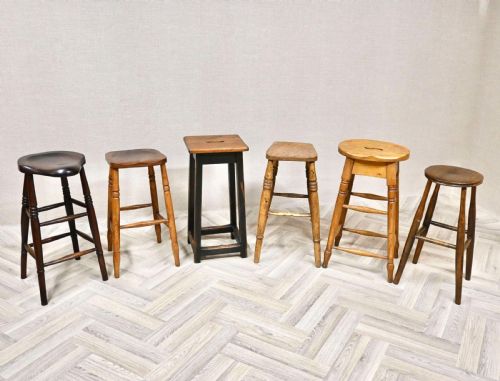
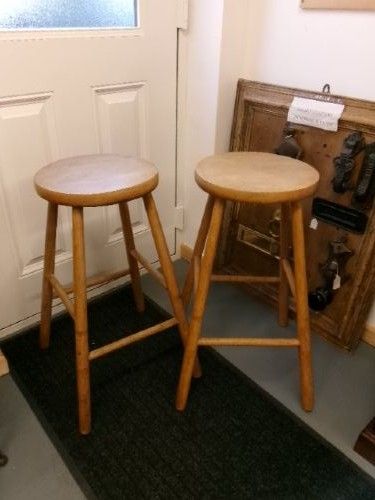
A traditional bar stool encompasses high seating forms originating from the nineteenth and early twentieth centuries, designed specifically for counters, pubs, and drafting desks. The selection centres heavily on nineteenth-century vernacular examples, alongside pieces from the 1880s up to the 1940s.
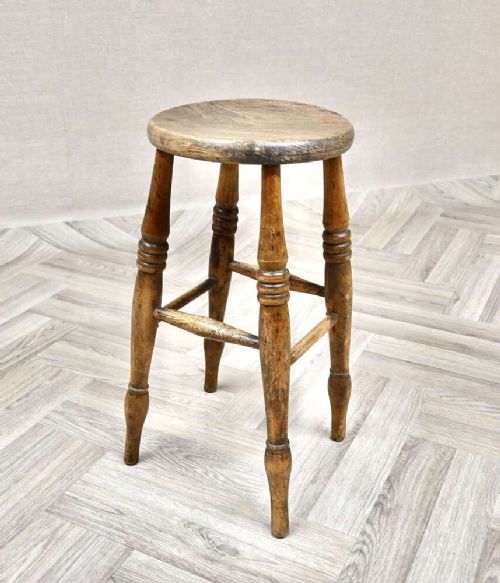
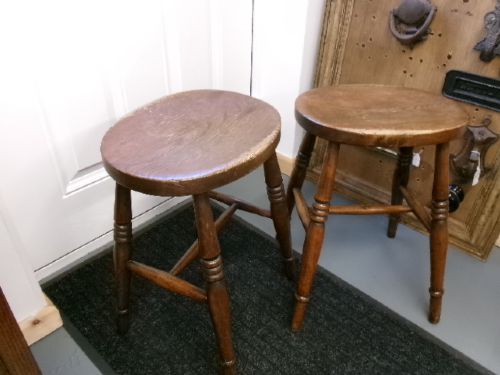
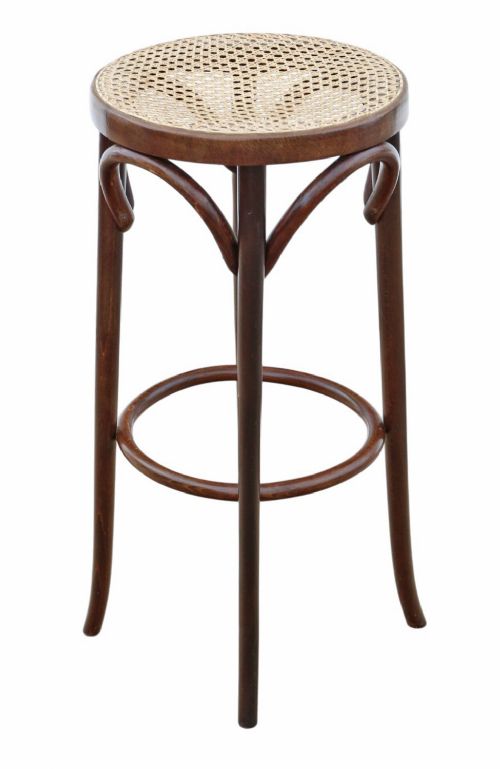
Buyers will encounter various practical configurations, including clerk's stools, tavern and pub seating, bentwood designs, and elm-topped variants. These pieces serve functional roles in domestic kitchens and hospitality spaces alike, bridging rustic utility with period character.
Materials and construction methods
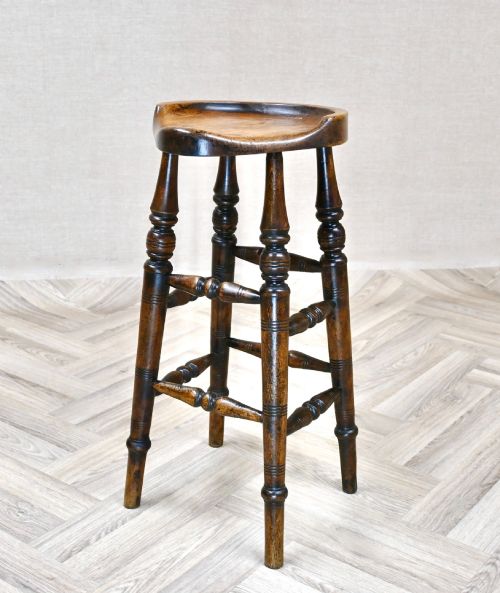
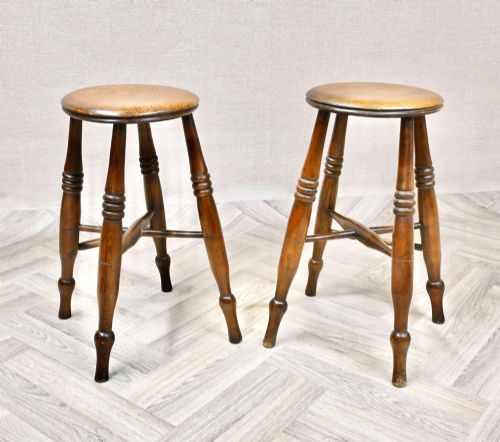
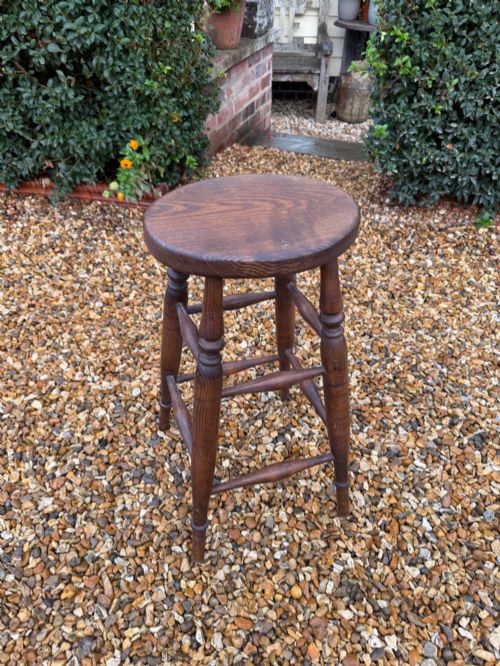
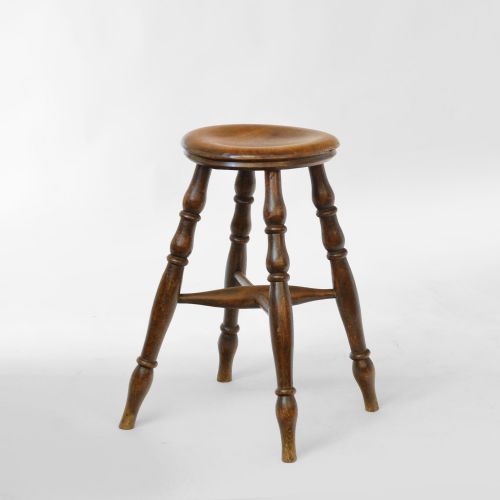
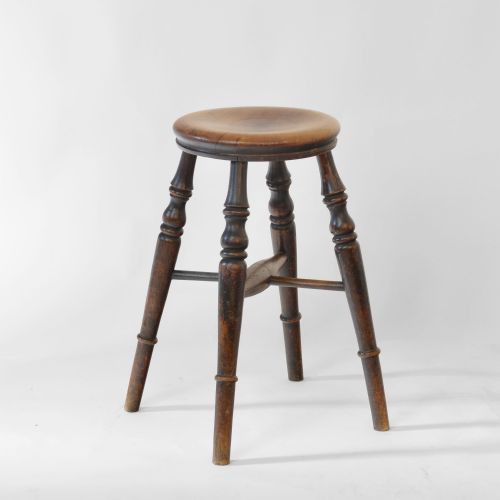
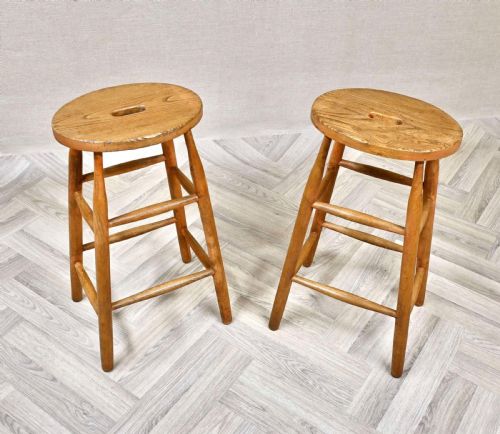
Construction relies heavily on durable hardwoods such as oak, elm, sycamore, beech, and pine, selected for their strength under daily use. Craftsmen shaped solid timber seats, frequently featuring oval dished tops for comfort, supported by sturdy turned legs.
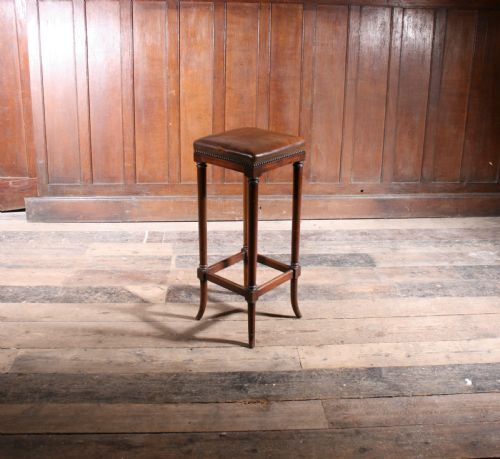
Certain variants incorporate specific detailing such as brass studded leather seats or bentwood techniques. The joinery reflects traditional workshop methods designed to withstand the heavy wear associated with taverns and country houses.
Traditional Bar Stool Retail Price Guide 2026
Typical asking prices for traditional bar stool among the pieces listed under this phrase on Sellingantiques today, from the lower quarter to the upper quarter. They describe what is for sale here now, not the wider market.
Countless tavern patrons have tested the sturdiness of these sycamore seats after one too many ales.
Distinguishing quality in higher tier pieces
Quality rests upon the choice of timber and the integrity of the original construction, with dense woods like elm and sycamore holding up better over generations. Superior examples display thoughtful turning on the legs and carefully shaped seats rather than plain, hurried carpentry.
The survival of original surfaces and patination marks the difference between an honest vernacular survivor and a compromised piece. Proportions also matter, as balanced height and sturdy bracing distinguish purpose-built tall seating from altered shorter forms.
The Traditional Bar Stool Glossary
- Dished top
- A seat surface hollowed into a shallow concave shape by hand adzing or lathe turning to fit the body. This traditional shaping improves seating comfort on wooden surfaces.
- Vernacular
- Objects made by regional craftsmen following local traditions rather than high-style academic designs. These pieces prioritise practical utility and local materials.
- Bentwood
- A technique where strips of wood are steamed until pliable and bent into curved frames. It produces lightweight yet resilient structures seen in twentieth-century seating.
- Clerk's stool
- A tall stool historically used by writers and office workers at high desks. They often feature simple turned legs and narrow footrests.
- Tavern stool
- A heavy-duty seating form built for commercial alehouses and pubs. These prioritised stability and robust hardwood construction above all else.
Traditional Bar Stool: Frequently Asked Questions
What is a traditional bar stool?
A traditional bar stool is an elevated seat originating from the nineteenth or early twentieth century, designed for pubs, taverns, and high work desks. They utilise sturdy timbers and practical forms rather than decorative upholstery.
These pieces bring authentic period character into modern kitchens and breakfast bars, functioning as both durable seating and historical artefacts.
How were old bar stools used?
Historical high stools served workers in public houses, clerk's offices, and country homes where elevated seating was necessary for tasks at high counters or drafting desks. Their robust build ensured they could withstand constant daily use in busy environments.
Today, buyers repurpose them around kitchen islands and home bars, maintaining their original function while appreciating their age.
Which woods are most common?
Makers relied on durable domestic timbers such as elm, oak, beech, sycamore, and pine. Elm and sycamore frequently appear on seat tops due to their resistance to splitting, while beech and oak provide strong legs and stretchers.
Each timber brings a distinct grain and weight to the stool, reflecting the local wood available to the original rural or town workshop.
How do I date an antique stool?
Dating relies on observing construction marks, timber characteristics, and style markers associated with periods like the nineteenth century or the 1920s and 1930s. Hand-turned legs, original patination, and traditional joinery methods indicate earlier manufacture.
Comparing the form to documented tavern and clerk's seating helps narrow down the decade or century of origin.