





Tooled Leather Books
Tooled leather books bring tactile warmth and rich historical presence to a room, offering tactile pleasure alongside historical text.
Tooled Leather Books
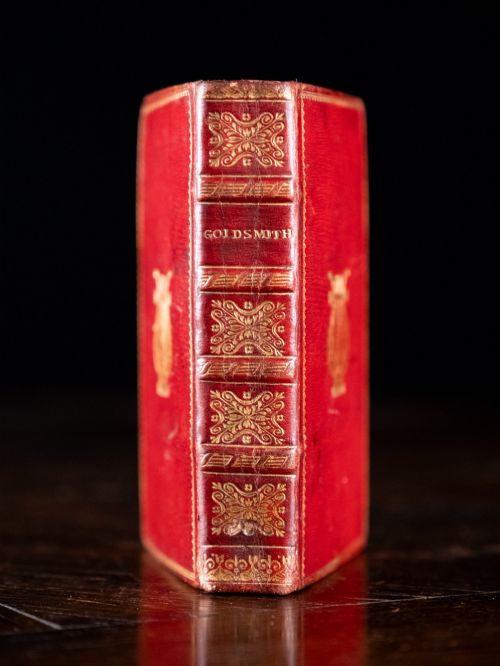
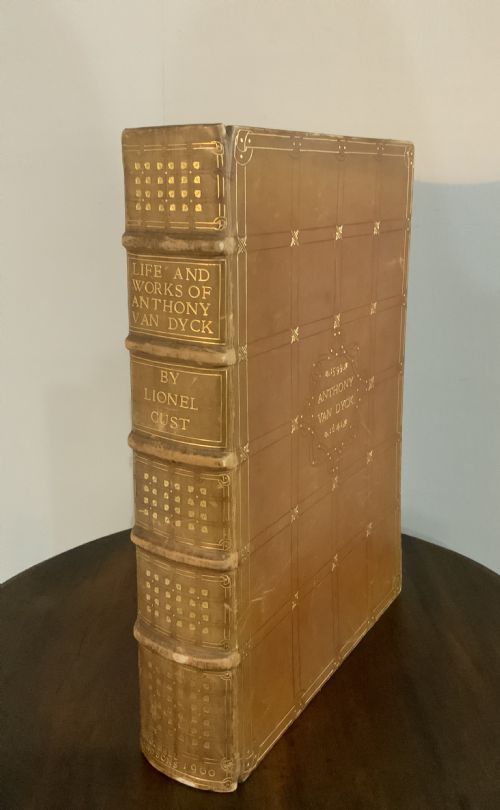
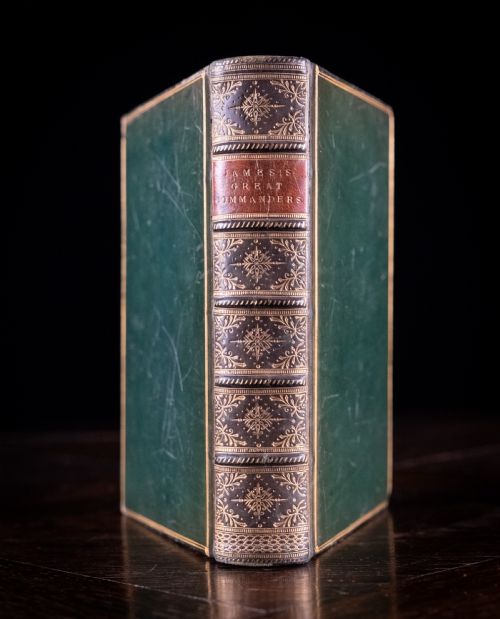
Tooled leather books encompass antique volumes, multi-volume sets, and decorative items fashioned from leather and paper, frequently originating from the nineteenth century. Buyers often encounter Victorian editions, Regency poetry, and Edwardian biographies bound in calfskin leather.
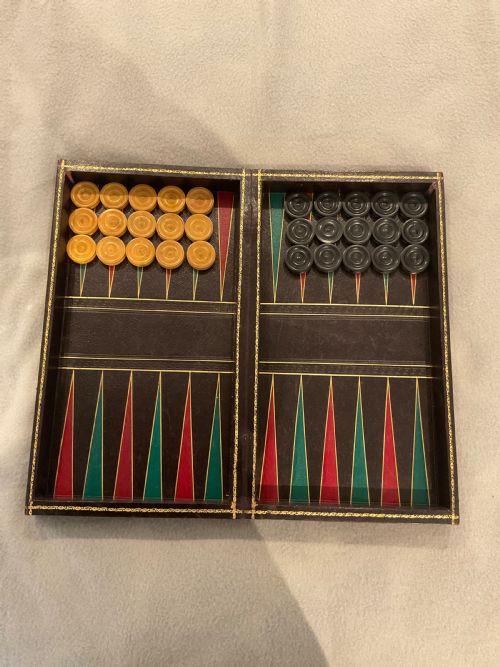
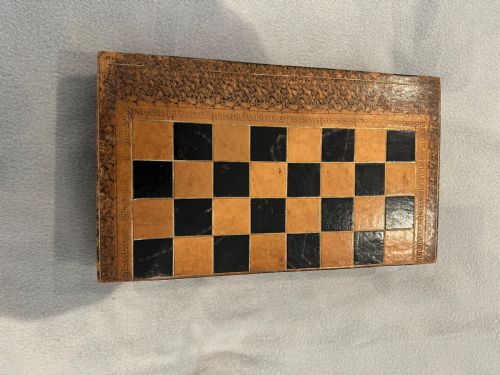
Beyond standard reading volumes, this category extends to unusual forms derived from bookbinding traditions, such as leather-bound faux book games boards, caskets, photo albums, and desk accessories.
The selection ranges from single miniature volumes dated in the early nineteenth century to large complete sets of novels and historical works spanning the Victorian era.
How they were made
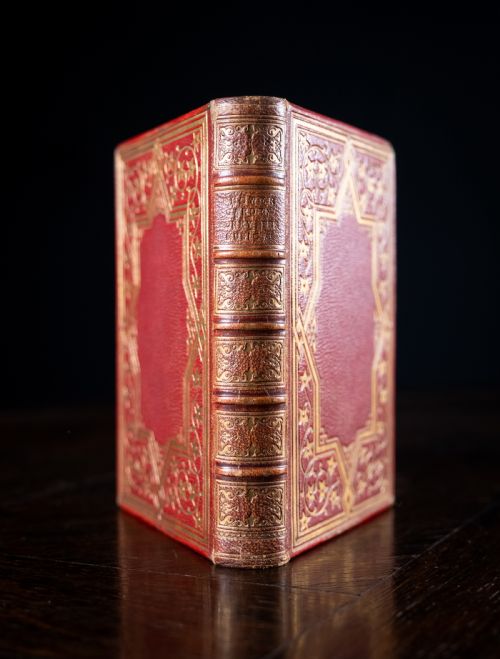
Binders utilised genuine leather, specifically calfskin, stretched over cardboard or wooden boards to form durable covers for the paper text blocks. Artisans applied gold leaf by hand into impressed channels to create detailed gilt decoration along the spines and boards.
Decorative surfaces relied on precise blind tooling and gilding techniques to press patterns into the leather. Additional structural elements incorporated brass hinges or clasps, paper endpapers, and occasionally wooden cores for heavier faux book boxes and games boards.
Tooled Leather Books Retail Price Guide 2026
Typical asking prices for tooled leather books among the pieces listed under this phrase on Sellingantiques today, from the lower quarter to the upper quarter. They describe what is for sale here now, not the wider market.
Listings feature items dated from the eighteenth century through to the mid-twentieth century, predominantly utilising leather, gold leaf, and paper.
What varies in quality
The precision and depth of the gold tooling set finer bindings apart from standard production, as does the suppleness and uniform grain of the calfskin leather. Crisp lettering and sharp gilt ornamentation indicate skilled hand-tooling by experienced binders.
Completeness and uniformity within multi-volume sets heavily influence overall desirability. Matched bindings that retain their original spines and clean interior paper pages represent higher levels of preservation.
The Tooled Leather Books Glossary
- Calfskin
- A fine, smooth leather derived from calf hide, commonly used for high-quality bookbindings. It takes gold tooling exceptionally well and softens gracefully with age.
- Gilt
- A thin application of gold leaf applied to the edges of paper or impressed into leather bindings. It protects against dust while adding decorative brilliance.
- Blind tooling
- A bookbinding technique where heated metal tools are impressed into leather without gold leaf or pigment. This creates dark, depressed patterns through heat alone.
- Faux book
- An object disguised as a book, such as a games board, casket, or box. These utilise bookbinding materials to conceal storage compartments or gaming surfaces.
Tooled Leather Books: Frequently Asked Questions
How should I clean tooled leather books?
Dust gently with a soft, dry cloth to remove surface particles without disturbing fragile bindings. Avoid using modern chemical cleaners or excessive moisture on historical leather.
Keep volumes away from direct sunlight and damp environments to preserve the integrity of the paper and leather. Proper air circulation around bookshelves prevents the formation of mould and mildew.
How do I identify a Victorian binding?
Victorian bindings frequently feature ornate gilt stamped designs, deep blind embossing, and coloured cloth or leather combinations. Look for publisher details and dates printed on the title pages for precise verification.
Spines from this era commonly display raised bands alongside elaborate floral or geometric tooling. The quality of the paper and typography also offers strong clues to the decade of production.
What is a faux book box?
A faux book box uses traditional bookbinding techniques on wood, brass, or cardboard to create a hidden storage container. These items served as decorative desk accessories or games boards in period interiors.
The spine and cover mimic actual leather-bound volumes, often complete with authentic tooling and titling. They provided a discreet way to store small items on library shelves and tables.