



Tinted Wall Mirror
A tinted wall mirror brings striking colour and geometric form to a room, capturing the distinct glamour of the interwar period.
Tinted Wall Mirror
A tinted wall mirror serves as a functional reflective surface and a bold decorative focal point within an interior. These pieces date primarily from the 1920s and 1930s, capturing the aesthetic spirit of the Art Deco era.
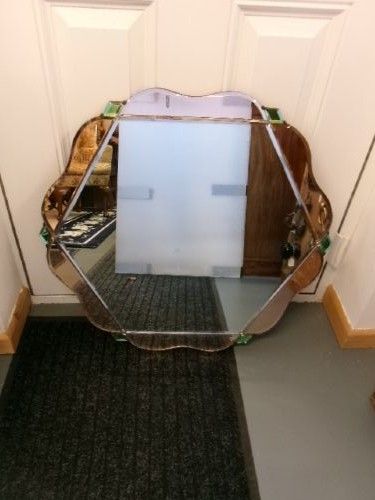
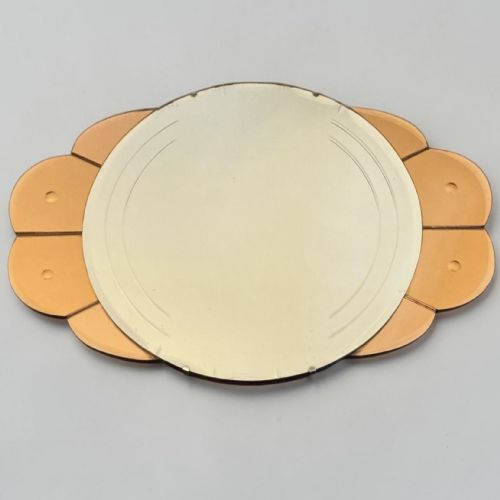
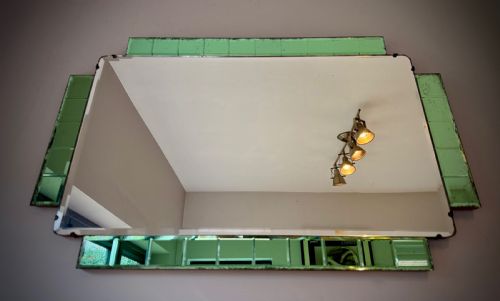
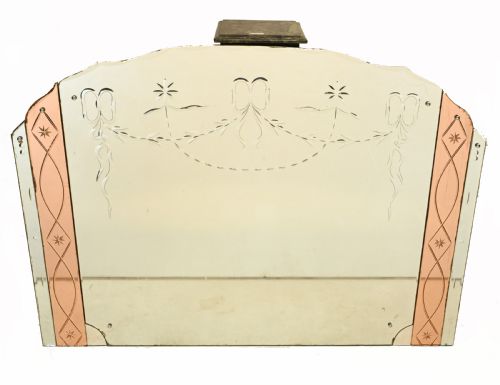
The most common examples on this page are wall mirrors and overmantel mirrors featuring geometric panel arrangements. They incorporate coloured glass sections such as peach, emerald green, and blue alongside standard mirrored glass.
Origins represented in these listings include English and French workshops, alongside Venetian influences. Forms range from frameless multi-tone designs to large diamond shapes and embossed glass panels.
How they were made
Makers constructed these mirrors using combinations of glass, tinted glass, peach glass, mirrored glass, wood, metal, and copper. Metal components and copper secure the glass panels while adding structural support to the frames and backings.
Techniques relied on precise cutting of coloured glass panels to form intricate geometric patterns and multi-tone compositions. Beveled edges and embossed details further define the surface work characteristic of Art Deco design.
Tinted Wall Mirror Retail Price Guide 2026
Typical asking prices for tinted wall mirror among the pieces listed under this phrase on Sellingantiques today, from the lower quarter to the upper quarter. They describe what is for sale here now, not the wider market.
Current listings feature mirrors exclusively from the 1920s and 1930s, utilising glass, wood, metal, copper, and peach glass.
What varies in quality
Quality in a tinted wall mirror rests upon the complexity of its multi-tone glass composition and the precision of its panel assembly. Pieces that combine several distinct glass colours, such as peach, blue, and green, demand a higher level of craftsmanship.
The sophistication of the silhouette and the integration of auxiliary materials like copper or metal framing separate standard production from finer examples. Structural integrity in large formats, such as overmantel mirrors and diamond wall mirrors, also dictates the standard of the piece.
The Tinted Wall Mirror Glossary
- Art Deco
- A design style spanning the 1920s and 1930s characterised by geometric shapes, streamlined forms, and vibrant use of colour. It heavily influences the mirrors found in this selection.
- Overmantel Mirror
- A large mirror designed to hang specifically above a fireplace mantelpiece. These pieces often feature wide proportions to anchor the surrounding wall space.
- Beveled Glass
- Glass with an angled edge cut and polished to a specific acute angle. This technique creates a prismatic border that catches the light.
- Peach Glass
- A tinted glass variant with a warm pinkish-orange hue popular during the 1930s. It imparts a soft, flattering reflection.
- Frameless Mirror
- A mirror construction lacking a traditional perimeter frame, relying instead on exposed edge work or overlapping glass panels for its outline.
Tinted Wall Mirror: Frequently Asked Questions
What rooms suit a tinted wall mirror?
These mirrors suit living rooms, hallways, and bedrooms where their distinctive colour and geometric lines can act as a focal point. They pair particularly well with period interiors or spaces aiming for an interwar aesthetic.
Because they incorporate coloured glass like peach or green, they also reflect light with a warmer or more atmospheric tone than standard silvered mirrors.
How do I hang a heavy overmantel mirror?
Hanging a large overmantel mirror requires secure fixings anchored directly into wall studs or masonry using appropriate weight-rated hardware. Given the substantial glass and wooden backings of 1930s pieces, professional installation is often recommended.
Ensure the weight is distributed evenly across multiple points to prevent strain on the original frame and glass panels.
How do I clean tinted mirror glass?
Clean tinted mirror glass gently using a soft microfibre cloth and a mild, ammonia-free glass cleaner sprayed onto the cloth rather than directly onto the surface. This prevents moisture from seeping behind the glass or corroding the copper backing and silvering.
Avoid abrasive materials that could scratch the delicate tinted or embossed glass surfaces.
How do I identify a 1930s mirror?
Look for characteristic design markers such as geometric symmetry, segmented peach or blue glass panels, and exposed copper or metal screw caps holding the glass. These construction traits are typical of English and French pieces from the Art Deco period.
The weight, the type of wooden backing board, and the presence of beveling also help distinguish authentic interwar production.