

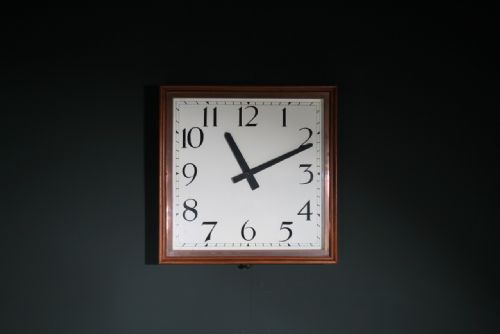


Timber Wall Clock
A timber wall clock brings mechanical precision and warm material presence to a room, offering both reliable timekeeping and architectural character.
Timber Wall Clock
When you search for a timber wall clock, you examine timepieces housed in wood cases designed to hang vertical on domestic or commercial walls. These items span various eras, bringing together utilitarian function and decorative cabinetwork.
The versions most common here include nineteenth-century Black Forest carved wooden models and Victorian walnut Vienna wall clocks. Examples range from simple dial clocks with fusee movements to ornate regional carvings with cuckoo mechanisms.
Additional forms incorporate barometers and regional workshop designs, demonstrating how timekeeping integrated with domestic interiors across the nineteenth and early twentieth centuries.
How they were made
Cases rely on carved wood, walnut, and mahogany, shaped by cabinetmakers using traditional joinery and hand-carving techniques. These woods provide both structural rigidity for the movement and a stable canvas for decorative detailing.
Glass protects the dials, whilst brass, copper, bone, and metal components form the intricate gear trains, bezels, and dial faces. Movements often utilise fusee or striking mechanisms to regulate the release of power.
Timber Wall Clock Retail Price Guide 2026
Typical asking prices for timber wall clock among the pieces listed under this phrase on Sellingantiques today, from the lower quarter to the upper quarter. They describe what is for sale here now, not the wider market.
Materials appearing across the inventory include brass, copper, ceramic dials, glass, and bone, alongside industrial and Black Forest styles.
What varies in quality
The standard of carving and the selection of timber dictate the visual distinction of each piece. Finely figured walnut veneers and deeply undercut Black Forest foliage demonstrate superior workshop effort compared to plain or mechanically stamped alternatives.
The integrity of the internal movement and the preservation of original components separate standard items from superior examples. Original dials, hands, and matching timber mounts retain the historical cohesion valued by collectors.
Connell of London·Trade S Mark Tokyo
The Timber Wall Clock Glossary
- Fusee
- A conical pulley used in clock movements to maintain an even pull as the mainspring unwinds. This mechanism ensures consistent timekeeping across the duration of the wind.
- Vienna regulator
- A precision wall clock developed in Austria during the nineteenth century, known for its refined walnut case and weight-driven movement. These pieces display exceptional mechanical accuracy.
- Dial clock
- A wall timepiece featuring a prominent circular face framed by a simple wooden surround. They served practical roles in offices, railway stations, and domestic halls.
- Aneroid barometer
- An instrument that measures atmospheric pressure without liquid, frequently housed in matching timber wall cases alongside clocks. They provide weather readings through a visible dial.
- Black Forest traditional
- A regional style originating from Germany characterised by elaborate hand-carved woodwork depicting foliage, animals, and rustic scenes. These clocks often incorporate animated cuckoo mechanisms.
Timber Wall Clock: Frequently Asked Questions
How do I wind a wall clock?
Most mechanical wall clocks require a key inserted into the dial to tension the spring or lift the weights.
Careful rotation ensures the movement receives proper power without over-winding the internal components.
Where should I hang a timber clock?
Mount the clock on a sturdy interior wall away from direct sunlight, excessive moisture, and rapid temperature shifts.
Stable hanging prevents vibration from disturbing the pendulum beat and movement accuracy.
How do I identify a Victorian wall clock?
Victorian timepieces frequently utilise dark walnut or mahogany cases, often featuring restrained architectural mouldings or fusee movements.
Examining the construction of the timber case and the style of the dial reveals clues to its nineteenth-century origin.
What is a fusee movement?
A fusee movement uses a conical drum and a cord or chain to equalise the force of the mainspring.
This sophisticated system provides steady power to the gear train as the spring loses tension.