




Timber Linen Cupboard
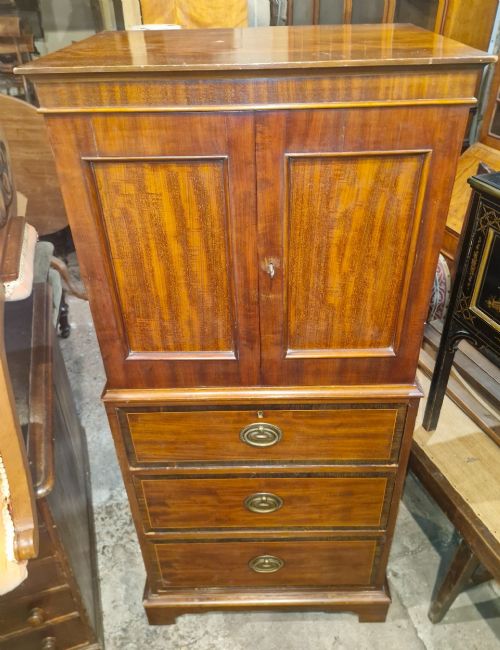
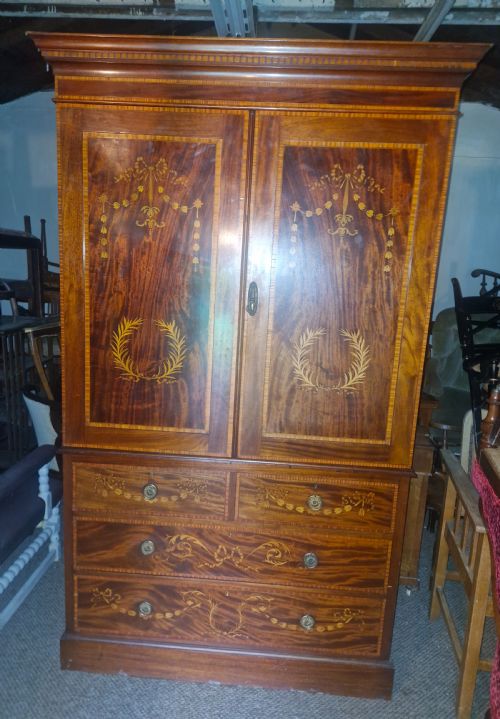
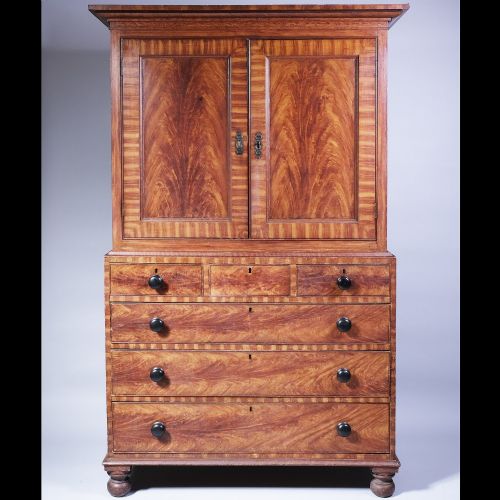
A timber linen cupboard is a storage piece designed to keep household textiles, coming in forms from Georgian presses to Edwardian wardrobes.
Timber Linen Cupboard
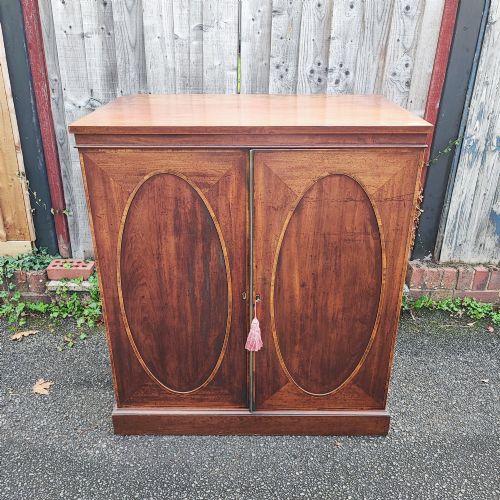
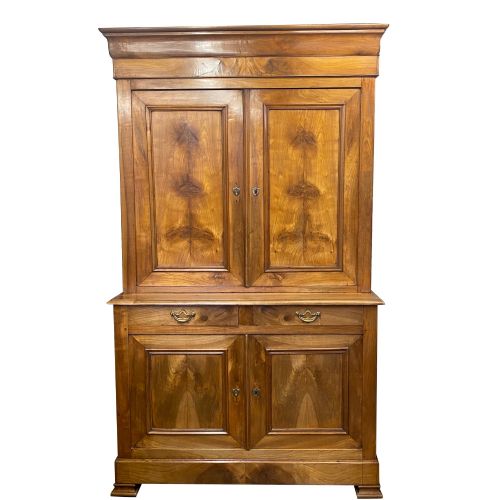
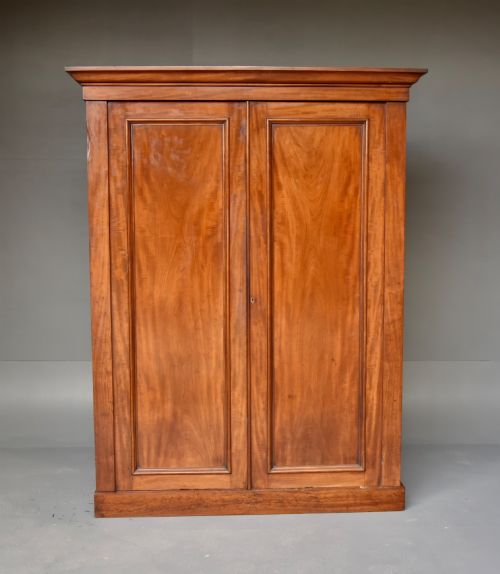
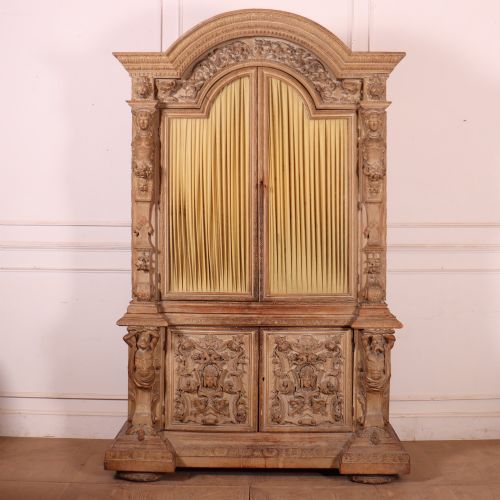
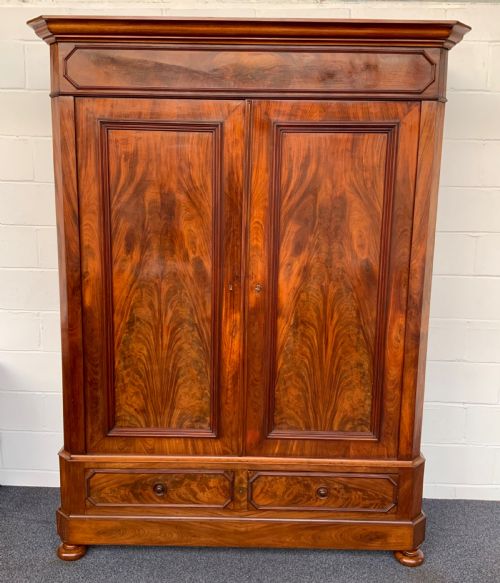
When you search for a timber linen cupboard, you encounter large storage furniture originating from various periods including the eighteenth and nineteenth centuries, alongside Edwardian and later examples. These pieces serve as functional bedroom and house storage, taking the form of wardrobes, armoires, press cupboards, and housekeeper storage.
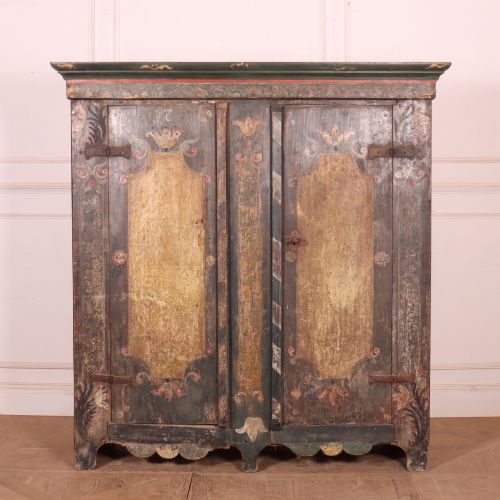
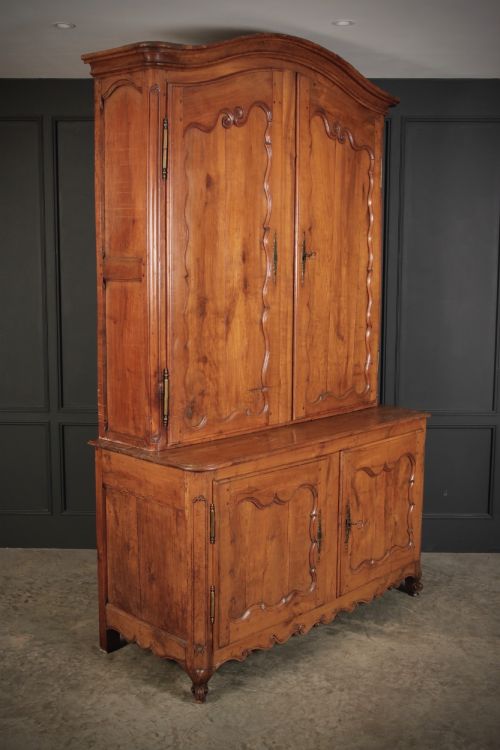
The selection includes regional pieces such as French Provincial armoires, English country furniture, and Swedish kitchen cabinets, constructed from woods like mahogany, walnut, cherry, and pine. Many function as dual-purpose storage units, combining hanging space with internal drawers or shelving for textiles.
You are likely to meet vernacular pieces alongside formal Georgian and Victorian examples, reflecting how different households stored garments and linens across centuries. Their proportions range from single-door bedroom units to substantial multi-part housekeeper cupboards designed for large domestic interiors.
How they were made
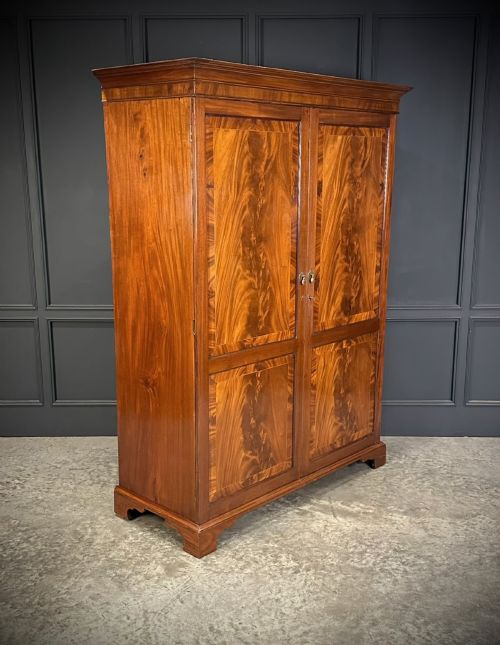
Construction relies heavily on solid timbers such as mahogany, oak, walnut, and cherry, often utilised alongside decorative veneers like burr walnut and flame mahogany. Carpenters joined structural sections using traditional joinery methods suited to the weight of large wardrobes and press cupboards.
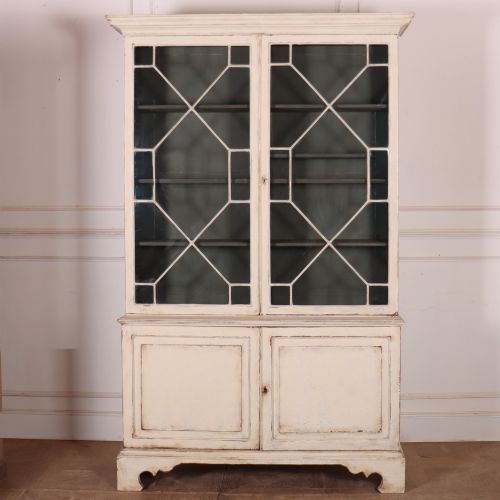
Surface finishes vary widely across the selection, ranging from clear polished mahogany and walnut to scumble painted finishes, polychrome decoration, and lacquered surfaces. Functional iron and brass hardware, including hinges, locks, and handles, secures the doors and drawers of these storage cabinets.
Timber Linen Cupboard Retail Price Guide 2026
Typical asking prices for timber linen cupboard among the pieces listed under this phrase on Sellingantiques today, from the lower quarter to the upper quarter. They describe what is for sale here now, not the wider market.
Some old teak cupboards arrive with ten distinct drawers, ready to swallow up an impressive quantity of small wandering belongings.
What varies in quality
Quality in a timber linen cupboard rests upon the choice of primary timber and the execution of structural joinery, separating robust utility furniture from finer cabinet-making. Grain selection in veneered pieces, such as flame mahogany or burr walnut, determines the visual depth of the facade.
The integrity of internal fittings, including original shelving, sliding trays, and hanging rails, distinguishes unaltered examples from those modified for modern use. Furthermore, the retention of original brass or iron hardware and surface treatments indicates the level of preservation.
Druce & Co.·Mercier
The Timber Linen Cupboard Glossary
- Linen press
- A tall cupboard featuring upper doors enclosing sliding trays or shelves for linen, positioned above a base section fitted with drawers.
- Armoire
- A large upright cupboard or wardrobe, typically of continental European origin, used originally for storing arms and later clothing.
- Vitrine
- A glass-fronted cabinet or display case designed for showcasing objects, constructed from wood with glazed panels.
- Scumble painted
- A decorative paint technique involving translucent layers dragged or textured over a base coat to imitate wood grain or create mottled patterns.
- Parquetry
- Geometric mosaic woodwork used for decorative floors, cabinet doors, or panels, constructed from fitted wood veneers.
Timber Linen Cupboard: Frequently Asked Questions
What is a timber linen cupboard used for?
These pieces were historically built to store household linens, sheets, and garments in domestic bedrooms and utility rooms.
Today, they function as versatile bedroom wardrobes or general storage cabinets in modern interiors.
How do I date an antique cupboard?
Dating relies on identifying timber species, construction joinery techniques, and stylistic markers associated with periods like Georgian or Edwardian.
Secondary woods used inside drawers and backboards also offer clues regarding the geographical origin and era of manufacture.
Where should I place a large armoire?
Large armoires and housekeeper cupboards require adequate wall space and clearance for opening heavy timber doors.
Placement away from direct heat sources prevents the solid wood or veneer from drying out and splitting over time.
Are painted finishes original?
Painted finishes range from 18th-century polychrome decoration and scumble paint to later decorative treatments applied to vernacular furniture.
Examining the wear patterns and underlying timber helps determine whether a painted surface is period-correct.