


Timber Kitchen Work Table
A timber kitchen work table brings honest utility and hard-wearing surface space to a room, built for daily domestic labour.
Timber Kitchen Work Table
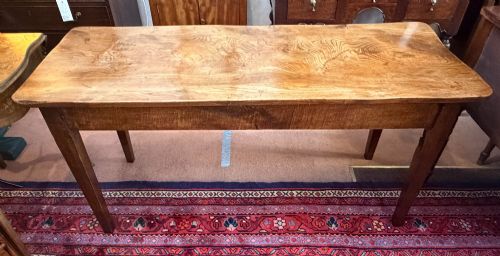
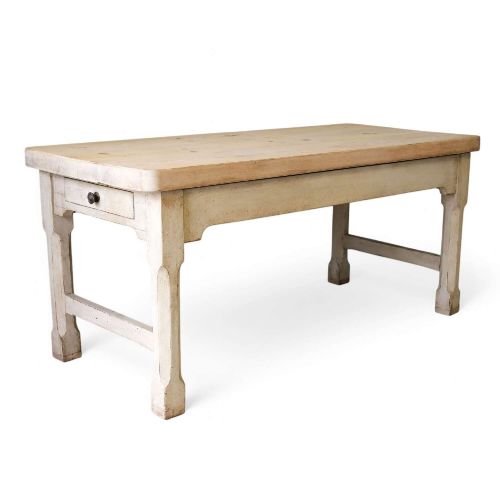
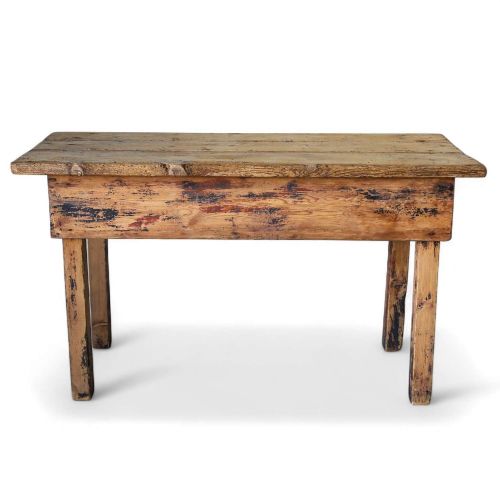
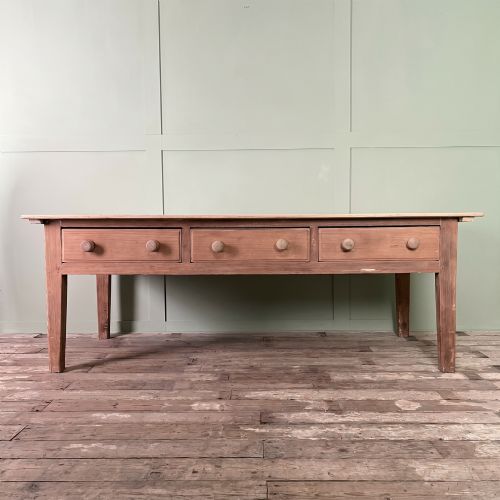
When you search for a timber kitchen work table, you encounter robust utilitarian furniture built for domestic and trade preparation. These pieces span the eighteenth, nineteenth, and early twentieth centuries, originating from English country houses, Welsh farmhouses, and French provincial workshops.
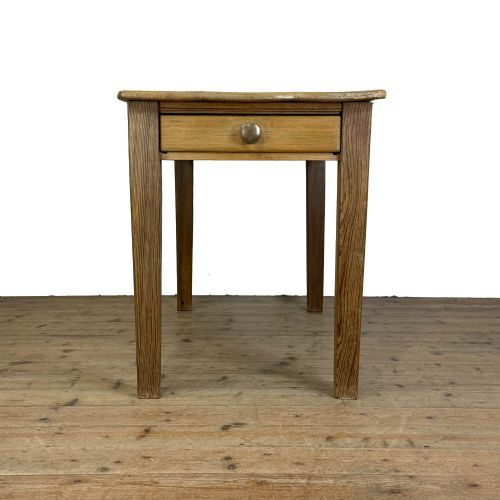
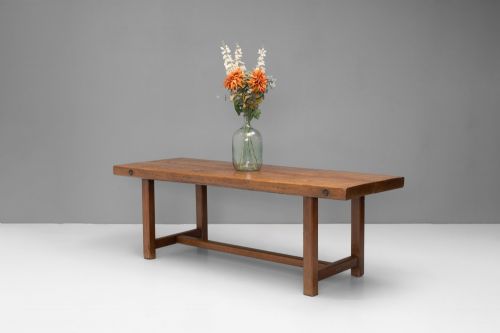
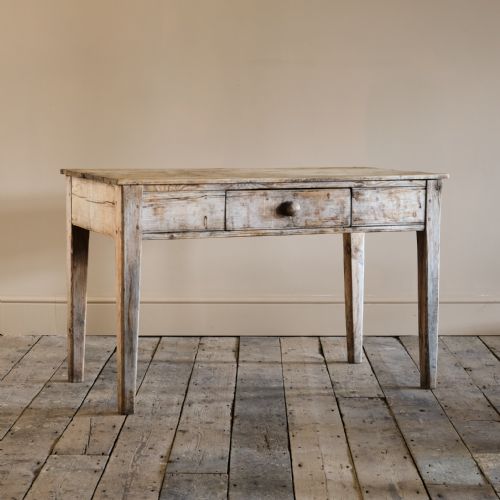
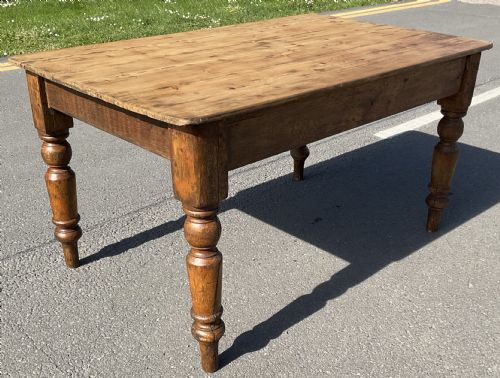
The selection on this page relies heavily on pine and oak construction, taking the form of prep tables, scullery tables, and heavy-duty workbenches. You will find simple farmhouse dining tables sitting alongside artisan work tables fitted with vices and butchers blocks.
Most examples lean towards rustic farmhouse and Victorian country aesthetics, showing the honest wear of past labour. They function equally well as central kitchen islands, dining tables, or side consoles.
How they were made
These tables rely on solid timber construction, primarily using pine, oak, sycamore, beech, and chestnut for thick top boards and sturdy framing. Cabinetmakers and village joiners joined heavy planks using traditional methods to withstand the heavy downward pressure of kneading dough or butchering meat.
Many working pieces incorporate secondary materials like iron and metal for bracing, brackets, and functional vices bolted directly to the timber. Surfaces often show traces of original finishes, such as Swedish Falu paint or later domestic coats applied over decades of use.
The listings show work tables constructed from pine, oak, beech, and chestnut across eighteenth, nineteenth, and twentieth-century periods.
What varies in quality
The distinction between a standard utility table and a superior piece lies in the integrity of the timber and the honesty of its construction. Thick, board-built tops that remain flat and stable demonstrate superior initial material selection by the maker.
Original working hardware, such as integrated wooden vices on French workbenches or authentic period iron bracing, elevates the character and historical integrity of the piece. The depth of patination accumulated through generations of hard labour separates compelling examples from plain reconstructions.
Trussant & Cie
The Timber Kitchen Work Table Glossary
- Prep table
- A utilitarian surface specifically designed for food preparation in sculleries, dairies, and kitchens. These tables usually feature unpolished timber tops suited to heavy daily chores.
- Butchers block
- A heavily constructed block of dense timber, often end-grain, designed to absorb the repeated impact of cleavers and knives during meat preparation.
- Workbench
- A heavy trade table fitted with working mechanisms such as wooden vices, historically used by artisans and carpenters before finding a second life in domestic kitchens.
- Falu paint
- A traditional deep red or earthy paint originating in Sweden, composed of copper mine residue and linseed oil, used to protect exterior and interior woodwork.
- Scullery table
- A domestic work table kept in the scullery for messy kitchen tasks, typically constructed from scrubbed pine or durable softwood.
Timber Kitchen Work Table: Frequently Asked Questions
Can I use an old work table for dining?
These robust tables transition smoothly into dining use, provided the height allows comfortable leg clearance underneath the frieze and drawers. Many historic examples were built with generous proportions specifically to accommodate seating on one or both sides.
Because original working heights vary depending on the trade or domestic task intended, check the floor-to-apron clearance carefully before pairing chairs with a workbench or butchers block.
How do I clean a scrubbed pine top?
Maintain historical scrubbed timber surfaces using warm water, mild soap, and a stiff natural-bristle brush, scrubbing gently along the grain. Avoid harsh chemical strippers or excessive moisture that can warp old boards and raise the grain permanently.
Allow the wood to dry naturally away from direct heat sources. Applying a clear beeswax or food-safe mineral oil helps nourish dry pine without sealing away its historic character.
Are work benches practical for modern kitchens?
Historic work benches and prep tables provide exceptional stability and generous surface areas that suit contemporary cooking routines. Their substantial timber tops withstand heavy daily use, from rolling pastry to mounting modern kitchen appliances.
Fitted vices and tool wells on workshop pieces add distinctive character and practical storage nooks for utensils, though they require thoughtful placement within a modern layout.
How do I tell an 18th century table apart from a 19th century one?
Eighteenth-century tables generally display wider, single-piece board construction, hand-cut joinery marks, and deeper patination earned through centuries of domestic life. Their framing often utilises pegged tenons and hand-forged iron nails rather than mass-produced fixings.
Nineteenth-century examples tend to show more standardised sawmill marks, slightly thinner top boards, and factory-produced hardware while retaining the robust utilitarian spirit of earlier eras.