

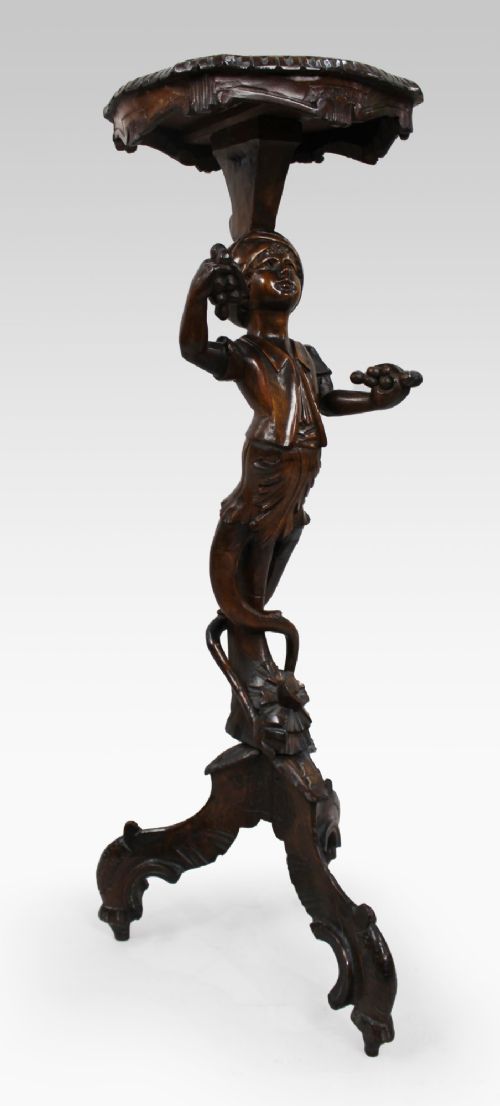
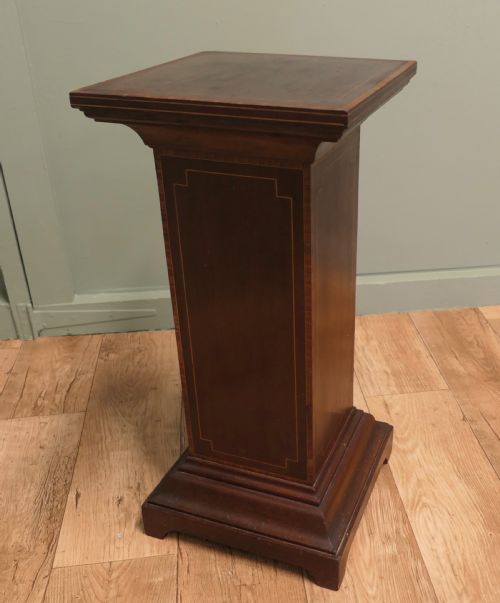


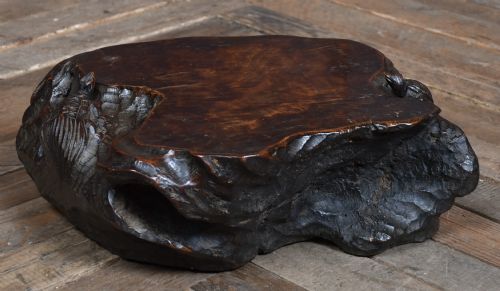


Timber Display Plinth
A timber display plinth elevates sculpture and ceramics, offering height and architectural presence to decorative objects.
Timber Display Plinth
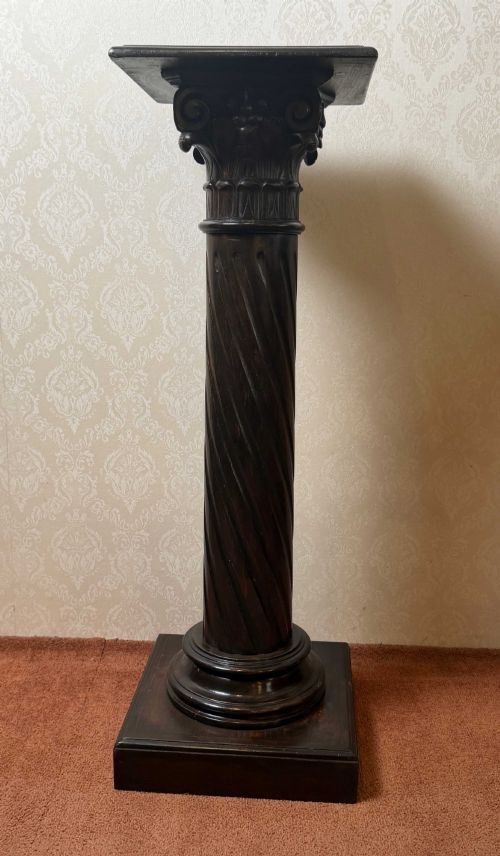
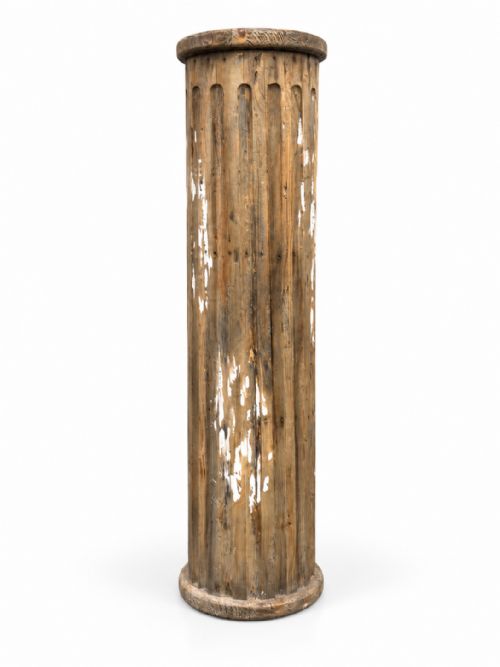
A timber display plinth functions as a sturdy support for figures, urns, and botanical specimens within a room. When buyers search for a timber display plinth, they encounter items functioning as pedestals, column stands, and bonsai holders.
The selections span from the Georgian period through to the early twentieth century, incorporating French provincial designs alongside British examples. These pieces serve to highlight decorative arts by raising them from floor level.
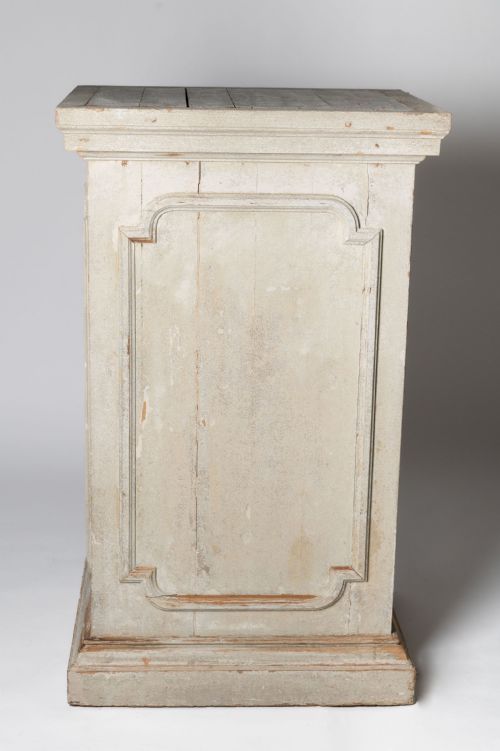
Forms vary from fluted columns to square pillars, occasionally housing secret compartments or cupboard spaces beneath the top surface. Such variations reflect the practical needs of nineteenth-century interiors where display and storage intersected.
Materials and construction methods
Cabinet makers utilised dense hardwoods such as mahogany, rosewood, and dark oak to ensure stability for heavy sculptures. Timbers were frequently turned on lathes to create classical column profiles or hand-carved with floral and figural motifs.
Surface treatments included clear polishing to reveal mahogany grain, decorative paintwork simulating marble, and intricate marquetry inlay. Beech and birch served as alternatives, often stained to imitate richer woods or finished with paint.
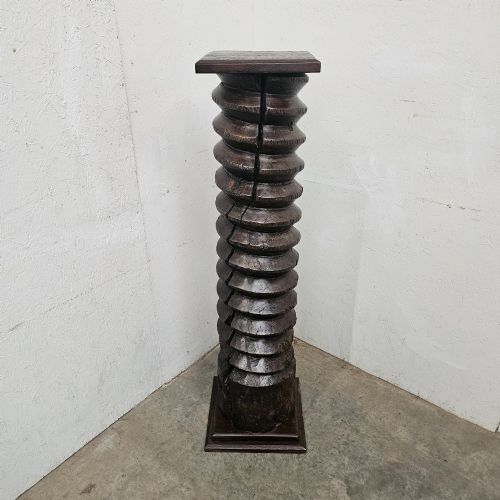
Joinery techniques relied on robust internal framing and stable pillar construction to bear weight safely without warping. Artisans integrated screw threads from industrial equipment or carved solid blocks of timber to achieve specific architectural heights.
Timber Display Plinth Retail Price Guide 2026
Typical asking prices for timber display plinth among the pieces listed under this phrase on Sellingantiques today, from the lower quarter to the upper quarter. They describe what is for sale here now, not the wider market.
Some nineteenth-century makers concealed secret compartments inside heavy wooden columns, adding clandestine storage to an ordinary display stand.
Distinctions in craftsmanship and design
Superior examples demonstrate meticulous hand-carving and precise architectural proportions that mirror classical orders faithfully. The choice of timber grain and the crispness of fluting on column shafts separate standard utility stands from finer display pieces.
The Timber Display Plinth Glossary
- Pedestal
- A structural support or column designed to elevate a sculpture, vase, or urn above floor level. These forms provide vertical interest within interior spaces.
- Neoclassical
- A style drawing inspiration from classical antiquity, featuring columns, fluting, and formal symmetry. This aesthetic dominated much of the nineteenth-century furniture production.
- Marquetry
- The art of applying pieces of veneer to a structure to form decorative patterns and pictures. It adds visual texture to flat surfaces on display stands.
- Fluting
- Shallow vertical grooves carved into the shaft of a column or pedestal. This technique creates rhythmic shadow lines and enhances the verticality of the piece.
Timber Display Plinth: Frequently Asked Questions
What is a timber display plinth used for?
These pieces serve as elevated platforms for sculptures, urns, and decorative ceramics. They lift objects into the field of vision to create focal points within a room.
Historically, they also functioned as plant stands or specialised bonsai holders. Their primary role remains the physical support and visual enhancement of interior ornaments.
How do I date a timber display plinth?
Dating relies on identifying timber species, construction techniques, and stylistic markers associated with specific periods. Georgian and Victorian examples often display hand-turned elements and distinct wood selections like rosewood or mahogany.
Later pieces from the early twentieth century may incorporate simpler joinery or different staining methods. Examining the underside and internal structure provides further clues regarding age.
Can these plinths support heavy sculptures?
Solid hardwood construction ensures that many of these pedestals bear substantial weight securely. The wide base designs typical of column stands distribute gravity effectively across the floor.
Buyers should inspect the internal framing and top surface thickness to confirm stability. Most nineteenth-century examples were built specifically to hold heavy bronze or marble figures.
Where should I place a plinth at home?
Plinths fit well in corners, empty wall spaces, or flanking doorways to add architectural height to a room. Placing them away from direct heat sources protects the timber from splitting or warping.
Pairing a column stand with a contrasting ceramic or bronze object maximises its visual impact. Ensure the floor surface is level to maintain absolute stability for the displayed piece.