



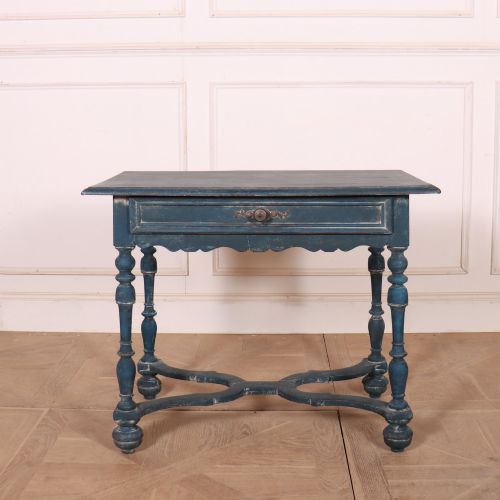
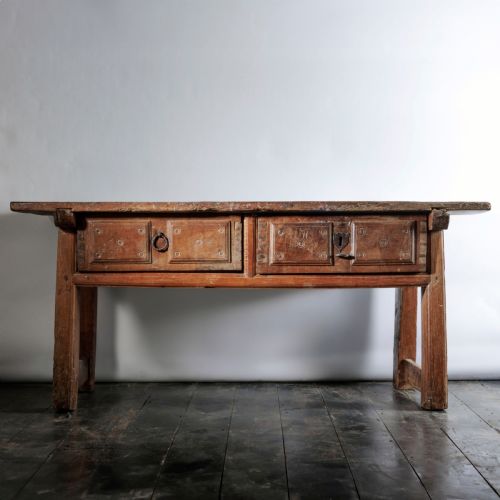
Timber Console Table
A timber console table brings architectural balance to a hallway or drawing room, offering a narrow surface for lamps, porcelain, and correspondence.
Timber Console Table
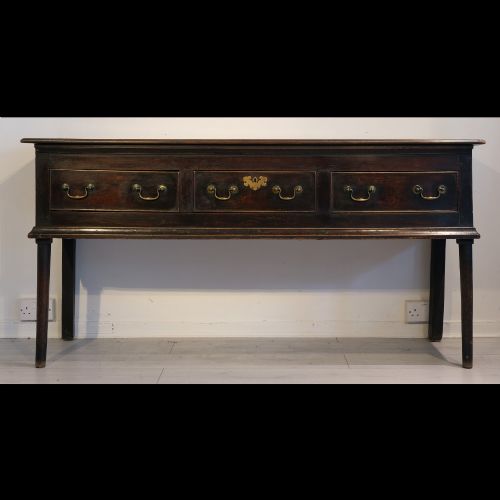
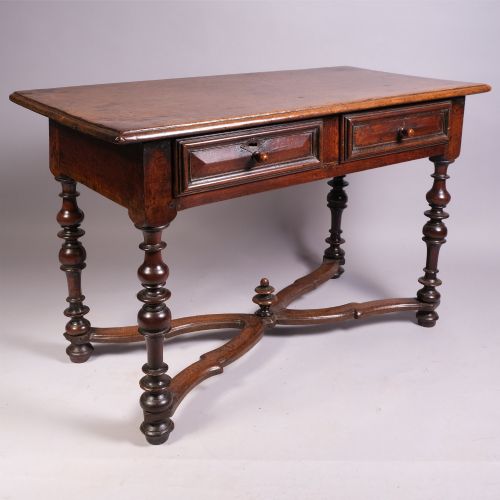
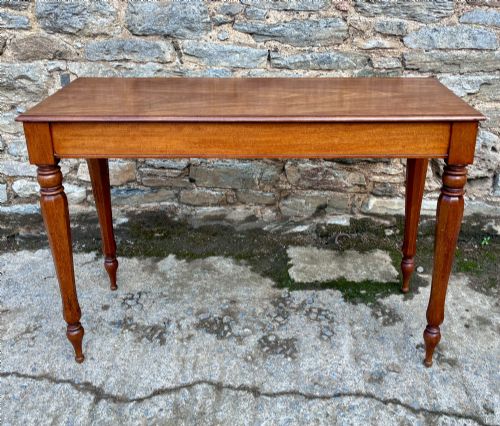
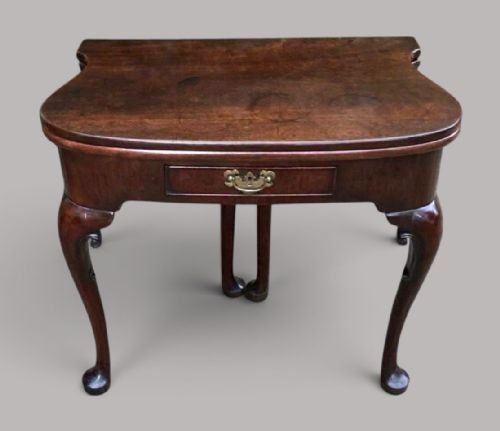
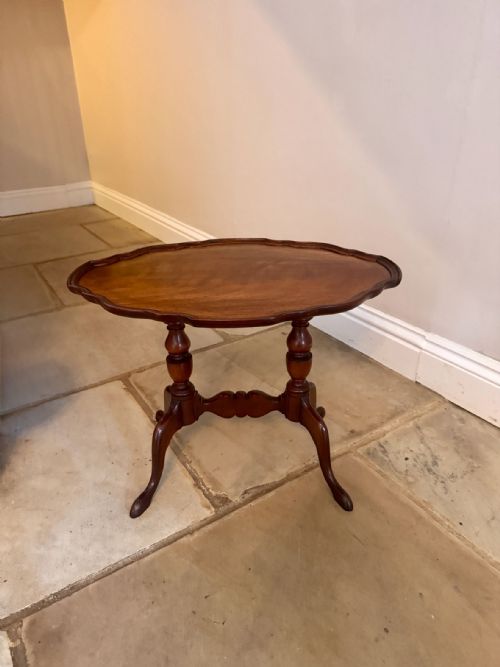
A timber console table is typically designed to stand against a wall, appearing in forms such as side tables, serving tables, and occasional tables. Buyers seeking a timber console table will encounter examples spanning the eighteenth and nineteenth centuries, alongside regional interpretations from French, English, and Spanish makers.
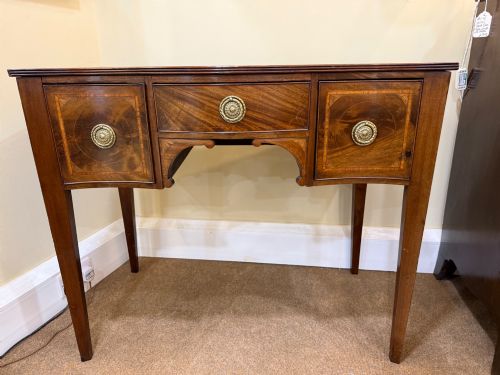
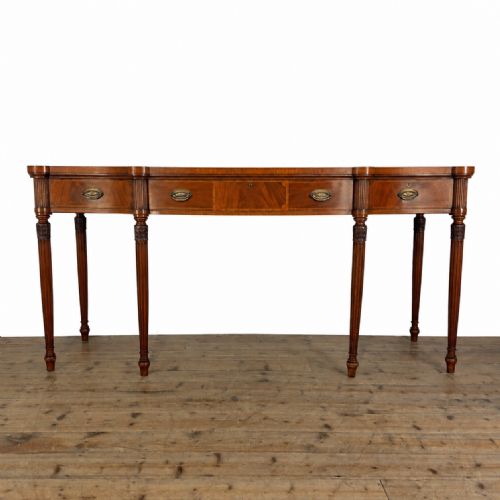
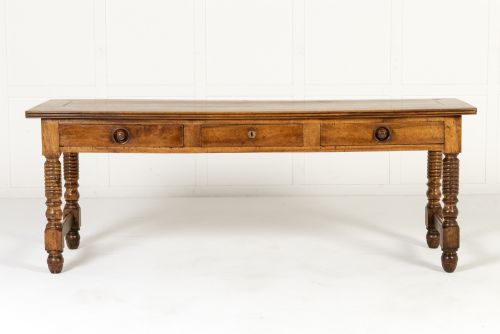
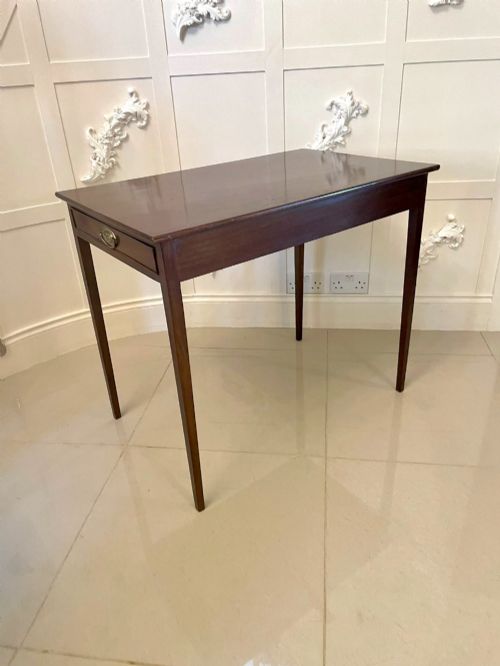
The selection ranges from formal Georgian mahogany pieces with serpentine fronts to utilitarian pine and oak workbenches, potboard dresser bases, and painted country counters. These furnishings serve practical domestic functions, whether acting as a hall stand, a serving surface in a dining space, or a compact writing desk.
How they were made
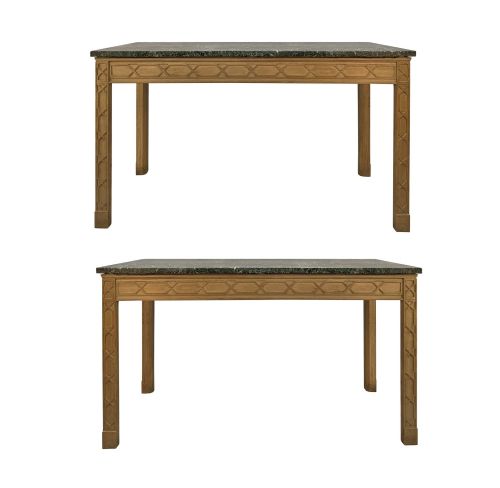
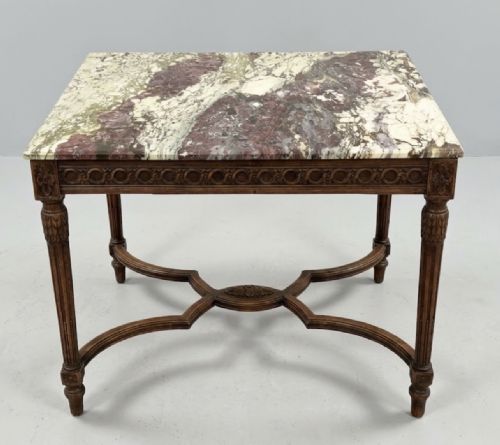
Construction relies heavily on traditional hardwoods and softwoods including mahogany, oak, walnut, pine, and cherrywood, often joined with pegged mortise and tenon joints or dovetailed drawers. Surfaces range from polished timber grains to applied paint finishes, sometimes paired with marble tops such as Breccia Medicea violetta.
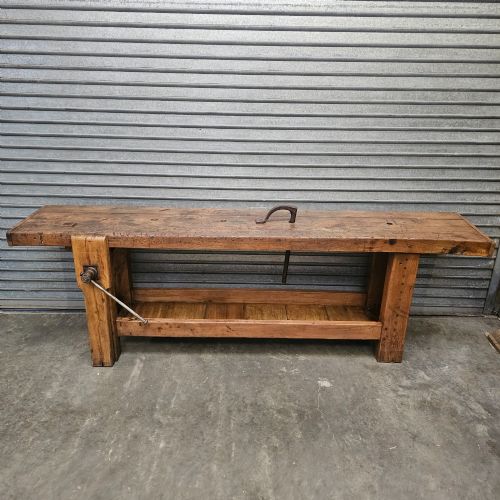
Utility pieces like French craftsmans workbenches and dairy prep tables incorporate functional elements such as integrated clamping bars, vises, and lower potboards for heavy storage. Cabinetmakers shaped these structures using hand planes and saws, finishing fine writing tables with dedicated writing surfaces in leather or painted wood.
Timber Console Table Retail Price Guide 2026
Typical asking prices for timber console table among the pieces listed under this phrase on Sellingantiques today, from the lower quarter to the upper quarter. They describe what is for sale here now, not the wider market.
Listings feature eighteenth-century oak drop-leaf dining tables alongside nineteenth-century French laundry tables and English potboard dresser bases.
What varies in quality
Quality rests upon the selection of timber figures, the crispness of carved details like serpentine borders or bleached oak mouldings, and the structural integrity of the frame. Superior examples display thoughtful proportions and harmonious wood grain across the top and legs, whether finished in clear polish or original paint.
The integrity of secondary woods, original hardware, and working components such as drawer runners distinguish standard utility tables from exceptional drawing-room furnishings. Patina accumulated through decades of use adds depth to the surface, provided the timber retains its original thickness and structural balance.
The Timber Console Table Glossary
- Serpentine
- A curved line of furniture fronting that bends inward centrally and outward at the sides. This rhythmic contour appears frequently on eighteenth-century mahogany dressing tables and console tables.
- Potboard
- An open lower shelf fitted between the legs of a dresser base or serving table. It provided a dry storage area for heavy pottery and kitchen vessels.
- Demi lune
- A half-moon shape used for table tops and frames designed to fit flat against a wall. These compact tables often function as side or console pieces in narrow entryways.
- Breccia
- A composite rock made of angular fragments embedded in a fine-grained matrix. Marble varieties like Breccia Medicea violetta provide durable, decorative surfaces on nineteenth-century tables.
Timber Console Table: Frequently Asked Questions
Where should I place a console table?
A console table fits naturally in a narrow hallway, behind a sofa, or against a dining room wall where floor space is limited. Its shallow depth provides a practical surface for lighting and display without obstructing foot traffic.
Formal mahogany versions suit reception rooms, while scrubbed pine and oak workbenches find a comfortable home in country kitchens or boot rooms.
How do I distinguish Georgian from Victorian tables?
Georgian tables, dating from the eighteenth and early nineteenth centuries, typically emphasise restrained classical proportions, fine mahogany grains, and subtle serpentine or straight lines. Victorian pieces from the later nineteenth century often feature heavier proportions, bolder mouldings, and richer ornamentation.
Examining the construction methods beneath the top reveals hand-cut joinery typical of earlier periods versus later mechanical production.
Can I use a workbench as a console table?
French and English workbenches, complete with vises and clamping bars, bring robust texture and utility to contemporary living spaces. Their narrow proportions and lower shelves make them ideal for holding books, baskets, or decorative objects.
The aged pine and elm surfaces offer a relaxed aesthetic that contrasts well with formal architectural interiors.
What is the difference between a console and a serving table?
Console tables are primarily designed to stand flush against a wall as decorative architectural fixtures, sometimes supported by brackets or legs at the front. Serving tables are typically freestanding pieces intended for dining rooms to hold dishes and silverware during meals.
Both forms share similar proportions and materials, often appearing interchangeably in modern room layouts.