

Timber Accent Table
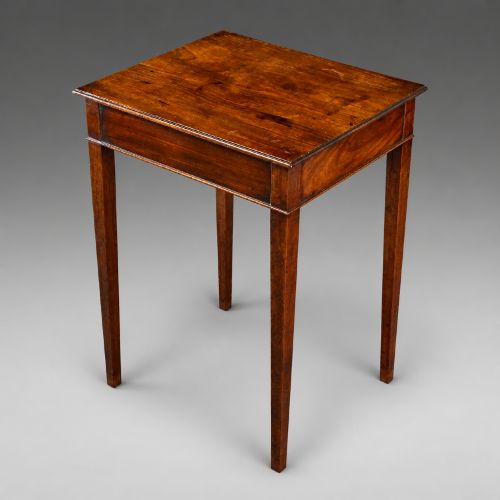
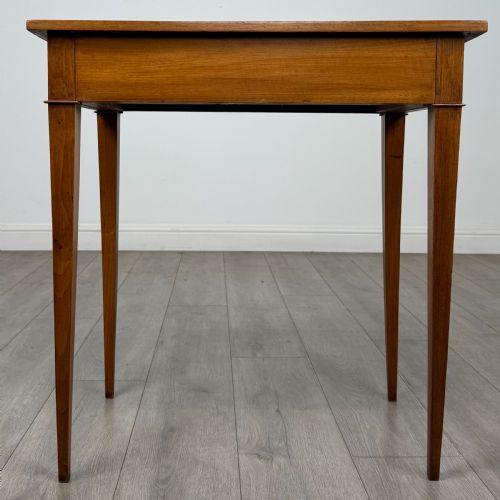
A timber accent table brings character and a useful surface to a room, ranging from simple oak cricket tables to elaborate inlaid Chinese pieces.
Timber Accent Table
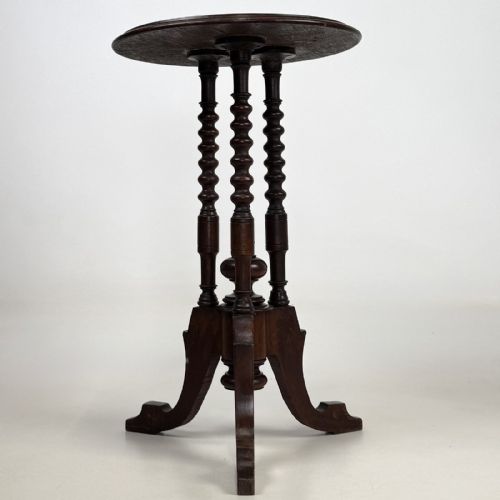
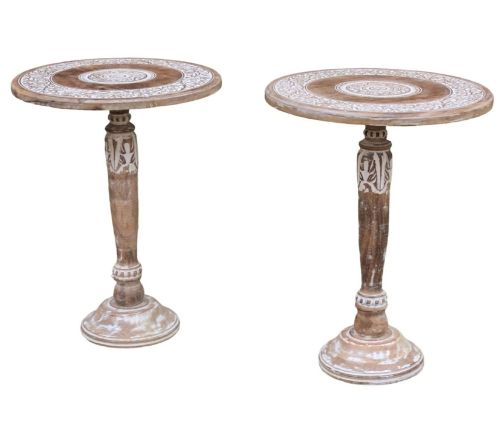
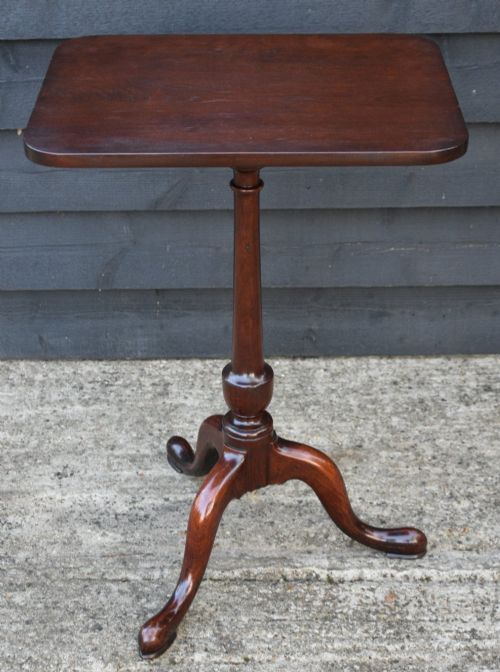
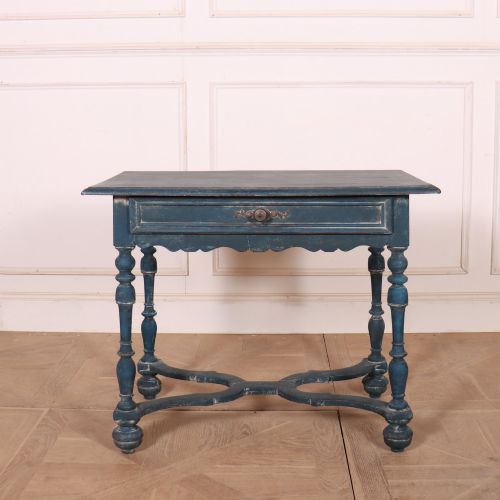
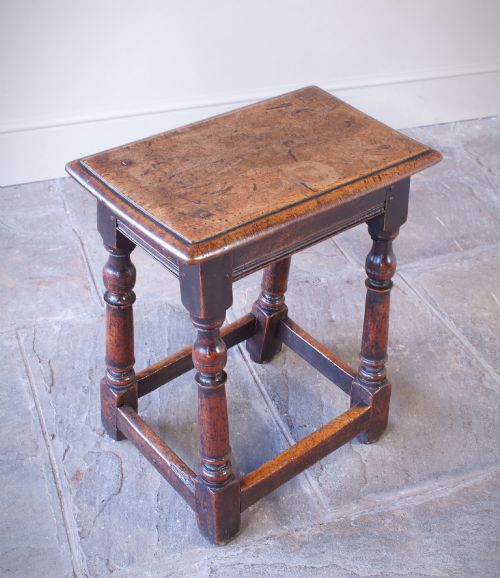
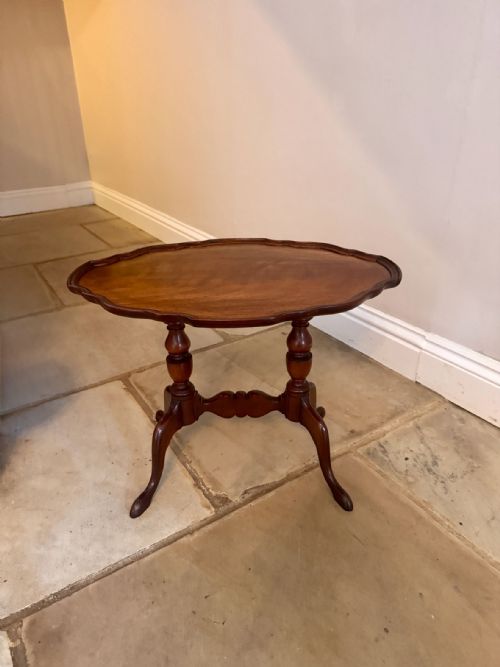
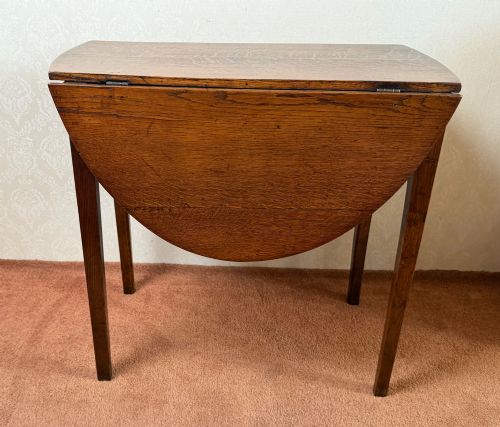
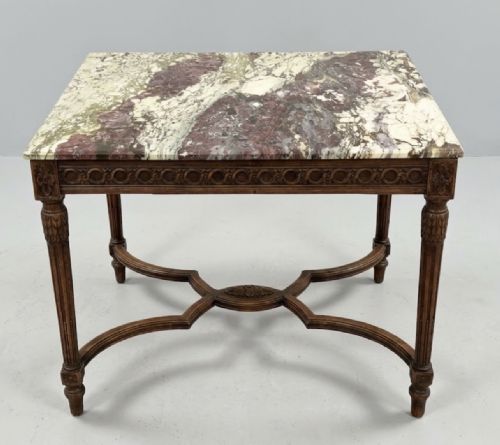
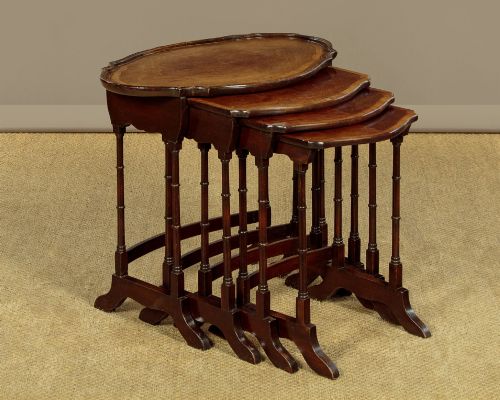
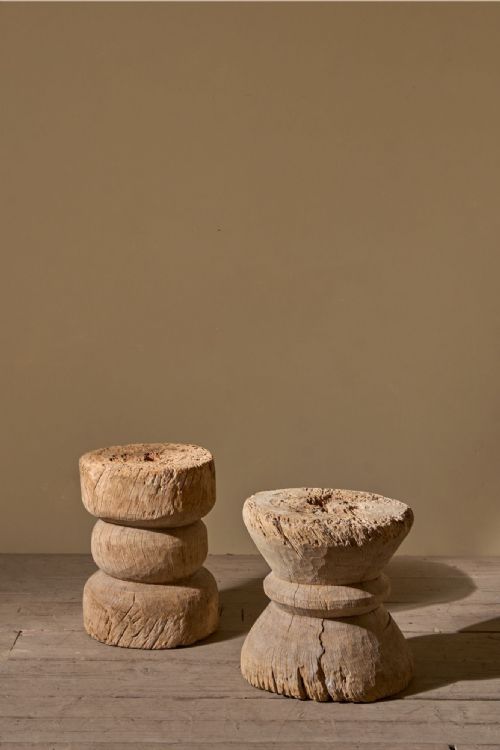
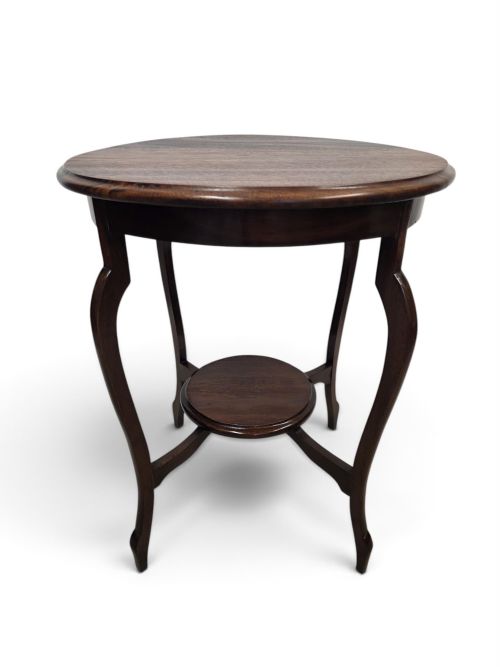
A timber accent table encompasses a diverse array of small occasional furniture designed for specific corners, landings, and seating groups. Buyers seeking a timber accent table encounter forms such as side tables, lowboys, lamp tables, plant stands, and nests of tables spanning multiple centuries.
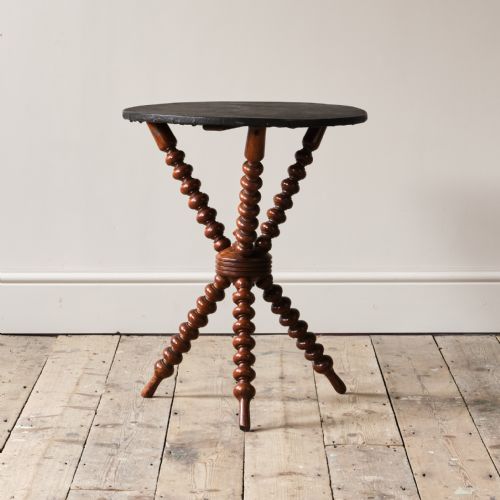
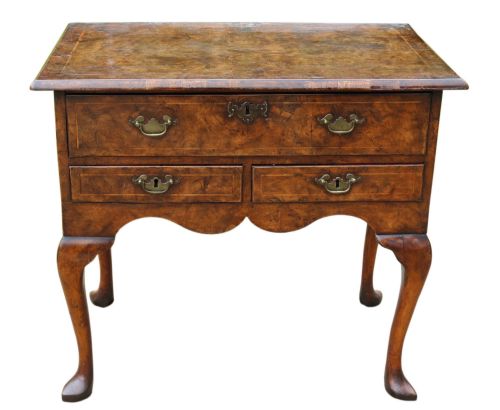
The selection ranges from vernacular English cricket tables and Georgian mahogany lowboys to ornate Chinese hardwood pieces with bone inlay and Victorian walnut occasional furniture. These items serve as functional display surfaces while introducing distinct historical periods and regional cabinetmaking traditions into a domestic interior.
Materials and construction
Makers utilised a wide spectrum of woods including mahogany, walnut, oak, elm, satin walnut, fruitwood, and burr Thuya, frequently selecting timber for its natural grain or figuration. Hardwoods formed sturdy structural frames, while softer or more malleable timbers accommodated intricate carving and turning.
Construction techniques combined traditional joinery with decorative surface treatments such as brass fittings, marble inserts, penwork decoration, and mother-of-pearl inlay. Regional workshops employed specific methods, from the bobbin-turned legs of English gypsy tables to the complex joinery found on Chinese export furniture.
Timber Accent Table Retail Price Guide 2026
Typical asking prices for timber accent table among the pieces listed under this phrase on Sellingantiques today, from the lower quarter to the upper quarter. They describe what is for sale here now, not the wider market.
Listings feature woods such as mahogany, walnut, oak, elm, and exotic hardwoods alongside marble and brass elements.
Evaluating craftsmanship and condition
The standard of a timber accent table depends largely on the selection of the wood and the precision of its working. Finely figured timbers, crisp hand-carving, and intact marquetry or inlay distinguish superior examples from simpler utilitarian pieces.
Integrity of construction and the preservation of original surface finishes dictate desirability among collectors. Pieces retaining their initial patination, stable joints, and authentic decorative elements demonstrate the enduring skill of the original maker.
Anton Seuffert
The Timber Accent Table Glossary
- Cricket table
- A small, lightweight circular table traditionally featuring three splayed legs and a triangular base. This vernacular form allowed stable placement on uneven floors.
- Lowboy
- A small kneehole dressing table or side table featuring one or more drawers beneath a flat top. Originating in the late seventeenth century, these pieces were frequently constructed in walnut or mahogany.
- Marquetry
- The art of applying pieces of veneer to a structure to form decorative patterns and pictures. Craftsmen utilised various coloured timbers and shell to create intricate pictorial surfaces.
- Pembroke table
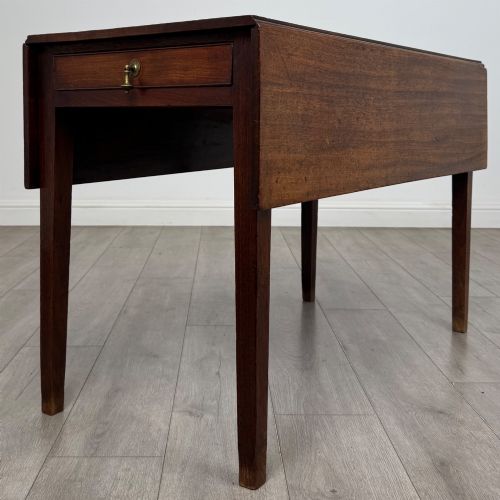
- A form of side table with hinged drop leaves on either side. These tables gained popularity during the eighteenth century for their versatility in domestic spaces.
Timber Accent Table: Frequently Asked Questions
What is a timber accent table used for?
These pieces function primarily as small display surfaces for lamps, plants, and decorative objects while fitting easily beside seating or in narrow hallways.
Their compact scale allows them to introduce period character and practical table space into rooms without dominating the floor plan.
How do I identify a Georgian side table?
Georgian tables typically feature classical proportions, restrained carving, and high-quality timber such as mahogany or walnut. Look for structural elements like hand-cut dovetails in drawer construction and period-appropriate brass hardware.
Subtle details in the leg profiles, such as pad feet or Marlborough legs, help distinguish the exact period within the eighteenth century.
What distinguishes Chinese export tables?
Chinese export and occasional tables often incorporate dense hardwoods combined with distinctive decorative techniques. These commonly include mother-of-pearl inlay, bone ornamentation, and carved motifs.
Their construction methods and regional wood choices differ noticeably from contemporary European cabinetmaking traditions of the same era.
Where should I place a plant stand?
Plant stands and tall vase tables suit corners, window recesses, or empty wall spaces where height and vertical emphasis are required. Their narrow footprints support foliage or decorative ceramics securely.
Ensure the floor surface is level, particularly with tripod designs, to maintain stability for heavier items.