

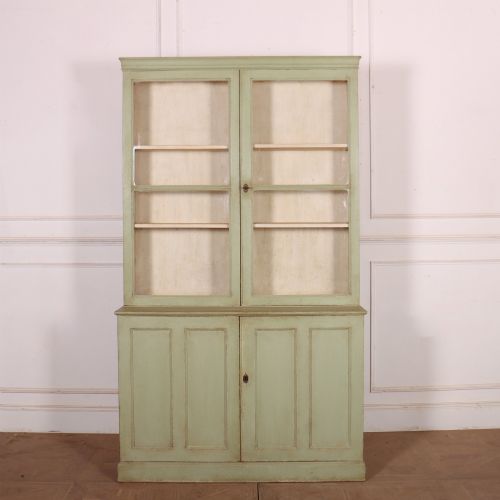
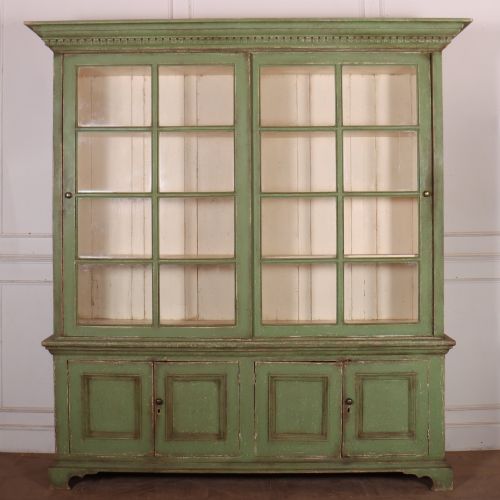
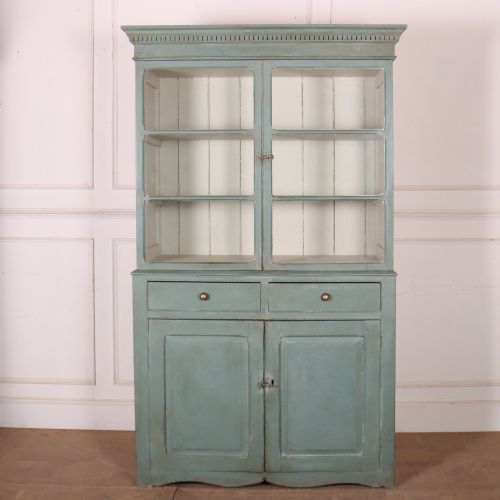

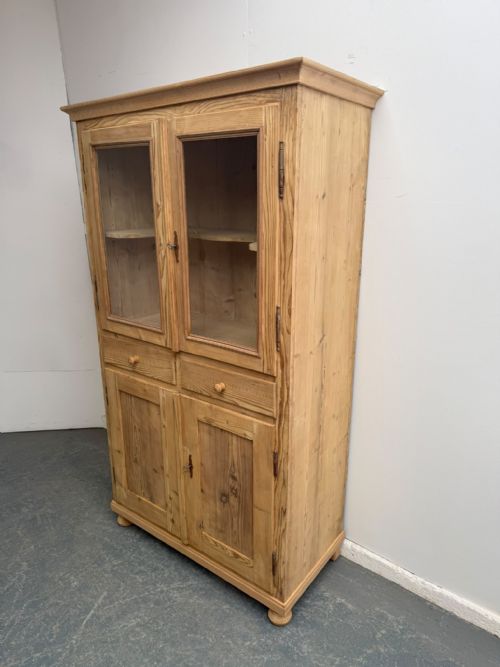
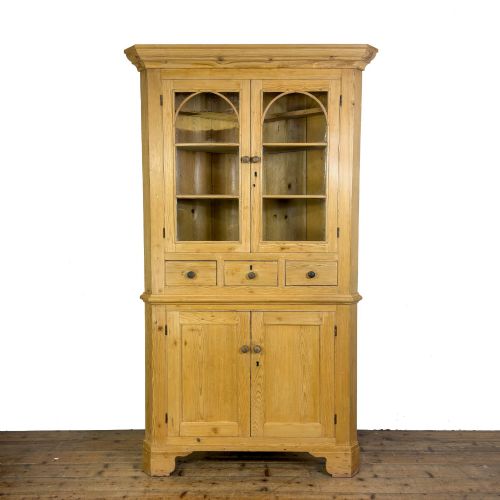


Tiered Pine Bookcase
A tiered pine bookcase brings honest, utilitarian warmth to a room, offering practical display space built from timber with a lived-in character.
Tiered Pine Bookcase
A tiered pine bookcase offers functional open shelving or glazed display storage, constructed primarily from softwood timber. These pieces range from simple open shelving units to multi-part kitchen cupboards and bureau cabinets.
Most examples hail from the nineteenth century, including Victorian and earlier decades, showcasing regional variations such as English, Scottish, and Swedish country styles. Buyers frequently encounter pieces finished in original paint, stripped pine, or waxed surfaces.
Forms include corner cupboards and dressers alongside traditional bookcases, reflecting the domestic needs of nineteenth-century rural and provincial households. The versatile formatting allows them to serve as practical book storage or display cabinets in modern interiors.
Materials and construction
Construction relies heavily on pine timber, frequently paired with glass panes for glazed doors and metal elements like iron and brass for hardware such as hinges and pulls. Timber surfaces are often treated with traditional finishes including paint, wax, or exposed stripped wood.
Joinery methods reflect period cabinet-making traditions suited to utilitarian furniture, prioritising sturdy box construction and framed glazing. Surfaces display the natural knots and grain patterns inherent to softwood, sometimes enhanced by hand-painted layers.
Tiered Pine Bookcase Retail Price Guide 2026
Typical asking prices for tiered pine bookcase among the pieces listed under this phrase on Sellingantiques today, from the lower quarter to the upper quarter. They describe what is for sale here now, not the wider market.
Some nineteenth-century pine cupboards wear multiple coats of historic paint like an edible layer cake of domestic history.
Assessing quality
Quality rests in the originality of the surface finish, distinguishing pieces retaining their early paintwork or untouched patination from those heavily reworked. Proportion and regional vernacular details further separate standard utility items from more refined provincial examples.
The integrity of the structural timber and the retention of original glass or hardware dictate the overall desirability of a piece. Finer examples maintain balanced proportions and honest, unpretentious construction that speaks to their period origins.
The Tiered Pine Bookcase Glossary
- Pine
- A softwood timber widely utilised in provincial furniture making for its accessibility and workability. It forms the primary structural material for these bookcases and cupboards.
- Glazed
- Fitted with glass panels, typically within wooden doors, to protect books or display items from dust while remaining visible. This technique is common in nineteenth-century cabinets.
- Bureau Cabinet
- A hybrid furniture form combining a sloping writing desk surface with shelving or bookcase storage above. These pieces offer multifaceted storage solutions for domestic settings.
- Patina
- The surface sheen and colour acquired by timber and paint over decades of use and age. It serves as a visual indicator of a piece's authenticity and history.
Tiered Pine Bookcase: Frequently Asked Questions
Where were these bookcases made?
The pieces originate from various regional workshops across England, Scotland, and Sweden, reflecting local vernacular traditions of the nineteenth century.
Rural cabinet makers constructed these items using readily available softwood to serve everyday domestic storage needs.
How do I care for pine furniture?
Maintain painted or waxed pine surfaces by dusting with a dry cloth and avoiding excessive moisture or direct sunlight. Waxed finishes benefit from occasional nourishing to preserve the timber's condition.
Keep pieces in stable room environments with moderate humidity to prevent wood movement and protect the structural integrity.
What is the difference between painted and stripped pine?
Painted pine retains its historic surface layers, which might include original or subsequent coats of decorative paint that contribute to its character. Stripped pine has had these layers removed to expose the raw timber beneath.
Both finishes are historically valid, though collectors often value untouched original paint for its decorative visual impact.
Are these pieces suitable for modern homes?
Their adaptable proportions and practical shelving make them well-suited for living rooms, studies, or kitchens requiring functional storage. The variety of sizes accommodates diverse interior spaces.
These items blend utility with period charm, offering character that complements contemporary or traditional decorating schemes.