




Tiered Glass Drop Light
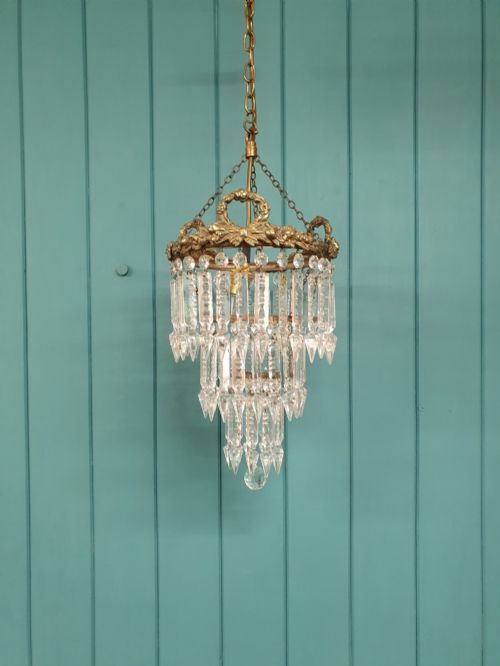
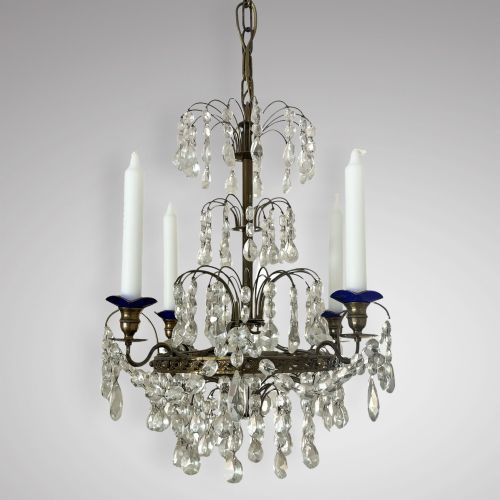
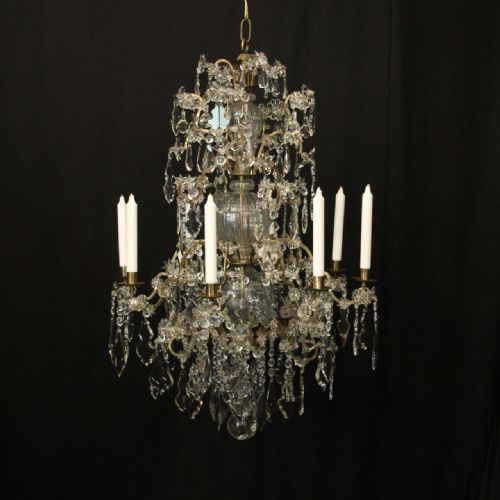
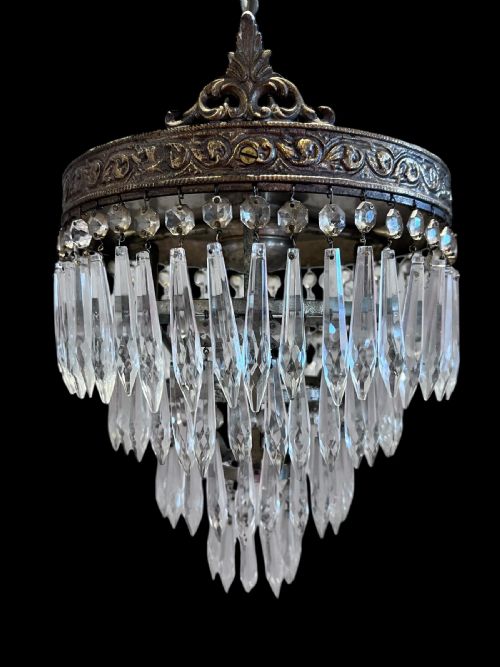
These tiered glass drop light fixtures bring cascading brilliance to a room, catching daylight and evening illumination through layers of cut crystals.
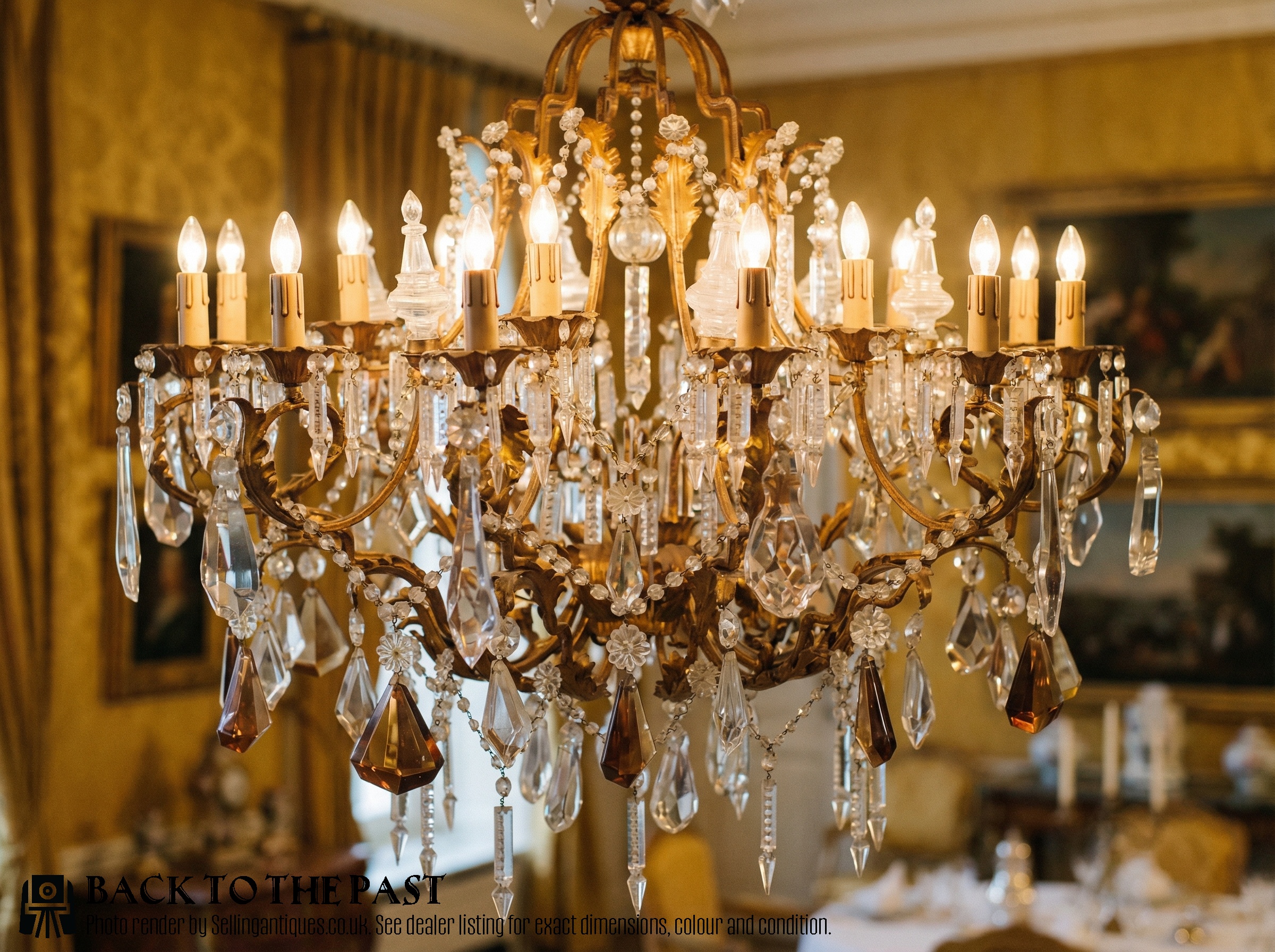
Tiered Glass Drop Light
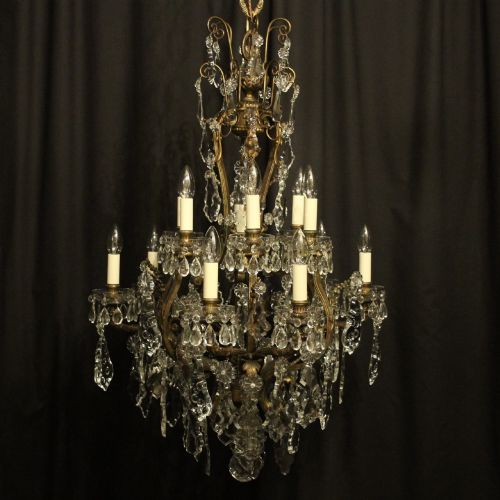
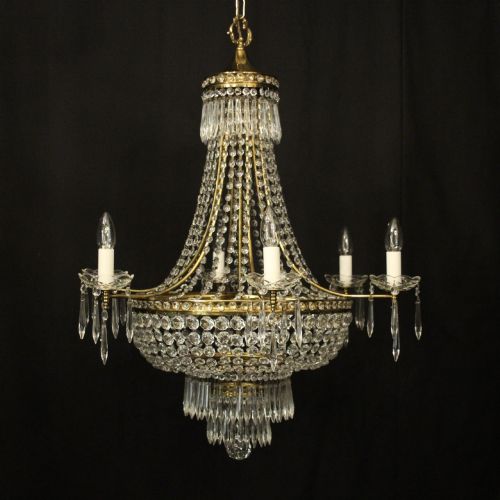
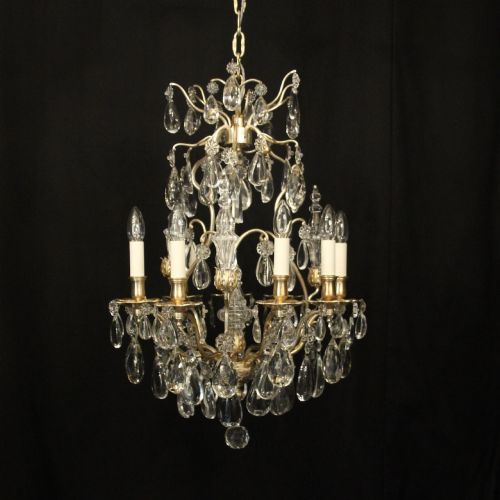
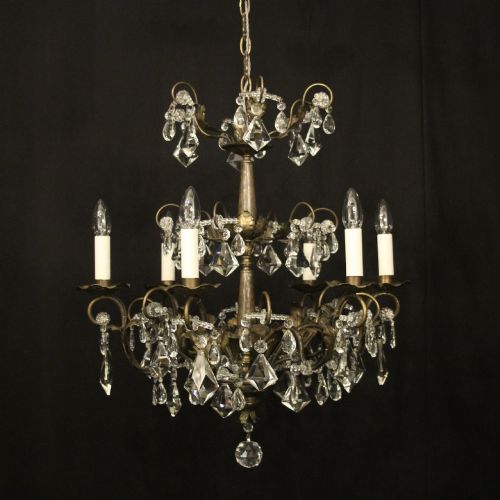
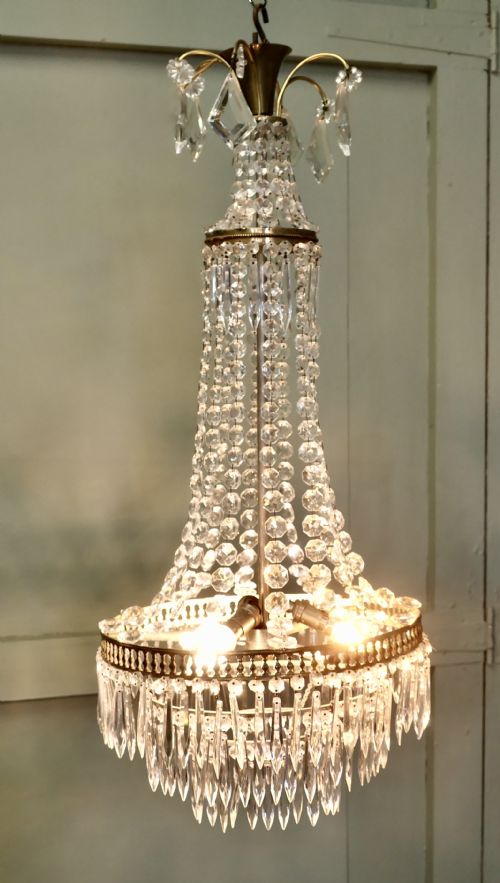
A tiered glass drop light is a multi-level hanging luminaire featuring cascading rows of cut glass or crystal drops designed to distribute light across a room. The selections here draw heavily on early twentieth-century and nineteenth-century designs, featuring multi-tier configurations, tent and waterfall formations, and spike fixtures.
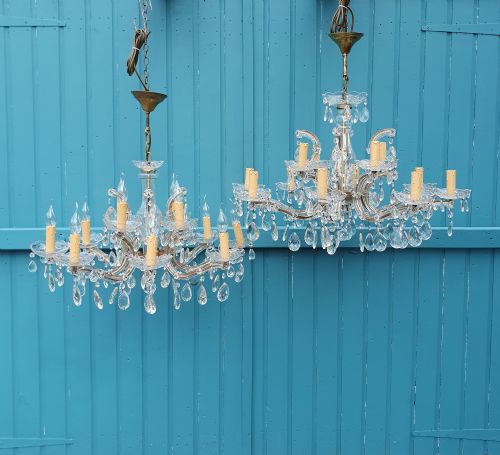
Most examples originate from French, Italian, Bohemian, and English workshops spanning the nineteenth century through the 1930s. Buyers encounter forms ranging from single-light plafonieres and small spike chandeliers to massive multi-arm electroliers hung with extensive crystal pendants.
How they were made
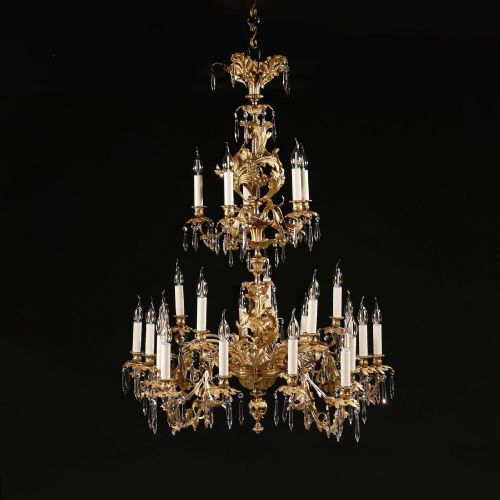
The primary structural frames rely on brass, gilt bronze, silver-gilded bronze, and gilt metal to support the weight of numerous glass components. These metal armatures are shaped into rings, tiers, and arms designed to hold candles or electrical fittings.
Hanging elements consist of crystal glass, cut glass, and cut crystal shaped into drops, beads, lustres, and spikes. Artisans wired these glass drops individually to the metal frames using brass pins or wire links, allowing the components to move and shimmer.
Some early twentieth-century examples feature oblong drips designed to mimic melting candle wax permanently frozen in glass.
What varies in quality
The sophistication of the glass cutting dictates visual brilliance, with sharp, hand-cut facets reflecting light far more intensely than simpler moulded glass. The weight and purity of the crystal or glass components determine how cleanly the fixture refracts illumination.
The intricacy of the metalwork frame and the richness of its gilding or bronze casting set high-tier examples apart from utilitarian production. Complete assemblies retaining their original matching drops and integrated tiers command greater design cohesion.
Baccarat
The Tiered Glass Drop Light Glossary
- Waterfall chandelier
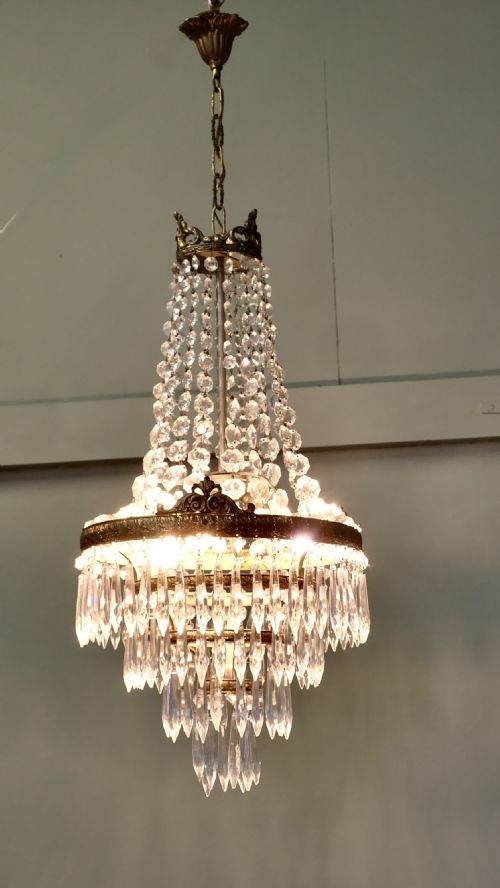
- A lighting fixture where glass drops cascade in overlapping tiers resembling falling water. This formation softens the underlying metal frame.
- Tent and bag chandelier
- A style featuring an upper triangular tent of glass beads descending to a gathered bag shape beneath. The design maximises crystal density.
- Lustre
- A freestanding or hanging glass ornament featuring cut pendants designed to catch light. These often adorn candelabras as well as ceiling lights.
- Spike chandelier
- A fixture characterised by upright central glass spikes surrounded by tiers of hanging drops. They appear frequently in early twentieth-century pieces.
- Electrolier
- A multi-arm hanging light fixture wired for electricity rather than candles. The term often applies to grander antique conversions.
Tiered Glass Drop Light: Frequently Asked Questions
How do I hang a heavy crystal chandelier?
Heavy chandeliers require professional installation directly into ceiling joists or structural nogging using a rated steel hook. The weight of gilt bronze and crystal demands hardware far stronger than standard ceiling rose fixings.
Electrical wiring must also be inspected and adapted to support the metal armature safely. Consulting a qualified electrician ensures the fixture hangs securely without straining the ceiling.
Can these antique lights be used with modern bulbs?
Most antique fixtures accept modern LED bulbs provided the Edison screw or bayonet fitting matches the existing sockets. Choosing low-heat LED alternatives protects fragile vintage wiring and aged metal components from thermal damage.
Warm white bulbs replicate the gentle glow of historical lighting without generating excessive heat. This approach preserves the atmosphere intended by the original nineteenth and early twentieth-century makers.
How do I tell an Edwardian chandelier from a 1930s piece?
Edwardian fixtures often display elaborate French Rococo or classical revival brasswork paired with dense beadwork and intricate cut-glass drops. The framing tends to be heavier and more ornate compared to later designs.
Pieces from the 1930s frequently incorporate Art Deco streamlining, cleaner tier geometries, and simpler spike or drip formations. The arrangement of the glass drops becomes more regimented and architectural in character.