



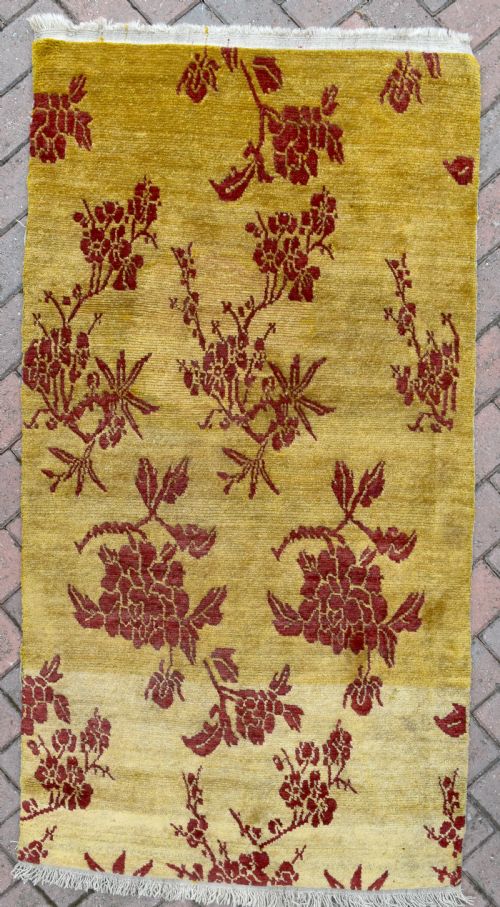
Tibetan Wool Rug
These tibetan wool rug examples bring authentic Himalayan craftsmanship and rich textures straight to your floor.
Tibetan Wool Rug
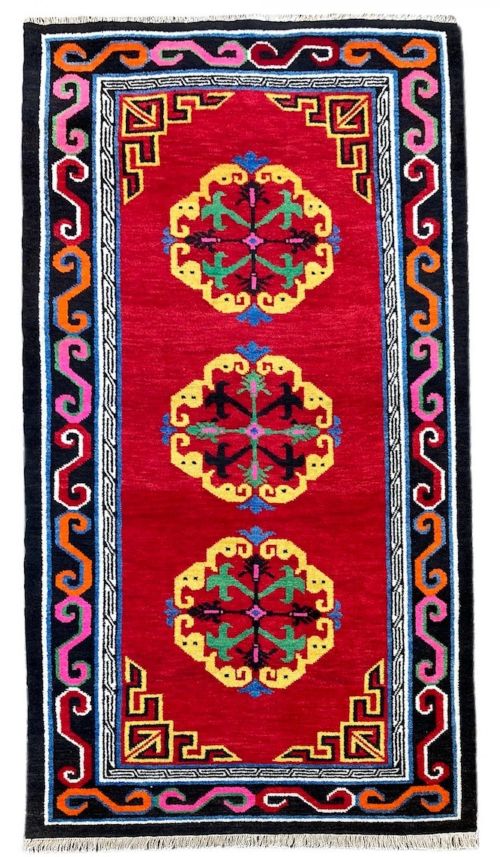
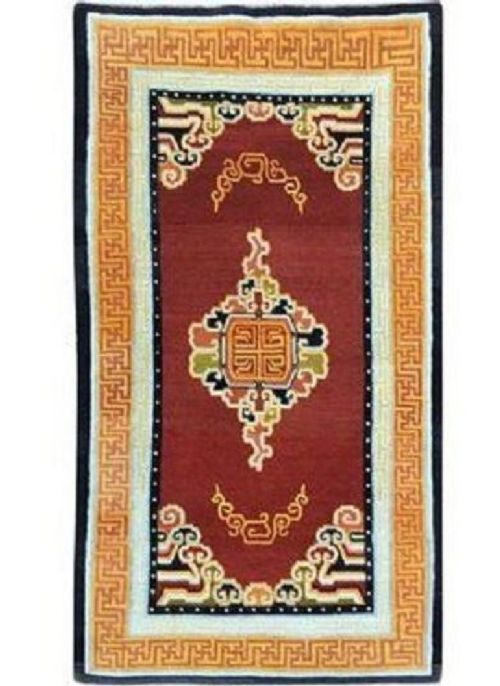
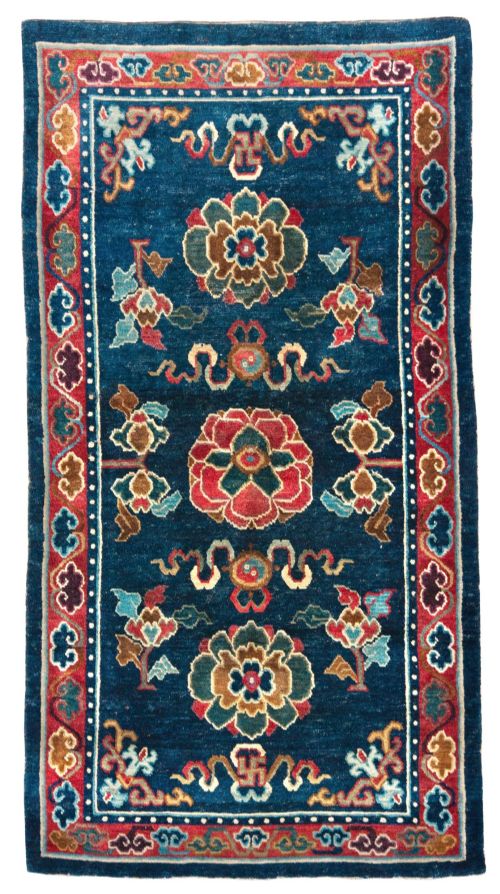
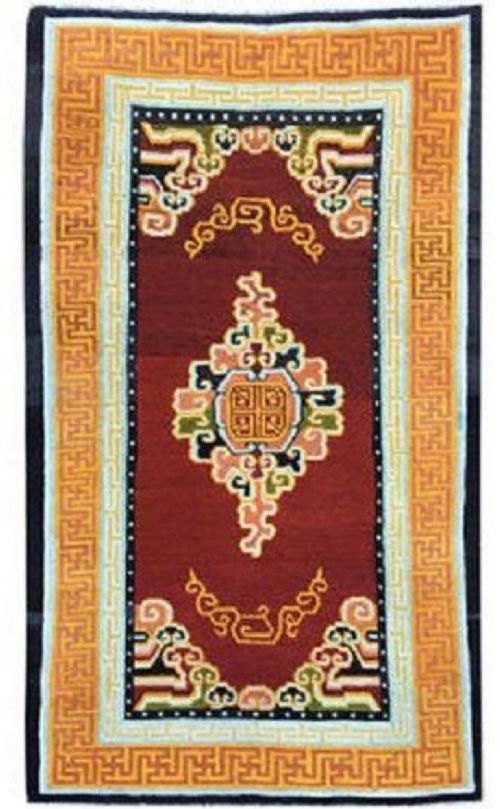
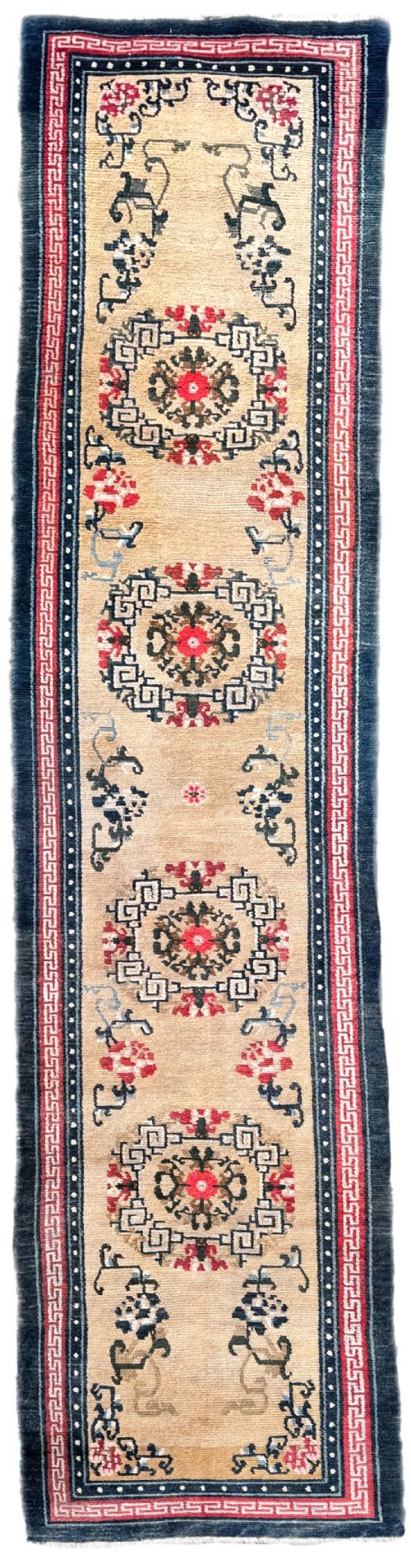
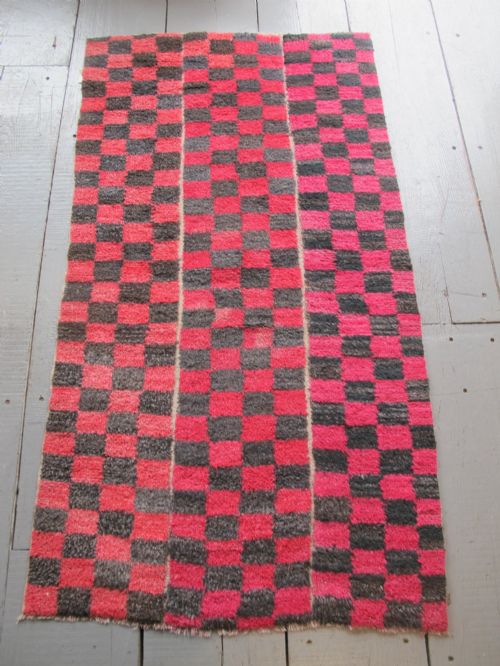
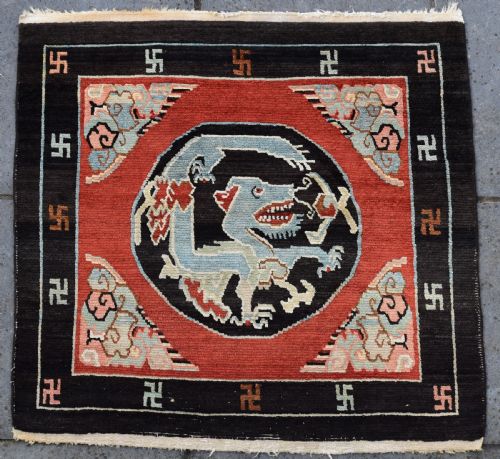
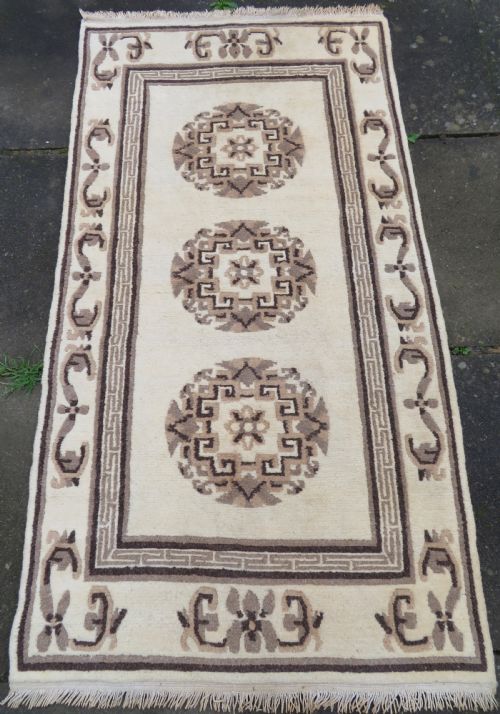
A tibetan wool rug brings distinct Himalayan heritage into a room, spanning styles from traditional folk art to regional Himalayan designs. You will encounter various forms here, including standard area rugs, long runner rugs, square formats, and specialist pieces like saddle covers.
The selection ranges across several decades from the late nineteenth century through to the nineteen thirties. Pieces originate from traditional workshops and the Inner Asia autonomous border region, showcasing genuine historical provenance.
How they were made
These textiles rely primarily on natural wool combined with cotton foundations for structural stability. Certain examples incorporate leather elements as part of their construction.
Weavers utilised traditional Tibetan knotting techniques characteristic of Himalayan regional production. The construction methods reflect generations of localized textile traditions.
Tibetan Wool Rug Retail Price Guide 2026
Typical asking prices for tibetan wool rug among the pieces listed under this phrase on Sellingantiques today, from the lower quarter to the upper quarter. They describe what is for sale here now, not the wider market.
Listings feature periods from eighteen ninety through to nineteen thirty, utilising wool, cotton, and leather materials.
What varies in quality
The distinction between standard examples and finer pieces lies in the density of the knotting and the precision of the woven patterns. Superior execution demonstrates tighter structural integrity and clearer design motifs across the field.
The condition of the natural wool and foundation materials shapes the overall integrity of each rug. Well-preserved pile depth and secure edges elevate the character of nineteenth and early twentieth century examples.
The Tibetan Wool Rug Glossary
- Khaden
- A traditional Tibetan sleeping or sitting rug, usually narrower and smaller than a full carpet. These pieces were historically used for domestic comfort in high altitude dwellings.
- Runner
- A long, narrow carpet format suited for hallways or bedside placement. This shape accommodates specific architectural spaces.
- Saddle cover
- A specialised textile designed to fit over a riding saddle, often featuring heavy wool construction and specific regional patterning. These items display unique utilitarian forms.
- Meditation rug
- A compact square or rectangular mat utilised for contemplative practices. They often feature distinct symbolic motifs.
Tibetan Wool Rug: Frequently Asked Questions
How do I clean an old tibetan wool rug?
Gently vacuum without a rotating brush to remove surface dust. Professional specialist cleaning is recommended for deeper maintenance.
Avoid harsh chemical treatments or excessive water immersion to protect the natural wool fibres.
Where were these rugs made?
These textiles originate from the Himalayan region, including traditional Tibetan workshops and the Inner Asia autonomous border region. Production reflects distinct regional styles.
Local weavers utilised materials sourced directly from the surrounding highland environment.
Are these rugs suitable for high traffic areas?
Natural wool construction provides durable resilience for everyday domestic use. Lighter formats or delicate antique pieces function best in lower traffic spaces.
Placing a suitable underlay helps protect the textile from excessive friction against hard floors.
What is a khaden rug?
A khaden is a traditional Tibetan mat traditionally used for sitting or sleeping. These smaller formats display characteristic regional folk art designs.
They bring distinct historical texture and colour into modern living spaces.