

Three Over Three Drawers
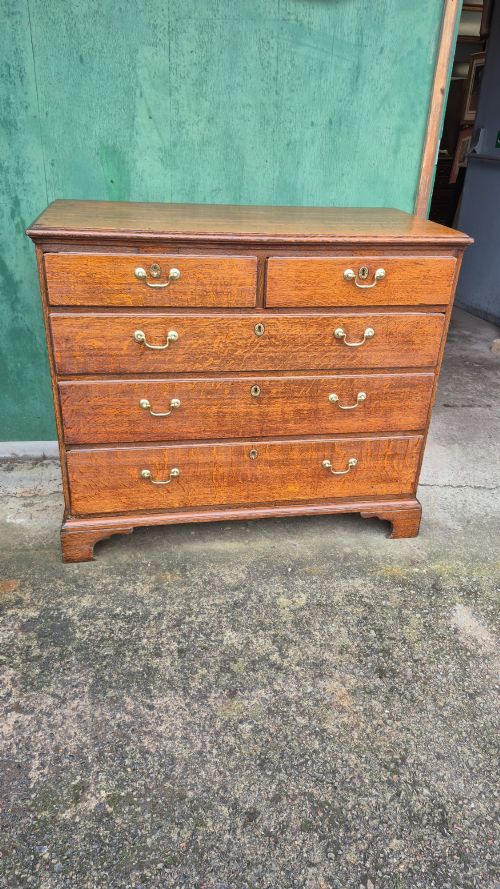
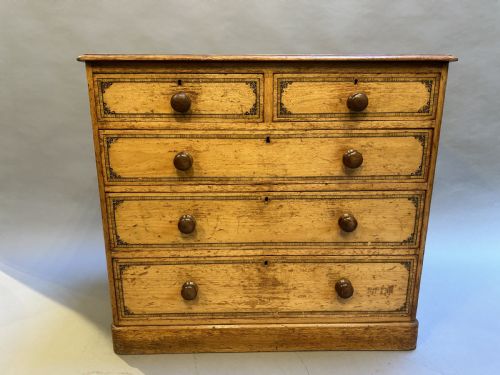
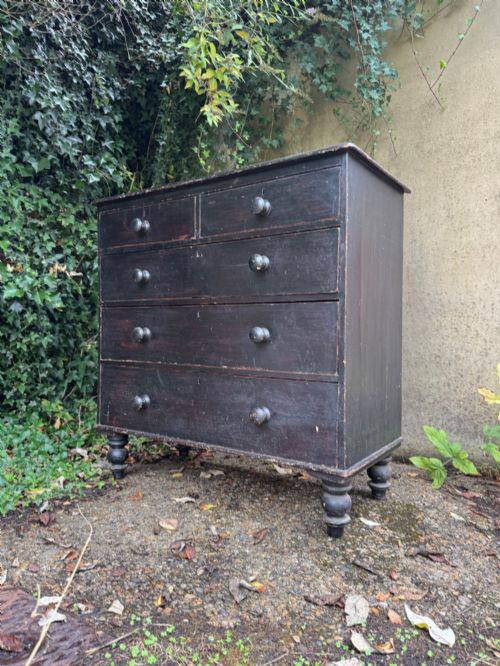
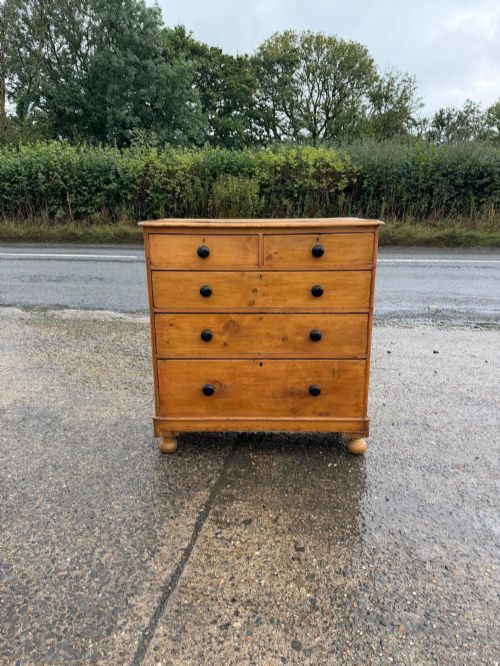
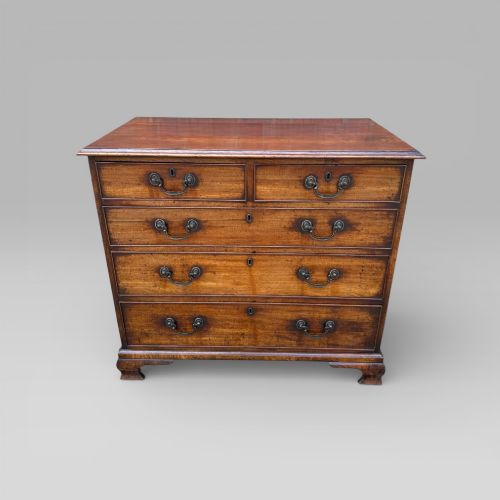
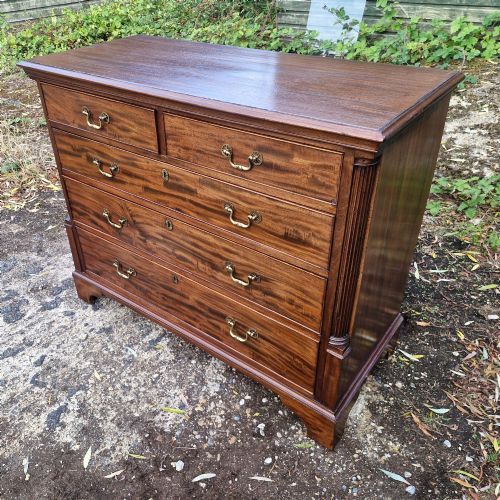
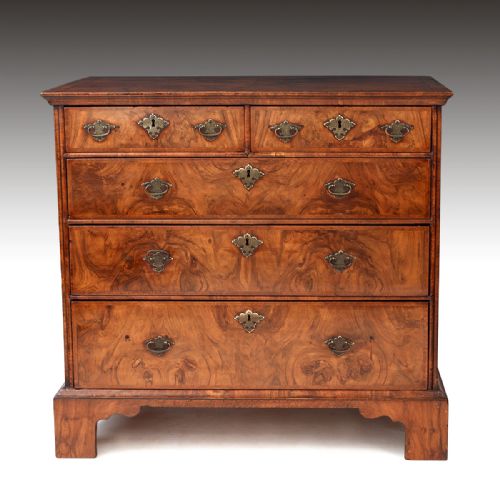
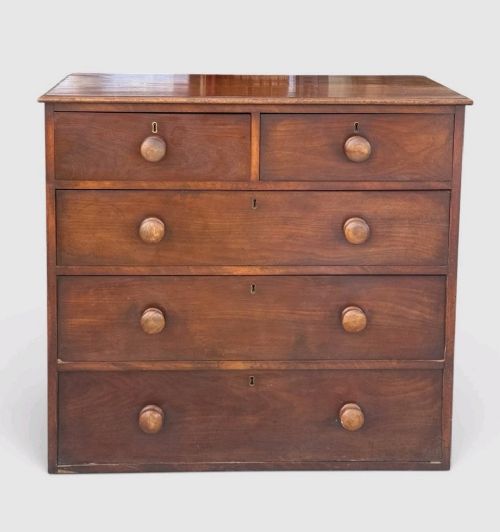
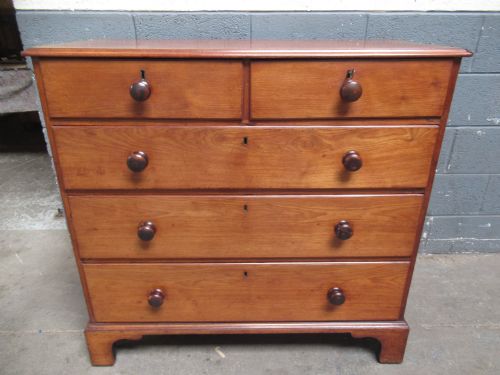
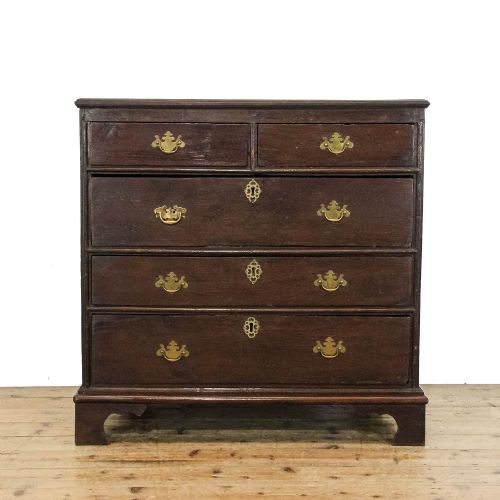
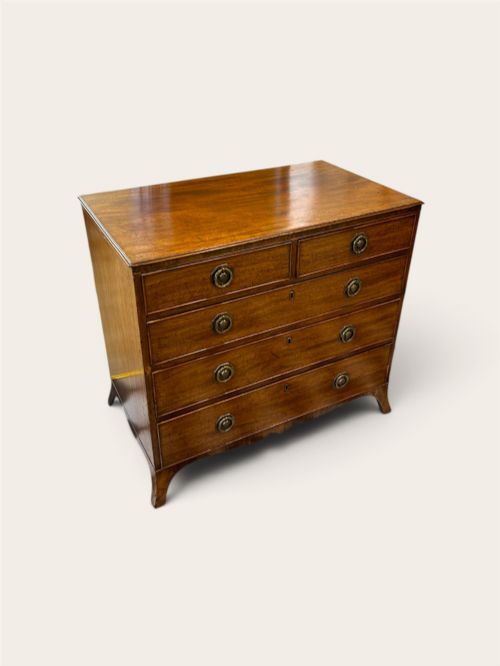
Three over three drawers configurations provide generous domestic storage through two short upper drawers above three graduated long ones, built to last across centuries.
Three Over Three Drawers
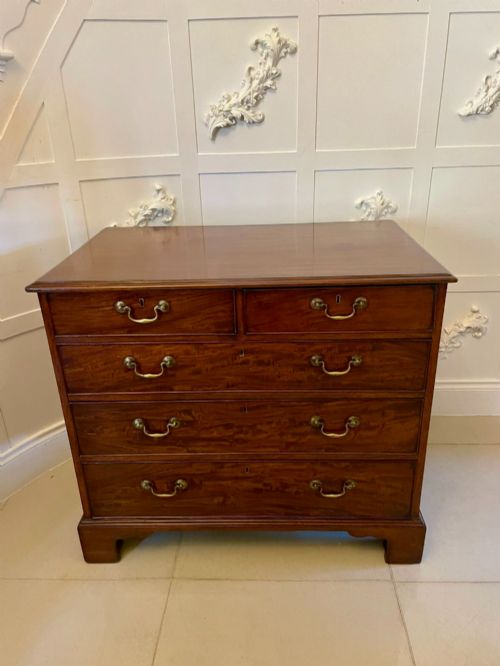
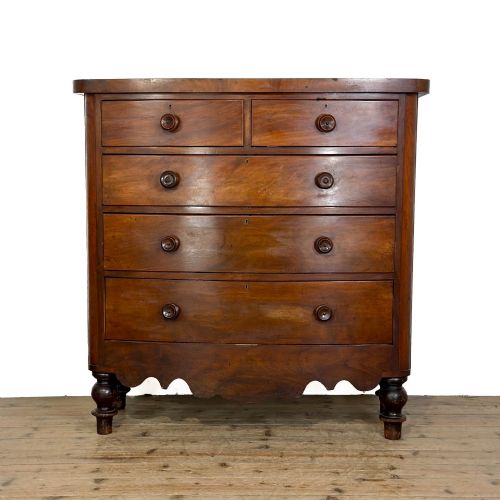
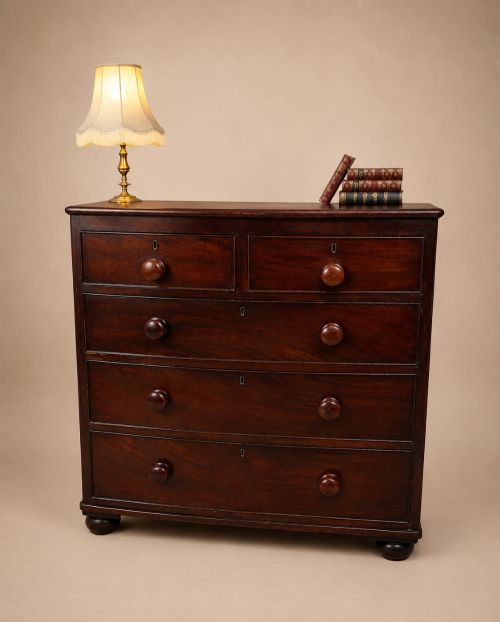
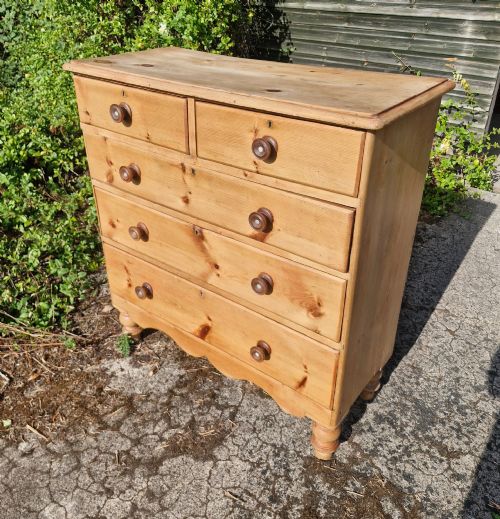
Three over three drawers describe chests arranged with a pair of smaller drawers sitting above a trio of wider ones, offering a practical division for clothing and linens. This layout appears frequently in Georgian, Victorian and Edwardian examples across this selection.
Makers built these pieces primarily as chests of drawers for domestic bedrooms and hallways, utilising durable hardwoods and softwoods. The proportion remains a hallmark of traditional cabinet work from the eighteenth and nineteenth centuries.
Distinguishing quality
The choice of timber and veneer defines the visual hierarchy, from plain stencilled or scumbled pine intended for utilitarian use up to figured flame mahogany selected for formal reception rooms. Timber selection dictates both the original destination and the present character of the piece.
Joinery execution separates standard workshop production from finer cabinet work, visible in the tightness of dovetails and the smooth operation of graduated drawers within their carcase. Original brasses and untouched patination further elevate an example above altered or heavily restored equivalents.
Periods represented span from the late seventeenth century William and Mary era through Georgian, Regency, and Victorian times.
J Moorcroft·Howard and Sons
The Three Over Three Drawers Glossary
- Crossbanding
- A narrow strip of veneer laid perpendicular to the grain of the drawer front to form a decorative border. This technique highlights the edge profile on Georgian and Regency pieces.
- Dovetail
- An interlocking joint used at the corners of drawer boxes, cut by hand with pins and tails. Tighter, finer dovetails generally indicate more accomplished cabinet work.
- Patina
- The surface sheen and colour developed by aged timber through decades of handling, polishing and exposure to light. Original patination is valued by collectors for its depth.
- Bowfront
- A convex curved chest front that swells outward in the centre. This curved facade requires specialist woodworking skill to shape accurately.
- Escutcheon
- A protective plate surrounding a keyhole, usually fashioned from brass. It prevents the surrounding timber from wearing away around the lock.
Three Over Three Drawers: Frequently Asked Questions
What rooms suit three over three drawers?
These chests function well in bedrooms for folded garments or linens, and equally in hallways or living spaces for general storage. Their balanced proportions allow them to anchor a wall without dominating the floor space.
The classic arrangement of two small top drawers alongside three longer ones accommodates various items while maintaining a structured exterior silhouette.
How do I date a chest?
Dating relies on observing timber choices, construction methods like hand-cut dovetails, and stylistic markers such as bracket feet or plinth bases. Georgian pieces often display denser native hardwoods, whereas Victorian examples frequently utilise pine or machine-sawn elements.
Hardware styles and secondary woods inside the drawers also offer reliable clues to the decade of manufacture.
Are the drawers graduated?
Yes, the three lower drawers typically increase in depth from top to bottom, following a traditional aesthetic and structural design. This graduation creates a stable visual weight, making the base appear grounded.
The two upper drawers remain shallower, traditionally reserved for smaller personal accessories.
Can I use these with central heating?
Solid timber responds to environmental changes, so keeping pieces away from direct heat sources and sudden humidity shifts prevents wood movement. Regular polishing with traditional wax helps maintain the moisture barrier in the timber.
Allowing adequate air circulation around the back and sides ensures the antique stays stable in modern domestic interiors.