

Three Light Brass Pendant
A three light brass pendant brings purposeful illumination and period character to a room, uniting functional wiring with decorative metalwork.
Three Light Brass Pendant
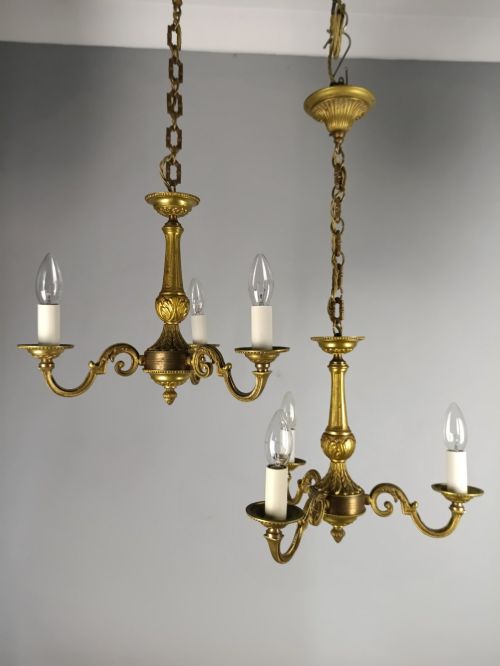
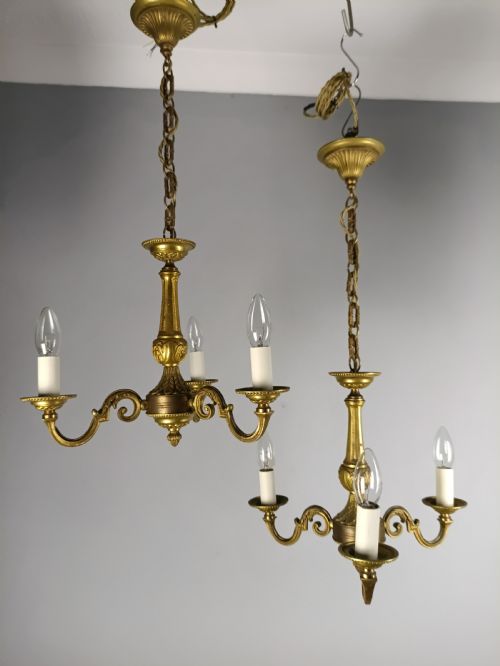
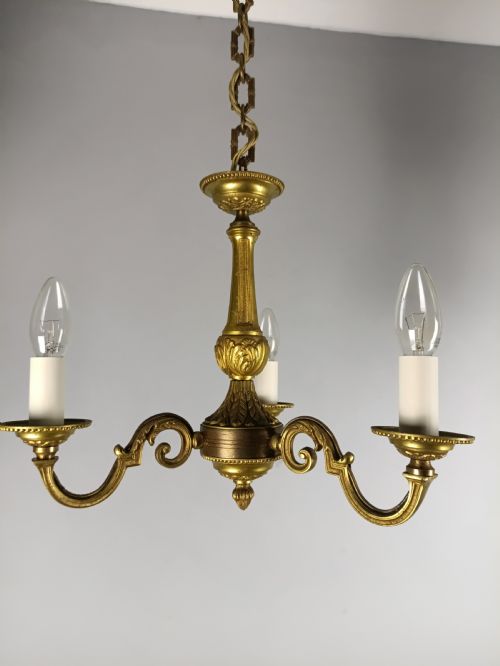
When searching for a three light brass pendant, a buyer encounters a diverse group of hanging ceiling fixtures designed to hold three distinct bulbs or candles. These pieces span several decades from the nineteenth century through the early twentieth century, including the nineteen-tens, nineteen-twenties, and nineteen-thirties.
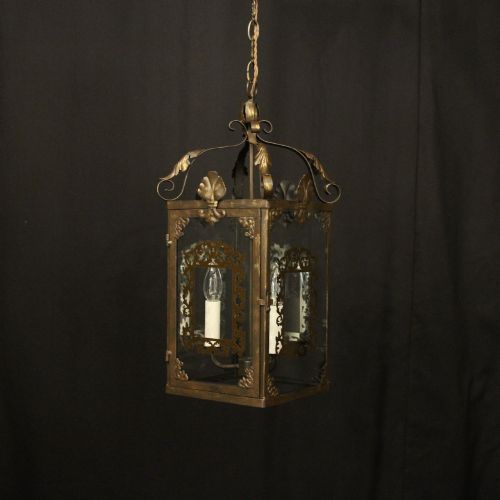
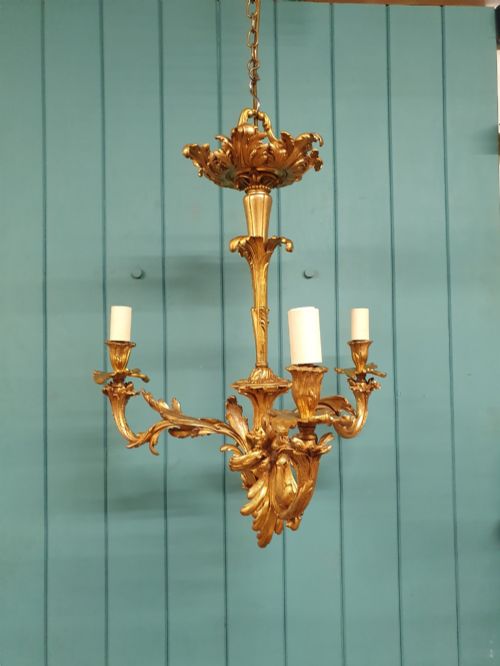
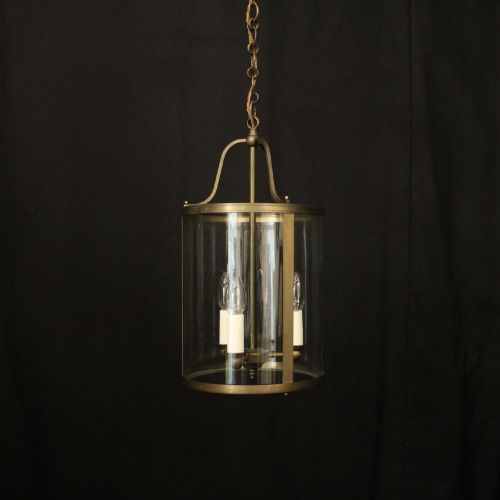
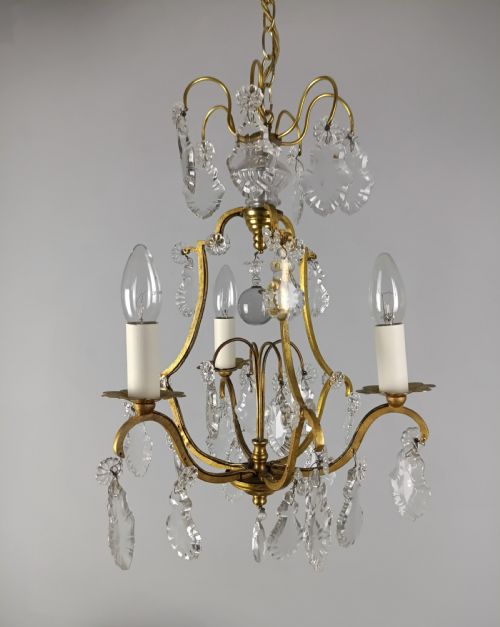
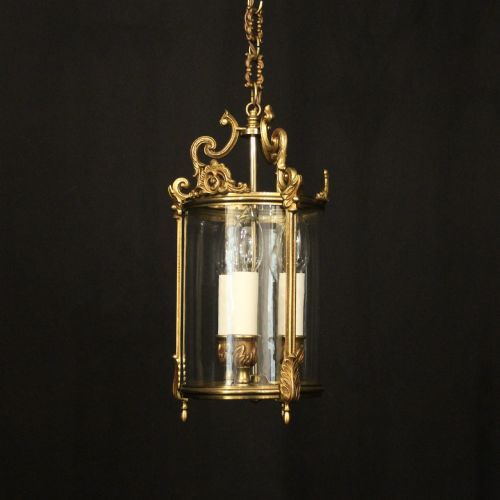
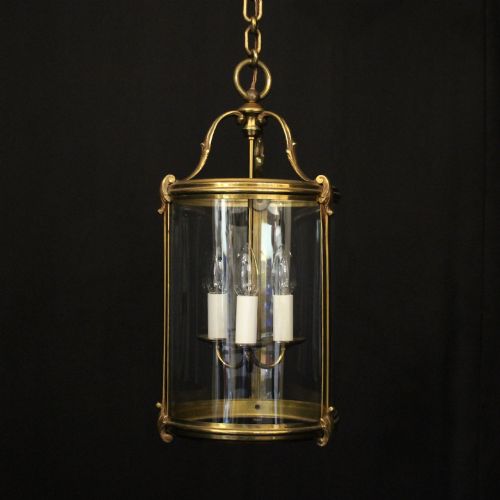
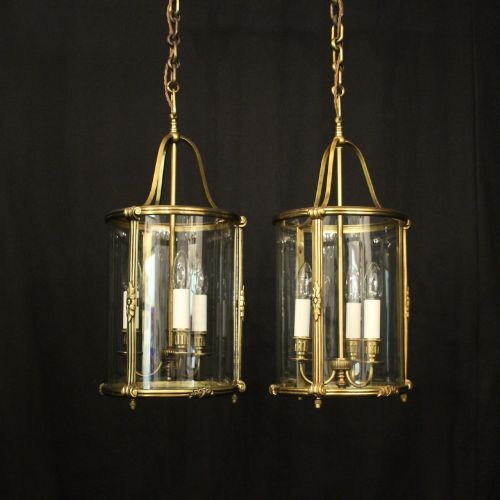
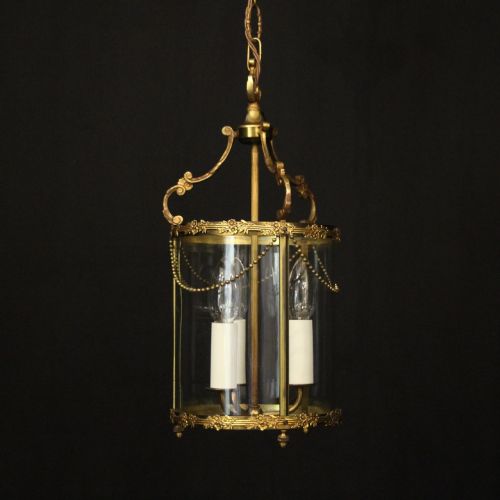
The forms vary considerably across the selection, taking shape as chandeliers, hall lanterns, ceiling lights, and gasoliers. Many pieces reflect specific regional or aesthetic movements, ranging from French chateau and rococo styles to arts and crafts, art deco, and gothic revival designs.
How they were made
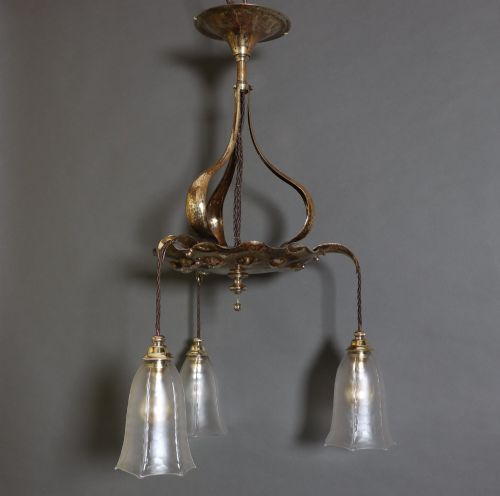
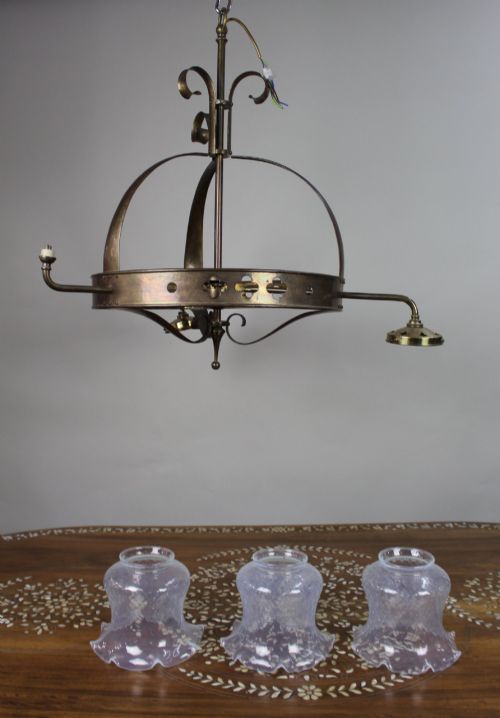
Makers utilised cast and polished brass, gilt brass, and gilt bronze to form the primary structural framework and decorative arms of these hanging fixtures. Metal casting techniques allowed for intricate ornamentation, such as cherub arms or patterned mounts, alongside simpler structural designs.
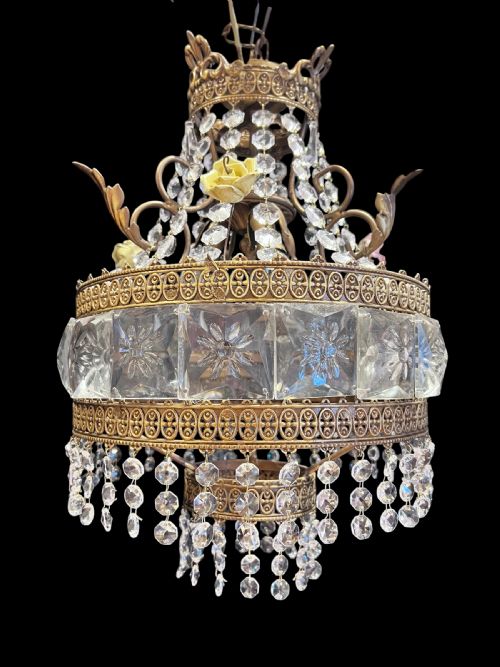
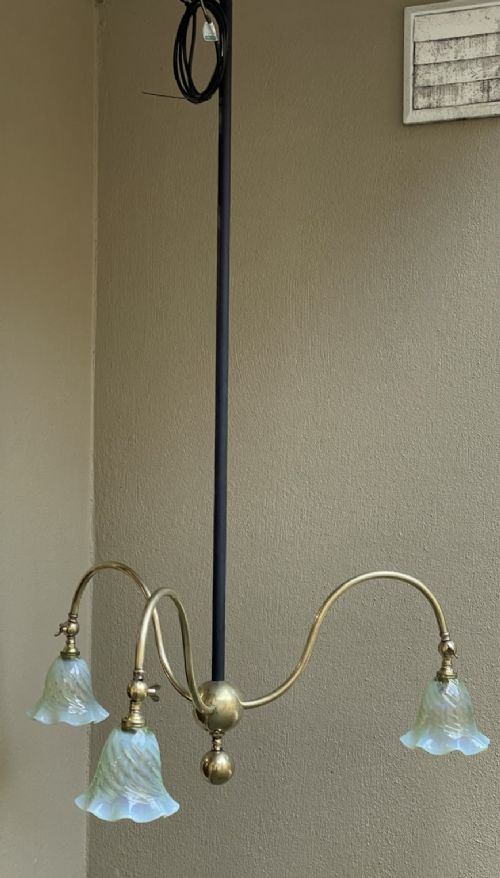
Glass elements form a crucial component of construction, incorporating frosted glass, opalescent glass, moonstone light panels, etched convex glass, coloured crystals, and porcelain flower details. These transparent and translucent components work alongside the metalwork to diffuse and reflect the internal light source.
Three Light Brass Pendant Retail Price Guide 2026
Typical asking prices for three light brass pendant among the pieces listed under this phrase on Sellingantiques today, from the lower quarter to the upper quarter. They describe what is for sale here now, not the wider market.
The documented object types include chandeliers, hall lanterns, gasoliers, and ceiling lights, reflecting French chateau, arts and crafts, and art deco influences.
What varies in quality
The standard of a three light brass pendant depends upon the crispness of the metal casting and the depth of the gilding or polishing applied to the bronze and brass surfaces. Heavier gauge metalwork and finely chased details indicate superior workshop production compared to plainer, mass-produced alternatives.
The integration of auxiliary materials like cut crystal drops, etched glass panels, and hand-painted porcelain components elevates the overall execution. Pieces retaining original matching shades and unblemished crystal prisms demonstrate greater integrity than those altered over time.
The Three Light Brass Pendant Glossary
- Gasolier
- A light fixture originally designed to burn gas, frequently converted later to electricity. These fixtures often feature substantial brass tubing and decorative keys.
- Hall lantern
- An enclosed hanging light designed specifically for entranceways and corridors. They typically utilise framed glass panels or convex glass to protect the internal burners or bulbs from drafts.
- Slip shade
- A moulded piece of glass that fits directly into a metal frame, commonly found in art deco ceiling lights. These shades slide into place without requiring traditional screws or fitter rings.
- Spike chandelier
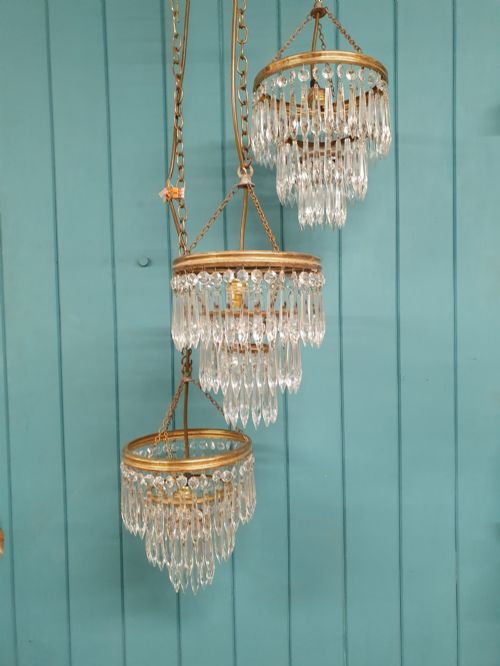
- A multi-tiered hanging light featuring a central vertical spindle or spike from which arms and crystal drops radiate. They are frequently arranged in distinct waterfall configurations.
Three Light Brass Pendant: Frequently Asked Questions
How do I install a vintage brass pendant?
Vintage ceiling fixtures require secure anchoring to a ceiling joist or structural noggin to support the weight of the metal frame and glass components. Professional installation by a qualified electrician ensures that internal vintage wiring is safely coupled to modern household circuits.
Many older fixtures utilise heavy cast brass or bronze components that exceed the weight capacity of standard modern plastic ceiling boxes. Proper mechanical hanging ensures the pendant remains stable and plumb.
What rooms suit a hall lantern best?
Convex hall lanterns and pendant lights project illumination evenly across restricted spaces, making them well suited for entrance halls, landings, and narrow corridors. Their enclosed or semi-enclosed designs direct light downward while casting reflections through the surrounding glass.
Placing a hanging lantern in a high-traffic entryway provides a clear stylistic statement upon entering the home. The scale of the fixture should be balanced against the ceiling height to allow adequate clearance underneath.
How do I date a brass light fixture?
Dating relies on observing stylistic markers, manufacturing techniques, and material combinations consistent with recorded design periods. Pieces featuring heavy cast brass and Gothic ornamentation point toward the nineteenth century, while geometric slip shades indicate nineteen-thirties art deco production.
Examining the internal fixings, screw threads, and lampholders offers further clues regarding the era of manufacture or subsequent conversion. Comparing the form against documented arts and crafts or neoclassical styles helps narrow the timeframe.
Can I replace missing glass crystals?
Sourcing matching replacement crystals or glass shades is possible through specialist architectural salvage dealers and antique restorers. Matching the cut, tint, and approximate age of existing crystal drops maintains the visual harmony of the chandelier.
When replacing frosted or opalescent shades, verifying the fitter dimensions ensures the new glass seats correctly within the original brass gallery. Professional fitters can secure new elements using traditional wire loops or pins.