




Three Drawer Wooden Sideboard
A three drawer wooden sideboard provides practical storage and surface space while anchoring a room with traditional character.
Three Drawer Wooden Sideboard
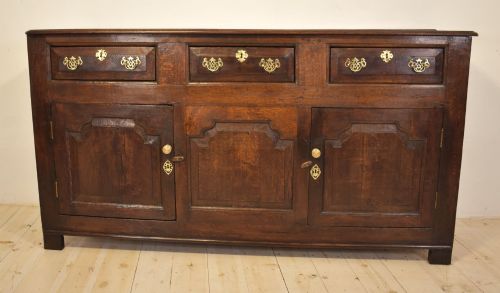
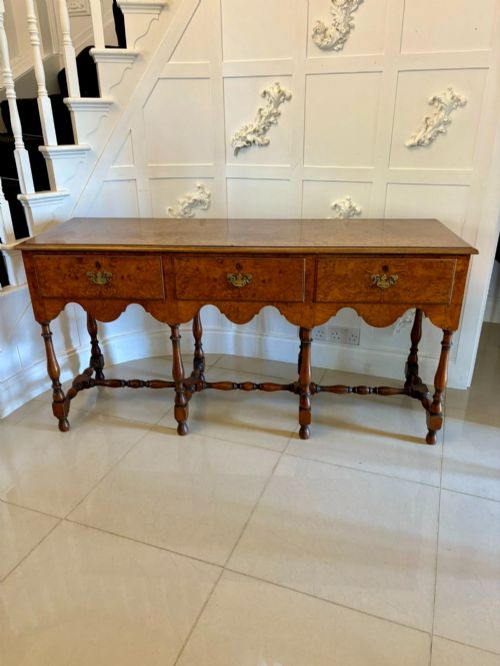
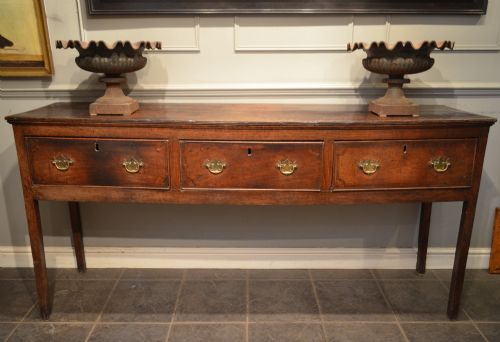
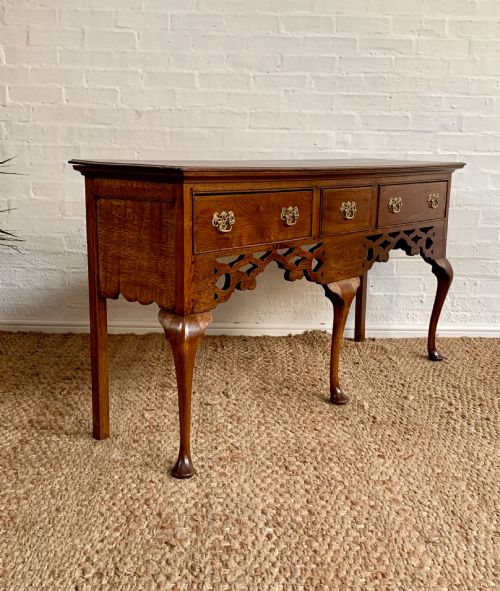
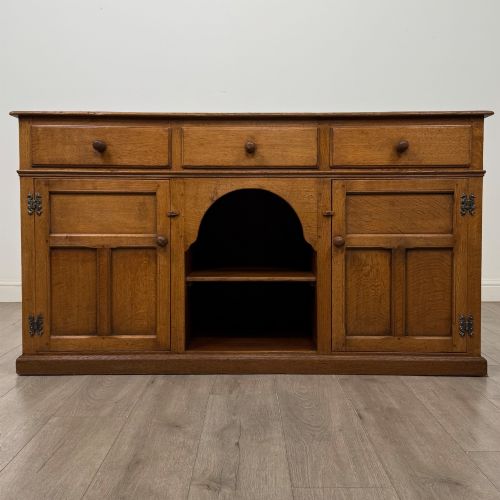
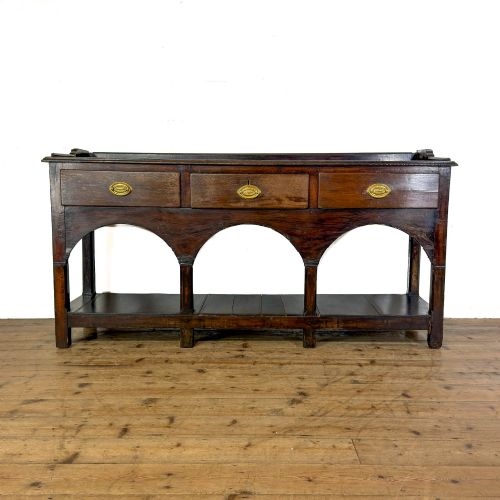
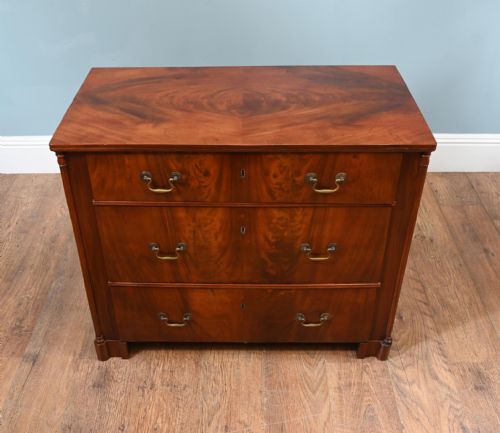
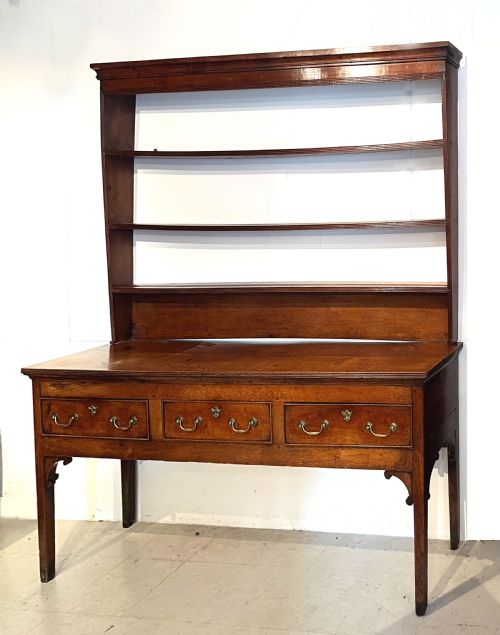
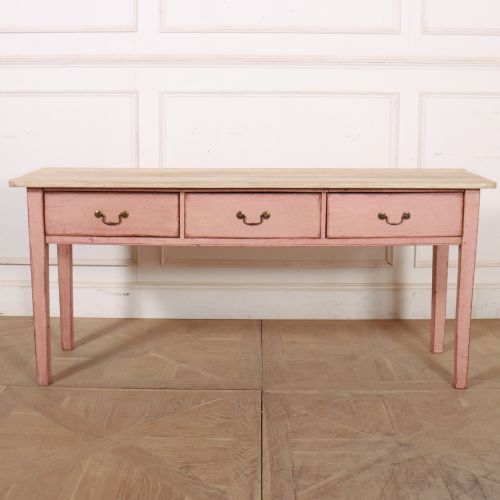
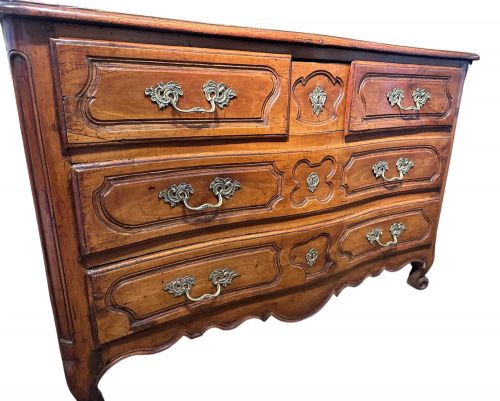
A three drawer wooden sideboard typically takes the form of a dresser base, commode, or serving table designed for domestic storage and display. These pieces originate from various periods including the eighteenth and nineteenth centuries, as well as the Edwardian era.
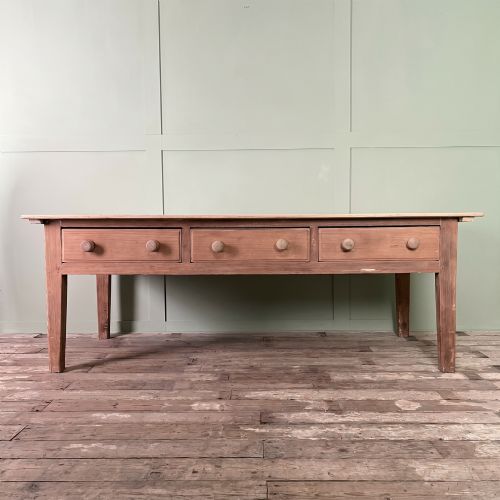
The versions met most frequently on this page span English, French, and other regional traditions, constructed in forms ranging from country server tables to sophisticated panelled dressers. They serve dining rooms, kitchens, and hallways where surface space and drawer capacity are required.
How they were made
Construction relies heavily on timbers such as oak, mahogany, walnut, cherrywood, elm, and pine, often shaped with hand tools and joined using traditional woodworking methods. Regional workshops utilised native woods available locally, resulting in distinct dense hardwoods or lighter fruitwoods depending on origin.
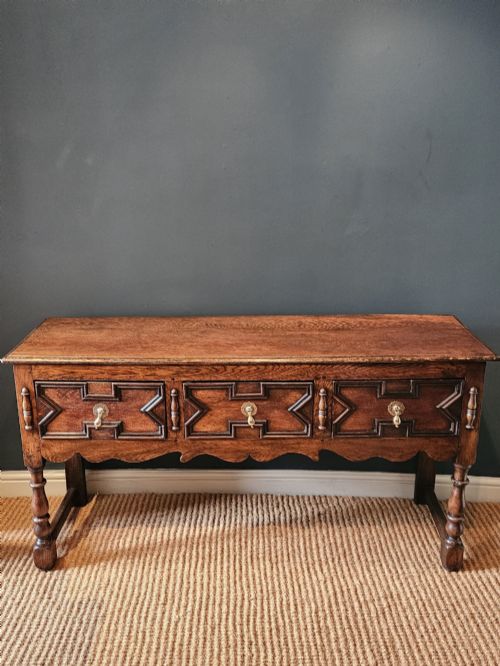
Surface finishes include natural wax, polished grain, hand-painted details, and occasionally marble tops. Hardware such as brass pulls and handles complements the primary wooden structures, while decorative elements range from geometric mouldings to carved detailing.
Several items served in dairy prep rooms before retiring to modern dining spaces.
What varies in quality
Quality depends on the selection of timber and the precision of the construction, where tight joinery and well-fitted drawers distinguish superior items. Heavier solid woods and carefully matched veneers demonstrate greater skill from the maker.
The integrity of original surfaces and hardware dictates the overall character. Pieces retaining their early finish and patination carry higher merit than those altered significantly over time.
The Three Drawer Wooden Sideboard Glossary
- Dresser base
- A low wooden sideboard or table featuring surface space and lower storage drawers, historically used in kitchens or dining rooms for food preparation and serving.
- Commode
- A decorative low cabinet or chest of drawers originating in France, often featuring curved serpentine fronts and fine wood finishes.
- Serving table
- A long narrow table designed for placing food and tableware during meals, typically positioned against a dining room wall.
- Geometric moulded
- A style of surface decoration utilising raised wooden mouldings arranged in repeating geometric patterns, common on seventeenth and eighteenth century oak furniture.
- Fruitwood
- A term covering timber harvested from fruit-bearing trees such as cherry, pear, or apple, known for fine grain and warm tones.
Three Drawer Wooden Sideboard: Frequently Asked Questions
Where should a sideboard be placed?
A three drawer wooden sideboard fits well in a dining room, hallway, or living space where it supplies both surface display area and concealed storage.
Position the piece against a solid wall with adequate clearance for opening drawers fully without obstruction.
How do I date a wooden sideboard?
Dating relies on identifying construction methods, timber types, and stylistic details associated with periods like the Georgian or Victorian eras. Examining drawer linings, backboards, and fixings provides clues regarding age.
Certain hardware styles and mouldings also correspond to specific decades or centuries of manufacture.
What is the difference between a commode and a dresser base?
A commode typically refers to a low French-style cabinet or chest of drawers often finished with detailed veneer or paint. A dresser base generally describes English or regional furniture constructed for utilitarian tasks in country houses.
Both formats offer three drawer configurations suited to domestic storage.
How do I care for antique wood surfaces?
Maintain wooden furniture by keeping it away from direct sunlight and sudden temperature changes that cause timber to warp or split. Apply natural beeswax periodically to nourish the grain and protect the finish.
Avoid using harsh chemical polishes that strip historical patination.