

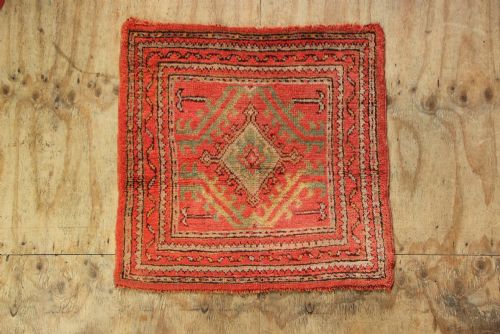
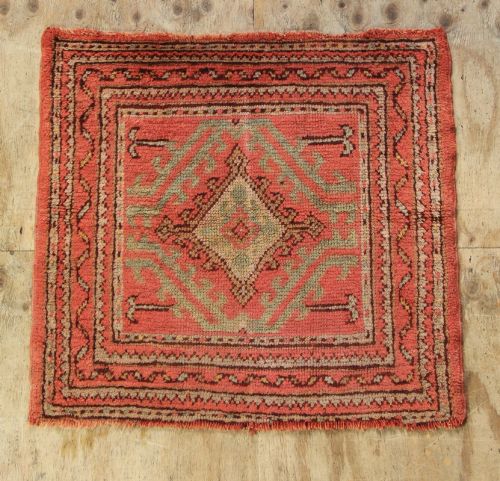


Terracotta Turkish Carpet
A terracotta turkish carpet brings warmth and deep heritage to a room, offering centuries of woven artistry for modern floors.
Terracotta Turkish Carpet
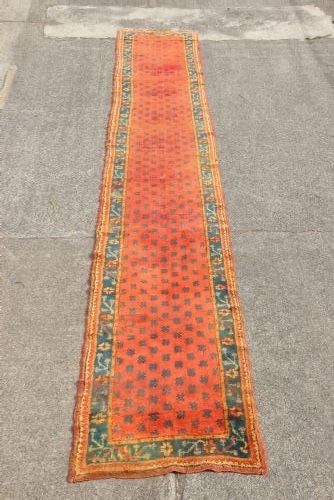
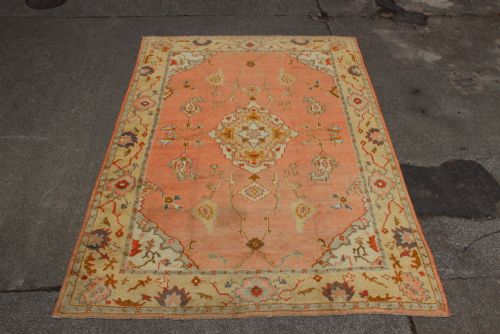
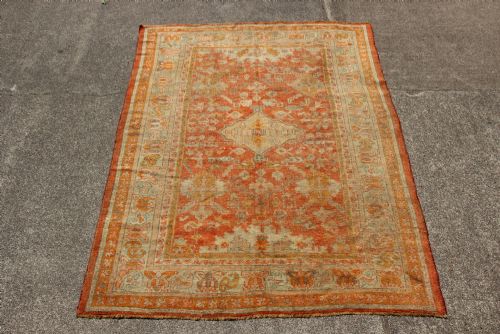
When you search for a terracotta turkish carpet, you encounter heavy woven floor coverings spanning from the eighteenth century to the mid twentieth century. These pieces originate from Anatolian weaving centres such as Oushak, Ghiordes, Konya, Milas, Kula, Ladik, and Bandırma.
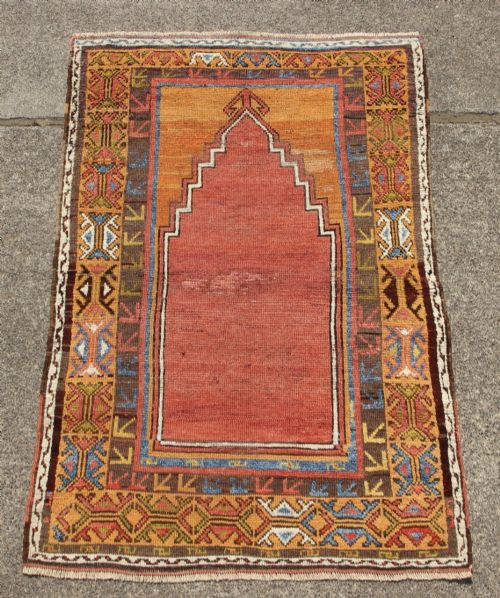
The format varies widely across the selection, ranging from room-sized carpets and square floor coverings down to narrow runners, hearth mats, prayer rugs, and small yastiks. Oushak production dominates the larger formats, while regional weaving traditions appear frequently in prayer rugs and runners.
Makers often incorporate traditional Ottoman and Anatolian motifs into field designs. Floor coverings frequently integrate secondary furniture forms, including club armchairs upholstered in matching carpet fragments.
What Varies in Quality
Quality rests upon the handling of the wool and the precision of the hand-knotted pile. Finer examples display superior wool preparation and tight knot density, which maintains structural integrity across large expanses.
The nuance of the dye work dictates visual depth, separating standard commercial production from master regional weaving. Age-related wear alters the pile height, though evenly faded surfaces often display greater artistic harmony than heavy restoration.
Some nineteenth-century weavers carefully preserved mismatched wool batches, turning natural dye shifts into charming optical irregularities across the field.
Howard And Sons
The Terracotta Turkish Carpet Glossary
- Oushak
- A major carpet-producing town in western Anatolia known for oversized formats and soft, muted terracotta palettes. These pieces typically feature large-scale floral designs with curvilinear motifs.
- Prayer rug
- A small format rug featuring a mihrab or arch design at one end, traditionally pointed towards Mecca during daily prayers. Examples from Konya and Ghiordes showcase this specific architectural layout.
- Kelim
- A flatwoven carpet or rug produced without a pile by tightly interweaving warp and weft strands. This technique creates a lightweight textile with identical patterns visible on both sides.
- Yastik
- A small Turkish cushion cover or pillow rug traditionally used on divans. Early nineteenth-century examples display concentrated village patterns within compact dimensions.
Terracotta Turkish Carpet: Frequently Asked Questions
How do I clean an antique carpet?
Gentle surface brushing and professional specialist washing preserve the natural wool fibres. Avoid harsh chemical treatments that strip the original dyed terracotta tones.
Regular rotation prevents uneven sun exposure and balances foot traffic wear across the antique pile.
What size runner do I need?
Measure your hallway length while leaving a clear border of exposed wood or floor around the edges. Long narrow formats accommodate corridors, while paired runners suit expansive entrance halls.
Check door clearance heights to ensure the thick pile permits smooth opening.
How do I identify an Oushak?
Look for oversized formats, a relaxed curvilinear floral design, and a characteristic terracotta or pale colour palette. These western Anatolian carpets utilise generous knot spacing and lustrous wool.
Examine the secondary back structure for hand-spun wool and cotton foundation threads typical of the region.
Can I place furniture on top?
Heavy armchairs and tables rest securely on large carpets provided the weight distributes evenly across a flat surface. Use protective felt pads under wooden legs to prevent fibre compression.
Position furniture thoughtfully so the central medallions and border patterns remain visible.