



Terracotta Animal Statue
These terracotta animal statue pieces bring warmth and character to a room through modelled earthenware forms.
Terracotta Animal Statue
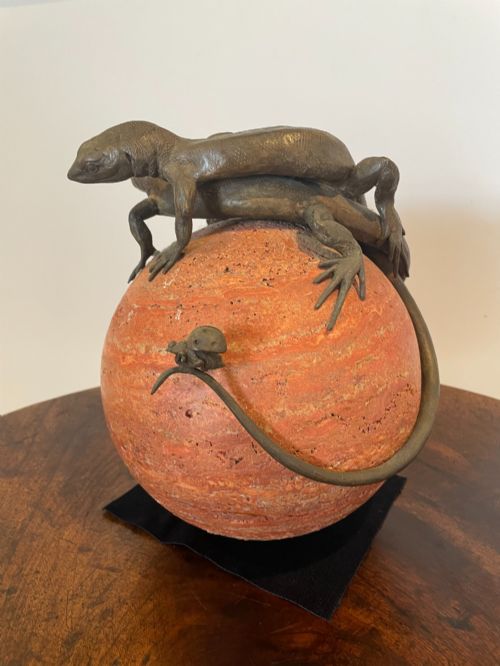
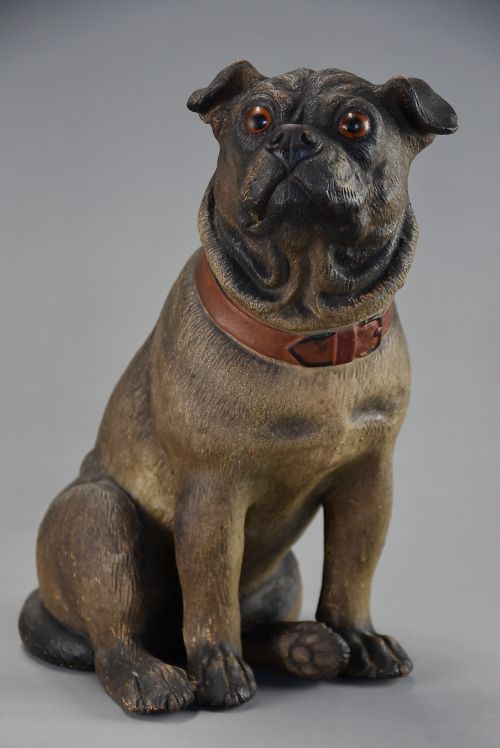
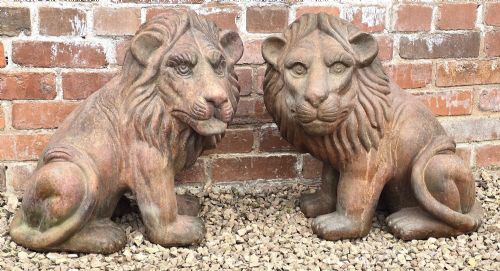
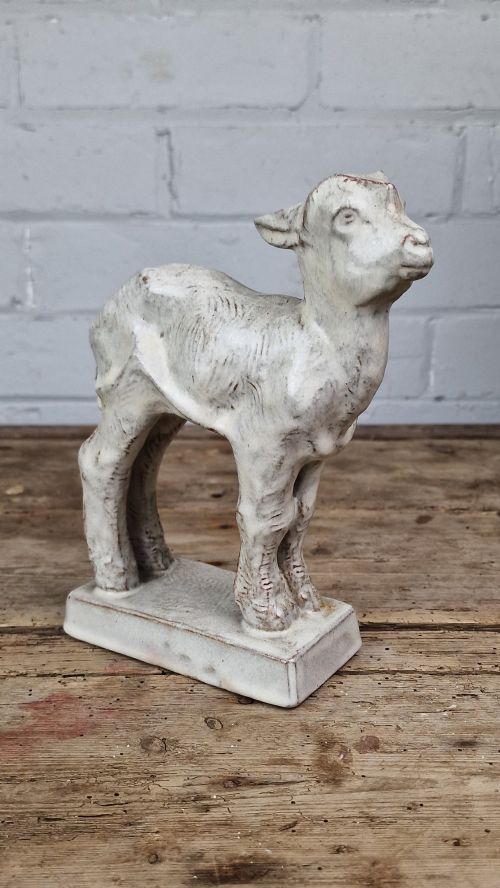
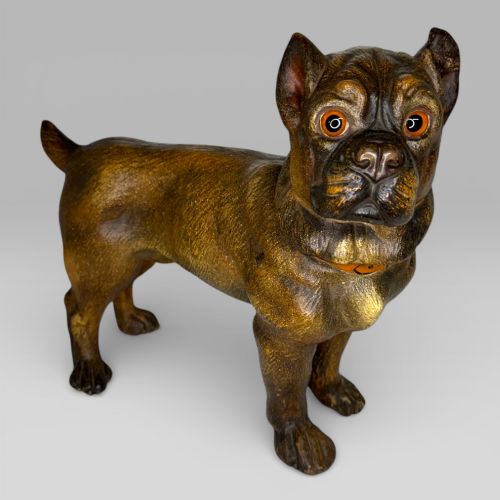
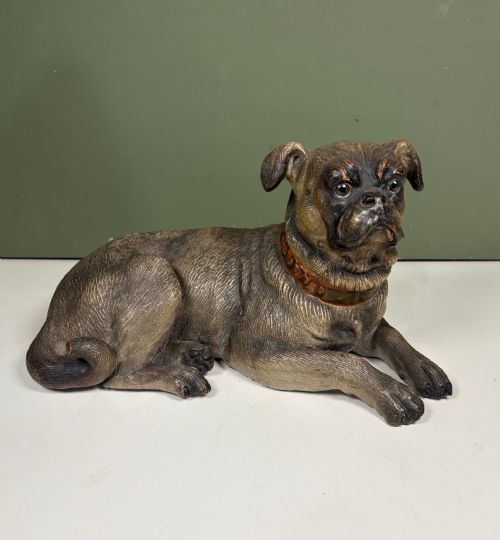
When you search for a terracotta animal statue, you encounter moulded and hand-modelled earthenware creatures ranging from domestic dogs to wild beasts. The listings on this page span the late nineteenth century through to the mid-twentieth century, capturing creatures modelled with spirited realism.
You are most likely to meet figures of pugs and lions, alongside farm animals, birds and fish. These pieces take various forms, including garden sculptures, bookends, roof tiles and tabletop decorative figurines.
Origins stretch across Europe and beyond, taking in English ceramics, French folk art, Italian sculptures and Austrian studio pottery. Each piece reflects the aesthetic of its period, moving from Victorian realism to Art Deco and Modernist styling.
How they were made
The primary material is terracotta, an unglazed or glazed fired earthenware that captures fine detail from the sculptor's hand or mould. Some pieces feature painted surfaces, such as cold-painted finishes or applied coloured glazes.
Makers utilised techniques like hand modelling and slip casting to shape the clay before firing. Bases sometimes incorporate other materials, including wood, glass, bronze and marble, to support the ceramic body.
Terracotta Animal Statue Retail Price Guide 2026
Typical asking prices for terracotta animal statue among the pieces listed under this phrase on Sellingantiques today, from the lower quarter to the upper quarter. They describe what is for sale here now, not the wider market.
Listings feature works from Austrian, French, English and Italian makers, spanning Victorian, Art Deco and Modernist periods.
What varies in quality
The success of a terracotta animal statue lies in the liveliness of the modelling and the fidelity of the animal's form. Stronger examples display a keen observation of anatomy and expression, capturing the distinct character of the subject rather than a stiff imitation.
Surface treatment dictates much of the visual depth, distinguishing a flat, uniform finish from one with subtle tonal variation and careful hand-painting. The crispness of the moulded detail and the weight of the fired clay also mark out superior production.
Joseph Constant·Bavent Terracotta·Guido Cacciapuoti·Bernard Bloch
The Terracotta Animal Statue Glossary
- Terracotta
- Fired brown-red earthenware clay used for sculptural and decorative objects. It is valued for its porous nature and ability to take fine detail.
- Animalier
- Nineteenth-century art movement focusing on the realistic depiction of animals. Sculptors in this tradition studied anatomy closely.
- Cold painted
- Paint applied to a cured object without subsequent kiln firing. This technique preserves delicate pigments on ceramics and metals.
- Earthenware
- Porous pottery fired at lower temperatures than stoneware or porcelain. It is typically glazed or sealed to hold liquids and display colour.
- Recumbent
- An anatomical position showing an animal lying down. This form is common in pairs designed as bookends or fireplace ornaments.
Terracotta Animal Statue: Frequently Asked Questions
How do I clean a terracotta figure?
Dust the surface gently with a soft, dry brush to remove settled particles without disturbing the porous clay or any applied paint.
Avoid using water or liquid cleaners, as unglazed earthenware absorbs moisture and risks damage to cold-painted finishes.
Can these animal figures go outdoors?
Garden sculptures and roof tiles are designed to withstand external conditions, though frost can affect unprotected earthenware during freezing weather.
Interior decorative figurines and bookends lack the weatherproofing needed for outdoor placement and should remain inside.
What is cold painting on pottery?
Cold painting involves applying pigments to a fired ceramic surface without reheating the piece in a kiln.
This technique allows for delicate polychrome details that would burn away at high ceramic firing temperatures.
Why are pugs so common in antique pottery?
Pugs enjoyed immense popularity as pets during the Victorian era, prompting European potteries to model them frequently.
Their distinctive wrinkles and expressive faces provided sculptors with an engaging subject for decorative earthenware.